







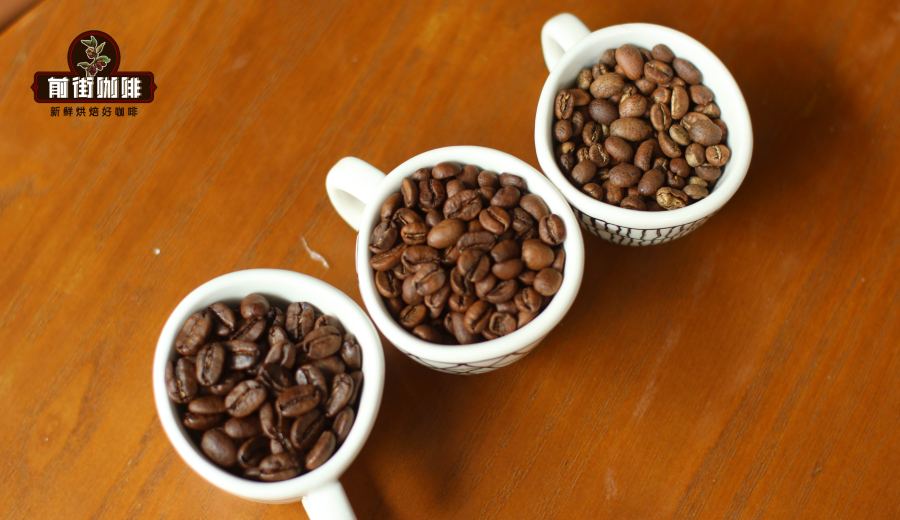
Introduction:Coffee is not just a pick-me-up beverage—different roast levels can also impact health and weight loss. This article delves into the differences in chlorogenic acid content and antioxidant capacity between light and medium-dark roast coffee beans, and explores their potential benefits for weight reduction. It also provides practical pour over parameters and flavor profiles to help you choose the most suitable roast level and brewing method based on your needs.
With growing health awareness, more and more coffee enthusiasts are beginning to pay attention to how different roast levels affect both health and flavor. Especially for those looking to use black coffee to assist with fat loss, choosing the right roast level becomes particularly important. Research indicates that light roast coffee retains more chlorogenic acids and antioxidants, making it potentially more effective in boosting metabolism and reducing fat accumulation.
Coffee roast levels can generally be divided into three main categories: light roast, medium roast, and medium-dark or dark roast. The different drop times not only influence the color of the beans but also directly affect the final flavor profile and the amount of active compounds present. Among them,Light Roastis typically dropped just at the start to the dense phase of first crack, with the bean surface appearing light cinnamon in color. It features pronounced acidity and fresh aromas, and is commonly used for pour over brewing.
In contrast,Medium Roastis dropped during the dense to end phase of first crack, when the bean surface turns chestnut in color. It offers a more balanced acidity and bitterness, with a smoother mouthfeel, making it suitable for drinkers who enjoy layered flavors. Moving up further,Medium-Dark Roast(also known as City Roast), is dropped between the end of first crack and the start of second crack. The beans appear light brown, with weaker acidity and a balanced bitter-sweet profile, representing the flavor type most familiar to many consumers.
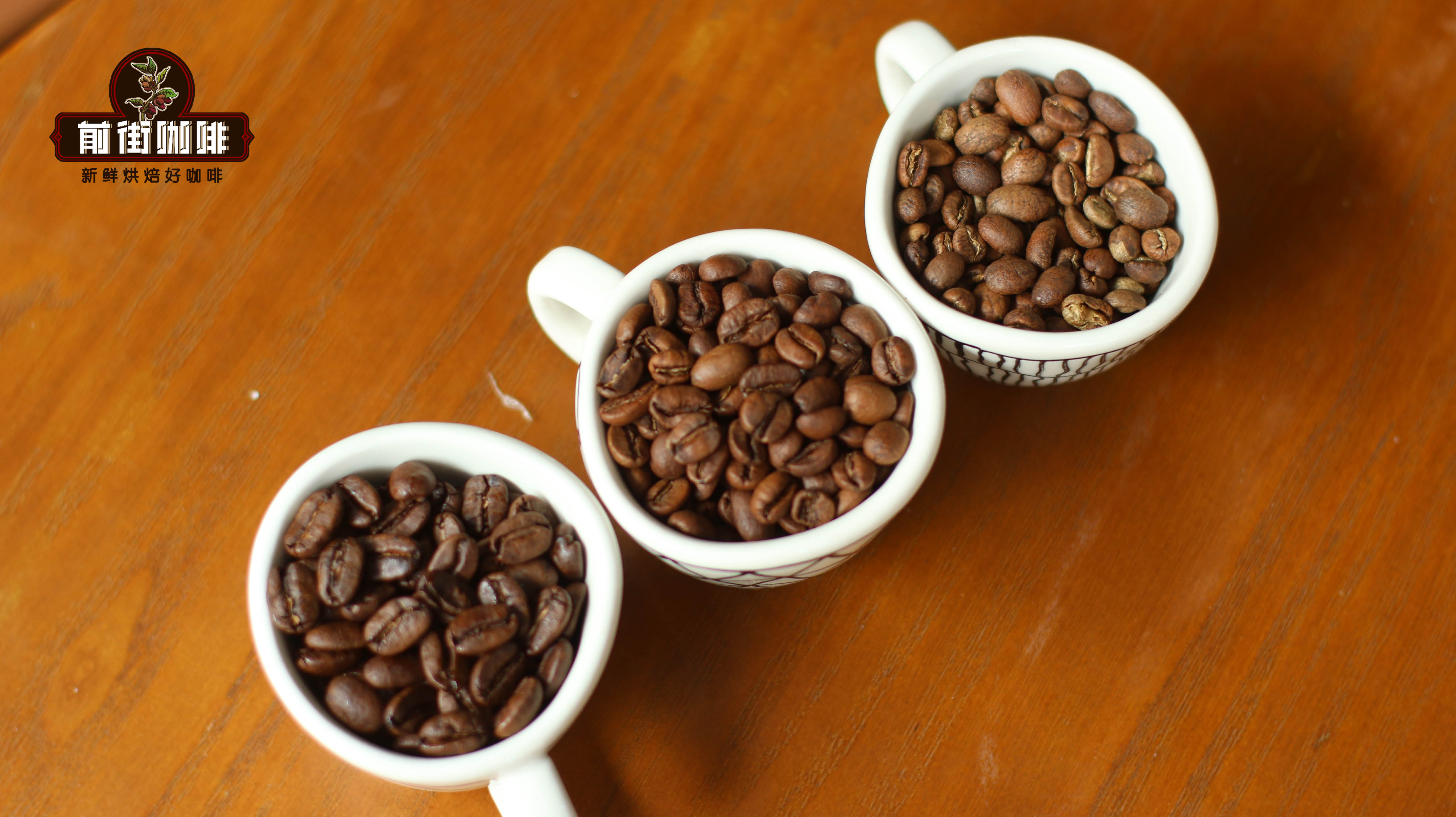
As for the common Dark Roast, or Italian Roast, it is usually dropped at the end of second crack or even when the bean surface shows an oily sheen. These beans are dark black and glossy, emphasizing intense roasted and charred flavors with prominent bitterness, and are often used for making espresso. However, precisely because of the high-temperature, long-duration roasting process, much of the chlorogenic acids and antioxidants are lost.
According to multiple studies, including data published in the Journal of Food Science,light roast coffee contains higher concentrations of chlorogenic acid than dark roast,a key component with antioxidant, antibacterial, blood sugar and lipid regulation properties, and which may even aid in fat oxidation. Therefore, if your goal is fat loss or overall health, light roast coffee does offer certain advantages.
So, for home brewers who enjoy pouring their own coffee, how can you extract the best flavor and benefits from light roast coffee? Below is a set of practical pour over parameters and operational suggestions, using a common light roast bean as an example—one with distinct fruity acidity and floral notes, typically exhibiting citrus, berry, and tea-like finish flavors.
Recommended basic pour over parameters:
Coffee dose: 15 grams
Brew ratio: 1:15
Water temperature: 91–92°C
Grind size: Medium-fine (approximately 78% through a #20 standard sieve, close to the texture of fine sugar)
Filter: V60
Pour over steps:
1. Preheat the filter and server, then place the coffee grounds into the filter and gently tap to level the surface.
2. Begin the first pour by adding about 30 grams of hot water, pouring in a circular motion from the center outward for about 15 seconds. The coffee grounds will absorb water and expand, forming what is called the “coffee bloom” or “bun” stage. Then let it sit for a 30-second bloom.
3. At the 31-second mark, begin the second pour, adding a total of 100 grams of hot water. Pour steadily from the center outward, maintaining a vertical water flow to ensure even distribution of bubbles across the coffee bed. The liquid level should gradually rise to the shorter ribs of the filter.
4. When the water level drops to about half, proceed with the final pour, adding 95 grams of hot water. You may slightly slow down the speed at this stage, using a “fragrance-release” pouring technique to pour gently, helping to release more aromatic compounds. The final total brew yield should be about 225 grams.
5. Once all the coffee has dripped through, remove the filter and enjoy.
This parameter setup effectively highlights the acidity layers and delicate aromas of light roast coffee, making it ideal for drinkers who prefer a clean mouthfeel and fruity flavor profile. If you prefer a richer or lower-acid cup, you might consider adjusting the grind size slightly coarser or the water temperature a bit lower, and observe the overall balance of the final flavor.
In summary, whether your goal is fat loss, health pursuit, or simply to explore diverse coffee flavors, understanding how different roast levels impact composition and taste is crucial. Light roast coffee retains more beneficial compounds, giving it a slight edge in health benefits; while medium-dark roast excels in bold flavor and aroma, suiting those who prefer stronger tastes. Choosing the right roast level and brewing method ensures every cup of coffee delivers its maximum value.
The above content is compiled by CoffeeHunters, a coffee news website.


