







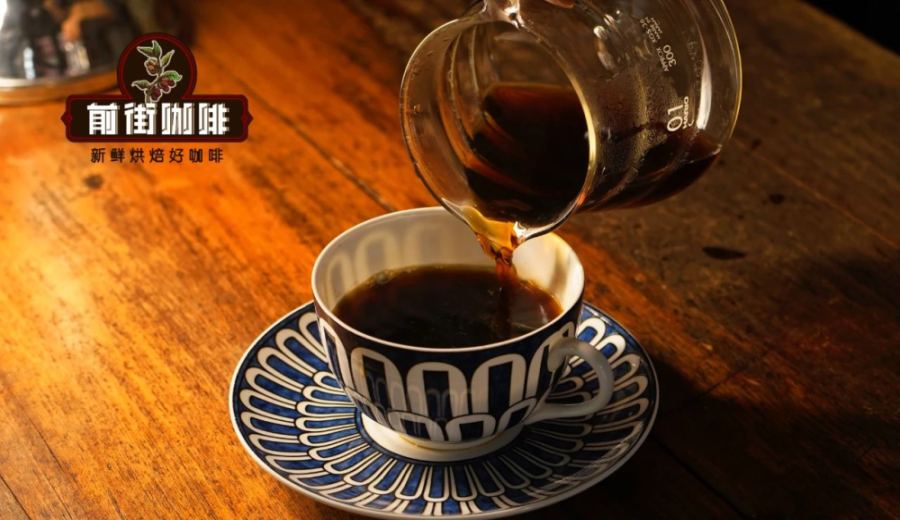
Introduction:Explore the unique charm of Yunnan small-bean coffee, from the classic Catimor to the revived Typica variety, and gain an in-depth understanding of its flavor profile and cultivation evolution. This article details the sensory characteristics of two representative coffee beans and provides professional French press brewing parameters and steps to help coffee enthusiasts master the brewing techniques for medium-dark roasted beans, enhancing the quality of home pour-over brewing.
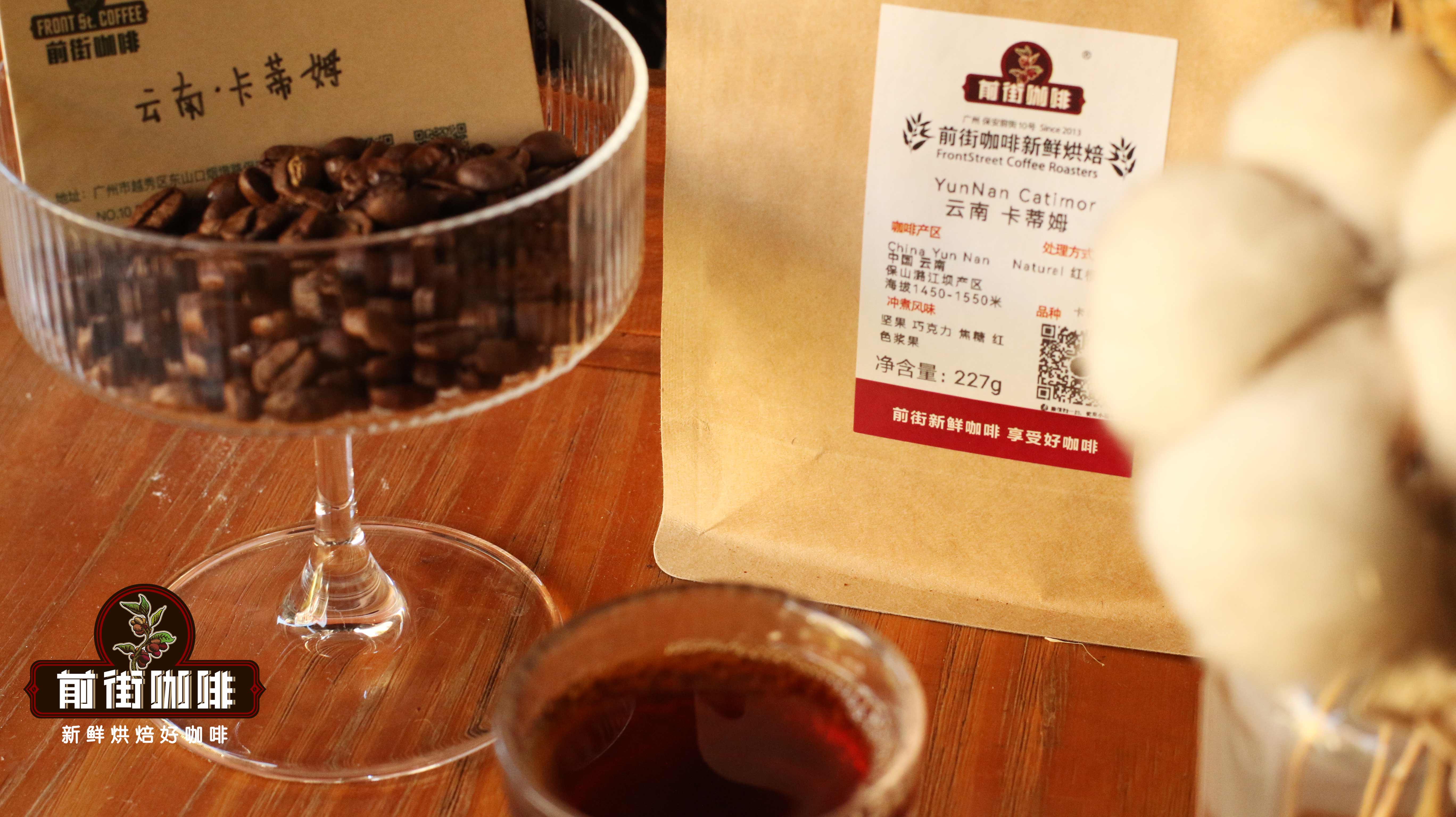
The flavor profile of Yunnan-produced coffee is distinguished by its balance, with a harmonious interplay of acidity, sweetness, and bitterness. Medium roasting can bring out a distinct cocoa note while retaining a moderate level of bright acidity. Observing the two main types of beans primarily grown locally: the basic version offers nutty, herbal notes paired with brown sugar sweetness and plum-like acidity, delivering a well-rounded mouthfeel that’s ideal for beginners practicing pour-over; the advanced 2013 natural Typica, on the other hand, showcases tropical fruit sweetness, vibrant berry acidity, and a finish with the body of black tea and a solid chocolate aftertaste, exhibiting excellent clarity.
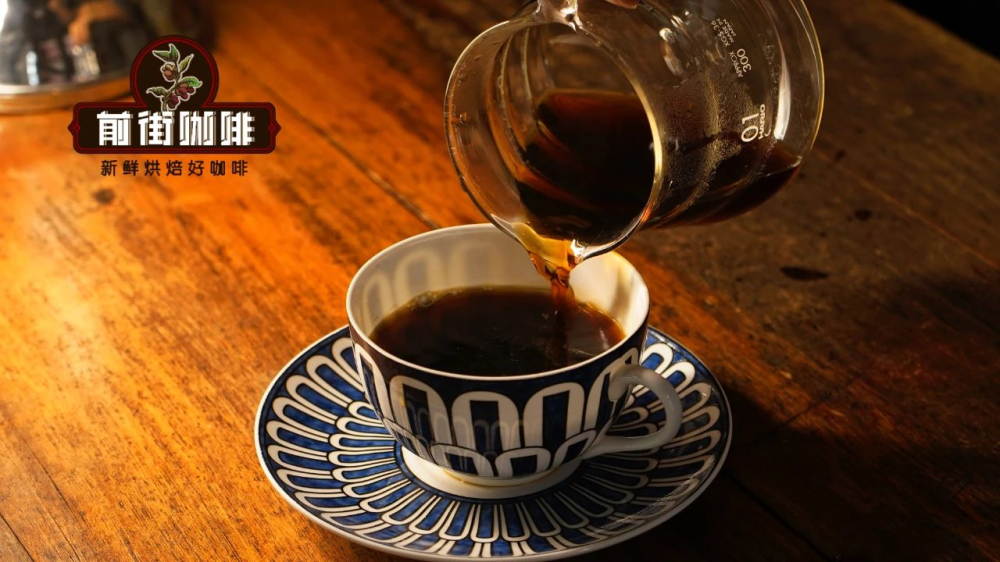
Looking back at the development history of Yunnan coffee varieties, the early-planted Typica, as a classic branch of Arabica, was referred to as "small-bean coffee" due to its smaller bean size. However, with the industry's need for transformation, this variety has gradually been replaced by Catimor — mainly because Typica not only has lower yields but is also more susceptible to coffee leaf rust, making it difficult to meet the challenges of large-scale cultivation.
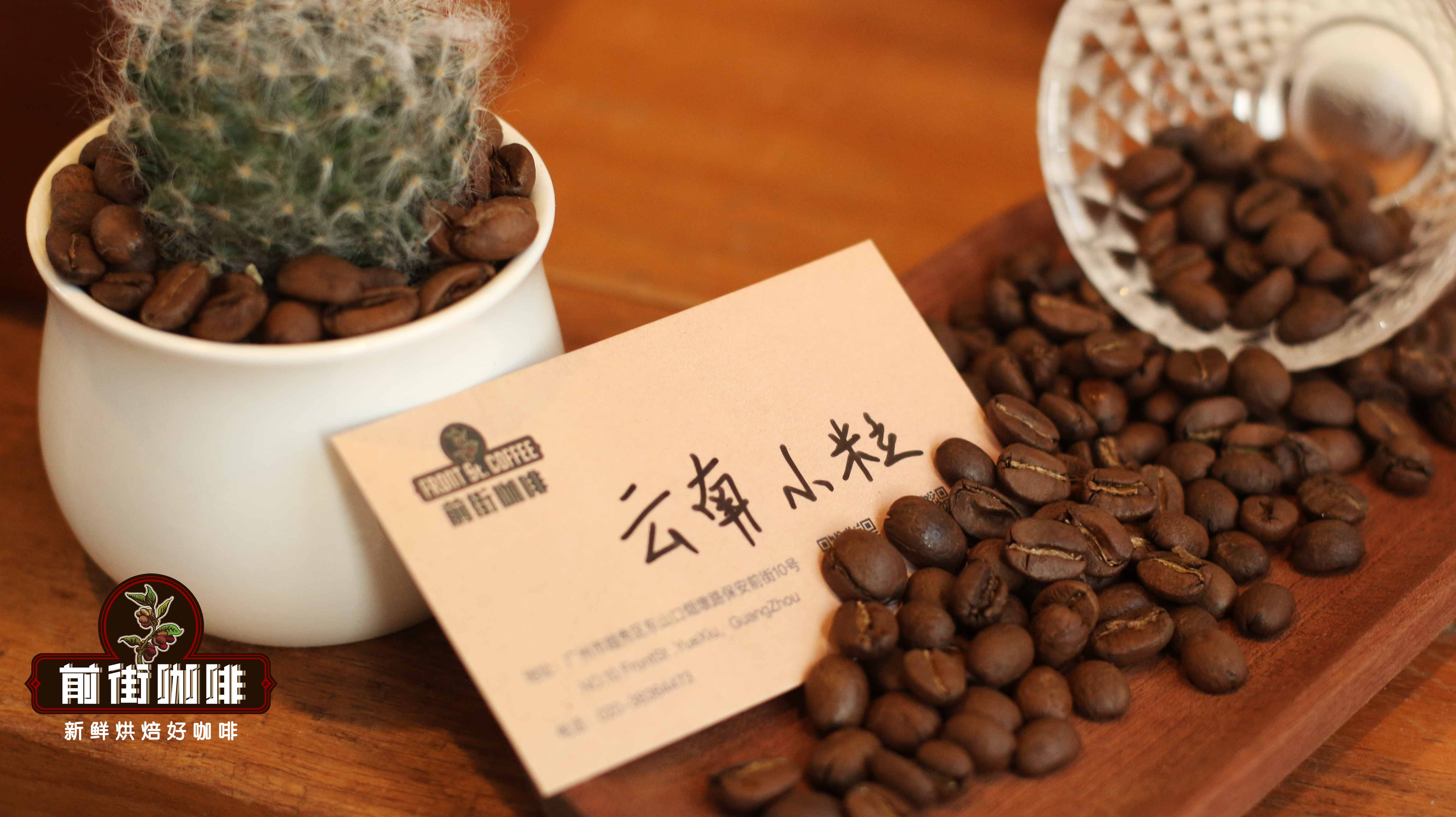
Agricultural experts point out that by 1998, over 90% of Yunnan’s coffee cultivation structure had shifted to the Catimor variety. This hybrid, developed in 1959 by Portugal’s CIFC research center, has Timor as the male parent and Caturra as the female parent. It boasts advantages such as strong disease resistance, shorter plant stature for easier dense planting, and stable yield. However, it’s important to note that it contains 25% Robusta genes, which may introduce slight herbal astringency or a lack of body, with purity and fruit aroma layers being slightly inferior compared to purebred Arabica.
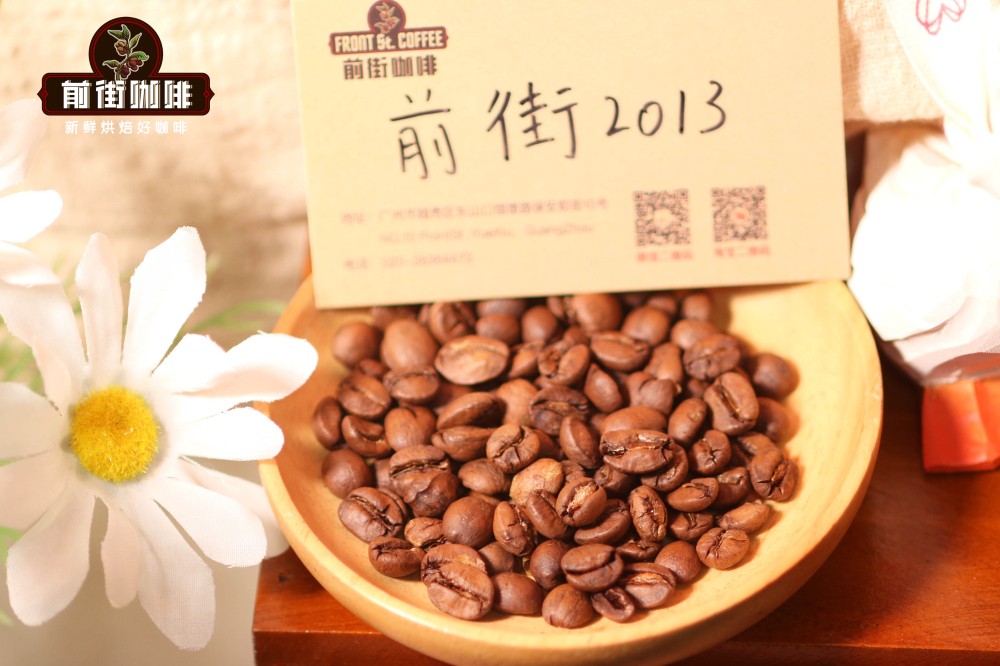
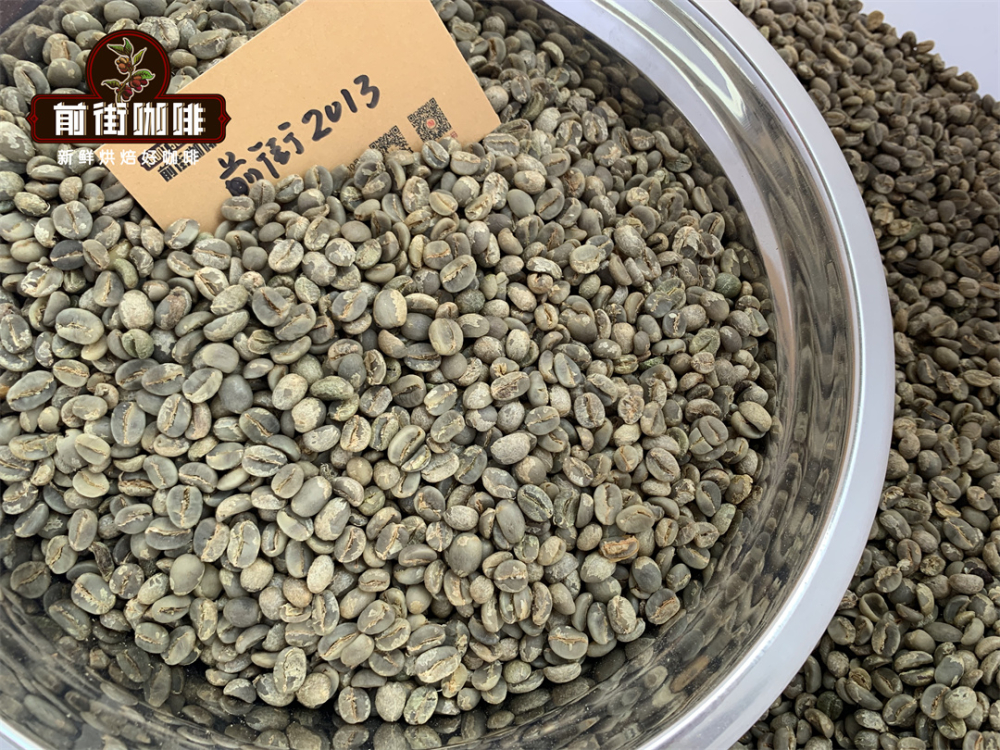
Currently, the main variety planted in Yunnan remains Catimor, favored for its adaptability and alignment with commercial production needs, making it the choice of most estates. A certain merchant’s basic Yunnan small-bean coffee uses this variety, performing steadily as an entry-level everyday bean. Notably, they have preserved 2013-planted purebred Typica old-tree varieties in the Lincang area. Despite facing risks of pests and diseases and disadvantages of low yield, they persist in producing this naturally processed bean with a unique flavor.
For French press brewing of Yunnan medium-dark roasted coffee beans, the following professional parameters are recommended: adjust the grind to medium-coarse (similar in texture to fine sugar), and control the coffee-to-water ratio between 1:15 and 1:16. The operation process is divided into seven key steps: first, heat the water to 92–94°C, then place the French press on an electronic scale, pour in 120 grams of hot water, and start the timer. Use a center-pouring method to avoid disrupting the coffee bed structure. After the initial pour, use a wooden stirring stick to perform a 30-second bloom (gently rotating like paddling) to encourage the coffee grounds to degas and expand fully.
After completing the bloom stage, continue pouring the remaining hot water and immediately cover. Allow it to steep and extract for four minutes (this is the golden time window and should not be shortened). Toward the end, slowly press down the filter. It is recommended to apply a force of 7–9 kilograms — if the pressing resistance is too low, it may indicate the grind is too coarse; if the resistance is too high, check whether the grind is too fine. Finally, make sure to pour out the coffee immediately after pressing to prevent over-extraction, which can lead to the release of bitter flavors. It is recommended to use preheated cups, and the optimal flavor period is within 20 minutes after brewing.
Once you’ve mastered these core techniques, you can adjust the grind size or water temperature slightly according to personal preference to fine-tune the flavor intensity. Whether for everyday drinking or exploring the varietal differences of Yunnan coffee, the French press can consistently highlight its rich base and layered characteristics.
The above content is compiled by CoffeeHunters, a coffee news website.


