







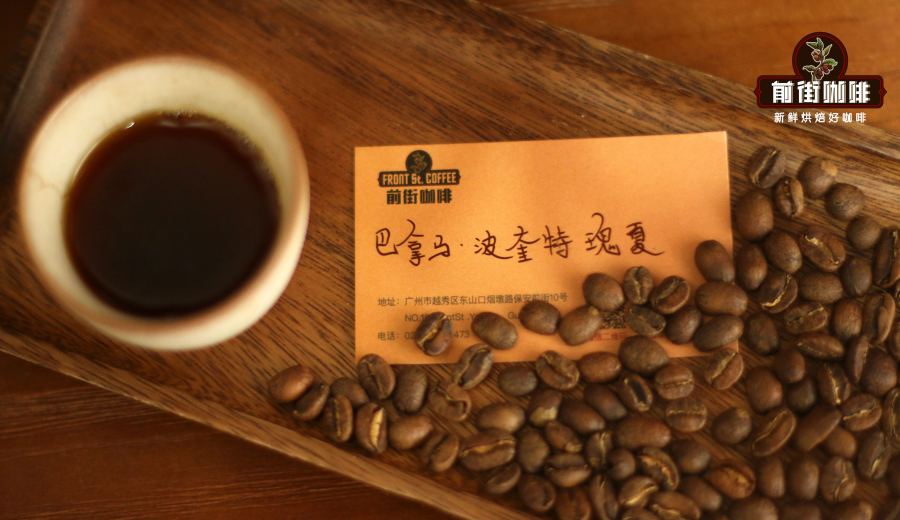
Introduction:Panama’s Geisha coffee from Hacienda Esmeralda is renowned for its three-tiered grading system: Red Label, Green Label, and Blue Label, each representing different growing regions and processing standards. This article delves into the origins, flavor profiles, roast recommendations, and optimal brewing parameters for these three grades, while also clarifying whether auction lots are truly superior to regular ones. Whether you’re a beginner or an advanced coffee enthusiast, you’ll find guidance on choosing the right Geisha and appreciating its nuances.
Hacienda Esmeralda is hailed as the discoverer and global promoter of Geisha coffee. Its three Geisha offerings—Red Label, Green Label, and Blue Label—are all of the same variety, yet are categorized into distinct grades based on origin, processing refinement, and cupping performance, forming a clear hierarchical progression. Many coffee lovers often wonder: what exactly sets these seemingly similar Geisha beans apart? This article will explore Panama’s unique terroir and the historical background of the Geisha variety, then gradually analyze Hacienda Esmeralda’s plot division logic and grading system. It will compare the roast curve designs, cupping flavor profiles, and practical brewing suggestions for the three Geishas, and finally debunk the common myth that “auction lots are necessarily of higher quality,” providing you with a comprehensive guide to selecting and appreciating Geisha coffee.
Panama is located in the Central American isthmus, bordered by the Caribbean Sea to the east, the Pacific Ocean to the west, Costa Rica to the north, and Colombia to the south, enjoying exceptionally favorable geographical conditions. The highlands in the western part of the country, especially the Boquete and Volcán-Candela regions near Costa Rica and along the Pacific coast, benefit from high altitudes (generally over 1,500 meters), significant diurnal temperature variations, and the convergence of cool air guided by the central mountain range, creating diverse microclimates. These microclimates, combined with the mineral-rich volcanic soils of the Boquete area, provide an ideal environment for cultivating coffee with unique flavors, and Hacienda Esmeralda’s Geisha coffee is the pinnacle representation of this.
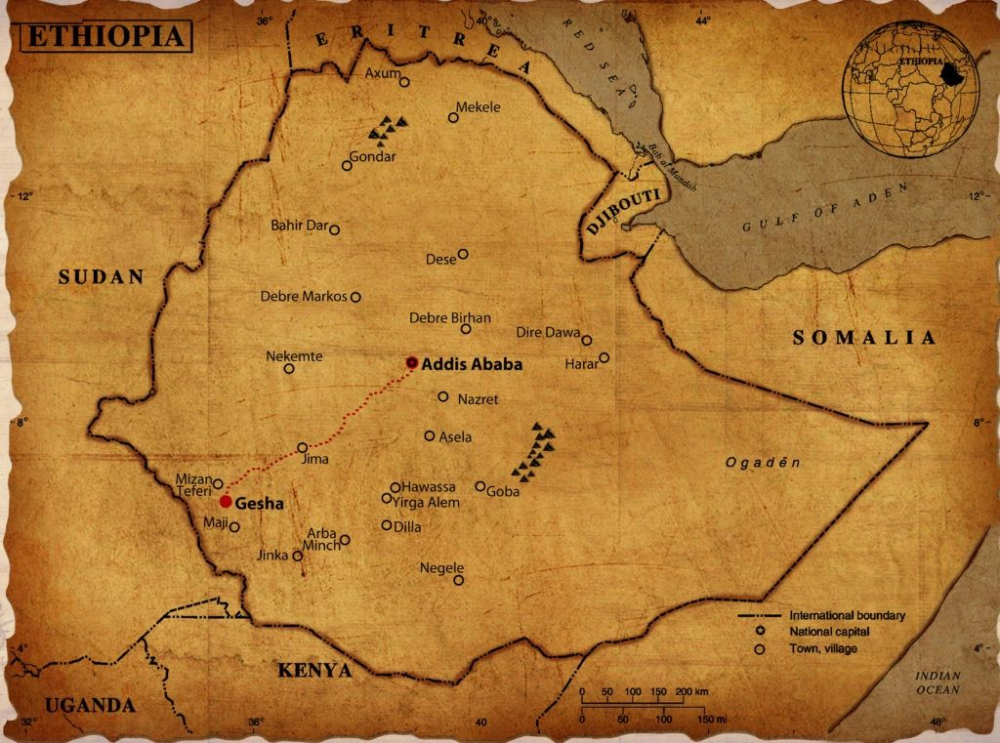
The journey of the Geisha (Geisha) variety began in 1931, when botanists conducting research on leaf rust-resistant varieties in Ethiopia’s Kaffa Forest collected multiple promising tree species. These original samples were later taken to Kenya for breeding, but it wasn’t until the 1950s that farms in Colombia and Panama introduced them for trial cultivation. Interestingly, subsequent research by French biologist Jean-Pierre Labouisse revealed that the so-called “Geisha Mountain” coffee beans actually came from different tree species, not a single variety, which explains why Geisha coffee today still exhibits subtle genetic differences. Hacienda Esmeralda has maximized the potential of this variety through rigorous field management and cupping selection.
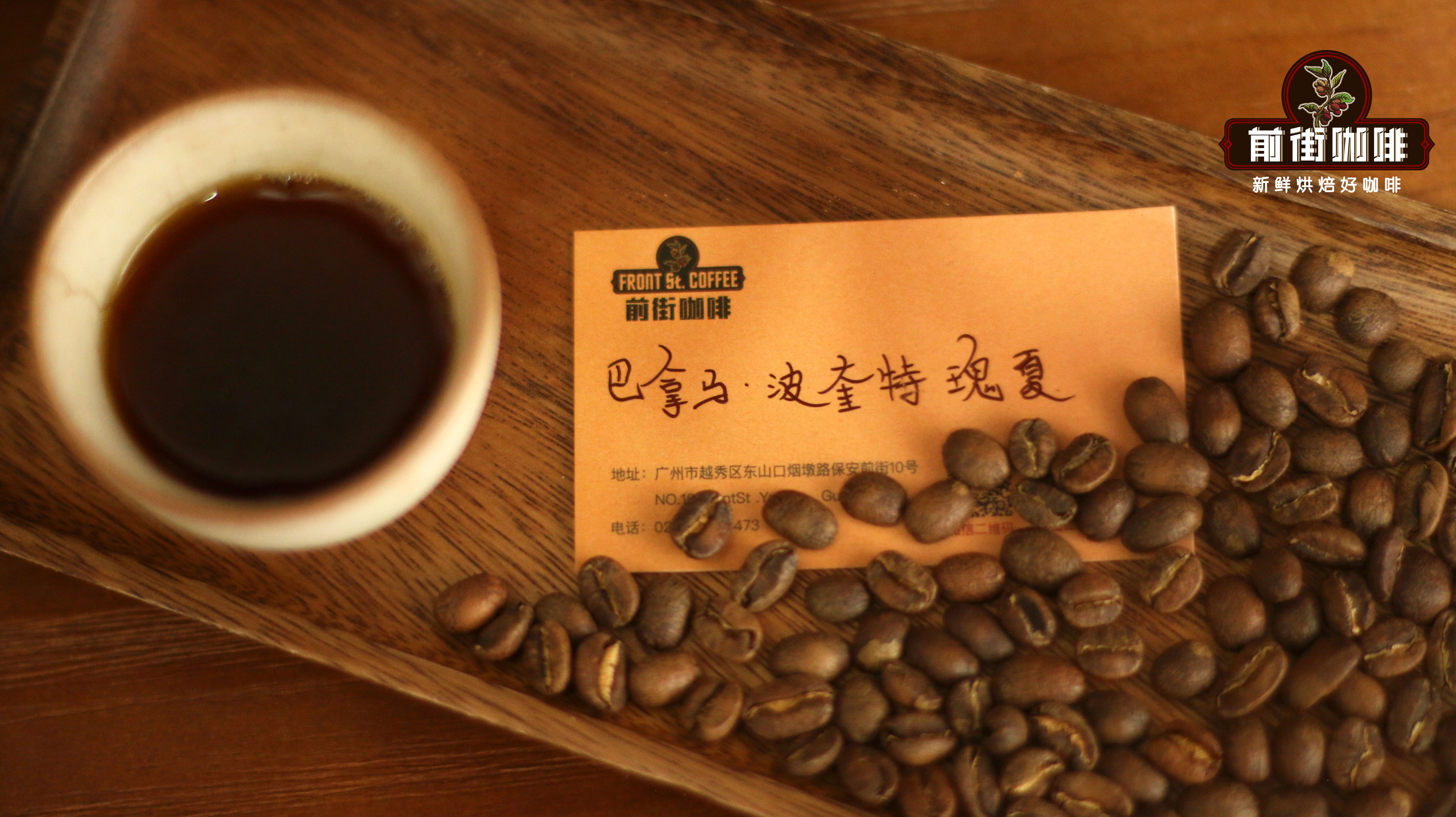
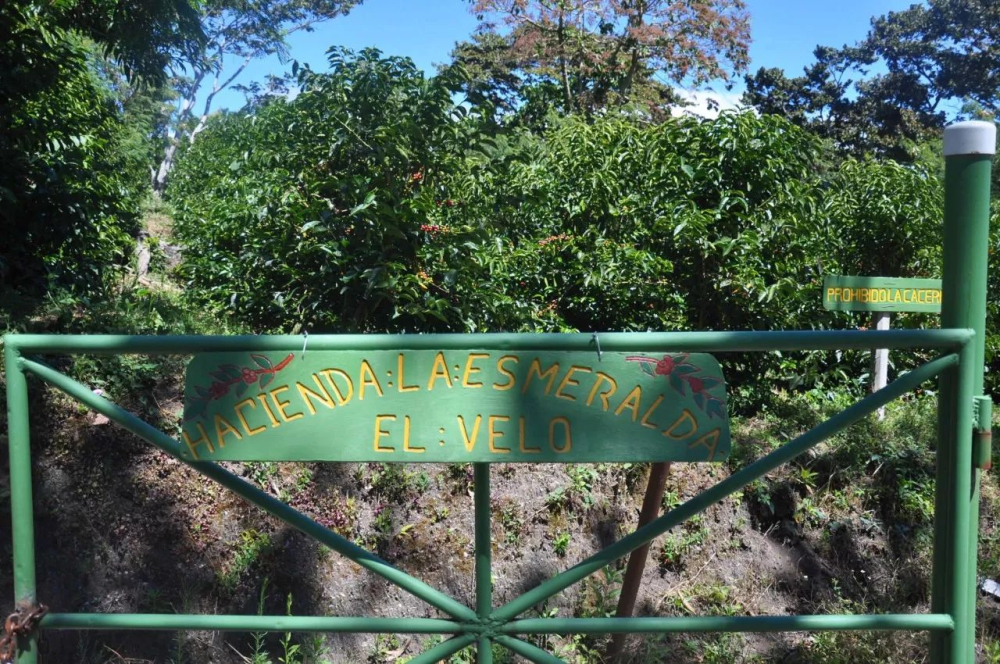
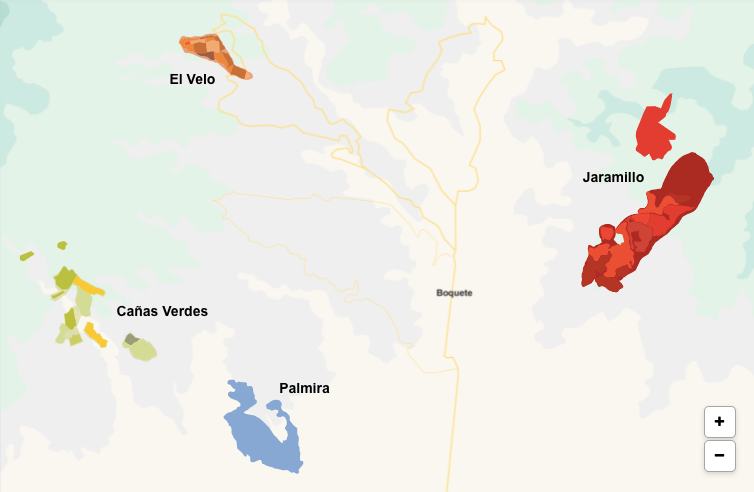
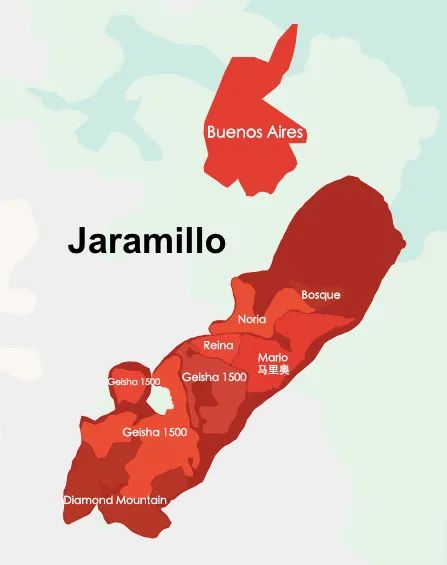
Hacienda Esmeralda is located in Panama’s Boquete region, renowned for producing high-quality coffee, with other notable estates nearby such as Elida and Catuai. Hacienda Esmeralda’s Geisha cultivation is meticulously planned, primarily divided into three core plots: Jaramillo, Canas Verdes, and El Velo, each further subdivided into smaller blocks. Among these, Jaramillo and Canas Verdes are the golden regions for Geisha: Jaramillo receives about 4,000 mm of annual rainfall, with stable diurnal temperature ranges (daytime 19–25°C, nighttime 11–15°C) and an altitude between 1,600–1,700 meters, featuring fertile and well-drained soils; Canas Verdes receives slightly less rainfall (about 3,500 mm), with an altitude range of 1,600–1,800 meters, and similarly favorable climate conditions for Geisha growth.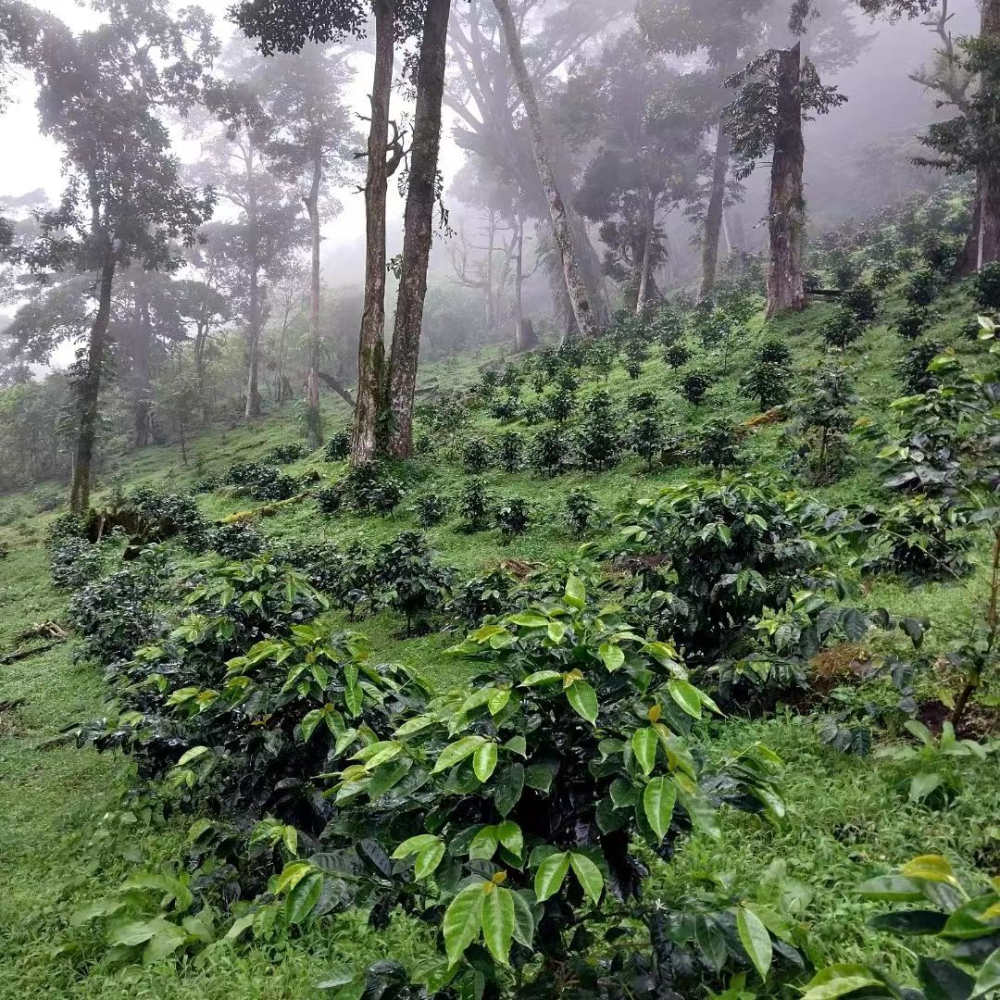 The newer El Velo plot, at an even higher altitude (1,700–1,900 meters), grows not only Geisha but also a diverse range of other varieties such as Catuai, Laurina, Pacamara, Mocha, and SL28, and is highly anticipated for its future potential.
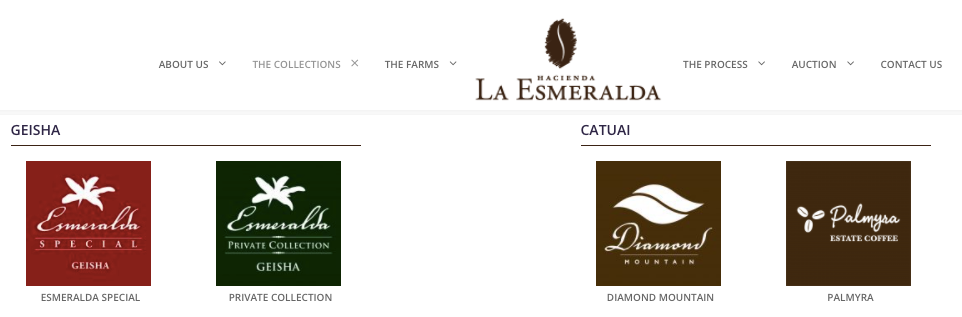
Hacienda Esmeralda’s Geisha grading strategy is distinctly different from others, and not simply a matter of “Red Label being the highest grade.” Its product line is divided into five brands: those belonging to the Geisha variety include “Esmeralda Special,” “Private Collection,” and “Geisha 1500”; the other two are Catuai varieties, “Diamond Mountain” and “Palmyra.” Consumers often mistakenly assume that “Red Label must be an auction lot and the most superior,” but in reality, auction lots only represent the most outstanding performers in that year’s cupping, and their prices are inevitably higher, though whether their flavors are more appealing is subjective. Hacienda Esmeralda has revealed plans to simplify its grading labels in the future, making it easier for consumers to understand the differences between grades.
In terms of roasting strategy, the industry (Front Street Coffee) employs a light roast approach for these three Geishas to highlight their signature floral aromas and bright acidity. However, considering the microclimate differences of each grade, roasting details are fine-tuned: as the top-tier offering, Red Label emphasizes preserving delicate citrus and berry notes, with the turning point controlled at 147–150°C, first crack starting at 8’10”, development time 1’28”, and final drop temperature 189.5°C; Green Label enhances sweetness and honey layers, with a slightly higher charge temperature (160°C), first crack starting at 7’50”, development time 1’20”, and drop temperature 192.5°C; Blue Label, as an entry-level base option, uses a higher bean charge temperature (180°C), first crack starting at 8’30”, development time 1’28”, and exit temperature 190°C, with flavors leaning toward clean citrus and nutty notes.
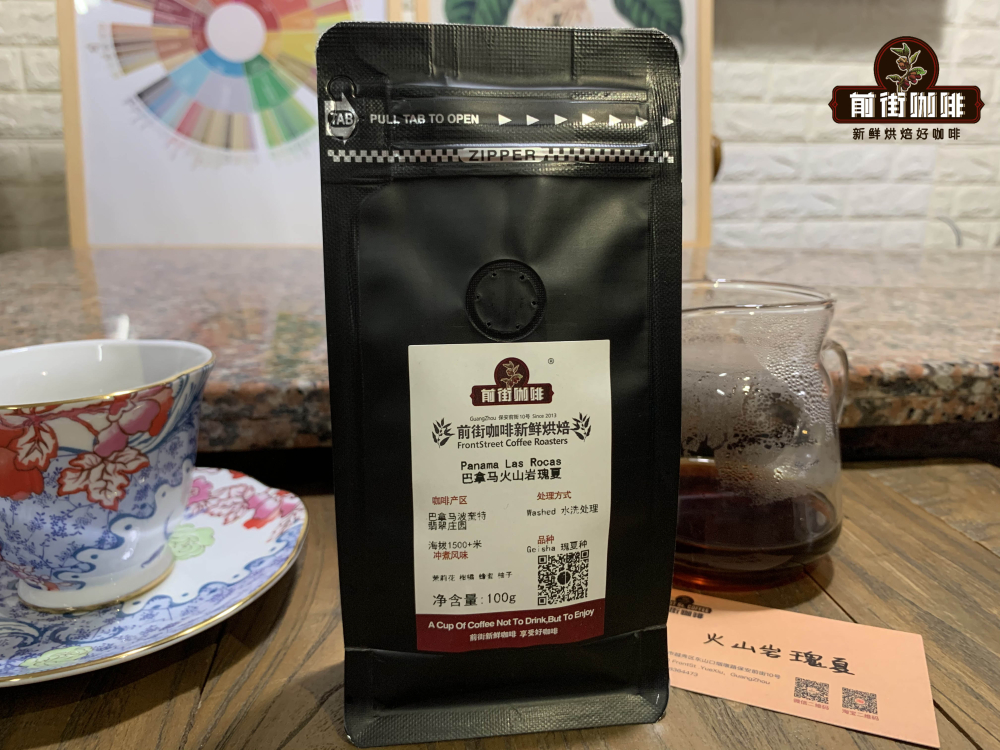
In terms of cupping flavors, Red Label leads with jasmine and dried citrus aromas, releasing lemon, berries, mango, and creamy tea notes upon brewing, with rich layers and pronounced sweetness; Green Label highlights ginger flower and sweet orange aromas, offering a honeyed richness and almond creaminess on the palate, with a lingering citrus floral aftertaste; Blue Label has a relatively refreshing profile, with citrus and lemon as the mainstays, paired with honey sweetness and a nutty finish, featuring pronounced tea-like qualities and a clean, bright mouthfeel. All three Geishas are well-suited for brewing with a Hario V60 dripper, recommended at a water temperature of 90°C, a coffee-to-water ratio of 1:15, and a grind size close to 80% passing through a Chinese standard No. 20 sieve (fine sugar level), using a three-stage method: 30g water bloom for 30 seconds, then pouring up to 125g followed by 225g total, with a total extraction time of about 2 minutes, fully showcasing the intricate flavor profile of Geisha.
The above content is compiled by CoffeeHunters, a coffee news website.


