







Introduction:Jamaican Blue Mountain coffee is hailed as one of the world’s finest coffees. Its unique flavor profile and rare production volume have made it a dream bean for many coffee enthusiasts. This article will delve into the growing environment of Blue Mountain coffee, the reasons behind its high price, the meticulous green bean processing and barrel packaging procedures, as well as tips for authenticity verification and professional pour over parameters to help you understand the charm of Blue Mountain coffee and learn how to select and brew it to achieve the best flavor.
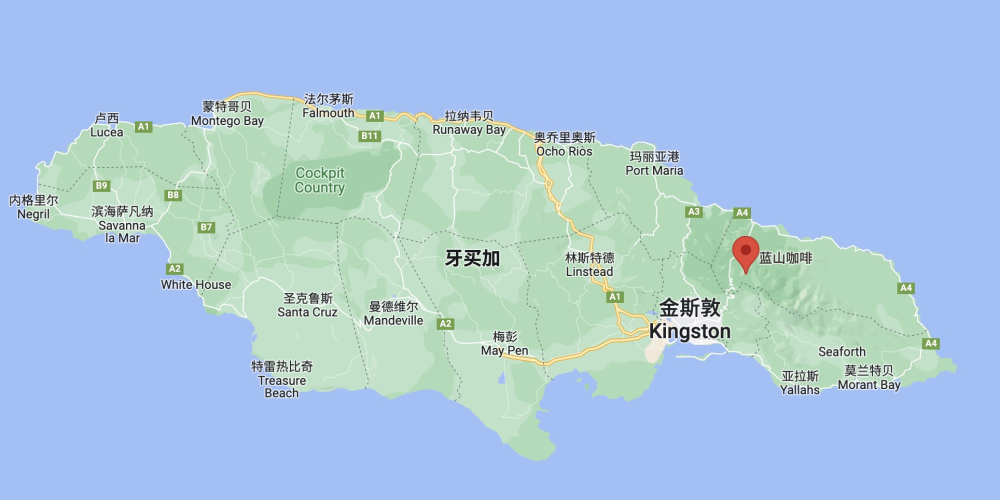
Blue Mountain coffee is widely recognized as a leader among specialty coffees. It is grown in the Blue Mountains of eastern Jamaica, where the unique climate, mineral-rich volcanic soil, and traditional Typica variety together produce a flavor that is well-balanced in acidity, sweetness, and bitterness, with a clean and bright cup character.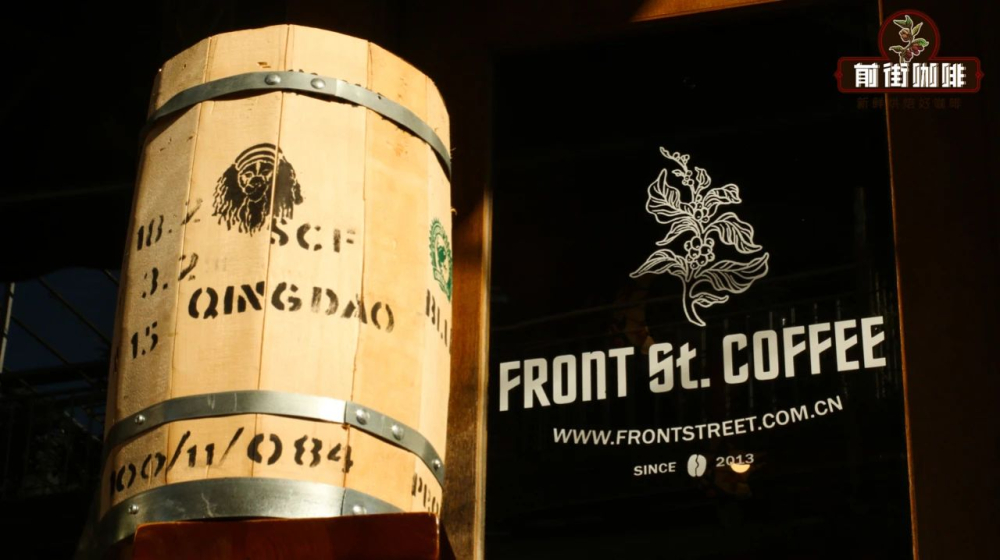
The Blue Mountain range exceeds an elevation of 2100 meters, but the suitable altitude range for cultivating Blue Mountain coffee is only between 910 and 1700 meters, with areas above 1700 meters designated as nature reserves. The region enjoys a cool, foggy climate with abundant rainfall. The use of terraced farming, along with intercropping with banana and avocado trees, provides natural shading that helps the coffee trees mature slowly and accumulate rich flavors.
The renowned flavor of Blue Mountain coffee stems from three key factors: its exceptional natural environment, fertile volcanic soil, and the historic Typica variety. Take the Clifton Estate as an example — this estate sits at an altitude of approximately 1310 meters. Its Blue Mountain coffee, when medium-dark roasted, exhibits a rich dark cocoa base note alongside delicate fruit acidity and a pronounced sweet aftertaste, leaving a memorable impression.
Why is Blue Mountain coffee so expensive? The primary reason is its extremely limited production. Jamaica’s rugged terrain makes mechanized terraced farming difficult, and issues such as hurricane damage and rising labor costs have kept overall output consistently low. Additionally, Blue Mountain coffee was historically sold mainly to the Japanese market. Starting in 1992, Japan purchased the majority of each year’s production (for instance, 688 tons went to Japan, compared to just 75 tons to the U.S. and 59 tons to the U.K.). It wasn’t until 2012, when the Jamaican government revoked Japan’s priority purchasing rights, that other markets gradually gained access to imports. Currently, only about 10% of the global production is allocated worldwide, and this supply-demand imbalance drives up prices.
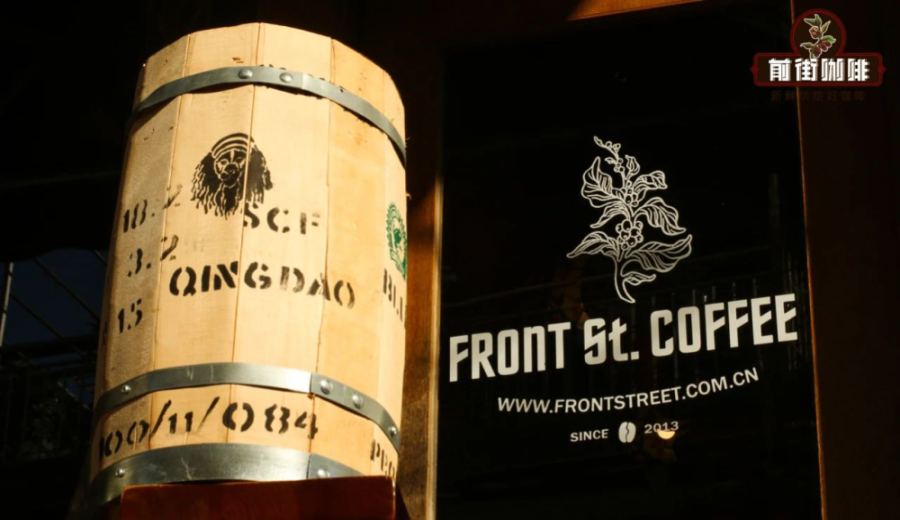
Moreover, the production process of Blue Mountain coffee is exceptionally meticulous, with every step — from hand-picking, washed processing, fermentation, drying, to hulling and roasting — requiring strict quality control. Notably, Jamaica is one of the few countries in the world that still uses traditional wooden barrel packaging. Depending on export volume, Blue Mountain coffee is shipped in 15, 30, or 70-kilogram wooden barrels, rather than the more common 60-kilogram jute sacks. Every batch of Blue Mountain coffee must pass rigorous certification by the Jamaica Coffee Industry Board, including professional cupping, roasting, and extraction evaluations to ensure it meets export standards.
Given the high price of Blue Mountain coffee, consumers are most concerned about purchasing counterfeit products. Here are several practical methods to verify the authenticity of Blue Mountain coffee: First, authentic Blue Mountain No. 1 coffee beans are always exported in whole wooden barrels. If the seller cannot provide photos or information about the wooden barrels, there may be an issue. Second, buyers can request official certification documents from the Jamaica CIB (Coffee Industry Board) or directly from the producing estate to confirm the beans’ origin. Lastly, observe the appearance of the roasted beans — Blue Mountain No. 1 beans should be uniformly sized and plump, which is also one of the indicators of high quality. Currently, almost all legally traded Blue Mountain coffee on the market belongs to the Blue Mountain No. 1 grade.
Regarding brewing, to fully highlight the balanced acidity, sweetness, and bitterness of Blue Mountain coffee, along with its nutty and dark chocolate notes, a medium-dark roast is recommended. Practical experience from a certain coffee brand shows that moderate roasting can enhance the aroma complexity and sweetness of Blue Mountain coffee. To allow the coffee beans to reach optimal extraction condition after delivery, it is advised to let them rest for 6 to 7 days after arrival to allow full degassing before brewing.
In terms of brewing equipment and parameters, the KONO filter cone is recommended. Its design facilitates full contact between coffee grounds and water, achieving an immersion-like extraction effect that enhances richness and flavor integrity. The suggested water temperature is 88°C, with a coffee-to-water ratio of 1:15 — using about 15 grams of coffee grounds. The grind size is recommended to have a 70% to 75% passing rate through a #20 sieve, which is slightly finer than medium-coarse, helping to balance extraction and avoid over-extraction.
For actual brewing, the following pour over procedure is suggested: Start by pouring 30 grams of hot water for a 30-second bloom, then pour in a circular motion up to 125 grams. Once the bed level drops by half, pour again up to 225 grams. Keep the total extraction time around 2 minutes and 10 seconds. This method extracts the most representative traits of Blue Mountain coffee: a rich, full-bodied nutty aroma, a lingering dark chocolate finish, and a crisp, sweet aftertaste, delivering an ultimate tasting experience.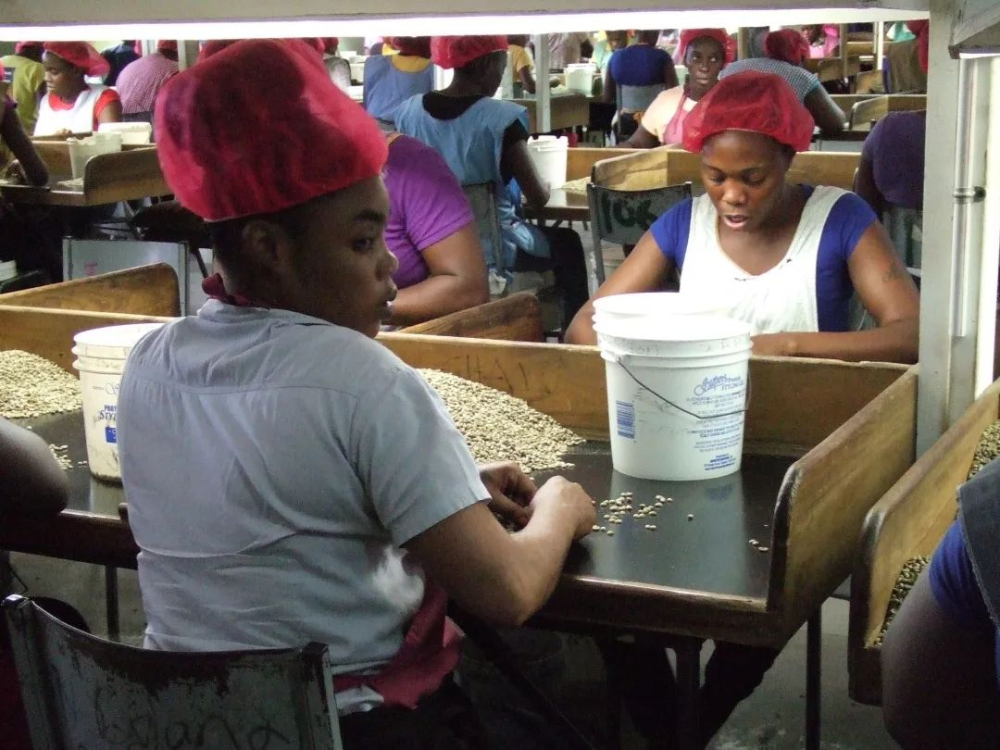
The above content is compiled by CoffeeHunters, a coffee news website.


