








Introduction:Robusta is often seen as a representative of commercial beans, but its high caffeine content, bold flavors, and crucial role in blends should not be overlooked. This article delves into the characteristics of Robusta (Coffea canephora), its differences from Arabica, its value in blends, and provides step-by-step instructions for using a siphon brewer to help you gain a more comprehensive understanding of this often underestimated coffee bean.
Robusta coffee is frequently misunderstood as low-quality commercial beans, but it actually plays an indispensable role in the coffee world—especially in Italian-style blends and new variety development—where it offers unique value. As the most common variety of Coffea canephora, Robusta is known for its high caffeine content and intense flavors. Though it may not be as favored by the specialty coffee market as Arabica, it demonstrates irreplaceable advantages in many practical scenarios.
The Relationship Between Robusta and Coffea canephora
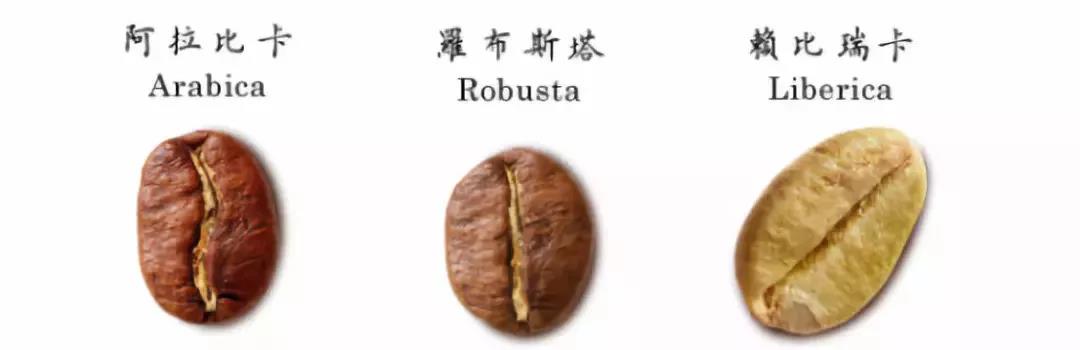
Many people directly equate Robusta with Coffea canephora. In fact, Robusta is a major variety within Coffea canephora, but due to market convention, the term "Robusta" is commonly used to refer to this type of coffee. This variety originates from the Congo region in Africa and has strong adaptability, able to grow in high temperatures, high humidity, and low altitudes. Compared to Arabica, it is more vigorous and has higher yields.
Flavor Characteristics: The Influence of High Caffeine and Chlorogenic Acid
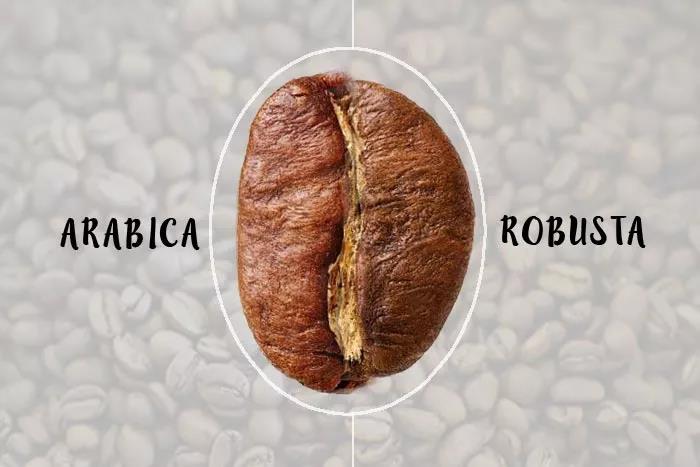
Robusta contains a caffeine content as high as1.7% to 3.0%, nearly double that of Arabica, giving it a stronger stimulating effect. In addition, Robusta is rich inchlorogenic acid, a compound that easily decomposes during roasting into caffeic acid and quinic acid, contributing distinct acidity and bitterness, respectively, which create the intense, and even slightly woody or earthy, flavor typical of Robusta. If the growing environment or post-harvest processing is suboptimal, unpleasant off-flavors resembling potatoes or rubber are more likely to appear, which is also a main reason why it rarely appears in the specialty coffee market.
Chlorogenic Acid and the Key to Flavor Transformation
The decomposition process of chlorogenic acid significantly impacts the final flavor of the coffee. When the temperature is below 80°C or above 85°C, chlorogenic acid tends to break down, releasing by-products that carry sour and bitter notes, resulting in the bold taste unique to Robusta, somewhat similar to the complex flavors of aged coffee. In contrast, Arabica contains only about half the caffeine and chlorogenic acid levels of Robusta, which is one of the reasons its flavors are fresher and fruitier.
The Importance of Robusta in Blends
Although single-origin Robusta may not be as pleasing in flavor as Arabica, it plays a key role in Italian-style blends by enhancing body and crema. Many Italian baristas include a small amount of Robusta in their blends to intensify the richness of espresso and the thickness of the crema. When Robusta and Arabica are properly paired, they not only balance flavors but also create a layered and creamy coffee experience, especially suitable for milk-based drinks, making the overall taste richer and more mellow.
A Promising Variety for New Cultivars
Beyond its practical applications in commercial blends, Robusta also plays an important role in the research of new coffee varieties. Due to its strong disease resistance, adaptability, and stable yield, many researchers have attempted to crossbreed Robusta with Arabica, aiming to develop new varieties that combine flavor advantages with disease resistance and high productivity. This means Robusta still holds significant untapped potential and value in the future of the coffee industry.
How to Brew Robusta Coffee Using a Siphon Brewer?
Brewing with a siphon can highlight the bold and rich characteristics of Robusta. Though the process is more complex than pour over, mastering the technique allows you to produce uniquely flavored coffee. Below are practical operational suggestions:
Grind Size and Coffee-to-Water Ratio
The grind size for a siphon brewer is finer than for pour over. It is recommended to use a fine grind with a20-mesh sieve passing rate of around 90%. If using an EK43s grinder, this roughly corresponds to9 clicks; for a hand grinder like the C40, it’s approximately20 clicks. The suggested coffee-to-water ratio is1:10to enhance the body, such as using18 grams of coffee grounds with 180 milliliters of water, suitable for a single serving.
Siphon Brewing Steps
1. Add about 180 ml of hot water to the lower chamber, dry the exterior, then begin heating.
2. Insert the upper chamber diagonally into the lower chamber, ensuring the safety valve contacts the bottom.
3. When small continuous bubbles form in the lower chamber, quickly straighten and secure the upper chamber, and wait for the water to be drawn up.
4. Add the Robusta coffee grounds and start timing. Gently tap with a stirring stick to evenly wet the grounds.
5. At around25 seconds, stir as recommended to distinctly separate the coffee liquid into three layers: liquid, powder, and foam.
6. At50 seconds, stir again in the same direction,at 60 seconds, remove the heat source and let the coffee liquid flow back into the lower chamber.
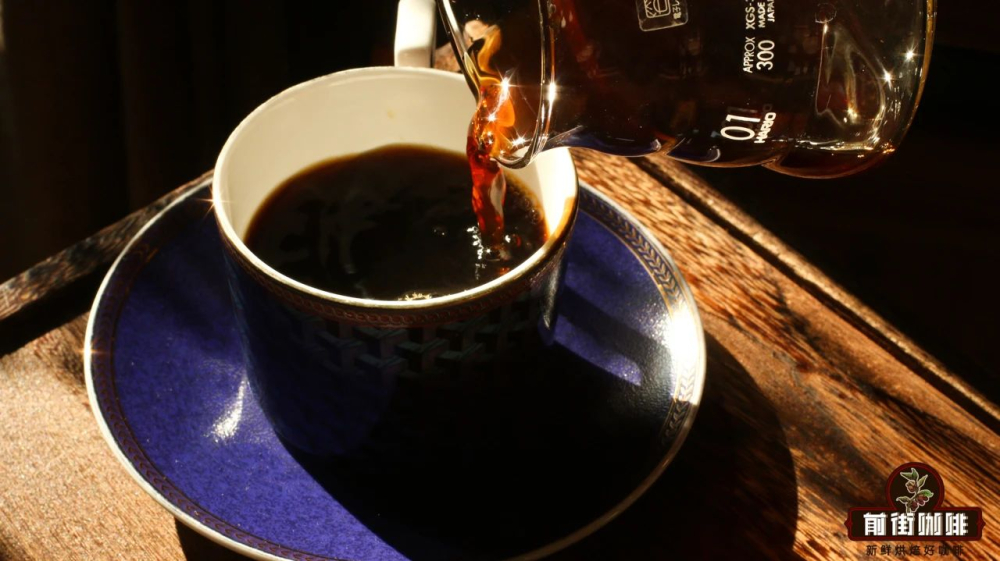
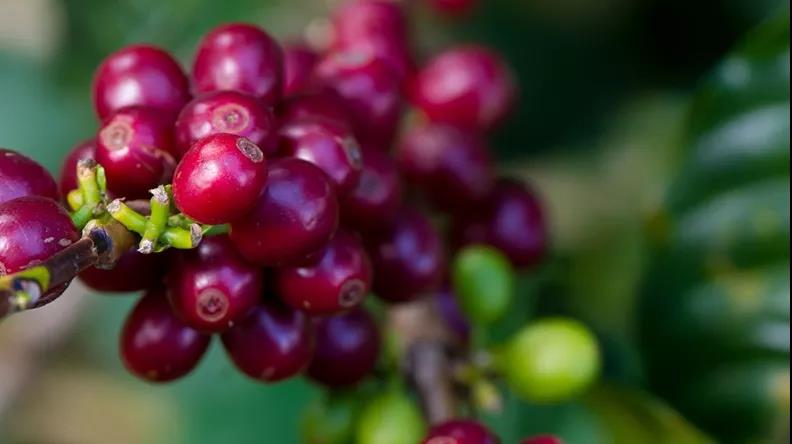
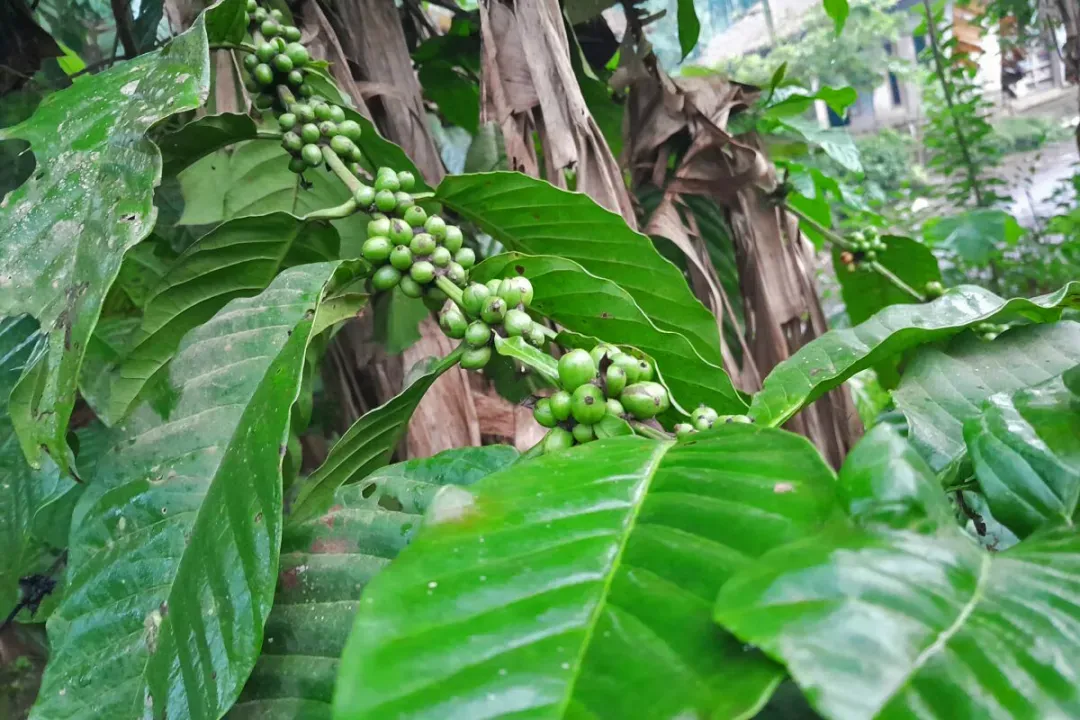
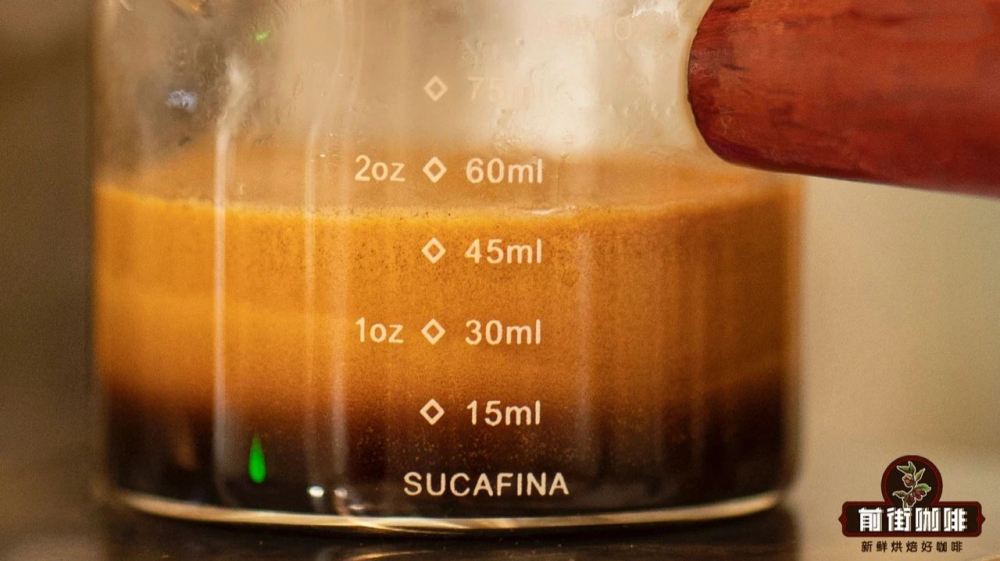
The resulting Robusta coffee may not be as clear as pour over, but it has a glossy surface and bold, rich flavor, offering a unique taste. While the siphon method is more complicated, it suits coffee enthusiasts who enjoy challenges and exploring different brewing techniques—especially those who want to experience professional-level extraction at home.
The above content is compiled by CoffeeHunters, a coffee news website.


