







Introduction:This article provides an in-depth comparison between two competition-grade Ethiopian coffee beans: one is a Natural Typica that ranked 22nd in the COE (Cup of Excellence) international competition, and the other is a Wild Variety that won the Washed Category of the TOH (Taste of Harvest) East African Harvest Season. We will analyze the differences between these two specialty coffees in terms of terroir, variety characteristics, processing methods, roasting profiles, and actual brewing performance. This comprehensive guide will help you choose the right bean based on your taste preferences and master professional-level brewing parameters.
As the birthplace of Arabica coffee, Ethiopia produces numerous high-quality beans that stand out in domestic and international competitions each year. Among them, COE (Cup of Excellence) and TOH (Taste of Harvest) are two highly representative international coffee quality competitions. The former is global in scope, while the latter focuses specifically on the East African region. The two top-tier coffees discussed in this article come from these two prestigious competitions—one is a Natural Typica from the West Arsi region of Sidamo that ranked 22nd in COE, and the other is a Wild Variety from the Uraga region that won the Washed Category of TOH.
Differences in COE and TOH Competition Backgrounds
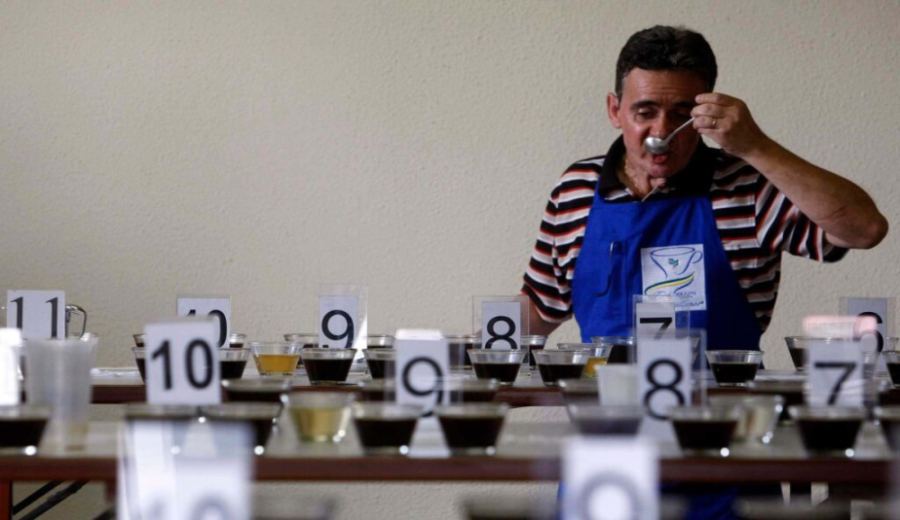
COE (Cup of Excellence) is a world-renowned specialty coffee competition with extremely strict evaluation standards. Only coffees that consistently achieve high scores in multiple rounds of blind tastings can ultimately win awards. Award-winning beans not only represent the pinnacle of coffee quality in their respective countries for that year but are also sold through public auctions, significantly boosting the farms’ international visibility and bean prices. On the other hand, TOH (Taste of Harvest) is a competition platform focused on the East African region, particularly on coffees produced during the harvest season. It covers 12 countries including Kenya, Ethiopia, and Uganda, and is often referred to as the “African version of COE.” In short, COE is an international, all-encompassing competition, while TOH specializes in showcasing seasonal flavor profiles from African producing regions.
Terroir Characteristics: West Arsi (Sidamo) vs Uraga
The West Arsi region of Sidamo is primarily cultivated by smallholder farmers, with an average farming area of about 2–3 hectares per household—while not large, this is more spacious than the 1.5–2 hectares commonly found in many other parts of Ethiopia. Local coffee farmers mostly rely on family labor to carefully select red cherries, reducing interference from hired labor and helping to maintain stable quality. Additionally, because fully ripe coffee cherries accumulate more sugars, this COE Natural Typica demonstrates particularly notable sweetness and body in cupping evaluations.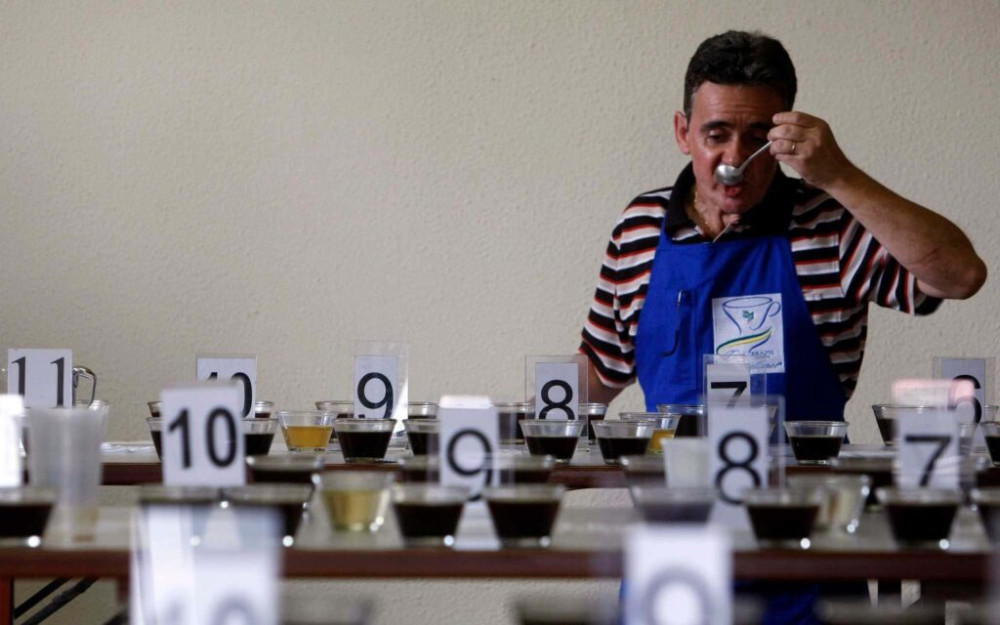
Uraga, on the other hand, belongs to the Guji region but is geographically closer to Yirgacheffe, with altitudes reaching up to 2,300 meters. Before Guji became an independent producing region, many Uraga coffees were often sold under the name Yirgacheffe. Nowadays, the region identifies production sources by village or cooperative, and it has won awards in the TOH competition multiple times. Its flavor profile often showcases the classic citrus notes and jasmine floral aromas typical of Yirgacheffe, delivering a refreshing and pleasant cup.
Varietal Differences: Typica vs Ethiopian Wild Varieties
The COE#22 Natural bean is of the Typica variety, one of the oldest Arabica varieties, characterized by bronze-tipped leaves and a slender, elongated bean shape. Although Typica has low yields and weak disease resistance, it offers an exceptionally clean and elegant flavor profile, serving as the foundation for many classic coffee flavors worldwide. In contrast, the TOH Washed Category Champion uses an Ethiopian Wild Variety. Due to the country’s high genetic diversity in coffee and the government’s efforts to protect these precious varieties, most are generically referred to as “Wild Varieties,” which also results in noticeable variations in bean size and appearance.
Processing Methods: Natural vs Washed
The COE Natural Typica undergoes carefully controlled natural processing. To avoid over-fermentation, the beans are manually turned every 30–60 minutes until the moisture content drops to 25%, which significantly increases costs but results in higher sweetness and a smoother mouthfeel. In contrast, the TOH Washed Category #01 uses the washed process, involving steps such as sorting, pulping, fermentation (18–36 hours), washing, and drying. This highlights the brightness of acidity and overall clarity of flavor, allowing the citrus and floral notes to shine more vividly.
Roasting Curve Settings
In terms of roasting, COE#22 was roasted using a Yangjia 800N semi-drum roaster. The charge temperature was 170°C, with a first crack development time of approximately 1 minute and 30 seconds, and a final drop temperature of 192.5°C. The roast profile emphasized sweetness and a rich, layered body.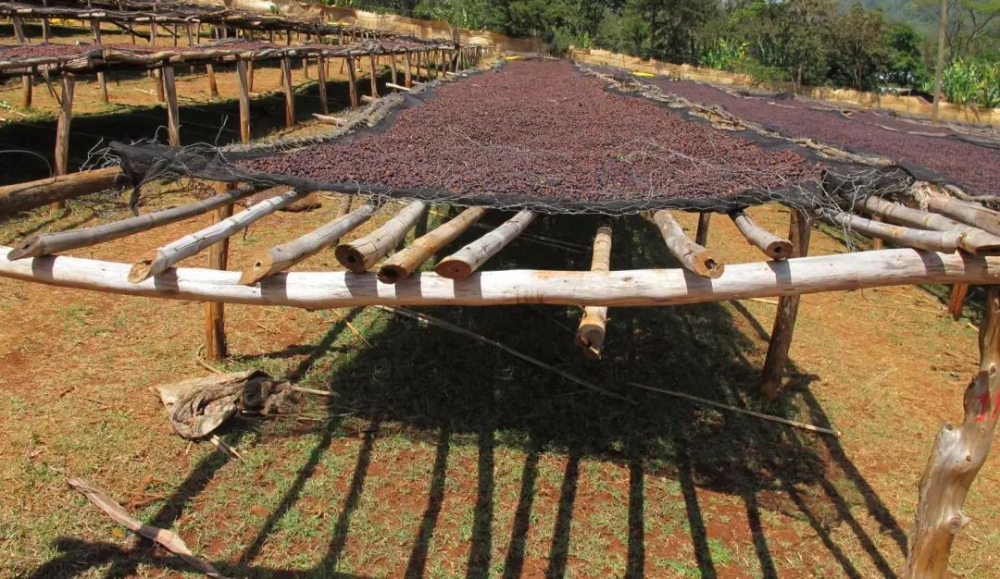 On the other hand, TOH Washed Category #01 was roasted at a slightly higher charge temperature of 180°C, with first crack beginning at 9'39", and a drop temperature of 193.2°C. This profile enhanced its fresh and bright tonalities, making it ideal for highlighting the clean characteristics of the washed process.
Cupping Flavor Profiles
The cupping profile of COE#22 is dominated by citrus, lychee, and honey, accompanied by notes of cream and wine, with a sweet and smooth aftertaste. In contrast, TOH Washed Category #01 presents a refreshing combination of jasmine, lemon, berries, and pomelo, paired with a honey-like finish, resulting in an overall brighter and crisper cup. The dry and wet aromas of the two beans reveal clear distinctions: the former features citrus and camellia notes, while the latter emits distinct floral and citrus tones.
Practical Brewing Recommendations
It is recommended to use a V60 #01 filter, with a coffee dose of 15g, a brew ratio of 1:15, a water temperature of 91°C, and a grind size of medium-fine (approximately 80% passing through a #20 sieve). For brewing, start with a 30-second bloom using 30g of water, then pour in a slow, circular motion to reach 125g for the first pour, followed by additional pouring to 225g to complete the brew. Total extraction time is around 2 minutes. This method brings out the best flavor profiles of both beans: the COE Natural Typica offers sweet-and-sour notes of strawberry and lychee, along with a creamy, silky mouthfeel; the TOH Washed Category highlights citrus acidity, jasmine aroma, and a mid-palate layer of pomelo tea.
In summary, if you prefer a clean, bright, and high-acid coffee, TOH Washed Category #01 is the ideal choice; if you favor a rich, sweet, and layered cup, the COE#22 Natural Typica is definitely worth trying. Through this in-depth analysis, we hope you gain a better understanding of these two competition-grade beans from Ethiopia’s top-producing regions, enabling you to make more informed decisions in future purchases and brewing.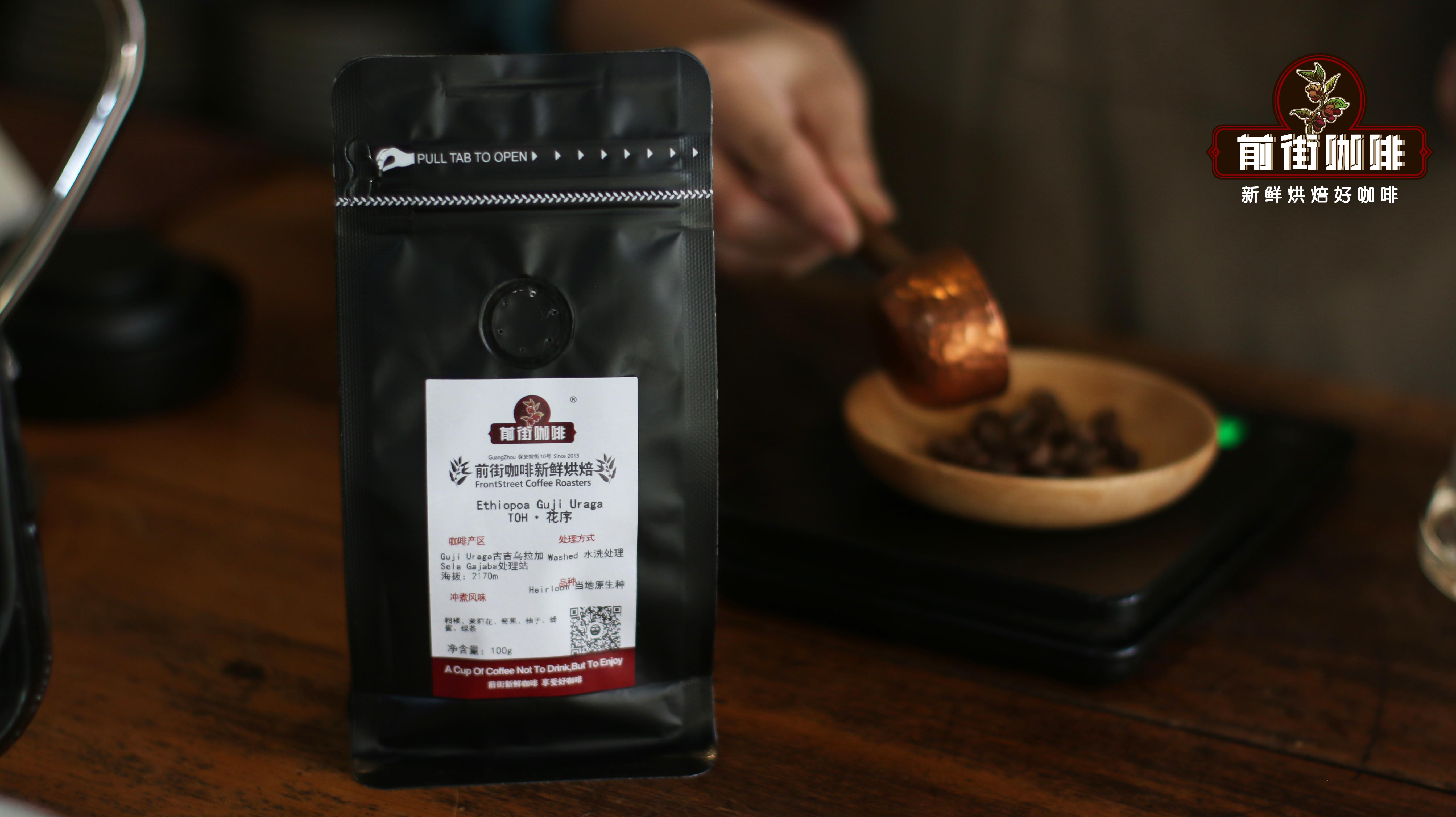
The above content is compiled by CoffeeHunters, a coffee news website.


