







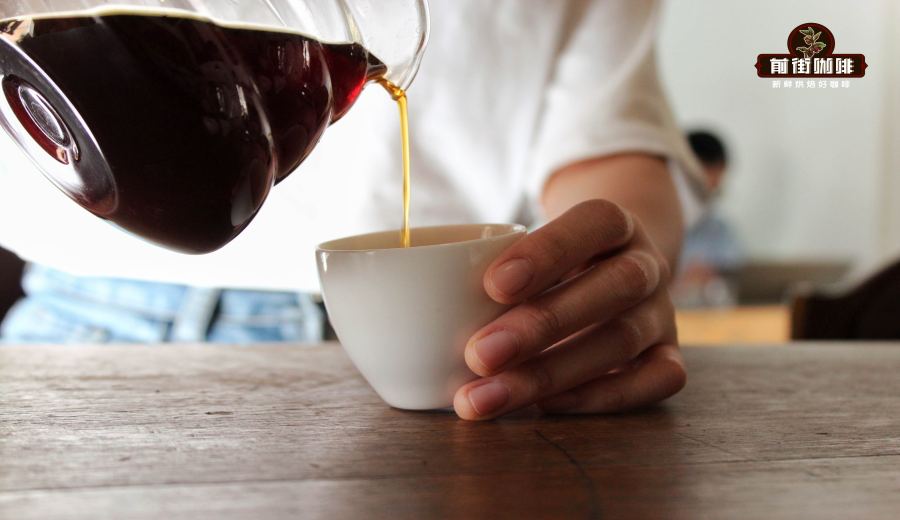
Introduction:Yirgacheffe is the go-to choice for many when starting their journey into specialty coffee. However, its bright acidity and floral-fruity aromas often make it challenging for beginners to replicate at home using pour over methods. This article will delve into the flavor characteristics of medium-light roasted Yirgacheffe, introduce the ideal water temperature, grind size, and coffee-to-water ratio, and provide a detailed, step-by-step guide to the practical three-stage pouring technique along with water distribution. This will help you adjust your brewing approach to achieve the best extraction for Yirgacheffe, highlighting citrus, berry notes, and a sweet lingering finish.
Renowned for its fresh and delicate floral-fruit aromas, Yirgacheffe has become an entry-level favorite for many exploring specialty coffee. Whether brewed via pour over or cold drip, this Ethiopian coffee bean showcases unique citrus and lemon notes paired with a soft tea-like body, leaving a lasting impression. However, many enthusiasts find that when brewing at home, the acidity lacks brightness and the aroma doesn’t quite match the richness achieved in cafés. So, what’s going wrong?
In fact, brewing the ideal cup of Yirgacheffe hinges on understanding that it is a medium-light roasted bean variety and adjusting the extraction parameters and techniques accordingly. Below, we’ll start by discussing roast level and processing methods, then guide you through a practical pour over method—including the recommended use of a V60 filter, water temperature settings, coffee-to-water ratio, and precise three-stage pouring techniques—to help you brew a classic Yirgacheffe with bright acidity, vibrant fruitiness, and a sweet aftertaste.
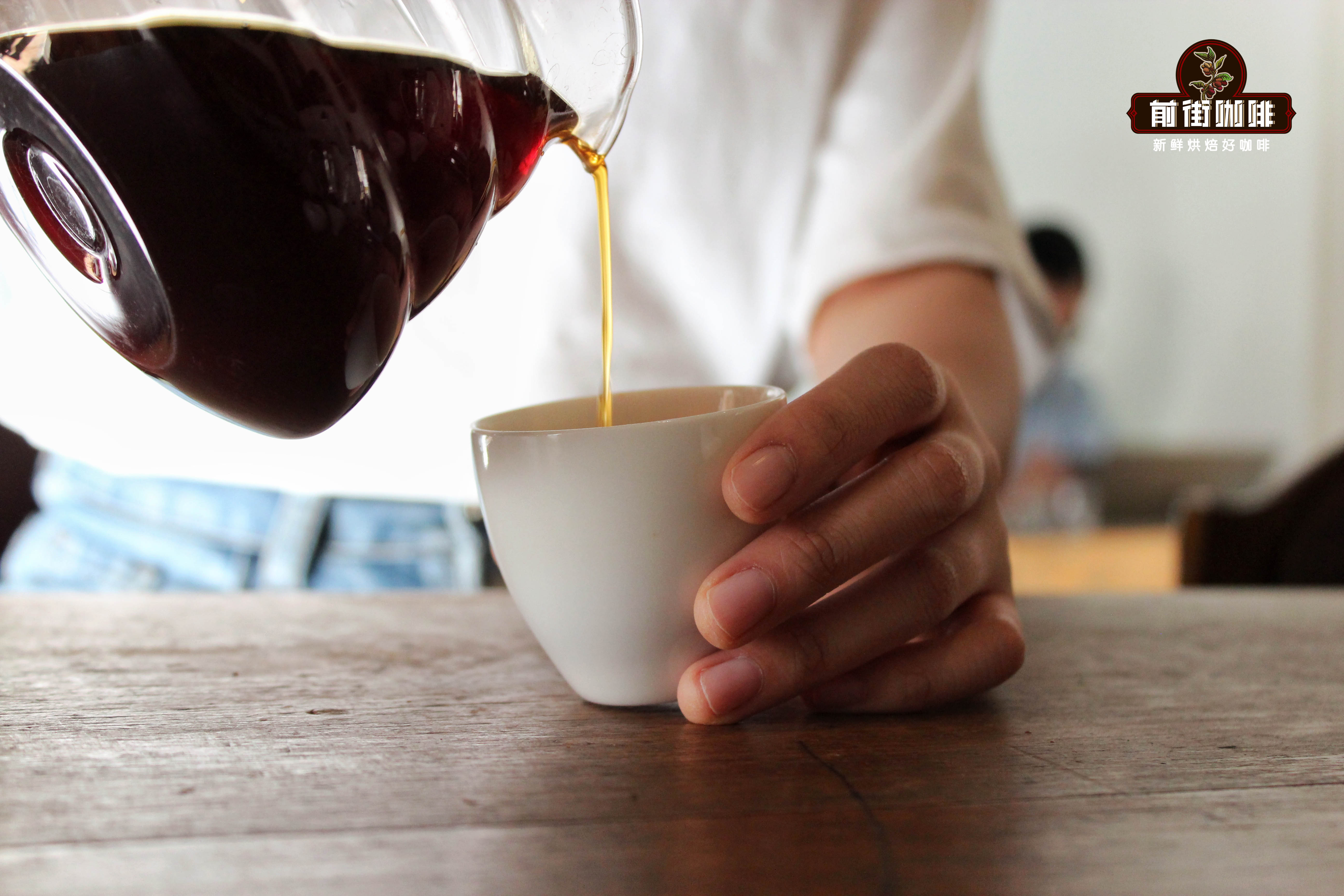
The reason Yirgacheffe is so widely loved lies in its bright and delicate floral-fruit profile. Whether it's citrus, lemon, or berry notes, these flavors can be expressed vividly during the pour over process, making it highly suitable for pour over or cold drip brewing. However, many beginner coffee drinkers report that no matter how they try, they can’t replicate the distinct layers and bright acidity they enjoy in cafés. To address this, we need to start by understanding the roast level and processing methods.
First, Yirgacheffe generally falls within the medium-light roast range. Medium-light roasting refers to a process where beans are not roasted too dark, thus preserving more of their inherent flavors and acidity. Yirgacheffe is commonly medium-light roasted precisely because this roast level highlights its distinctive citrus, lemon, and berry acidity, as well as its delicate floral and tea-like qualities—these are the sources of its captivating flavor.
When discussing the flavor profile of Yirgacheffe, we must also consider its regional characteristics and processing methods. As one of the birthplaces of coffee, Ethiopia has long used traditional sun-drying methods to process coffee beans. However, since sun-drying is relatively uncontrolled, it can negatively affect the coffee’s cleanliness and flavor expression. It wasn’t until 1972, when washed processing techniques from Central and South America were introduced, that coffee quality saw a significant improvement.
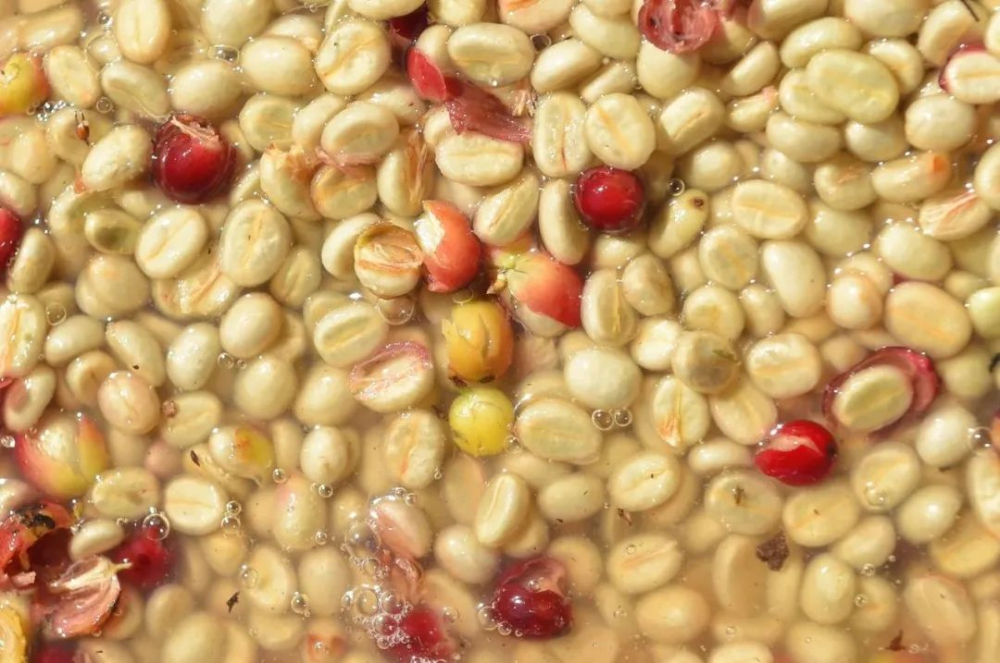
Washed processing is a method that removes the outer fruit flesh and impurities from coffee beans through water flow and fermentation. This process requires a continuous supply of fresh water and relies on friction and washing in fermentation tanks to make the beans smoother and cleaner. Compared to sun-drying, washed processing significantly reduces the percentage of defective beans, resulting in clearer aromas and a crisper mouthfeel—this allows the citrus and lemon notes of Yirgacheffe to be presented more fully.
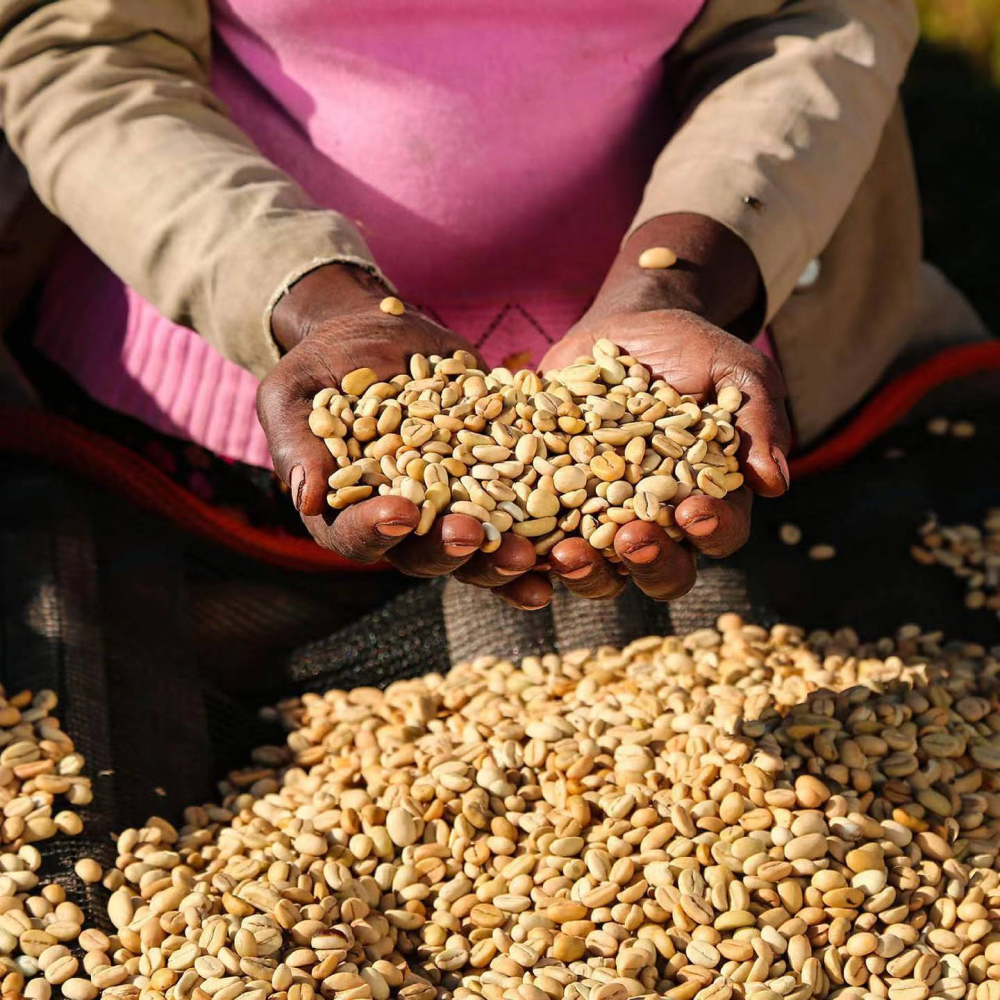
In the past, most of the coffee we drank was heavily roasted, characterized by intense bitterness and flavors of nuts and dark chocolate. But Yirgacheffe beans are naturally small in size; if heavily roasted, they not only risk uneven heating but may also become scorched, which would mask their delicate fruit acidity and floral-fruit aromas. Therefore, roasters often opt for medium-light roasting. This not only enhances brightness in acidity but also brings out distinctive fruity flavors, which is one of the reasons it enjoys global popularity.
To achieve the classic flavor profile of Yirgacheffe, it is recommended to use a medium-light roasted bean, such as those from the washed-process Guji Dingding Cooperative. For actual pour over brewing, it is advised to use a V60 filter, set the water temperature between 92–93°C, use 15 grams of coffee, maintain a 1:15 coffee-to-water ratio, and employ a medium-fine grind (approximately 78% extraction through a #20 sieve). This combination helps fully extract the floral-fruit characteristics and clean mouthfeel of Yirgacheffe.
Why use a V60 filter? Its spiral ridge design effectively facilitates the release of gases from the coffee grounds, helping aromatic compounds—especially acidic ones—release and dissolve more smoothly, further accentuating the fresh expression of citrus and lemon notes. In addition, setting the water temperature between 92–93°C allows the delicate aromas and fruity acidity of high-altitude beans to be fully expressed without over-extraction. If the grind is too coarse, it may lead to under-extraction and a thin-tasting cup; if too fine, over-extraction at high temperatures can result in bitterness and astringency.
For the pouring method, the three-stage technique is recommended, as it helps release different layers of flavor compounds in stages. For example, if using 15 grams of coffee, based on a 1:15 ratio, the total water volume is 225 milliliters. This can be divided into three pours: the first 30 milliliters for a 30-second bloom, the second pour of 95 milliliters, and the third pour of 100 milliliters. This staged design allows the coffee grounds to gradually heat up, releasing more complex aromas and layers.
Specifically, begin by wetting the filter paper and attaching it to the V60, then add 15 grams of medium-fine ground coffee, gently shake it level, and start timing. The first pour is 30 grams of water, using a small stream to circle from the center outward to ensure even saturation of the coffee bed for approximately 30 seconds. Next, the second pour involves steadily adding 95 grams of water with a slightly larger stream, keeping the water column vertical and even, completing this stage around the 55-second mark, bringing the total water to 125 grams. Finally, when the liquid level drops halfway, use a small stream to pour the last 100 grams of water in small circles, being careful to control the water flow to avoid disrupting the coffee bed. The total dripping time should be about 2 minutes.
The volume and speed of each pour can be slightly adjusted based on personal feel and the condition of the beans. The advantage of the three-stage pour is that it extends the contact time between coffee grounds and water while avoiding over-extraction in any single phase, helping to balance flavor and mouthfeel. With this extraction strategy, the final cup of Yirgacheffe will showcase bright lemon, citrus, and green tea notes. As the temperature cools, it gradually reveals sweet undertones of berries, cream, and sugarcane. The overall mouthfeel is clean and refreshing, with a pronounced aftertaste.
In summary, the key to brewing Yirgacheffe via pour over lies in understanding its medium-light roast characteristics, selecting the appropriate filter, water temperature, grind size, and coffee-to-water ratio, and employing the three-stage pouring technique to gradually draw out various flavor compounds. By mastering these basic principles, both beginners and experienced brewers can prepare a cup of Yirgacheffe with distinct flavors and rich layers at home.
The above content is compiled by CoffeeHunters, a coffee news website.


