







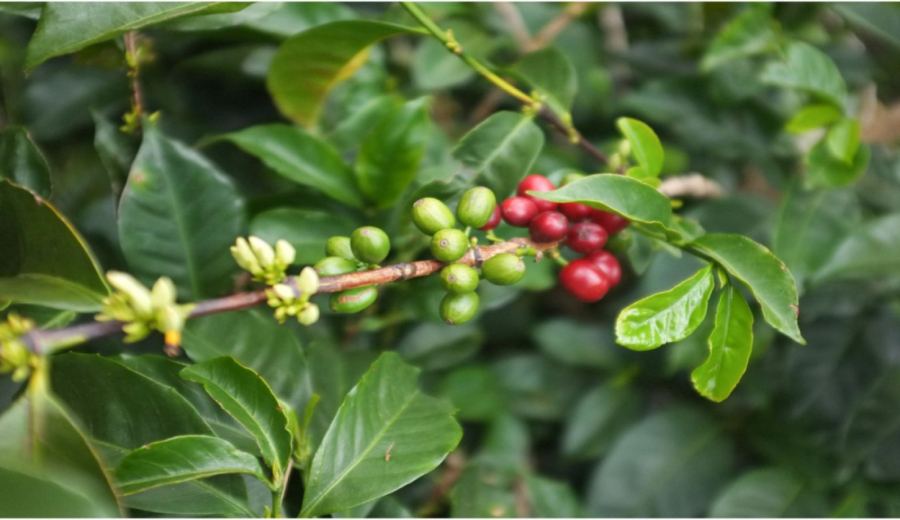
Introduction:Delve into the historical roots and varietal characteristics of Yunnan Typica coffee — from the first seeds planted by French missionaries in Zhukula Village in 1892 to the high-quality cultivation in the Baoshan growing region today. Learn how this ancient Arabica variety showcases unique fruity notes and a delicate flavor profile. This article also provides practical brewing tips to help coffee enthusiasts enjoy a classic cup at home.
Typica, one of the most historic Arabica varieties alongside Bourbon, is renowned for its elegant fruitiness and slender, pointed bean shape. However, this variety also has notable weaknesses, including relatively low resistance to leaf rust and limited yield per plant. In Yunnan, Typica grown in the Baoshan region stands out for its exceptional quality, making it an ideal choice for those seeking classic coffee flavors.
To trace the origins of coffee in Yunnan, we must go back to 1892. At that time, a French missionary, aiming to meet his own coffee needs, chose to plant the first batch of Typica coffee seeds in the moderately elevated Zhukula Village, thus beginning the bond between this plateau land and coffee. It’s worth mentioning that the village still retains many coffee trees over eighty years old, witnessing Yunnan’s long history of coffee cultivation.
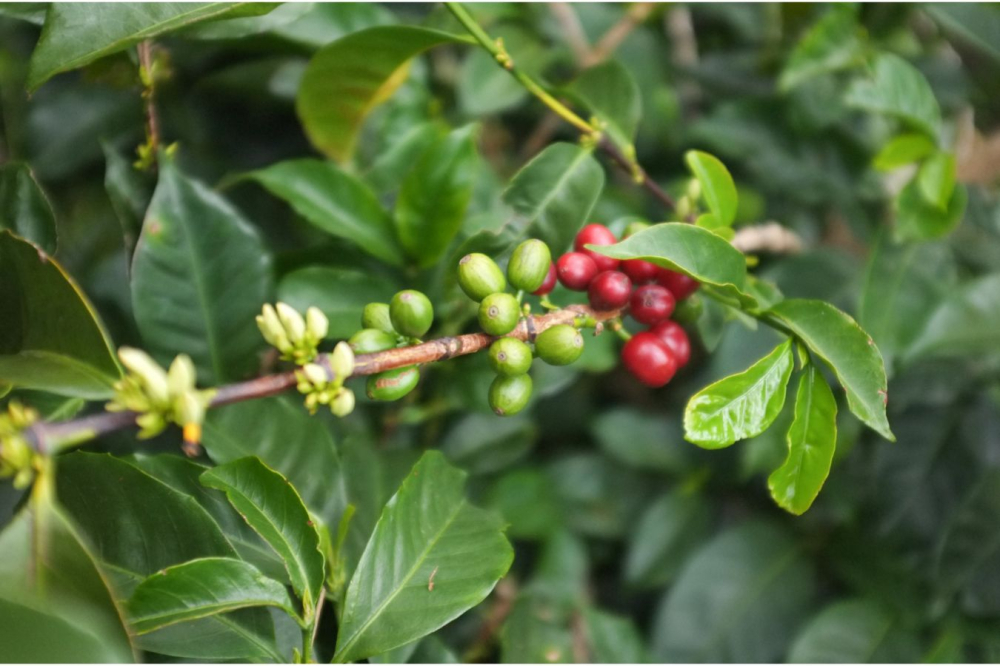
The small coffee beans grown in Yunnan typically thrive in dry-hot valley areas at elevations of around 1,100 meters. This altitude is crucial to the formation of the coffee's flavor: too high can lead to overly pronounced acidity, while too low may result in dominant bitterness. The environment around 1,100 meters, with mild climate and moderate rainfall, creates Yunnan coffee’s signature balance of sweet and sour notes, rich aroma, and full-bodied mouthfeel.
The Typica variety has distinct physical characteristics: its branches grow upward, and the new top young leaves often exhibit a coppery sheen, which is one of the key identifiers of the variety. Additionally, Typica coffee beans are slender with pointed ends on both sides — this “slim pointed” shape is another identifying trait. Although it delivers nuanced fruitiness and an elegant flavor profile, growers need to be mindful of its susceptibility to leaf rust and relatively low yield.
If you’d like to personally experience the classic flavors of Yunnan Typica, try beans processed with the natural (sun-dried) method and medium roast level. This processing approach often highlights tasting notes such as dried apricot-like acidity, soft nuttiness, and natural brown sugar sweetness, with a tea-like finish that lingers delightfully. Such flavor profiles are particularly well-suited for brewing methods like pour over, cold brew, clever dripper, or drip bags, showcasing its delicate and balanced nature.
For practical brewing suggestions, it is recommended to use a medium-fine grind (similar to granulated sugar), with water temperature controlled between 90–93°C, and a coffee-to-water ratio of 1:15 to 1:16. When using pour over, a three-stage pouring method is advisable, with total extraction time ideally between 2 minutes 30 seconds and 3 minutes. This helps fully draw out the fruitiness and sweet layers of Typica beans, while avoiding over-extraction that could lead to astringency.
In summary, Yunnan Typica not only carries a century-long history of coffee cultivation but also demonstrates its unique regional flavor in the modern coffee market. Whether you are a reader interested in coffee history or a enthusiast seeking fresh pour over experiences, you can discover a distinctive coffee journey through this variety.
The above content is compiled by CoffeeHunters, a coffee news website.


