







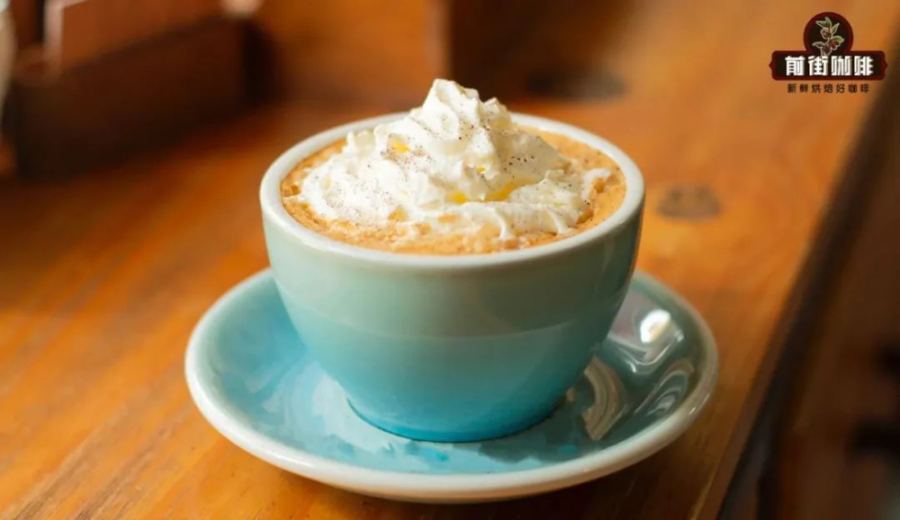
Introduction:How did cream coffee, which originated in 17th-century Austria, evolve into today’s diverse Viennese styles and viral specialty drinks? This article delves into the history of cream coffee, breaks down the classic preparation methods of traditional Viennese coffee and espresso con panna, and guides you through making a popular layered cream cocktail trending on social media — suitable for both coffee beginners and aficionados to recreate at home.
Blending silky cream with rich coffee, this combination dates back to 17th-century Vienna, Austria. From the earliest versions of cream coffee at Vienna’s original blue bottle cafés, to later evolutions like cappuccino and espresso con panna, and even today’s trendy Viennese coffee, this fusion has endured for centuries and remains a highlight in many cafés and social platforms. This article will take you through the evolution of cream coffee and detail the preparation of both classic and modern versions, giving you a comprehensive understanding from history to hands-on practice.
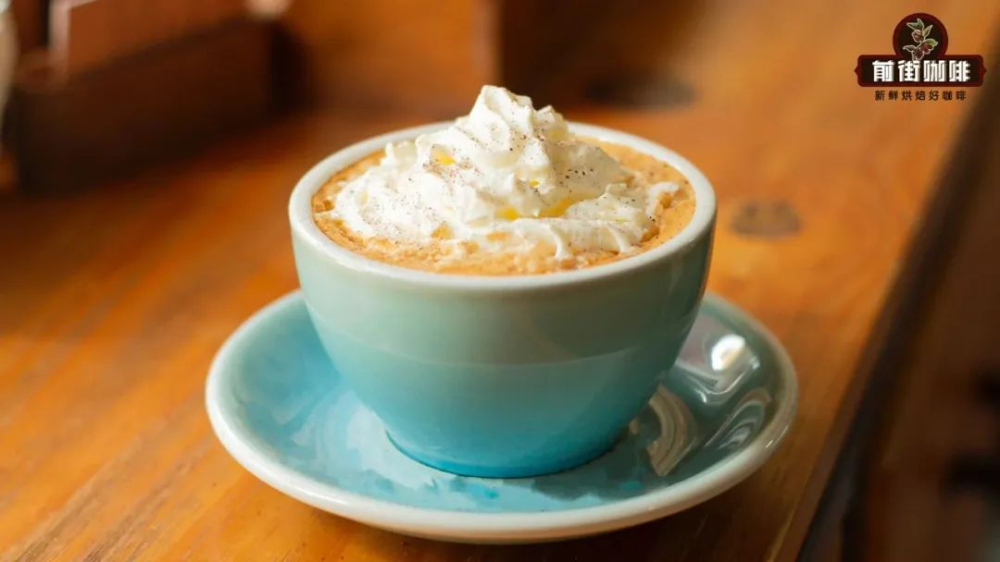
Why does cream pair so well with coffee? The key lies in its delicate texture and rich mouthfeel. Eaten alone, it may seem a bit greasy, but when combined with coffee, it not only softens bitterness but also adds a velvety finish, enhancing the overall flavor profile. In the professional coffee world, “cream” is not only used to describe the texture of a drink but also often serves as a flavoring or garnishing element — an important source of inspiration for creative coffee beverages.
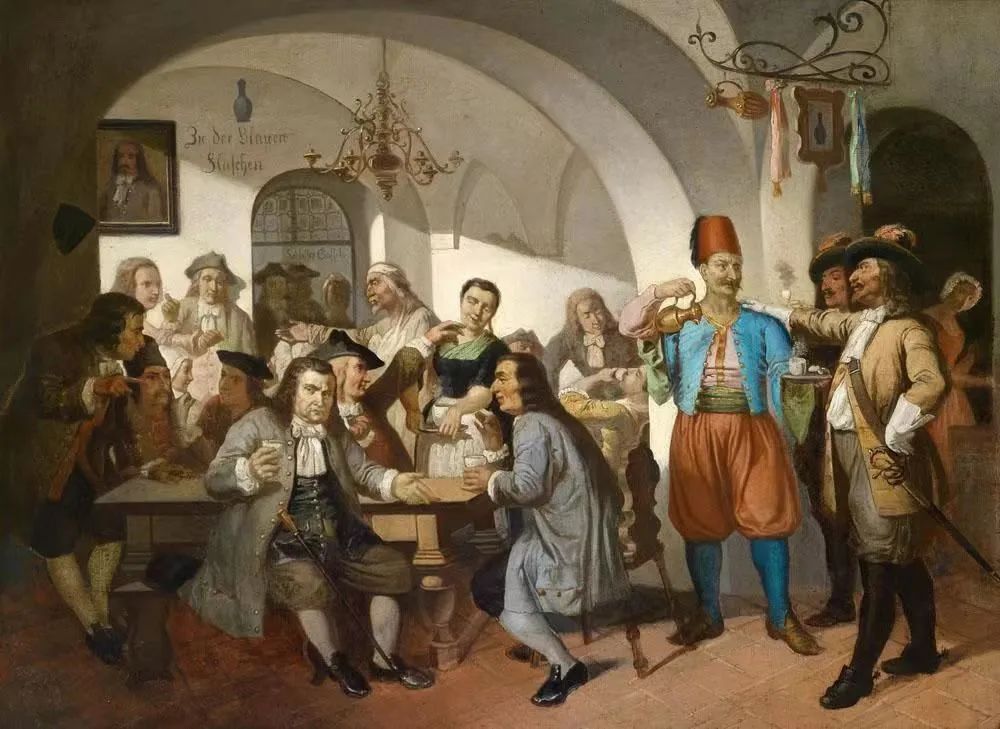
To explore the connection between cream and coffee, we must revisit the early history of Vienna, Austria. Historical records indicate that in 1684, Polish officer Jerzy Franciszek Kulczycki, rewarded for his role in defending the city, was given a large supply of coffee beans left behind by the Turks. He subsequently opened Vienna’s first blue bottle café, initially brewing coffee in the Turkish style. However, its overly strong flavor and gritty texture didn’t appeal to locals. So he began filtering the grounds with a cloth bag and added cream, honey, and spices, creating the beloved “original cream coffee.”
At the time, this coffee was often served in small glass cups. Due to its reddish-brown hue after mixing — resembling the color of the Capuchin friars’ robes — it was called “Kapuziner,” or “Capuchin” in Chinese. This name later made its way to Italy, and with the rise of espresso technology, Italians replaced cream with whipped fresh milk and used espresso as the base, developing today’s famous Cappuccino. This shows that the modern cappuccino actually evolved from the ancient cream coffee.
Although cream coffee has since developed many variations, the original version still exists under different names, such as Viennese Coffee and Espresso Con Panna. These classic drinks not only preserve the timeless dialogue between cream and coffee but also showcase the deep heritage of European coffee culture.
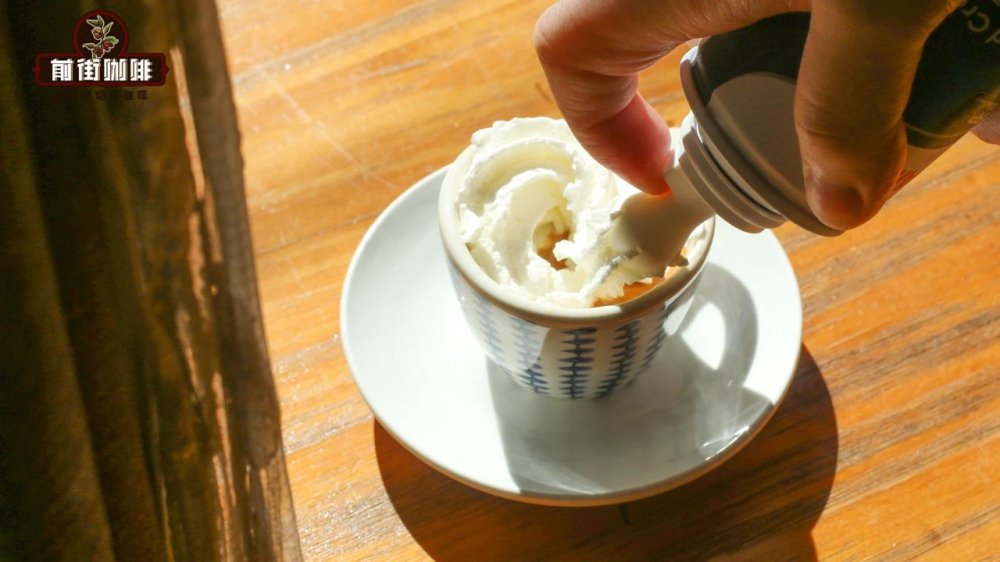
The traditional method for making espresso con panna is extremely simple: just top a freshly brewed shot of espresso with about two to three spins of whipped fresh cream. This coffee emphasizes not stirring, allowing the drinker to experience the intense coffee at the bottom and the fluffy, marshmallow-like cream on top — distinct layers. However, due to its overall bold flavor, it’s better suited for coffee lovers who prefer stronger tastes.
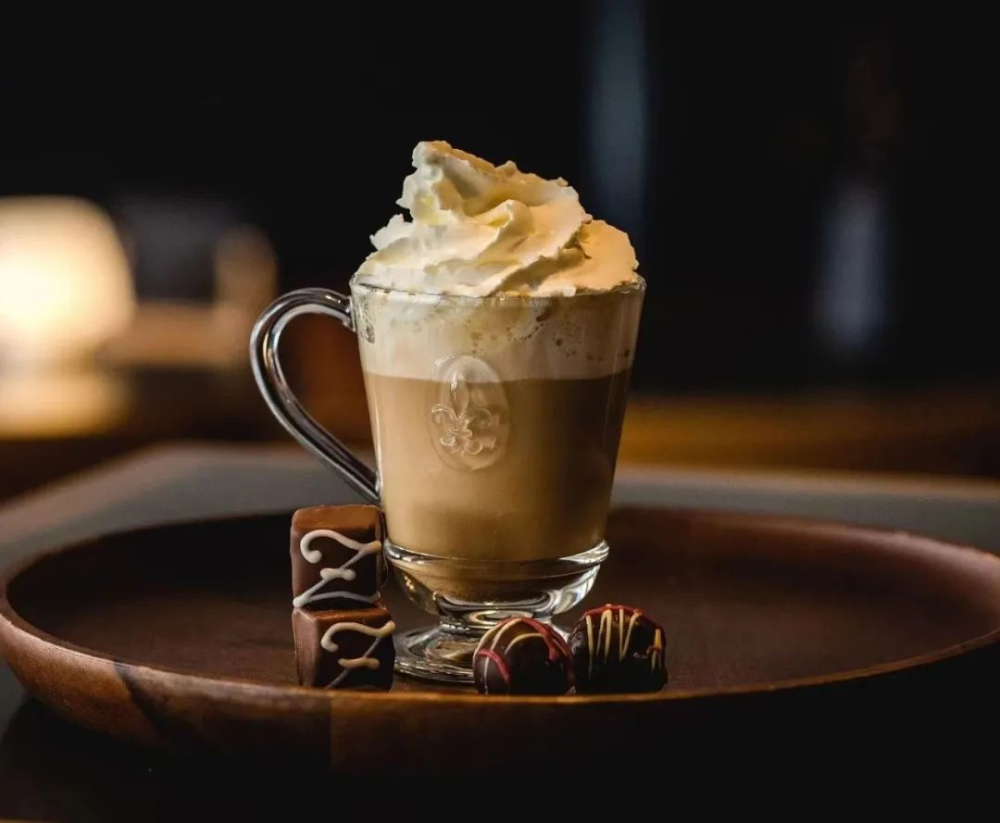
Another more iconic drink, Viennese coffee, was designed to provide warmth and energy for drivers on cold nights. In addition to espresso and cream, this coffee typically includes sugar, cinnamon powder, or chocolate shavings, enhancing both flavor and satiety. For preparation, it’s recommended to use a tall glass with handles, starting with about one teaspoon of white sugar, then adding half the cup’s capacity of espresso, followed by a layer of fluffy whipped fresh cream, and finally sprinkling preferred spices or cookie crumbs — resulting in a comforting winter specialty that warms both stomach and soul.
In the modern era, cream coffee takes on even more diverse forms, with many creative bartenders and baristas launching visually and flavorfully striking viral versions. For example, Starbucks’ secret menu item “Iced Americano with Whipped Cream” combines ice, espresso, and light cream — using contrasts in temperature and texture to create a dramatic, layered visual effect. As you drink, the cream slowly sinks and blends with the coffee, delivering a rich and surprising flavor profile.
Korean cafés have also introduced a highly popular social media item: “Viennese-style coffee,” characterized by whipping the cream to a yogurt-like thickness and layering it into the coffee to create a cake-like visual and textural experience. This coffee is not only eye-catching but also perfect for photos, making it a top choice for coffee enthusiasts seeking the perfect shareable drink.
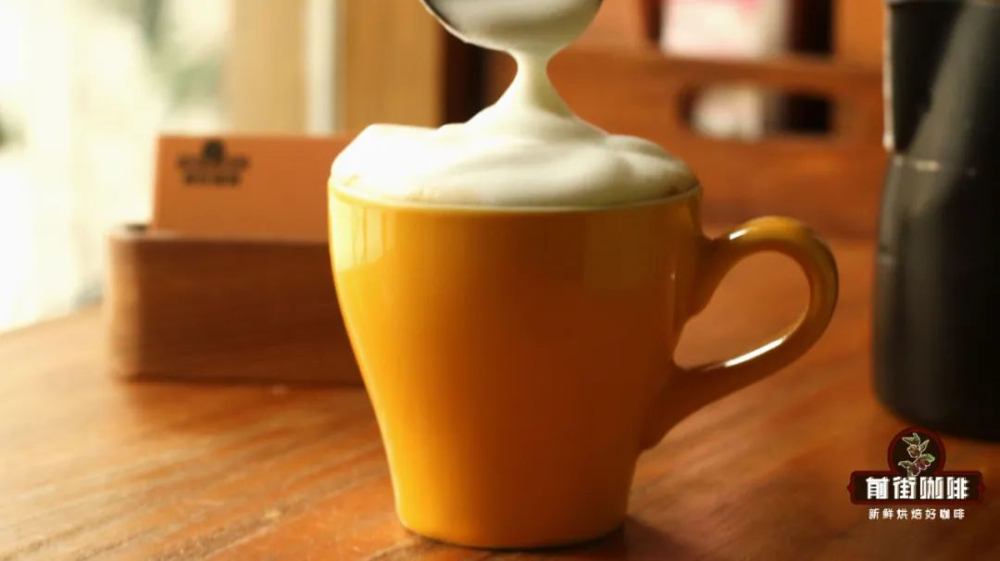
Want to recreate this viral Viennese coffee at home? Prepare the following ingredients: light cream, vanilla syrup, espresso, milk, and ice cubes. First, pour 80 grams of light cream into a container, add 15 grams of vanilla-flavored syrup, then whip until it reaches a semi-solid, yogurt-like state — slightly peaked on the surface but not collapsing. Next, place about 50 grams of ice cubes in a cup, pour in milk to about two-thirds full, add a layer of the freshly whipped vanilla cream, then drizzle a double-shot of espresso. Finally, use a spoon to scoop 1–3 dollops of cream to dot the surface of the coffee, and sprinkle cocoa powder to taste — your modern viral Viennese coffee is now complete.
The above content is compiled by CoffeeHunters, a coffee news website.


