







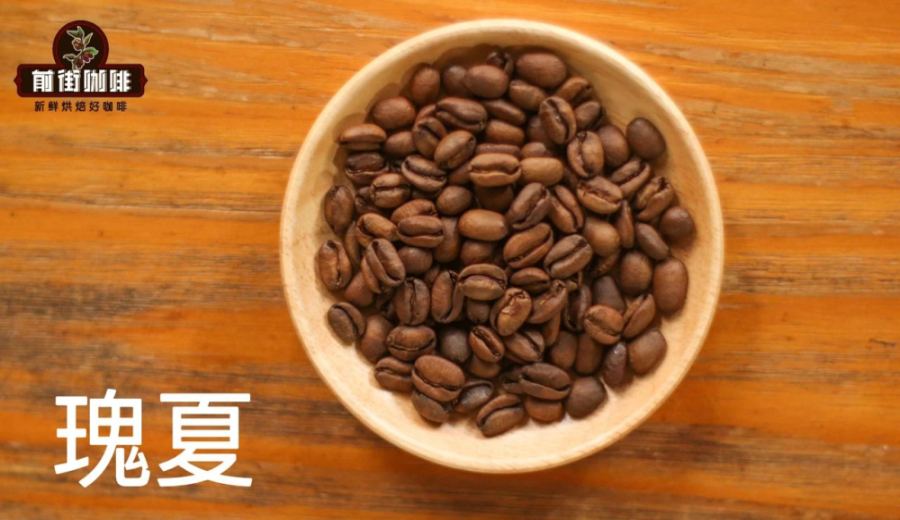
Introduction:Geisha coffee is renowned for its distinctive floral aroma and bright fruity acidity, but its high price often deters coffee enthusiasts. This article delves into the differences between the Panama Esmeralda Estate Red Label, Green Label, and Geisha from the Boquete region, covering price ranges, roasting and brewing recommendations, and explaining why the Panamanian region can bring out the ultimate expression of Geisha. Whether you're new to specialty coffee or looking for a high-value everyday bean, this guide will help you make an informed choice.
In the world of specialty coffee, Geisha is undoubtedly one of the most celebrated varieties. It is known for its delicate floral notes, vibrant fruit acidity, and rich complexity, with Panama’s Esmeralda Estate Geisha being the most famous. However, such exceptional flavors often come with a hefty price tag, leaving many coffee lovers both drawn to it and hesitant. This article will start with the origins of Geisha, analyze the performance differences across various regions and processing methods, and provide detailed price references and pour over recommendations to give you a more comprehensive understanding of this "champion of the coffee world."
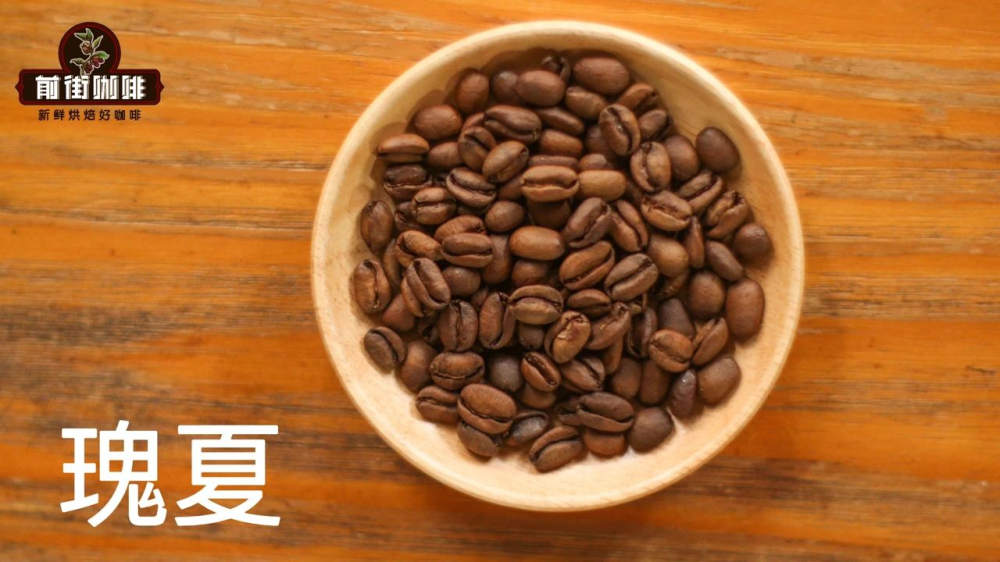
Geisha did not originally come from Panama, but rather is an ancient variety from Ethiopia. In 1996, during a downturn in the coffee market, several coffee farms in Panama’s Boquete region jointly established the Panama Specialty Coffee Association (SCAP) to promote high-quality local coffees. By 2004, the first "Best of Panama (BOP)" auction event was held, where Geisha first made its debut and quickly became the focus of global specialty coffee enthusiasts.
Geisha has very high requirements for its growing environment, with ideal conditions including high altitude (typically above 1600 meters), cloud cover and shade, fertile and well-drained soil. These factors together create its unique flavor profile: bursting with berry, citrus, peach, mango, and other fruit notes, often accompanied by a subtle bergamot finish, with bright and clean acidity and pronounced sweetness. Among these, Panama’s microclimate is particularly well-suited for Geisha to reach its full potential, making its performance far superior to other regions.
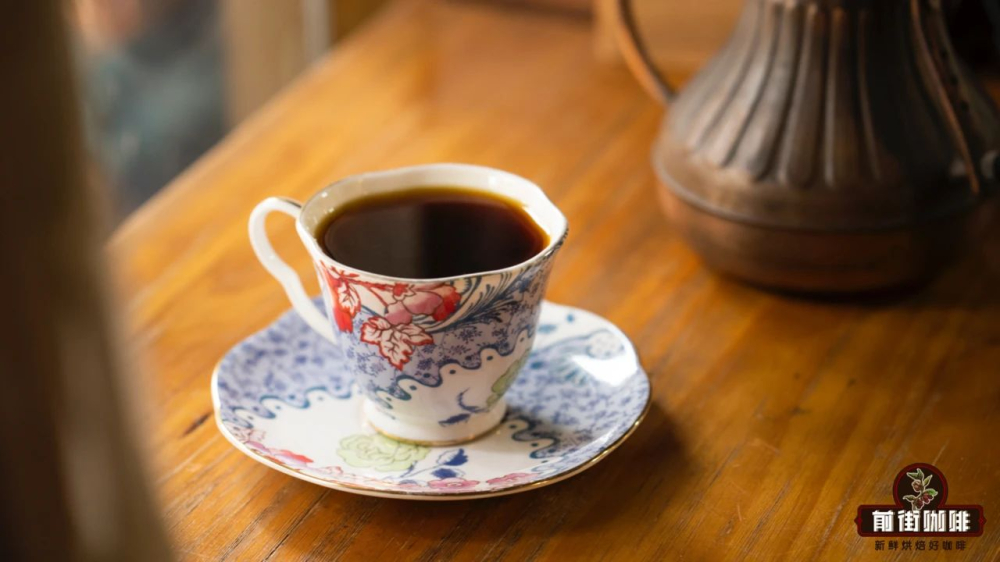
The prices of Geisha on the market vary greatly. Generally speaking, a cup of Geisha pour over can cost up to $18 (about NTD 540 or RMB 120 or more). Among them, Panama Esmeralda Estate's auction-grade Geisha is especially pricey, with its common natural Red Label typically priced between NTD 300 and 500 per 100 grams, while the washed Green Label is relatively more affordable, at around NTD 160 to 180. Non-auction Geisha from the Boquete region can be as low as around NTD 98 per 100 grams, making it a good everyday drinking option.
As a representative origin of Geisha coffee, the Esmeralda Estate offers Red Label, Green Label, and the now-discontinued Blue Label series. Among them,Red Label (Esmeralda Special)is the auction-grade Geisha, selected only from lots that score over 90 in cupping and come from specific high-altitude micro-lots. It is processed using the natural method, with flavors dominated by rose, strawberry, black tea, and berries, offering a rich and layered taste. The suggested retail price is about NTD 350 / 100 grams, making it suitable for tasting or special occasions.
Green Label (Private Collection)is a blend of Geisha from multiple micro-lots, processed using the washed method. Its flavors are fresher and crisper, featuring jasmine, citrus, honey, and light fruity acidity, making it ideal for those who prefer a bright acidity. The price is around NTD 168 / 100 grams and is a popular everyday choice among Geisha enthusiasts. Please note that the Blue Label series was discontinued in 2021 and no new batches are currently available.
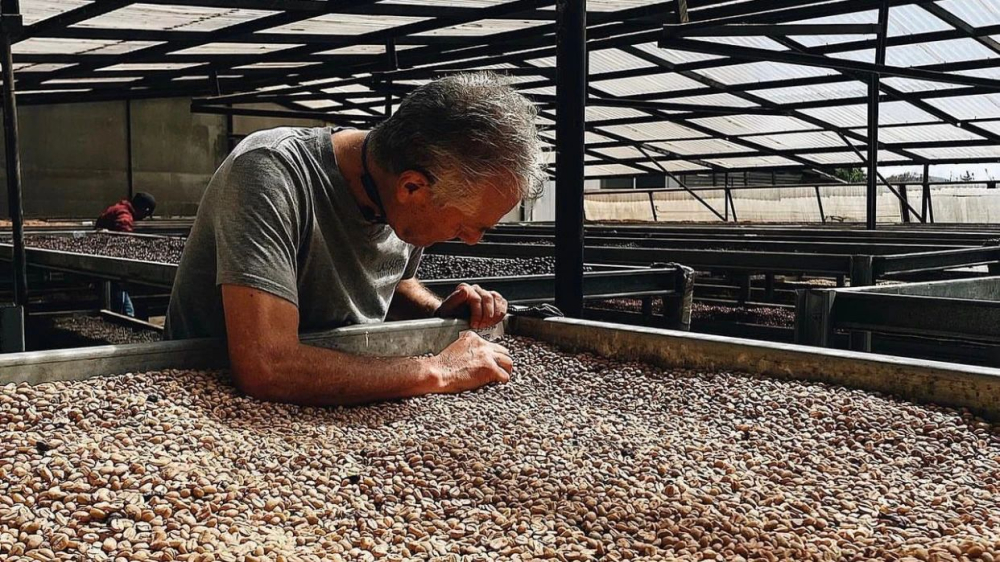
If you want to experience the flavor of Geisha on a more budget-friendly basis, consider other farms from the Boquete region, such as Elida Estate or Catuai Duncan. The washed Geisha produced in these regions is priced between NTD 98 and 120 per 100 grams, and also features clear citrus and bergamot acidity, paired with soft honey and green tea finishes, making it suitable for daily drinking.
In terms of roasting and brewing, to highlight the delicate flavors of Geisha, it is recommended to uselight to light-medium roastto preserve more floral and acidic notes. Practical experience from one coffee brand suggests using a Hario V60 dripper with a water temperature of 91°C, a 1:15 coffee-to-water ratio (15 grams of coffee to 225 ml of water), and a medium-fine grind with 80% passing through a Chinese No. 20 sieve, which helps balance the extraction of flavor and body.
Specificpour over recommendationsare as follows:
- Dripper: Hario V60
- Water temperature: 91°C
- Coffee amount: 15 grams
- Coffee-to-water ratio: 1:15
- Grind size: 80% passing through a Chinese standard No. 20 sieve (approximately medium-fine grind)
Red Label Geishafeatures bright notes of rose, citrus, berries, and black tea, with a juicy mouthfeel and a berry-sweet aftertaste;Green Label Geishashowcases jasmine floral notes, citrus, creamy texture, and a green tea finish, offering an overall refreshing and layered profile;Boquete washed Geishahighlights fresh lemon and bergamot acidity, paired with a creamy smooth mouthfeel and honey-like sweetness, suitable for those who enjoy clean acidity.
Additionally, the freshness of the coffee beans greatly impacts the flavor. It is recommended to choose beans roasted within 5 days, let them rest for 4–7 days at home to degas before brewing, which will yield the best flavor. If you opt for pre-ground coffee, consume it as soon as possible to avoid oxidation affecting the aroma and taste.
In summary, the charm of Geisha coffee lies not only in its premium price but also in its ability to showcase an exceptionally delicate and diverse flavor spectrum. Whether you’re pursuing the top-tier tasting experience of the Red Label or seeking everyday enjoyment with the Green Label and Boquete options, you can appreciate the unique qualities of this variety. If you’re new to specialty coffee, consider starting with Panamanian washed Geisha and gradually exploring the endless possibilities of this champion variety.
The above content is compiled by CoffeeHunters, a coffee news website.


