







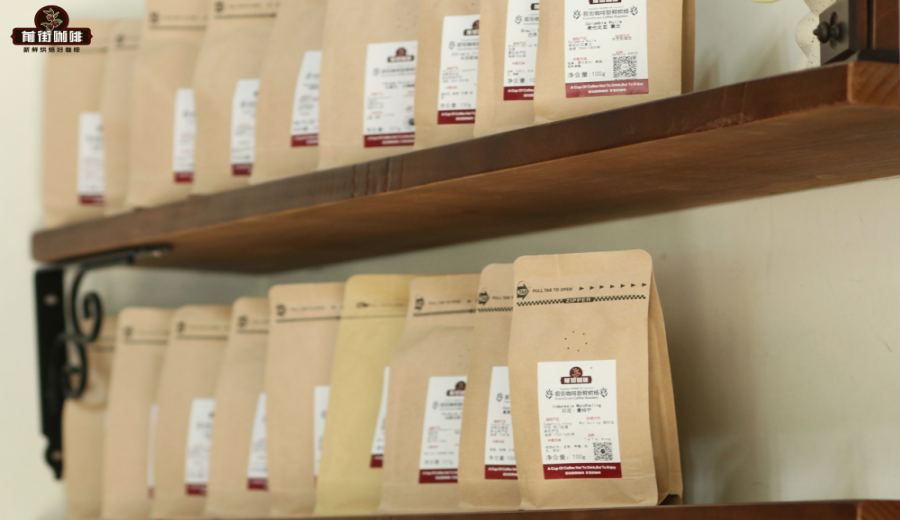
Introduction:Indonesian PWN Golden Mandheling is renowned for its full body and low acidity, with its unique wet-hulled processing method imparting rich woody and spicy notes. This article delves into the regional background of this classic Sumatran bean, its rigorous selection process, and how the wet-hulling method shapes its distinctive flavor profile. It also provides professional pour-over brewing parameters — from grind size and water temperature to a three-stage pouring technique — to help you fully showcase the layered complexity of this medium-dark roasted bean.
In today’s diverse world of coffee preferences, many enthusiasts still gravitate toward the deep, smooth, and low-acid profile of dark roasts. The Golden Mandheling produced by Indonesia’s PWN is a representative bean that embodies this style. Sourced from Sumatra, this coffee is not only prized for its low acidity and bold bitterness, but also stands out in the international market as a benchmark for Mandheling quality due to its special processing method and strict quality control. This article will comprehensively explore the allure of this classic bean — from its regional origins, details of the wet-hulling process, to practical pour-over brewing parameters.
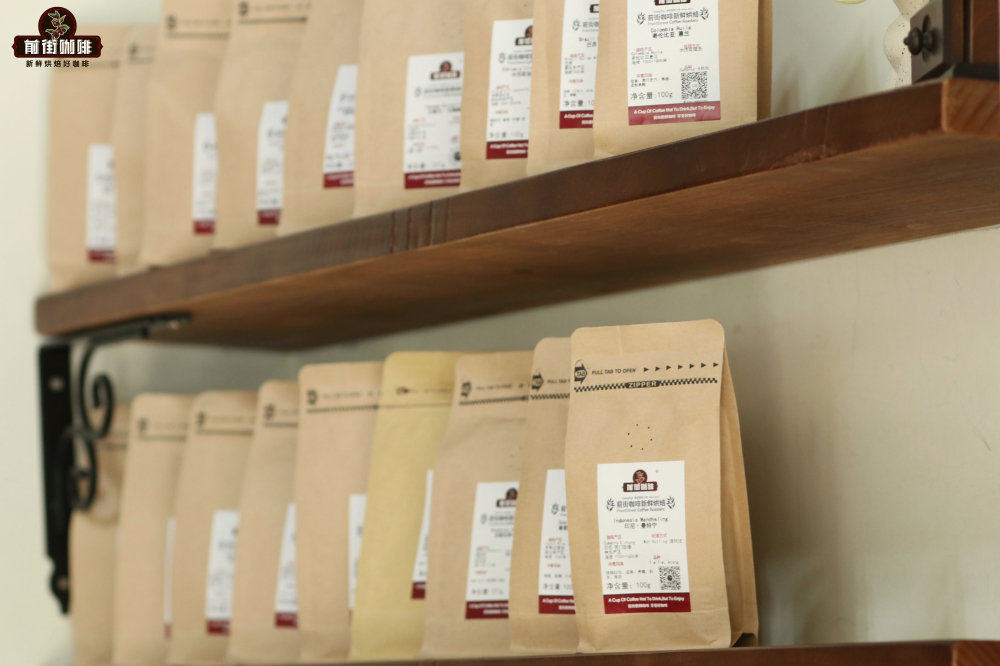
When customers at the shop specifically ask for a coffee that is “almost free of acidity,” staff often recommend this Indonesian PWN Golden Mandheling. The first impression upon tasting is not bright fruity notes, but a solid, bold bitterness accompanied by delicate woody and spicy aftertastes, offering a striking contrast to today’s mainstream bright and acidic profiles. For those who prefer a rich and intense cup, this bean is a classic interpretation of the Sumatran flavor.
The so-called “Golden Mandheling” actually originates from the stringent selection system of Pwani Coffee Company (Pwani Coffee Company), a well-known Indonesian coffee trader. The company focuses on sourcing high-quality green beans from Sumatra’s high-altitude regions. Upon arrival at the mill, the beans undergo an initial machine sort, followed by three rounds of manual selection by experienced cuppers. Selection criteria include bean integrity, uniformity in size, and meeting the specification of 18 mesh or above — which is recognized locally as the top G1 grade. It is said that during the sun-drying stage, these beans exhibit a unique golden sheen, hence the name “Golden Mandheling.” In addition to extremely low defect rates, PWN also employs machines to perform double sorting based on density and color before bagging, ensuring each batch has a uniform and shiny appearance.
It is worth noting that PWN has registered “Golden Mandheling” as an exclusive trademark, meaning that only products from PWN can be rightfully called Golden Mandheling. Consumers can identify authenticity through the official PWN logo on the packaging, as well as the origin certification documents included with the beans. These certificates are usually available for public viewing in the brand’s retail showroom, ensuring customers purchase genuine products.
Due to Indonesia’s tropical rainforest climate, where humidity levels reach 70% to 90% year-round, the long drying period required by traditional washed processing is extremely challenging here. To address this, local farmers developed the unique “wet-hulled” processing method. This technique first removes the coffee fruit’s skin and pulp, followed by a short fermentation period and preliminary sun drying. Before the beans’ moisture content is fully reduced to dry levels, the parchment layer is removed early, and drying continues until the final moisture content reaches around 12%. This method significantly shortens the processing time, compressing it from one to three weeks for traditional washed processing down to just a few days.
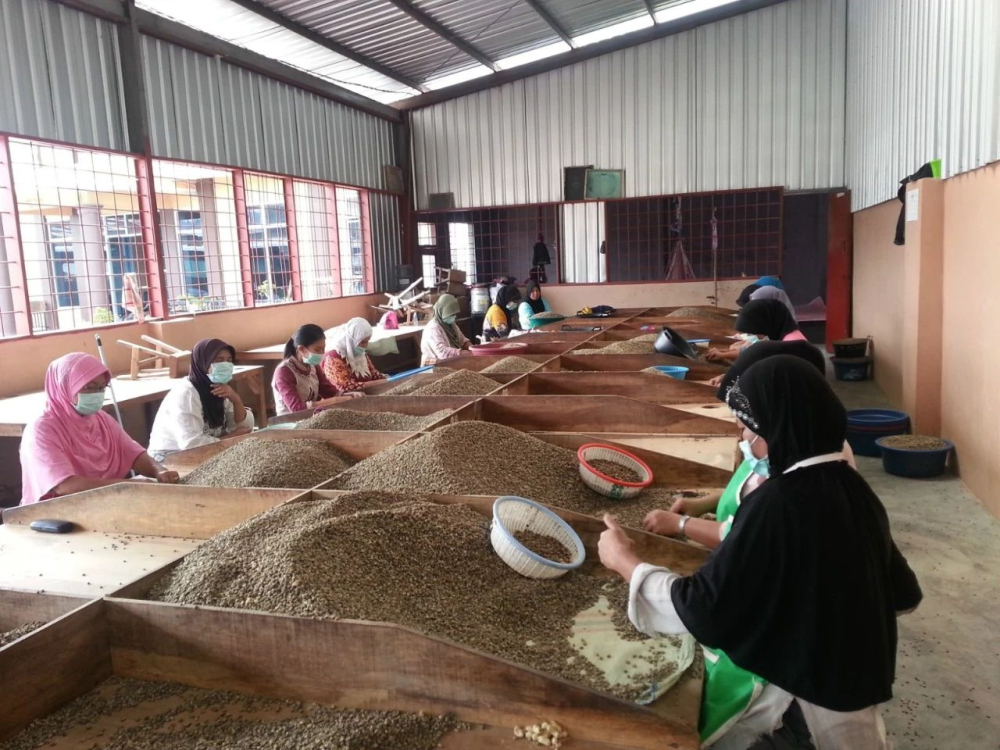
However, the rapid processing of the wet-hulled method also comes with risks. In Indonesia’s hot and humid environment, if any step is not properly controlled, the green beans can easily absorb moisture and develop mold. Nevertheless, this semi-washed process has become the dominant method in regions such as Sumatra, Sulawesi, and Papua New Guinea, primarily because the local climate does not allow for prolonged sun drying, and the costs of washed processing equipment and energy are prohibitively high. These factors have driven farmers to develop this environment-adapted solution. For the final cup, the early removal of the parchment layer means the beans continue to absorb trace amounts of moisture from the humid air during the drying process — a key factor in Golden Mandheling’s unique woody, herbal, and spicy characteristics. With PWN’s extremely high selection standards, the proportion of defective beans is greatly reduced, resulting in noticeably less earthy or grassy off-flavors, and a cleaner, more defined flavor profile.
In the café’s pour-over practice, the brewing parameters for PWN Golden Mandheling are set as follows: using a KONO filter, water temperature is maintained between 87–88°C, with a coffee dose of 15 grams and a 1:15 coffee-to-water ratio. The grind size is a medium grind, passing approximately 70% through a Chinese standard No. 20 sieve, which falls within the typical coarse range for medium-dark roasts. The brew follows a three-stage pouring method — the first stage involves pouring 30 grams of hot water for a 30-second bloom to initiate aroma release; the second stage pours 95 grams of water in a steady, circular motion from the center outward, and when the water level drops to two-thirds of the coffee bed, the third stage continues with 100 grams of water to complete extraction. The entire process maintains a fine stream control, completing filtration in about two minutes to ensure balanced flavors and minimal sediment.
It’s important to note that pour-over parameters are not set in stone. For example, if you want to emphasize the bold richness of Golden Mandheling, you can opt for a KONO filter, which has a slower flow rate due to its smaller outlet — extending the contact time between water and coffee grounds helps fully extract the dense compounds of a medium-dark roast. Conversely, if the water temperature is too high (above 90°C), it may extract excessive bitter and astringent compounds, so it is recommended to keep the temperature between 86–88°C, especially for those who prefer lower acidity. Additionally, grind size should be adjusted according to roast level — medium-dark roasts are relatively porous, and using the same fine grind as medium-light roasts can lead to excessive burnt or bitter flavors. Therefore, slightly coarsening the grind is key.
In summary, PWN Golden Mandheling, thanks to its rigorous quality control standards and unique wet-hulled processing, achieves a flavor profile marked by low acidity, bold body, and pronounced woody and spicy notes. With appropriate adjustments to pour-over parameters, not only can its rich and bitter foundation be highlighted, but also its delicate layers of complexity, making it a classic choice not to be missed by fans of Sumatran-style coffee.
The above content is compiled by CoffeeHunters, a coffee news website.


