







Introduction:An in-depth exploration of the unique flavor origins of Indonesian Mandheling coffee, from the volcanic terrain of Sumatra and the wet-hulling process to the rigorous selection and quality control behind Golden Mandheling. This article not only introduces you to the characteristics of this classic dark roast bean but also provides practical and effective pour over techniques and parameter suggestions. Learn how to extract a rich and balanced cup using the KONO filter—perfect for coffee enthusiasts looking to refine their pour over skills.
Mandheling coffee is renowned for its bold, full-bodied flavor, smooth mouthfeel with subtle acidity, and long-lasting, layered aroma. However, the name "Mandheling" actually originates from an ethnic group in Indonesia. From a misunderstanding during World War II to becoming a representative offering in specialty coffee, this history adds a legendary touch to Mandheling. This article will detail the regional characteristics of Indonesian Mandheling, the uniqueness of the wet-hulling process, and how to bring out the most captivating flavors of Golden Mandheling through proper pour over methods.
When it comes to Mandheling, many people’s first impression is its rich body and deep aroma. As the coffee flows over the tongue, its delicate texture and well-balanced acidity create a perfect harmony, followed by the release of a full-bodied fragrance that is truly unforgettable. Next, we’ll comprehensively explore the charm of this classic coffee—from origin and processing method to brewing techniques.
"Mandheling" is actually not the name of a coffee variety, but rather refers to the Mandheling people from Sumatra, Indonesia. During World War II, a Japanese soldier tasted an exceptionally flavorful coffee there and asked the shopkeeper for its name. Due to a language misunderstanding, he was told it was the "Mandheling people." After the war, the soldier recalled that cup of coffee and named it Mandheling. In 1968, Japanese traders purchased a large quantity of Sumatran Mandheling coffee from Indonesia’s PWN company, which helped popularize the name in the Japanese market and established its status as a specialty coffee.
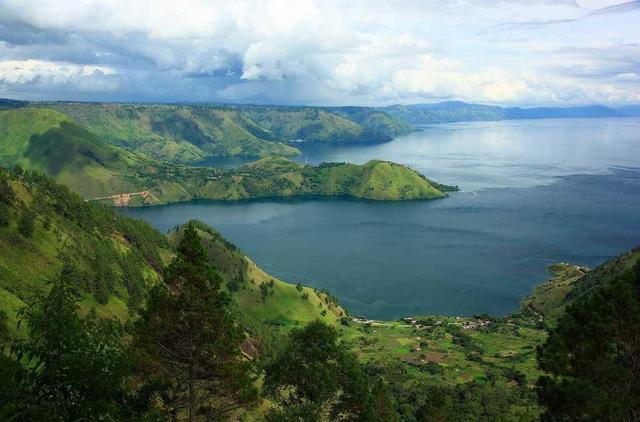
Authentic Mandheling coffee is primarily produced around Lake Toba in the Lintong region of northern Sumatra, as well as near Lake Tawar in the Aceh region. These areas are located in volcanic zones at elevations above 1,000 meters, with soil rich in volcanic ash nutrients and abundant rainfall, providing an ideal growing environment for coffee trees. Due to the humid and rainy climate, a unique wet-hulling process has been developed locally to adapt to the challenges of high humidity.
Wet-hulling is a special coffee processing method. After the coffee cherries are depulped, they undergo only a brief fermentation before being sun-dried. When the moisture content drops to 30%–50%, the beans are still in a semi-dry state. At this point, a specialized machine is used to remove the parchment layer, which is not yet fully dry. This processing method allows the coffee beans to more easily absorb ambient moisture during subsequent drying, contributing to Mandheling’s distinctive herbal and spicy notes. However, this method also increases the risk of mold infection, making quality control crucial.
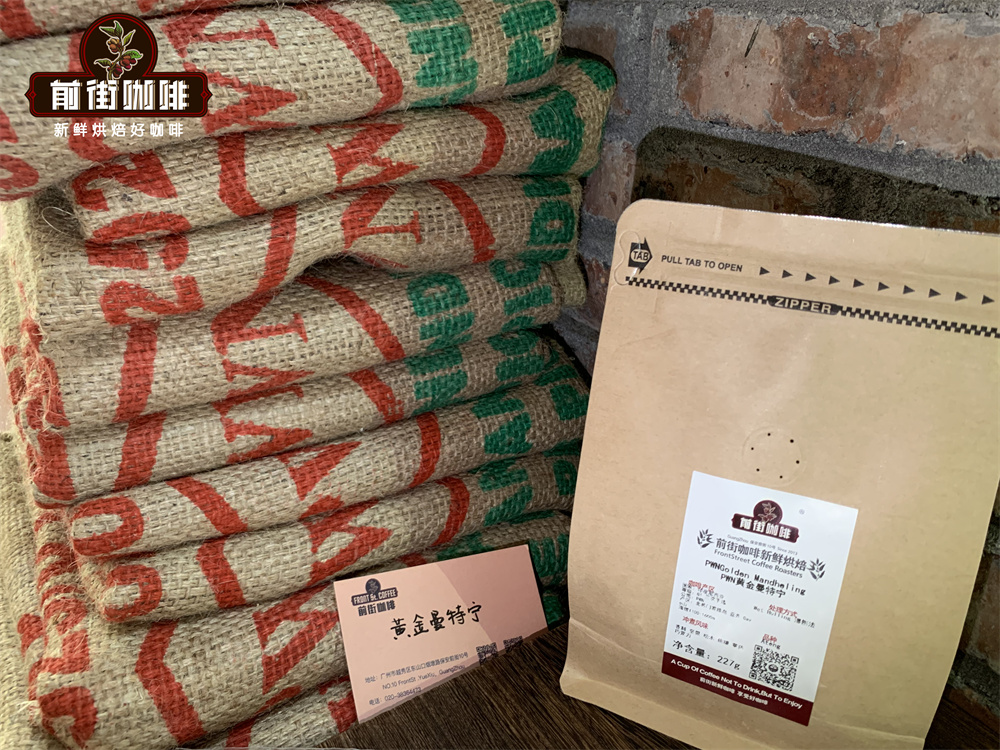
PWN Golden Mandheling is the top-tier representative of Mandheling coffee. The company enforces extremely strict selection standards, using only green beans larger than 18 mesh and ensuring no more than 3 defective beans per 300 grams of sample (G1 highest grade). After mechanical screening, three rounds of manual hand-picking are conducted to ensure uniformity in bean size and color. This rigorous quality control process allows Golden Mandheling to not only retain the characteristic aromas of Mandheling but also deliver exceptional cleanliness and consistency.
Golden Mandheling offers a rich flavor profile. Beyond the classic herbal and spicy notes, it showcases layers of nuts, dark chocolate, and caramel. Much of this flavor expression is due to its dark roast level and precise processing. For coffee lovers seeking a high-quality Mandheling experience, PWN Golden Mandheling is definitely the top choice for beginners.
To fully highlight the flavor characteristics of Golden Mandheling, pour over parameters are crucial. Due to its dark roast, it is recommended to use a medium-low water temperature of 87–88°C to avoid over-extraction that can lead to burnt or bitter notes. The grind size should be medium (approximately 70% passing rate through a Chinese standard No. 20 sieve), balancing aroma release and extraction efficiency. A recommended powder-to-water ratio is 1:15—using 15 grams of coffee and a total of 225 milliliters of water, brewed in three pours.
This pour over demonstration uses the KONO filter, whose unique flow-guiding design reduces air turbulence, creating an extraction environment similar to a siphon, which helps enhance the coffee’s body. The specific steps are as follows: First, wet the filter paper and preheat the equipment. Place 15 grams of coffee grounds into the filter and gently level them. The first pour is 40 grams of water for blooming, lasting about 30 seconds, observing the coffee grounds expand into a “hamburger shape.” The second pour involves pouring 120 grams of water in a circular motion from the center outward, maintaining a slow and steady pace to avoid excessive agitation. The final pour is 100 grams of water, then wait for all the coffee to drip through to complete the extraction, with a total brew time controlled around 2 minutes.
The finished Golden Mandheling coffee reveals a rich layering, with a full-bodied yet clean mouthfeel and a lingering sweet aftertaste. The aroma of nuts, the deep bitterness of dark chocolate, and the sweetness of caramel blend together, creating an impressive sensory experience. If you prefer different flavor profiles, you can also try other brewing devices such as a siphon pot, AeroPress, or French press—all of which can showcase the unique charm of Mandheling coffee.
The above content is compiled by CoffeeHunters, a coffee news website.


