







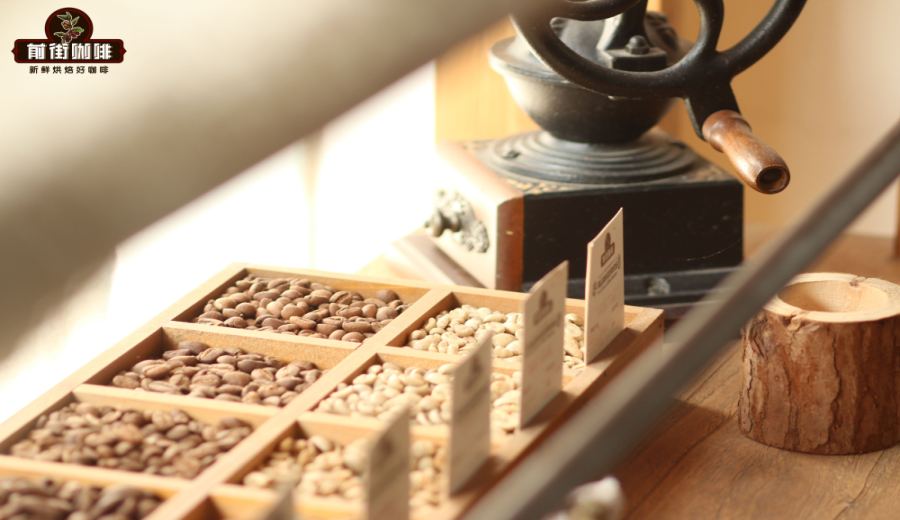
Introduction:An in-depth exploration of the charm of the natural (sun-dried) processing method in Ethiopia’s Sidamo region, focusing on the highly acclaimed Huila series of coffee beans — from its TOH-winning lineage in 2017 to the evolution of its latest versions. This article details the processing characteristics and grading logic of beans from the Guji-Hambela region, and offers professional pour over recommendations, including the golden ratio of using a Hario V60 dripper with 93°C water temperature, helping you master the essence of Sidamo natural beans.
As the birthplace of coffee civilization, Ethiopia’s Sidamo region is renowned for preserving ancient natural processing techniques and stands alongside Yirgacheffe as one of the country’s two premier specialty coffee regions. Compared to the clean acidity brought by washed processing, Sidamo natural beans achieve rich sweetness and complex fruitiness by fully retaining the coffee cherry pulp and mucilage layer, undergoing over 18 days of sun drying. Among them, the Huila series has become an entry point for many coffee enthusiasts to understand Sidamo flavors, ever since it first won the TOH Ethiopian regional natural category championship in 2017.
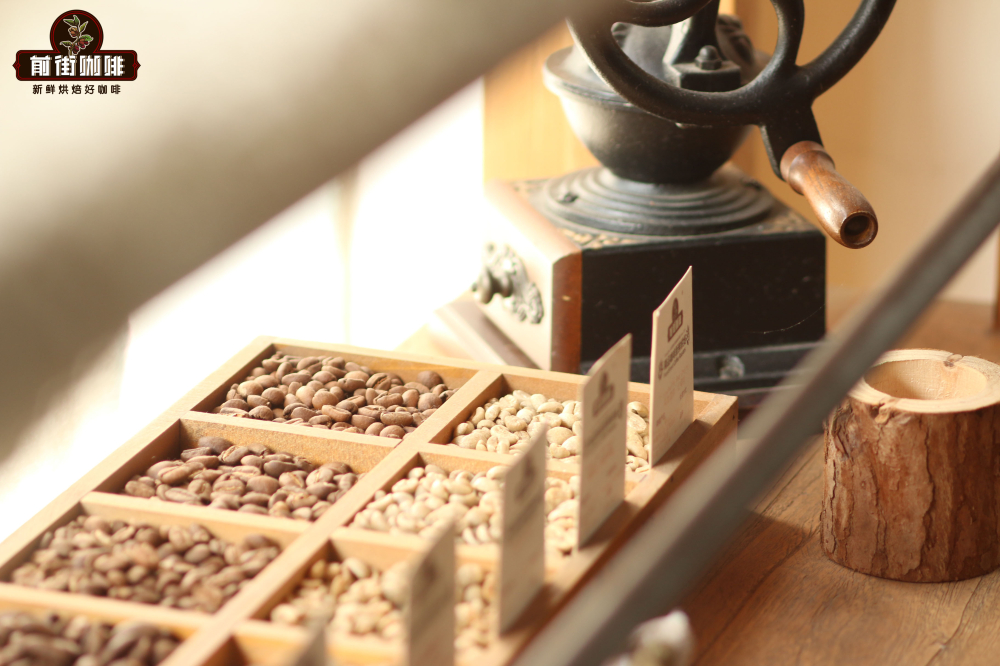
To trace the origin of the name “Huila,” we must go back to 2017, when the batch from the Buku Abel washing station in Hambela, Ethiopia, was submitted by the Ethiopian green coffee exporter DW Company. These natural beans stood out to the international jury with their pronounced strawberry cream notes and explosive tropical fruit character. Later, they were introduced to China by an importer and given the elegant name “Huila,” symbolizing the grace of the “king of flowers.” Interestingly, that year’s beans performed exceptionally well in coffee competitions, even helping contestant Li Jianfei secure second place in the China Brewers Cup, further solidifying its market presence.
Subsequently, each annual release of the Huila series has been sequentially numbered from 2.0 to 5.0, with version 8.0 expected to arrive in 2024. It’s worth noting that each generation reflects the differences in climate and processing tweaks of that year. For example, the currently popular Huila 5.0 showcases the distinctive citrus tones and smooth juiciness typical of the Guji region, while the smaller-bean “Little Huila” from the same region is known for its berry, grapefruit, and honey aromas.
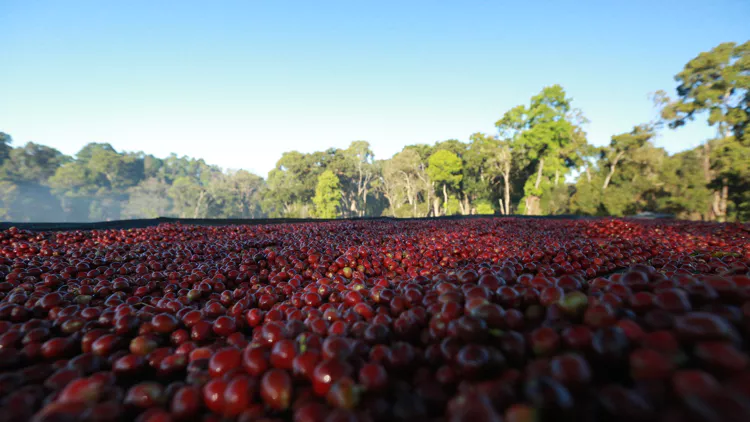
Taking a deeper look at the origin, the Buku Abel washing station in Hambela is surrounded by sugarcane and banana trees, which not only provide natural shade for the coffee plants but also create ideal conditions for sugar accumulation due to the high altitude. During the harvest season from December to January each year, farmers carefully select fully red coffee cherries with sugar content exceeding 30, which are then hand-sorted and placed on African raised beds for sun drying. Local technicians employ meticulous management — shading during midday to avoid overheating, rain protection at night, and continuous turning of the beans over 18 days to ensure even drying, finally hulling the beans after strictly controlling the moisture content at 13%.
Regarding common questions about version numbers — such as “Is Huila 5.0 authentic?” — the answer lies in its strict generational coding rules, with the version number increasing by 0.1 each year. When consumers see a numerical suffix on the product label at physical stores or e-commerce platforms, it indicates that the batch corresponds to the continuation of the championship lineage for that specific year. Currently, both the Huila 5.0 and Little Huila available on the market are industry-selected high-quality batches. The former suits those who prefer citrus notes, while the latter caters to those who favor berry flavors.
Given the characteristics of Sidamo natural beans, the recommended roast level is medium-light to preserve vibrant acidity. During actual pour over brewing, it is advised to use hot water at 92°C to 93°C to activate the hidden aromas, paired with a medium-fine grind size (approximately 80% passing through a Chinese No. 20 sieve). Grinding too coarse may lead to under-extraction and a flat flavor, while grinding too fine under high water temperature may release excessive bitter substances.
It is recommended to flexibly adjust the coffee-to-water ratio between 1:15 and 1:16: choose 1:15 for a stronger taste, or 1:16 for clearer floral and fruity layers. For hands-on brewing, use a Hario V60 dripper as the base, with 15 grams of coffee, maintaining a water temperature of 93°C. In the first stage, pour 30 grams of hot water for a 30-second bloom, observing the coffee grounds form a full “hamburger-like” expansion. Then, pour 125 grams of water using a slow stream in a circular motion from the center outward. When the water level is about to expose the coffee bed, continue pouring until the total reaches 225 grams, with the total brew time controlled around 2 minutes.
Special attention should be paid to the pouring technique to avoid disrupting the coffee bed structure, which could cause under-extracted liquid to flow directly into the server, resulting in an overly watery mouthfeel. Additionally, freshly roasted beans require a 4 to 7-day degassing period. Even if the beans are freshly roasted within 5 days of arrival, it is still recommended to perform a thorough bloom before brewing to release carbon dioxide.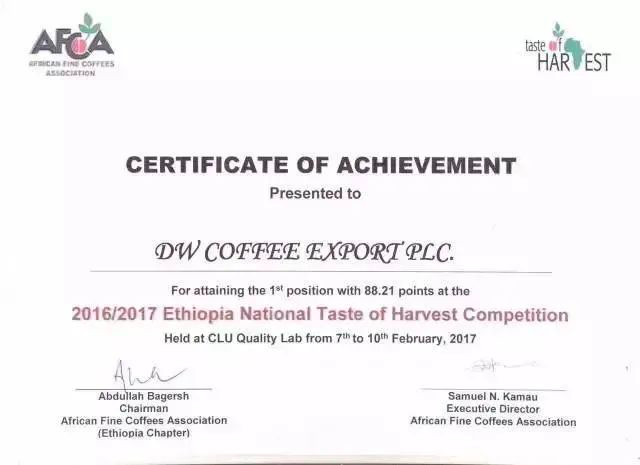
The above content is compiled by CoffeeHunters, a coffee news website.


