







Introduction:Want to understand what makes Yunnan small-grain coffee so uniquely flavorful? This article delves into the historical evolution and varietal characteristics of the two mainstream cultivars—Typica and Catimor—taking you on an exploration of how Yunnan coffee has transformed from disease-resistant necessity to specialty-grade excellence. It also provides practical pour over parameters and a three-stage pouring technique to teach you how to bring out the aroma and sweetness of Yunnan beans using the right methods.
In recent years, Yunnan small-grain coffee has become a focal point in the specialty coffee market—not only because of its unique geographical environment but also due to the stories behind the evolution of its varieties. From the early introduction of Typica to the later widespread adoption of Catimor driven by disease-resistance needs, each variety reflects changes in the local growing environment and market demand. This article will take you through the historical context of how these varieties took root in Yunnan and analyze their impact on flavor.
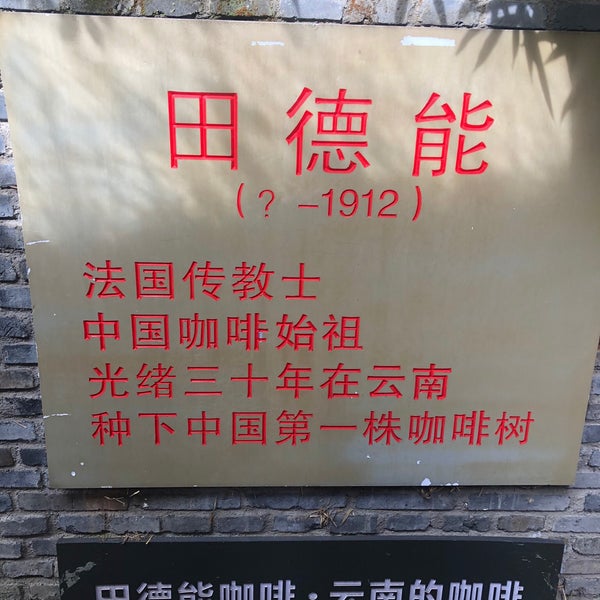
Located in China’s southwest, Yunnan features rugged mountain terrain and has been famous for tea since ancient times. However, with the rapid growth of domestic coffee consumption, the aroma of coffee has gradually wafted through this red-soil plateau. Although China was not originally a native coffee-growing region, coffee was introduced as a cash crop starting in 1877, initially even used as a means of cultural acclimatization. It wasn’t until 1904, when a French missionary planted the first coffee trees in the village of Zhukula, that the history of coffee in Yunnan truly began.
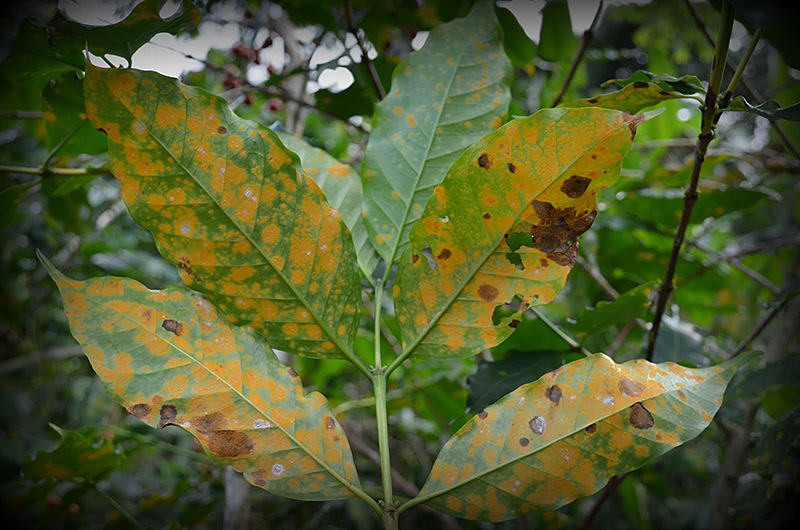
In the early years of New China, Yunnan coffee was primarily exported to the Soviet Union to repay debts. But by the 1970s, the outbreak of coffee leaf rust severely damaged local Arabica plantings, especially Typica—which had elegant flavors but weak disease resistance. In response to the epidemic, agricultural authorities introduced the highly disease-resistant Catimor variety, a seed hybridized from the Timor variety and Caturra, which unexpectedly became the mainstay of Yunnan coffee production.
While Catimor offers good yields and strong disease resistance, it also carries certain flavor challenges due to its Robusta lineage. Many coffee experts note that it may exhibit undesirable aftertastes such as earthiness or herbal notes—this is why varietal selection is so critical in specialty coffee. As industry insiders say, specialty coffee is 70% about the variety and 30% about the environment.
Yunnan boasts several distinctive coffee-growing regions—such as Dehong, Pu’er, and Baoshan—each with its own microclimate and altitude conditions. One coffee brand chose to establish its own estate in the Linxiang area at altitudes exceeding 1,000 meters, where the average annual temperature is around 17°C, with distinct wet and dry seasons and abundant sunlight, providing an ideal environment for growing Typica. In addition to Typica, the estate has also trialed other Arabica varieties such as Bourbon to compare flavor profiles.
Since its first harvest in 2021, the estate has opted to process all red cherries using the natural (sun-dried) method. By evenly spreading the coffee fruits on raised drying beds and regularly turning them, the pulp’s sugars are allowed to fully permeate the seeds, imparting the natural Typica with intense aroma, a full body, and prominent sweetness. To enhance its aromatic expression, the roaster chose a medium roast and discovered in cupping that it exhibits gentle berry acidity, pronounced caramel sweetness, and a creamy aftertaste, with a soft tea-like finish reminiscent of black tea.
For pour over enthusiasts, it is recommended to use a Hario V60 filter. The water temperature should be controlled at 88°C, with a coffee dosage of about 15 grams, and a coffee-to-water ratio of 1:15. For grind size, it is advised to use a benchmark of 75% passing rate through a Chinese standard No. 20 sieve to ensure the optimal extraction of nuanced flavors.
In terms of brewing technique, the three-stage pouring method is recommended, as it effectively enhances flavor complexity and balance. First, pour 30 grams of hot water for a 30-second bloomto release gases and initiate extraction. Then, pour in a circular motion from the center with a fine stream up to 125 grams. Once the water level drops, continue pouring up to 225 grams, with the total brew time being approximately 2 minutes. Be mindful to keep the water flow gentle during the third pour to avoid disrupting the coffee bed, as this can lead to over-extraction, wateriness, and muted flavors.
Additionally, freshly roasted coffee beans typically contain a lot of carbon dioxide. It is advisable to let them rest for 4 to 7 days to degas, allowing the flavors to fully develop before brewing—this way, you can enjoy a rounder, more layered cup. Mastering these details will allow you to brew a cup of coffee with distinctive Yunnan character at home.
The above content is compiled by CoffeeHunters, a coffee news website.


