







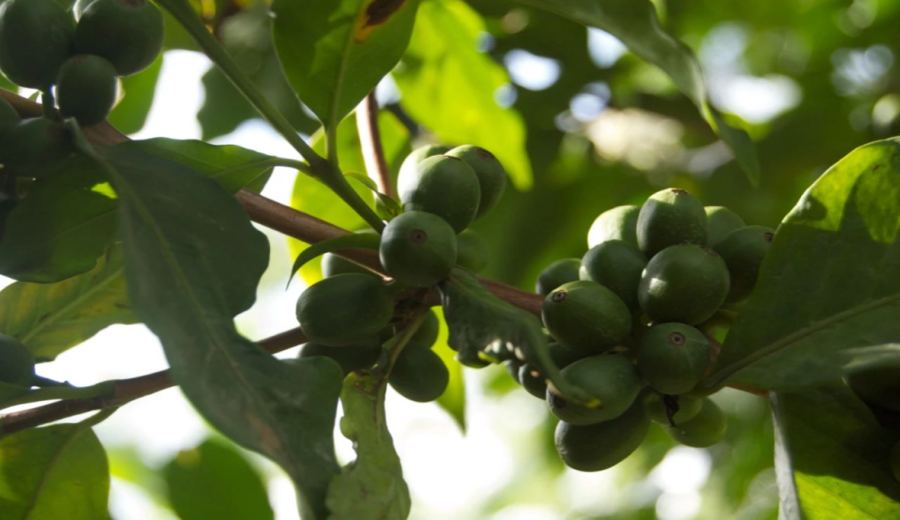
Introduction:Kenyan coffee is renowned for its bright acidity and rich fruity notes, which stem from a perfect combination of exceptional geographical conditions, classic varieties, and unique processing methods. This article will delve into Kenya’s six core growing regions, the characteristics of the SL28 and SL34 varieties, and how the K72 washed process shapes its classic flavor profile. We’ll also provide practical pour over parameters and a three-stage extraction technique to help you fully experience the layered charm of Kenyan coffee.
Although Kenya neighbors Ethiopia, the birthplace of coffee, commercial coffee cultivation didn’t begin until the early 20th century. Remarkably, within just a few decades, Kenyan coffee quickly rose to prominence among the world’s specialty coffees, establishing itself as an industry benchmark with its distinctive flavor traits.
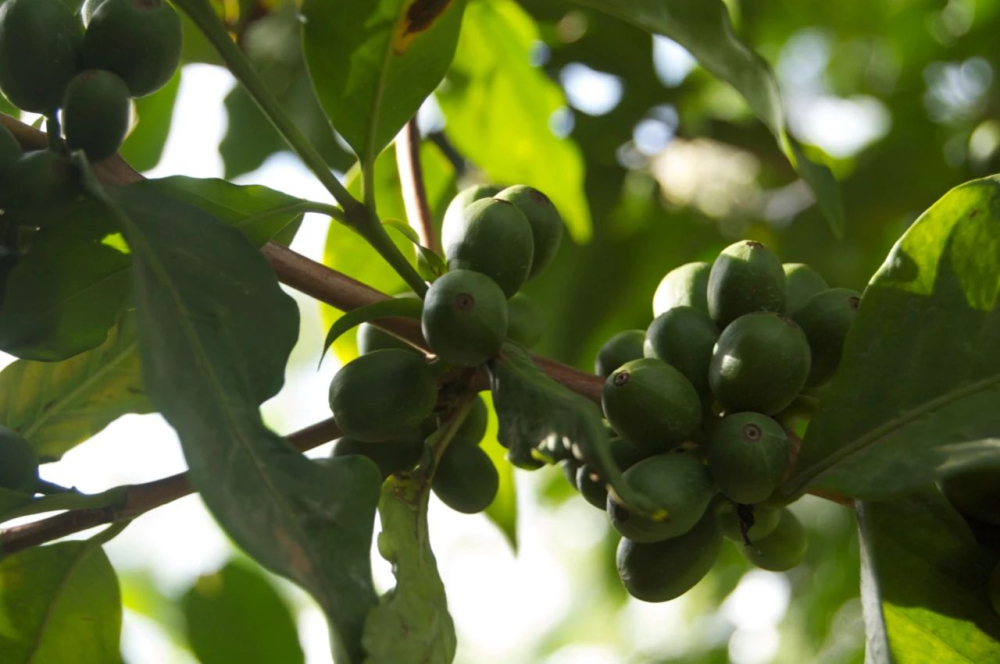
Located in East Africa, Kenya is bisected by the equator and traversed north to south by the East African Rift Valley. It borders Somalia to the east, Tanzania to the south, Uganda to the west, and Ethiopia and Sudan to the north, with the Indian Ocean to its southeast. The country is predominantly highland, with an average elevation of about 1,500 meters—an ideal geographic advantage for coffee cultivation.
As a tropical country, Kenya experiences two concentrated rainy seasons each year, resulting in two coffee harvest periods. Coffee farms are mainly located around Nairobi, the capital, and the slopes of Mount Kenya, at elevations between 1,600 and 2,100 meters in volcanic regions. This altitude range is highly favorable for coffee bean flavor development—the cooler mountain temperatures slow the growth of coffee cherries, allowing aromatic compounds to accumulate fully, resulting in more pronounced acidity and firmer beans. This fertile, crescent-shaped coffee-growing belt is the heart of Kenya’s specialty coffee production.
The history of Kenyan coffee cultivation dates back to the late 19th century, when French missionaries introduced Bourbon coffee seeds from Bourbon Island (now Réunion) to the Kenyan coast. Historical records indicate that John Paterson brought the plant to Kenya on behalf of the Scottish mission in 1893, with the first planting occurring in 1896 in the fertile Kiambu-Kikuyu region. By 1912, hundreds of acres of plantations had emerged, primarily cultivating Bourbon and Kent varieties. After Kenya gained independence in 1963, local farmers leveraged their long-accumulated expertise to achieve the high-quality coffee standards seen today. Currently, over half of the coffee is produced by smallholder farmers.
Kenya places great emphasis on coffee variety development, with SL28 being a direct descendant of Bourbon coffee and regarded as the pinnacle representative of Kenya’s coffee quality and flavor. Neighboring the ancient coffee nation of Ethiopia, Kenya—as a world-renowned coffee-producing country—is globally acclaimed for its consistently high-quality coffee. Kenyan coffee is celebrated for its bold acidity, rich and fruity profiles such as blackcurrant and grapefruit, collectively shaping its rugged and mature character.
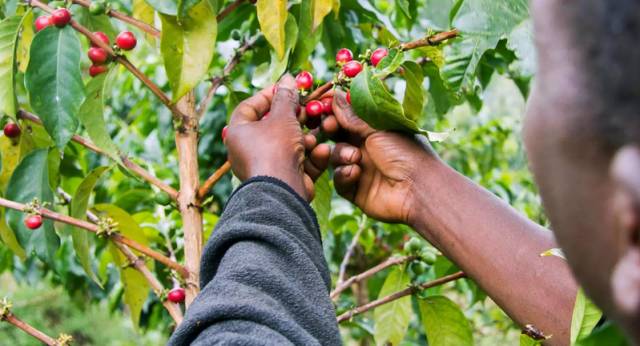
Kenya’s six core growing regions include Thika, Kirinyaga, the western side of Mount Kenya, Nyeri, Kiambu, and Murang’a. Around 60% of production comes from central regions—Thika, Nyeri, Kirinyaga, Murang’a, and Kiambu. These areas boast fertile volcanic soils, suitable sunlight, and rainfall, enabling coffee cherries to absorb ample nutrients and develop robust fruit flavors.
Kenyan coffee is grown at elevations between 1,400 and 2,000 meters, with temperatures ranging from 15 to 24 degrees Celsius, rooted in deep, well-draining red volcanic soils. The deep, fertile volcanic soils, combined with well-drained conditions at high altitudes, are particularly suited for Arabica varieties. The slightly acidic soils further contribute to the bright, vibrant, and high-quality fruit acidity characteristic of Kenyan coffee.
SL28 and SL34 are Kenya’s two most iconic high-quality coffee varieties, celebrated for their bright fruit acidity and elegant flavors of prune and blackcurrant. The “SL” stands for Scott Laboratories in Kenya. In the 1930s, when Kenya’s coffee trees were hit hard by coffee berry disease, Scott Laboratories was commissioned by the government to develop disease-resistant new varieties. Among the research outcomes, varieties No. 28 and No. 34 demonstrated strong disease resistance and outstanding flavor profiles, leading to their widespread adoption by farmers.
SL28 is a drought-resistant variety, showcasing wine-like high acidity in cupping, along with rich body and deep, intense fruit aromas. SL34, on the other hand, has lineage tracing back to French Mission, Bourbon, and more Typica. Its leaves are copper-colored, and the beans resemble broad beans. It excels in sweetness, balance, and flavor complexity, with particularly notable citrus and prune characteristics.
Kenyan coffee is known for its vivid and complex berry and fruit flavors, with a solid acidity and sweet juiciness that leave a lasting impression. The blackberry-like flavor is not only related to the phosphate content in Kenyan soils but also owes much to the region’s most famous K72 washed process.
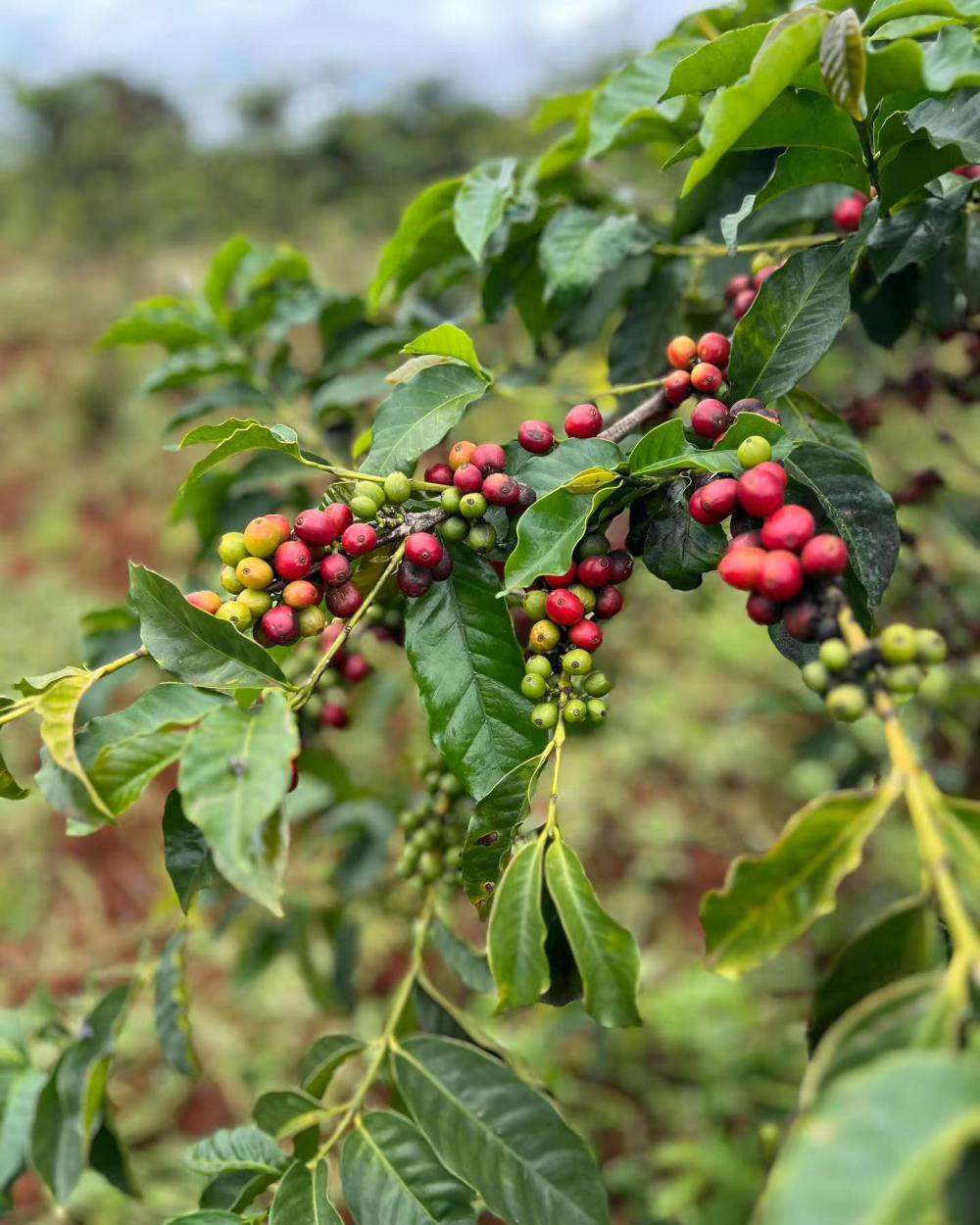
The K72 washed process is not a single soaking fermentation but is carried out in three rounds, each lasting 24 hours. After each fermentation round, fresh clean water is added for another soak, continuing until the total fermentation time reaches 72 hours before the beans proceed to the next stage. Hence, this unique washed process is referred to as Kenya’s 72-hour fermented wash, or simply K72. It’s precisely because the fermentation time is twice or even longer than usual that Kenyan beans possess such intense acidity.
The drying process in this method is also meticulously managed. Kenyan farmers don’t casually spread coffee beans on any flat surface for drying, as that can easily introduce “wild” flavors. Instead, they place the beans on specially designed steel trays for drying. These trays are elevated and suspended above the ground to avoid absorbing dust and particles. The uniformly spaced and sized holes in the trays allow the beans to dry more evenly while maintaining ventilation. This specially designed tray is also called the “Kenyan steel bed,” effectively minimizing unstable factors and delivering a cleaner cup profile for Kenyan coffee.
To experience the classic flavors of Kenyan coffee firsthand, you can refer to the following pour over parameters and three-stage extraction technique: A 1:15 coffee-to-water ratio is recommended, using 15 grams of coffee grounds and a total water volume of 225 milliliters. Water temperature should be controlled at 90°C~91°C, with a grind size similar to fine sugar (approximately 80% passing through a standard 20-mesh sieve, or EK43s setting 10).
The specific steps are as follows: After placing the ground coffee into the filter paper, start with a 30-gram bloom pour in the center for 30 seconds, using a small, steady circular motion from the inside out. In the second stage, pour 95 grams of water, and once the flow stabilizes, proceed to the third stage with 100 grams of water until all the coffee has filtered through, then remove the filter. The total extraction time is around 2 minutes, with a ±10-second allowance.
Brewed using this method, Kenyan coffee typically presents flavors of prune and cherry tomato upon entry, with a strong and full-bodied acidity. The mid-palate highlights a pronounced sweetness with a juicy sensation akin to black plum, while the finish blends berry notes with brown sugar sweetness, accompanied by subtle tea-like aromas.
The above content is compiled by CoffeeHunters, a coffee news website.


