







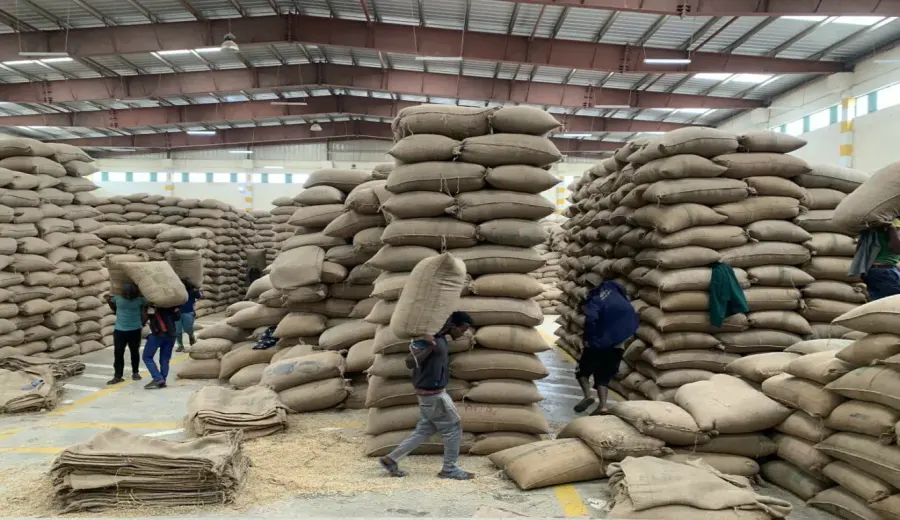
Introduction:Dive deep into the heart of Ethiopia’s Yirgacheffe region—its core micro-region, Kochere—and uncover the exquisite craftsmanship behind its washed processing method. From altitude conditions to varietal characteristics, this article offers a comprehensive analysis of G1-grade coffee beans that deliver jasmine, lemon, and citrus tea notes. We also recommend two representative washed Kochere coffees, providing flavor references across multiple brewing methods such as pour over and cold brew. This is an essential guide for coffee enthusiasts looking to explore this renowned origin.
Kochere is one of the most representative micro-regions within Ethiopia’s Yirgacheffe area, known for its bright citrus acidity, soft silky sweetness, and multi-layered fruit tones. Thanks to its exceptional flavor profile, this region has been independently designated as a single-origin zone by the Ethiopian Commodity Exchange (ECX), underscoring its significance. From a green bean cupping perspective, Kochere washed beans exhibit distinct aromatic layers, with a sweet and juicy mouthfeel and clear fruit flavors—making them notably more recognizable compared to typical Yirgacheffe lots.
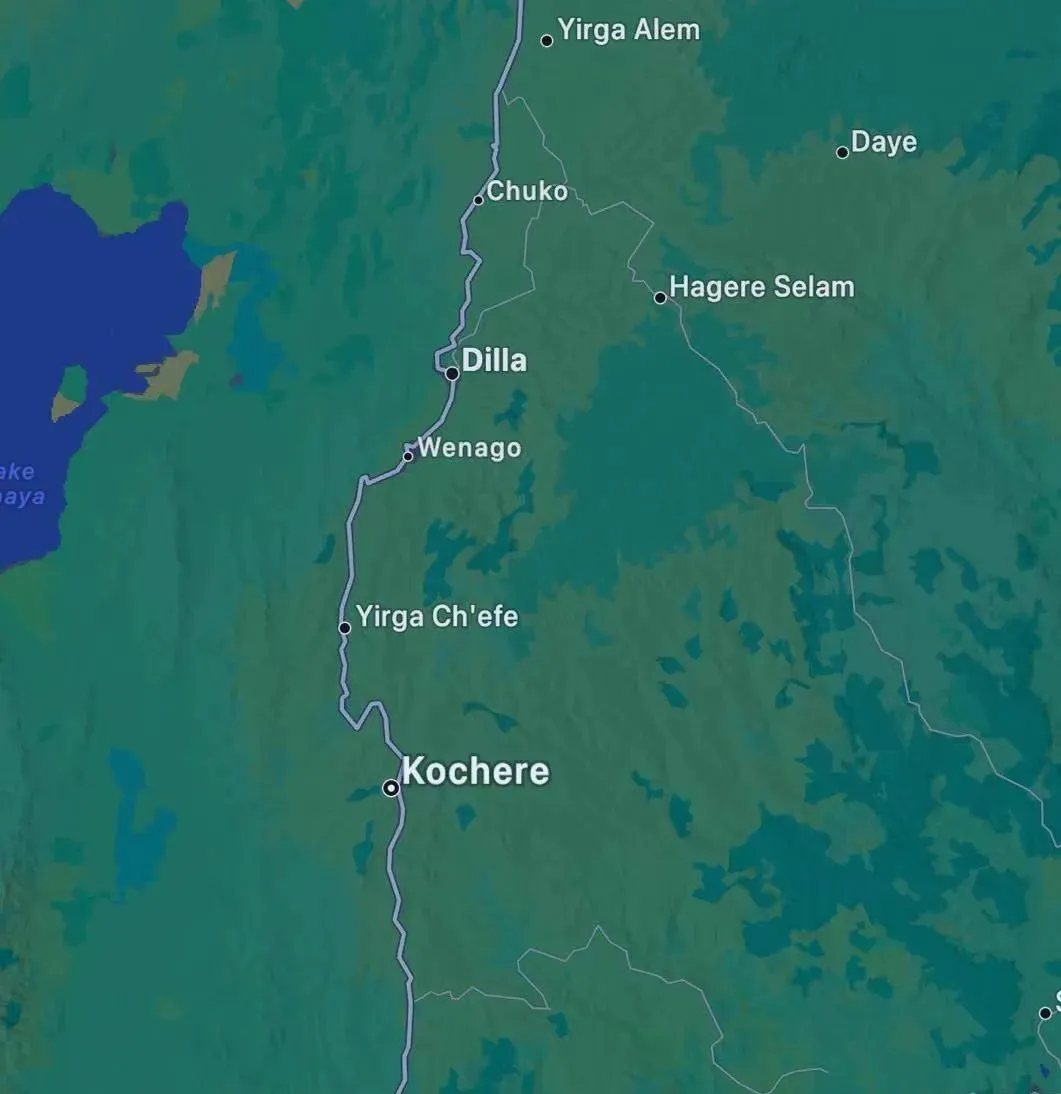
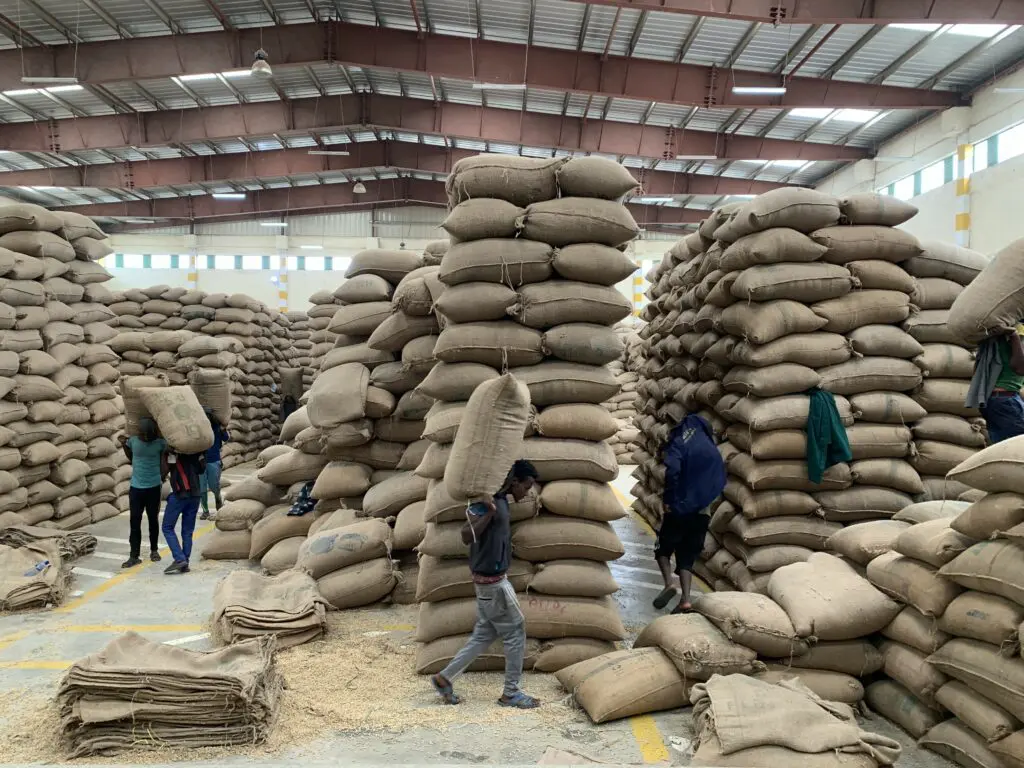 Located approximately 25 kilometers southeast of Yirgacheffe, Kochere sits at elevations ranging from 1,650 to 1,800 meters. Its unique geographical environment and climate conditions contribute to the distinctive flavors of its coffee. Although it is one of the satellite micro-regions surrounding Yirgacheffe, Kochere has gradually built a strong reputation in the international market due to its outstanding coffee production and sales performance. The renowned coffee review website Coffee Review once awarded Kochere washed beans a high score of 94, serving as solid proof of their consistent flavor and excellent quality.
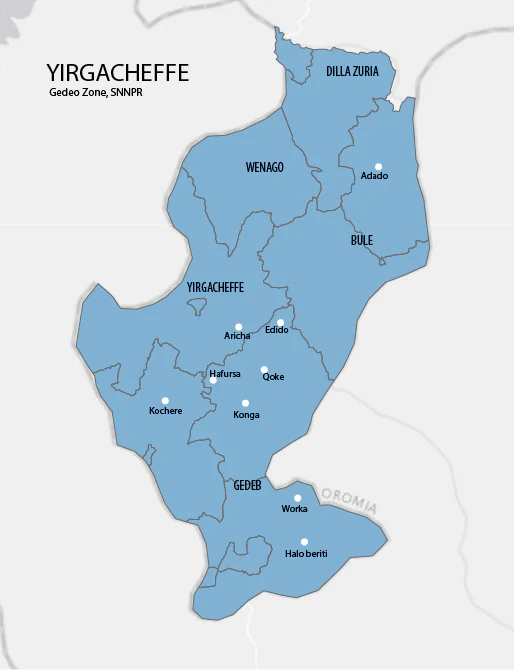
Kochere is part of one of the 77 Woredas (administrative districts) in Ethiopia’s Southern Nations, Nationalities, and Peoples' Region (SNNPR), more precisely within the Gediyo area of the Yirgacheffe zone. This region can be further subdivided into several micro-zones, with some coffee batches even labeled according to specific origin villages (such as Chelelektu or Teklu Dembel), processing stations (e.g., Alim Washing Station), or even smaller micro-blocks (like Banko Gutiti). This high level of transparency and traceability has become an important trend in contemporary specialty coffee and also helps enhance annual flavor consistency and market value.
 In terms of production, Kochere primarily relies on local smallholder farmers who deliver their coffee cherries to cooperatives for unified processing. Take Chalalacktu village as an example: with around 100,000 residents whose livelihoods largely depend on coffee, the related industry has not only improved local living standards but also promoted infrastructure development, including healthcare and education. Thanks to well-established processing facilities and techniques, Kochere excels in quality control during washed processing, often achieving an optimal balance between molasses-like sweetness and refreshing citrus notes.
When it comes to specific recommendations, two washed Kochere coffees offered by a certain coffee brand—namely G1-grade Kochere and the Fruit Ding Ding Cooperative product—both showcase the classic characteristics of this origin. G1 is the highest grade of green beans, celebrated for its clean and bright lemon aroma, delicate jasmine floral notes, and complex fruity profiles. Additional nuanced flavors such as cantaloupe, ginger, and spice tea can also be detected. These beans are suitable for various brewing methods, including pour over and cold brew, making them an excellent entry point into the flavors of Yirgacheffe.
Another washed coffee from the Fruit Ding Ding Cooperative represents a highly regarded micro-lot within the Yirgacheffe region. This cooperative is made up of 300 smallholder farmers and was originally part of the Worka Cooperative. However, due to its outstanding coffee quality, it stood out and became an independently operated production unit. These beans are grown at altitudes ranging from 1,900 to 2,300 meters, using the Ethiopian heirloom variety, and are also processed via the washed method. Their flavor profile is dominated by citrus, green tea, prune, floral notes, and honey.
In terms of brewing applications, this Fruit Ding Ding washed coffee is suitable for a wide range of devices, including pour over, drip bags, cold brew, French press, and siphon. It fully highlights its bright acidity and tea-like aftertaste. In cupping evaluations, this coffee particularly excels in flavor transition and layering continuity. The dry aroma features vibrant citrus and lemon tones, while the wet aroma releases sweet notes of floral, berry, and caramel. Upon tasting, the initial impression is dominated by citrus and creamy textures, which then evolve into berry, black tea, and caramel sweetness as the temperature changes. The finish leaves a lasting citrus linger. Overall, the cup is exceptionally balanced and memorable.
Regarding the washed processing method (Washed Process), the steps mainly include flotation to remove floaters, pulp removal, fermentation to eliminate mucilage, multiple washes, and finally drying and hulling. While this method requires a stable water source and well-equipped processing facilities, it effectively reduces the proportion of defective beans and enhances flavor purity and consistency. Compared to the natural (sun-dried) method, washed coffee typically features brighter acidity, a cleaner taste, and significantly shorter drying times, contributing to higher overall production efficiency. Kochere leverages this technique to produce its internationally acclaimed high-quality washed coffee.
In summary, Kochere in Yirgacheffe is not only a key origin for Ethiopia’s specialty coffee but also holds a distinguished place in the global coffee market with its washed beans’ elegant acidity, citrus character, and tea-like finish. Whether you’re new to the world of specialty coffee or a seasoned enthusiast seeking fresh flavors, Kochere’s G1-grade washed beans are a classic choice worthy of careful tasting and exploration.
The above content is compiled by CoffeeHunters, a coffee news website.


