







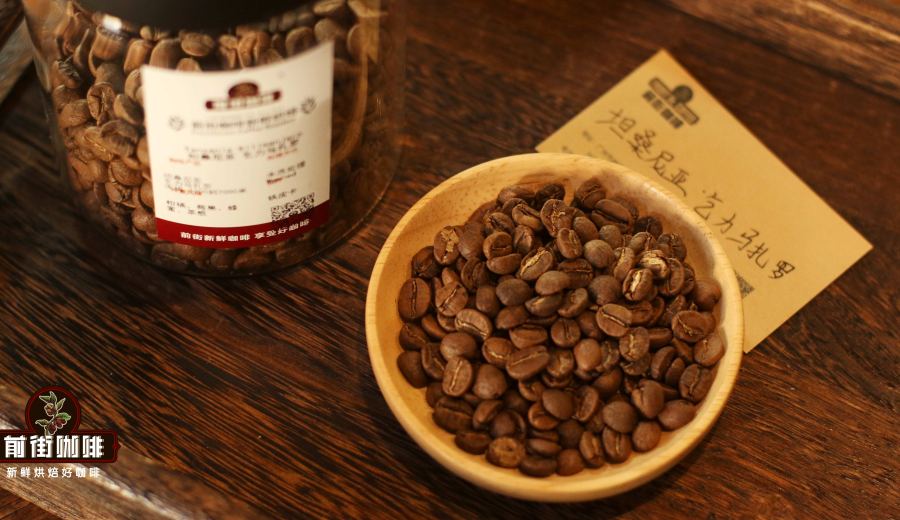
Introduction:Although Tanzanian coffee is not as well-known as that of its neighbor Kenya, its production volume is comparable, and it boasts uniquely distinctive flavors. This article delves into the main coffee-growing regions of Tanzania, including how the terrains of Kilimanjaro and Ruvuma influence flavor profiles. It introduces the primary coffee varieties, processing methods, grading standards, roasting recommendations, and provides practical pour over parameters to help you better appreciate the charm of this East African coffee-producing nation.
Located in East Africa, Tanzania borders Kenya, Uganda, Malawi, Mozambique, Zambia, Rwanda, and Burundi. It boasts abundant natural resources and diverse terrain, with high-altitude areas being particularly suitable for coffee cultivation. Approximately 75% of the country’s coffee is grown in mountainous regions at elevations between 1,200 and 2,100 meters, and it is also home to some wild coffee species. Although the coffee industry here started early—dating back to 1893 when Arabica seeds were introduced from Réunion Island and initially planted in Bayamoyo and Mogoro—it achieved a breakthrough on the slopes of Mount Kilimanjaro. In the 1950s, new varieties were introduced from Burundi to the western part of the country.
Unlike most other African coffee-producing countries, Tanzania exports its coffee in agave fiber bags rather than the more common jute sacks. This practice is intended to protect the country’s sisal industry and reflects a commitment to valuing local resources.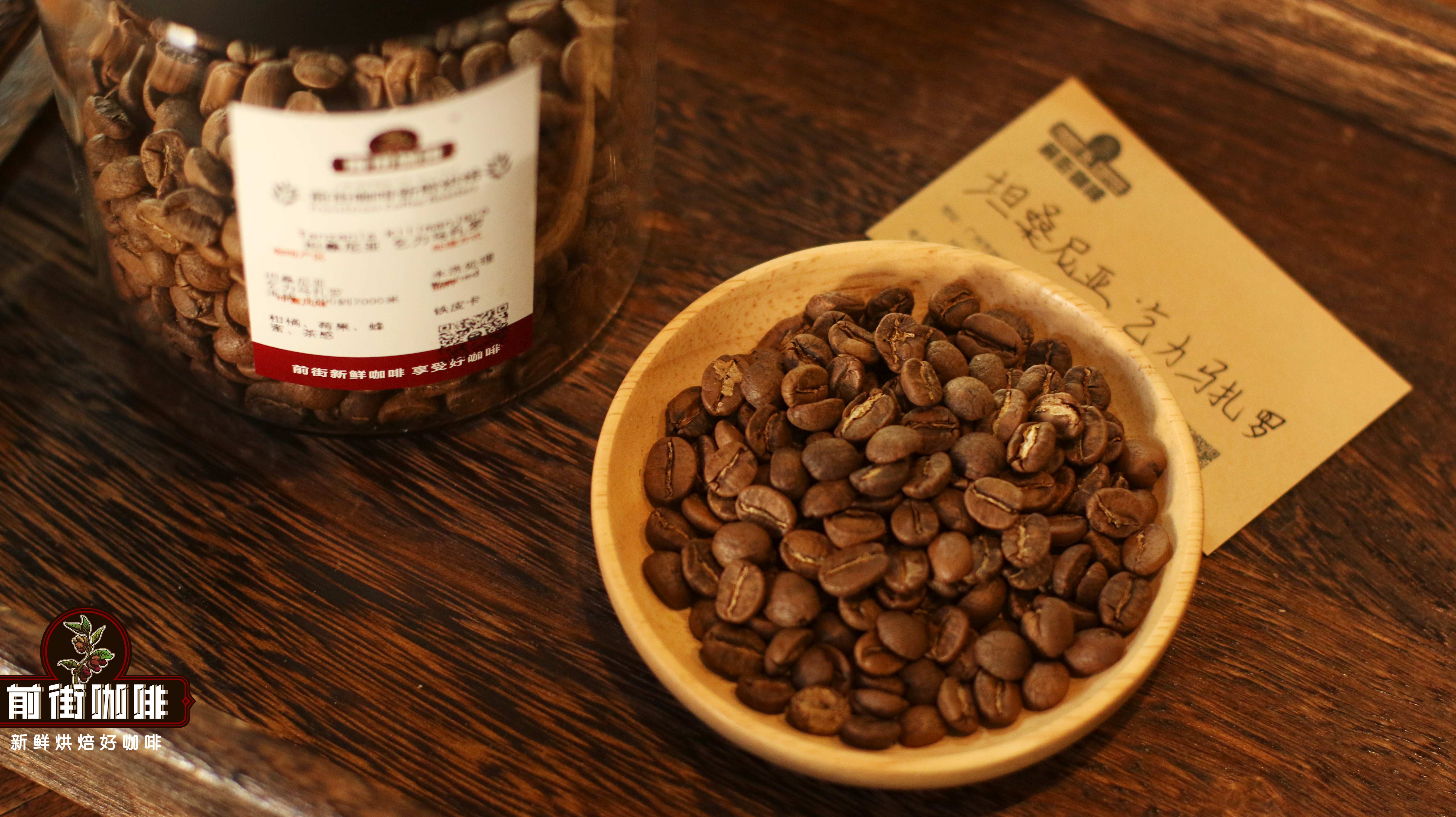
In terms of flavor profile, Tanzanian coffee is often compared to Kenyan beans. Compared to the bright acidity of Kenyan coffee, Tanzanian coffee has a more subdued acidity, with an overall style that is smoother and more mellow, accompanied by natural sweetness and a unique wine-like aroma. It appeals to coffee lovers who prefer a gentler taste. Although it is slightly less internationally renowned, Tanzania’s annual coffee production is nearly on par with Kenya’s, reaching around 50,000 metric tons, demonstrating that its industry scale should not be underestimated.
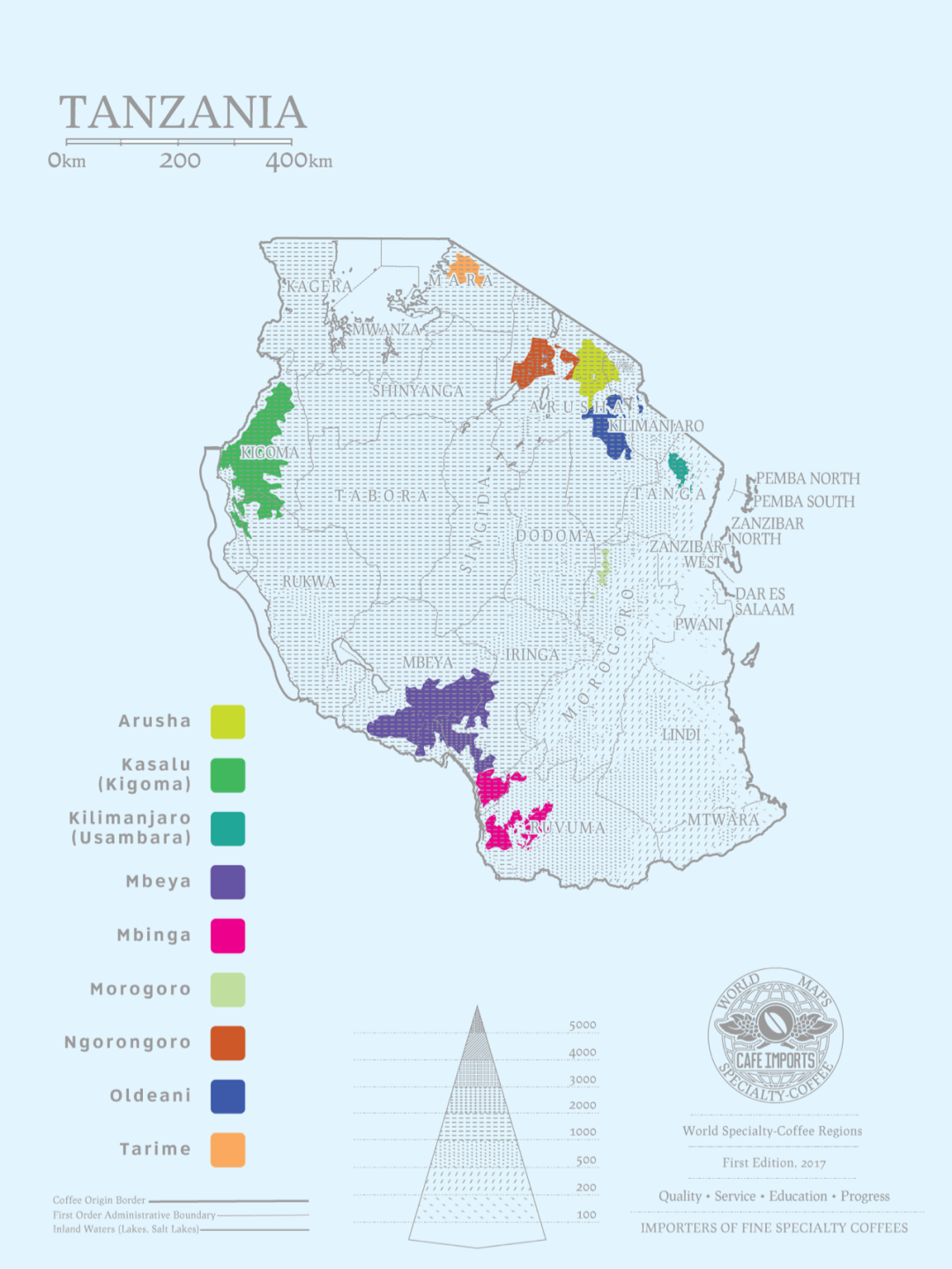
Tanzania’s main coffee-growing regions can be divided into two major blocks: northern and southern. The north is dominated by the area surrounding the famous Mount Kilimanjaro, including places like Moshi and Mbeya. It is the country’s largest coffee-producing region, accounting for over 75% of national output. The region is known for its volcanic soil, with elevations mostly ranging between 1,300 and 2,000 meters, making it highly suitable for traditional varieties such as Typica. Washed processing is the norm here. Coffee from this area typically exhibits rich fruity and floral aromas, bright and full-bodied acidity, and a balanced profile. Compared to neighboring Kenyan beans, its flavors are mellower but still maintain clear layers.
The southern growing regions are represented by the Songea-Ruvuma area along the Ruvuma River basin, with elevations of about 1,200 to 2,100 meters. The main variety grown here is Bourbon, and washed processing is also commonly used. The coffee from this region showcases a different personality, often with pronounced floral and fruity notes, along with a hint of wine-like aroma. Its mouthfeel is smoother, and the acidity is softer and more elegant, forming a contrast with the bright fruit acids of the north.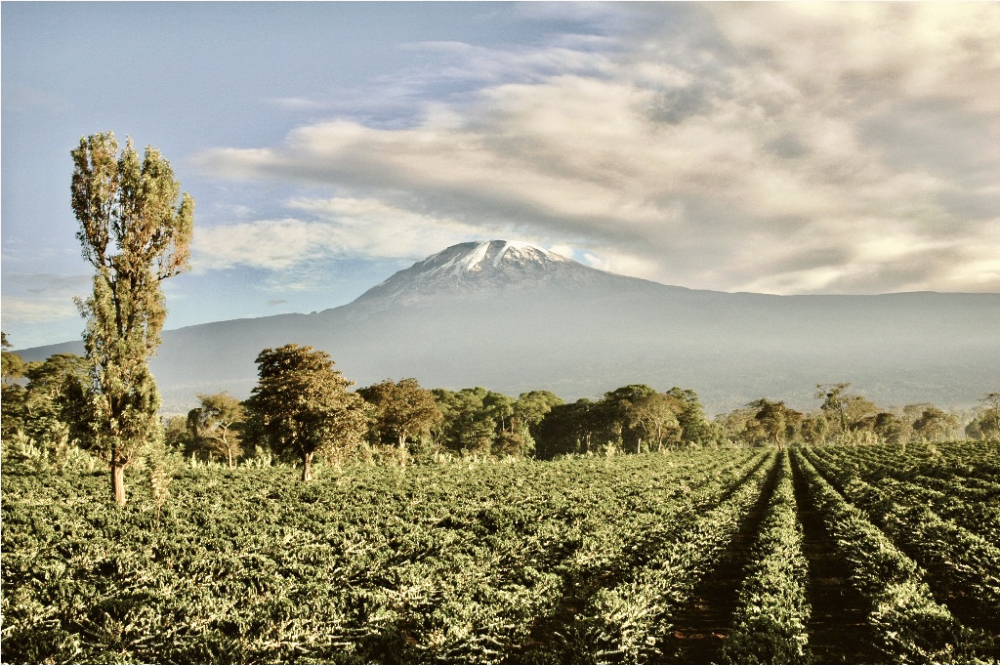
In terms of coffee bean shape, Tanzania, like other producing regions, also produces what is known as “peaberry (Caracolillo).” This occurs when uneven pollination or nutrient distribution leads to only one oval-shaped seed developing inside a single coffee cherry, with an occurrence rate of about 3% to 5%. Due to their unique shape, peaberries are often sorted and sold separately. They are also believed to have more intense flavor profiles because their growth conditions usually concentrate more nutrients within the single seed.
In Tanzania’s coffee grading system, the official highest grade is AAA, while the more commonly seen AA and AB grades are the basic classifications. It is worth noting that terms like AA top and AB plus occasionally appear in the market. These are actually products that have undergone secondary screening by traders based on the official base grades, and they are not officially recognized grading levels. When selecting, it is recommended to prioritize AA or AAA grades to ensure quality consistency.
Regarding processing methods, most of Tanzania’s exported coffee uses traditional washed processing. The process includes sorting, pulp removal, natural fermentation for 12 to 24 hours, thorough washing, re-soaking, and then sun drying. This method effectively highlights the coffee’s cleanliness and bright acidity, especially for varieties grown at high altitudes, helping to showcase delicate fruity and floral notes.
Below is a set of practical roasting and pour over recommendations for a washed coffee bean from the volcanic region of northern Tanzania’s Mount Kilimanjaro, provided for coffee enthusiasts to reference and try out:
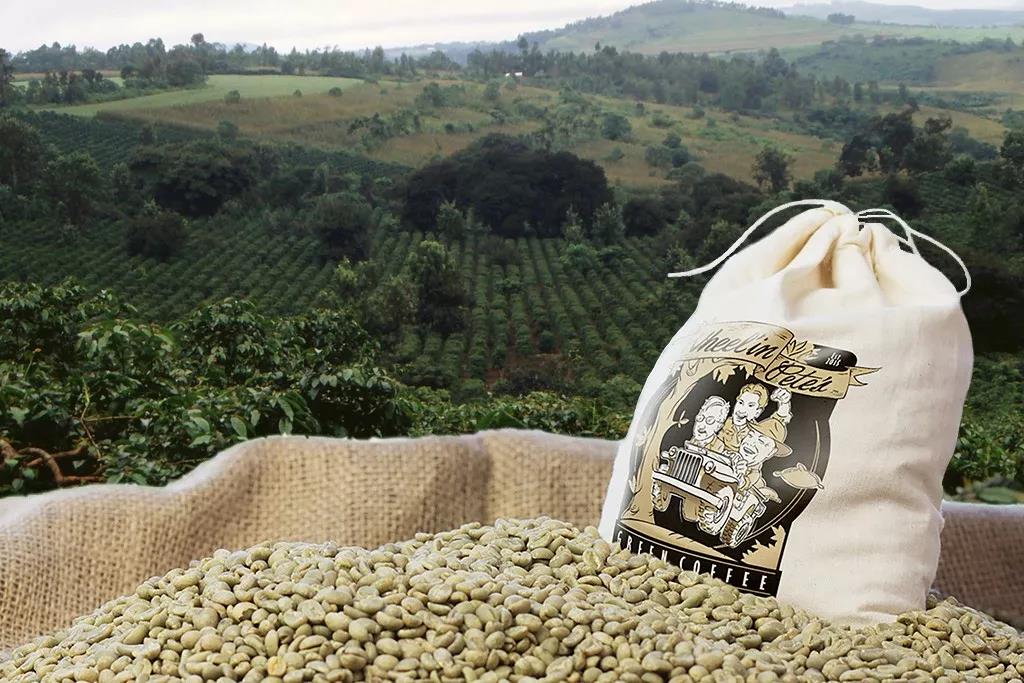
【Roasting Recommendations】
Region: Kilimanjaro Volcanic Region, Tanzania
Variety: Typica
Processing Method: Washed
Elevation: 1,300–2,000 meters
Grade: AA
Bean Appearance: Large, grayish-green
Roast Level: Medium-light roast
Roasting Focus: Use a medium-light roast to highlight clear acidity and floral-fruity notes, suitable for showcasing the region’s unique fruitiness and wine-like acidity. Recommended charge temperature: 170°C, initial flame: 130, air damper: 3. Stabilize the temperature rise and adjust parameters according to bean surface changes. End the roast one minute and forty-five seconds after the start of first crack, with a drop temperature of about 193°C.
【Pour Over Parameter Recommendations】
Coffee Dose: 15 grams
Coffee-to-Water Ratio: 1:15
Grind Size: Medium-fine (approximately 80% through a #20 sieve)
Water Temperature: 90°C
Extraction Method: Pulse pouring
Operation Steps: Start with a 30-second bloom using 30 grams of water, then pour in a small circular motion until reaching 125 grams for the first pour. When the water level drops and is about to expose the coffee bed, continue pouring to 225 grams, then remove the filter when drainage is nearly complete. Total extraction time is about 2 minutes. These parameters help balance acidity, sweetness, and body, highlighting the coffee’s delicate layers.
【Flavor Profile】
This Tanzanian coffee presents a wine-like acidity similar to Kenyan beans, but with a softer and more understated expression. It offers a balanced acidity and sweetness, with a round mouthfeel and medium viscosity. The aftertaste is long-lasting, featuring both fruity notes and a refined acidity. It suits coffee drinkers who enjoy a gentle yet layered flavor profile, performing excellently whether served hot or as an iced coffee.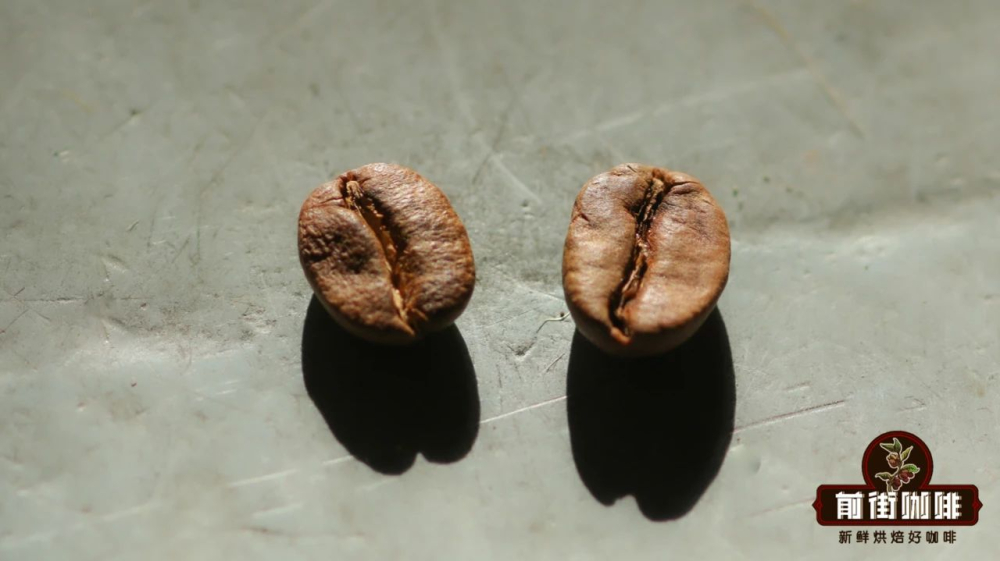
The above content is compiled by CoffeeHunters, a coffee news website.


