








Introduction:The Boquete region in Panama is a holy grail for specialty coffee enthusiasts, renowned worldwide for its Geisha variety. This article will delve into the unique geographical and climatic advantages of the region, analyze in detail the flavor characteristics and grading system of Geisha coffee, explore the differences among the Red Label, Green Label, and Blue Label grades, and examine how washed and natural processing methods affect flavor — helping you find the Geisha experience that suits you best.
Though a small Central American country, Panama’s distinctive geography and microclimates nurture the Geisha coffee that coffee lovers around the globe flock to. From Boquete to Volcán, from the Red Label, Green Label to the Blue Label of Hacienda La Esmeralda, each grade has its own captivating charm. If you want to deeply understand the essence of Panama’s specialty coffee, follow this article on an exploration.
When it comes to Geisha, many coffee enthusiasts are no strangers. This coffee offers a bright floral aroma, citrus notes, and vibrant acidity, delivering a refreshing taste that is unforgettable upon first try. Especially in the Boquete region, superior altitude and climate conditions allow Geisha to exhibit particularly outstanding complexity. Next, we’ll provide a comprehensive analysis of the allure of Panama Geisha, covering everything from growing environments, historical development, regional distribution, to representative beans from major estates.

Panama is located on the Central American isthmus, bordered by Colombia to the east, the Pacific Ocean to the south, Costa Rica to the west, and the Caribbean Sea to the north. The country’s terrain is predominantly mountainous, with only small plains along the coasts. The mountainous landscape and undulating topography, combined with a tropical maritime climate featuring significant diurnal temperature variations, moderate humidity, and abundant rainfall, provide ideal conditions for high-quality coffee cultivation. As a result, Panamanian coffee not only boasts well-balanced acidity but also carries uniquely delicate flavors, with some even described as possessing an elegant undertone akin to that of Blue Mountain coffee.
The history of coffee cultivation in Panama dates back to 1780, when a retired British naval officer planted the first Typica seedlings in the Boquete Valley. Coffee farming gradually expanded to the western mountainous regions afterward. However, during the colonial period, coffee production focused on yield rather than quality, causing Panamanian coffee to lag behind neighboring Costa Rica for a long time, with output only one-tenth of its neighbor. It wasn’t until 1989, when seven prominent estates jointly established the Panama Specialty Coffee Association (SCAP), that a new chapter in the development of specialty coffee began. In 1996, Panama hosted its first green coffee competition and auction, encouraging participation from small producers and promoting the industry toward premiumization and branding. Notably, the large number of professionals brought in during the U.S.-assisted construction of the Panama Canal, whose descendants often had higher education backgrounds, laid the foundation for the scientific management of Panamanian coffee.
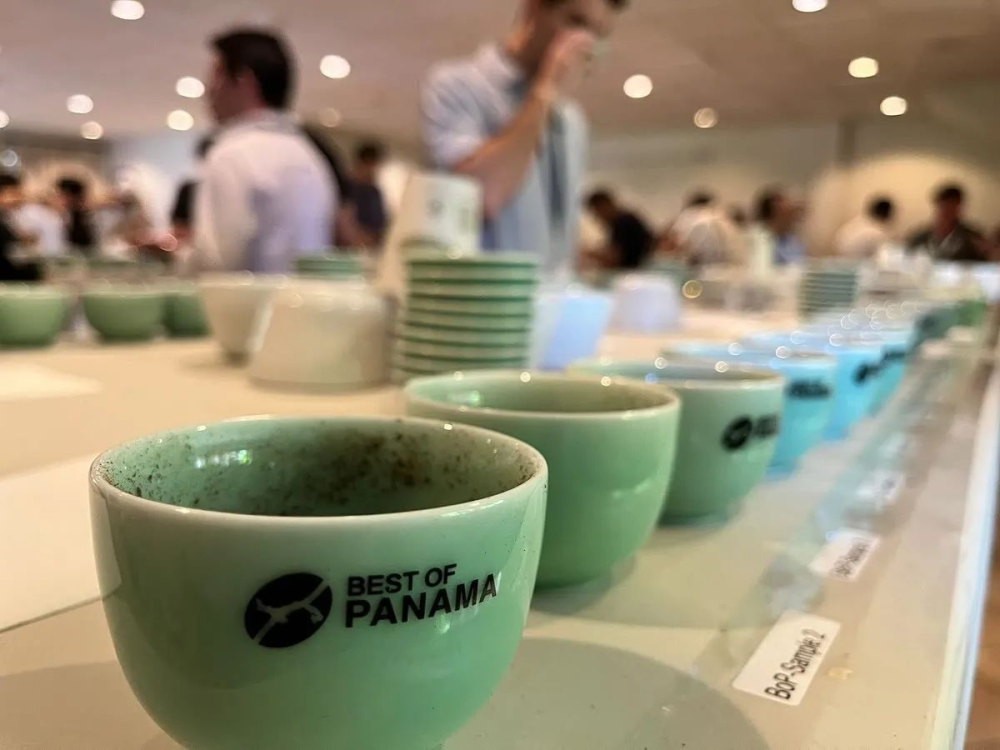
Panamanian coffee truly gained international fame in 2003 when the Geisha variety from Hacienda La Esmeralda won the Best of Panama (BOP) competition, sparking widespread enthusiasm in the global specialty coffee community. Geisha was even hailed as the “Champagne of coffee.” That year, the highest bid in the BOP washed category surpassed $160 per pound, while the natural category was claimed by a Geisha from Hacienda La Esmeralda at an astounding price of over $350 per pound — a record that remains legendary in the industry to this day.
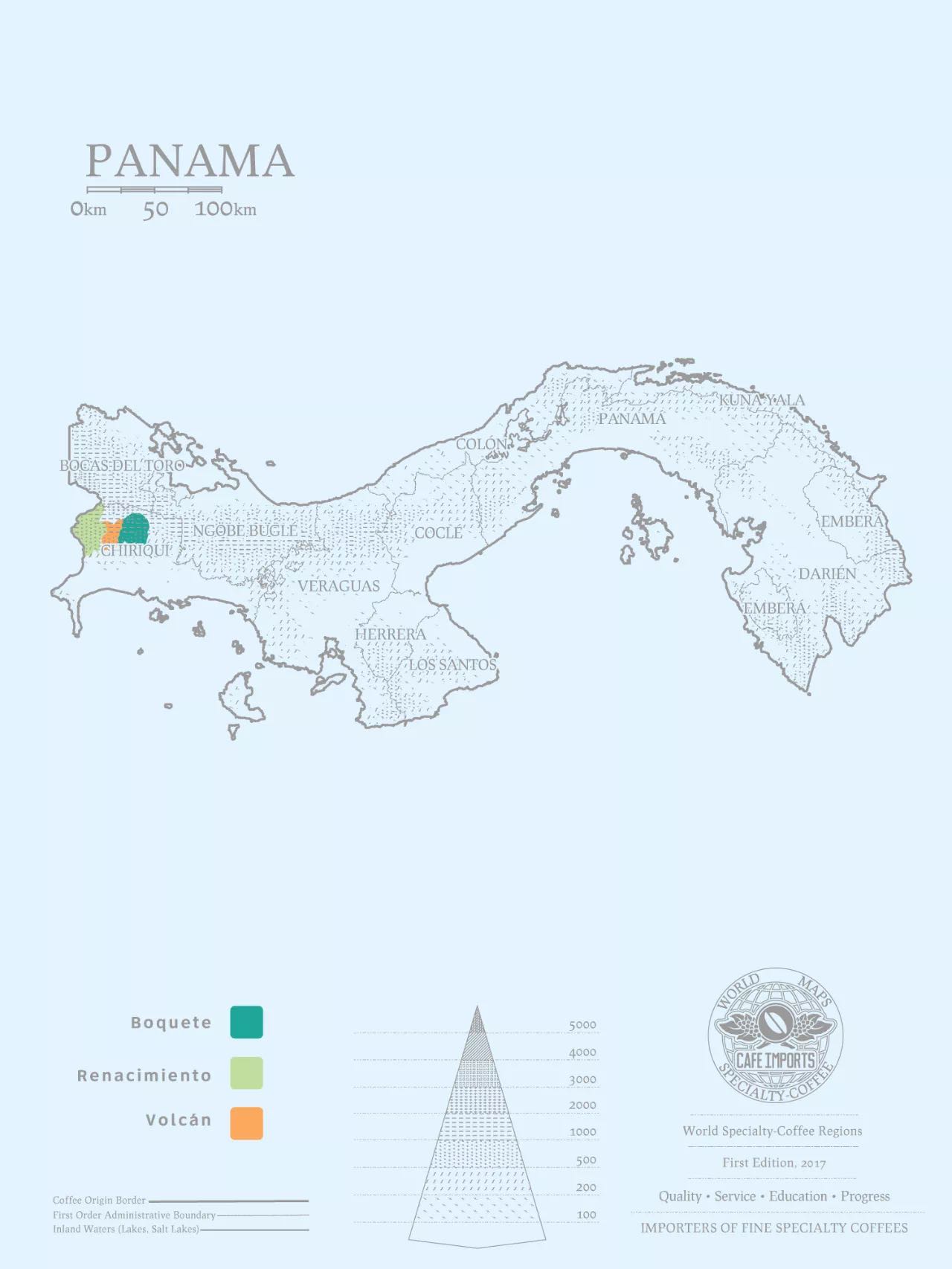
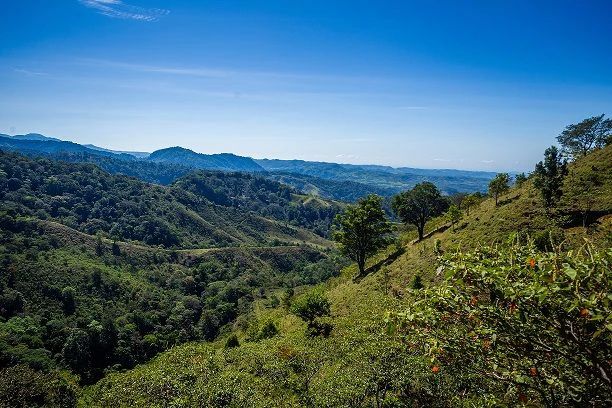
Due to its complex and varied geography and climate, Panama’s coffee-growing regions consist of multiple distinctive micro-regions. Major producing areas include Boquete, Volcán, Santa Clara, and Piedra de Candela. Among them, Boquete, with an altitude of about 1,450 meters, is the core area of Panama’s coffee production — both the largest in output and the highest in quality — and is home to renowned estates such as Hacienda La Esmeralda, Finca Kotowa, and Finca Elida. The Volcán region sits at even higher altitudes, ranging between 2,000 to 3,000 meters, producing coffee with mild and balanced flavors that are gradually gaining international market attention, with coffee from the Barú volcano being a representative example. Santa Clara benefits from its proximity to the Panama Canal and the nourishing waters of the Chorerra waterfall, making it an important hub for coffee transport. Piedra de Candela, a micro-region within Volcán, sits at around 1,200 meters in altitude, named after the Barú volcano and the town of Piedra de Candela, and is considered a high-potential specialty coffee region with great development prospects.
Panama’s coffee bean grading system is primarily based on altitude and can be roughly divided into: Strictly Hard Bean (SHB, above 1,500 meters), Hard Bean (HB, 1,400–1,500 meters), Semi-Hard Bean (SH, 1,300–1,400 meters), European Preparation Washed (EPW, 1,000–1,300 meters), Premium Washed (PW, 800–1,000 meters), Extra Good Washed (EGW, 600–800 meters), and Good Washed (GW, below 600 meters). Generally, the higher the altitude, the brighter the acidity, the richer the flavors, and the better the performance of high-altitude varieties like Geisha.
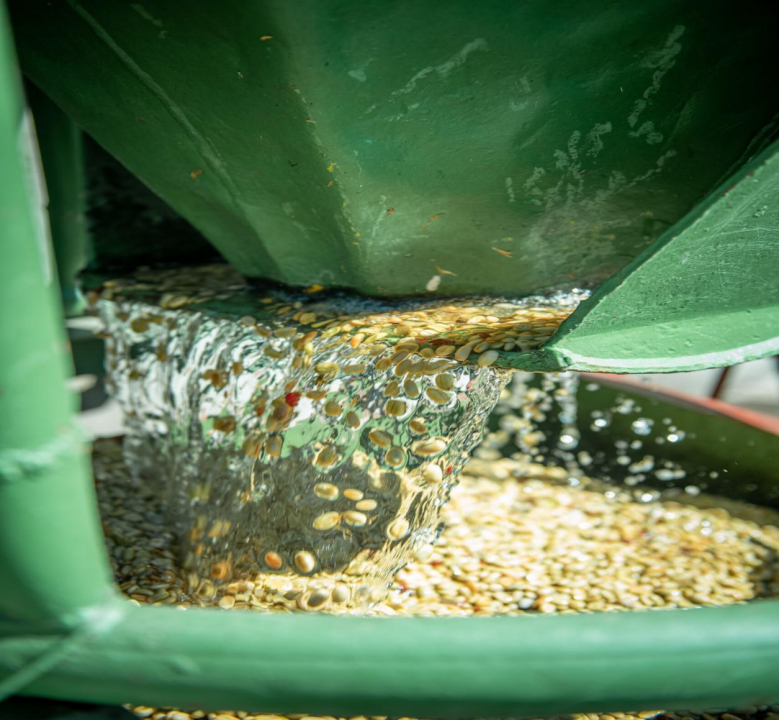
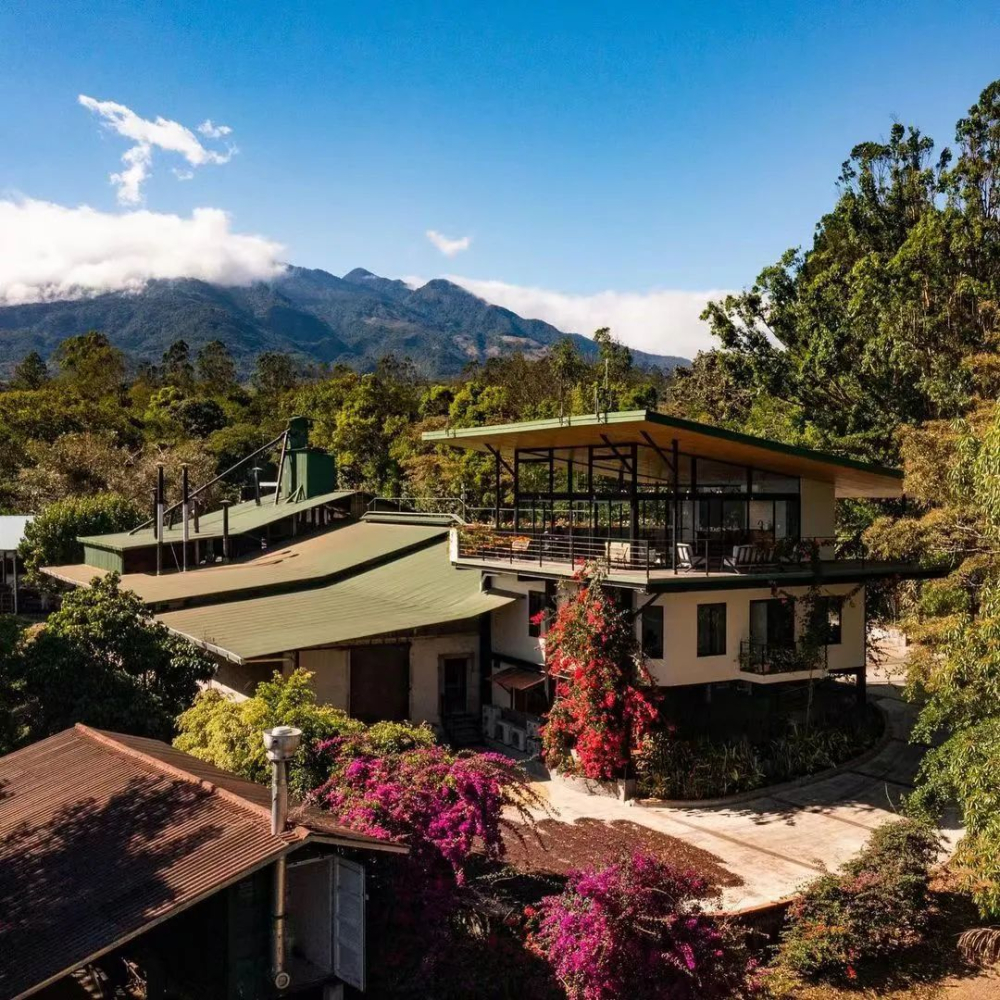
Among the many Panamanian estates, Hacienda La Esmeralda is undoubtedly the most representative producer of Geisha coffee. The estate was originally purchased in 1964 by American banker Rudolph Peterson, initially used for dairy farming. Later, his son Price, who switched careers to medicine and returned to help manage the estate, introduced the Caturra and Catuaí varieties in 1987 and built a washed processing facility in 1994, officially entering the specialty coffee arena. Currently, Hacienda La Esmeralda has three main farms cultivating Geisha: Finca Jaramillo, Finca Cañas Verdes, and Finca El Velo. Among them, Finca El Velo was acquired as early as 1996 and was initially considered only useful as a windbreak. However, its superior altitude and terroir were rediscovered, making it an important Geisha-producing area. Through meticulous cupping selection, the estate further distinguishes its beans into three major grades — Red Label, Green Label, and Blue Label — based on altitude and plot performance, solidifying its position in the specialty coffee market.
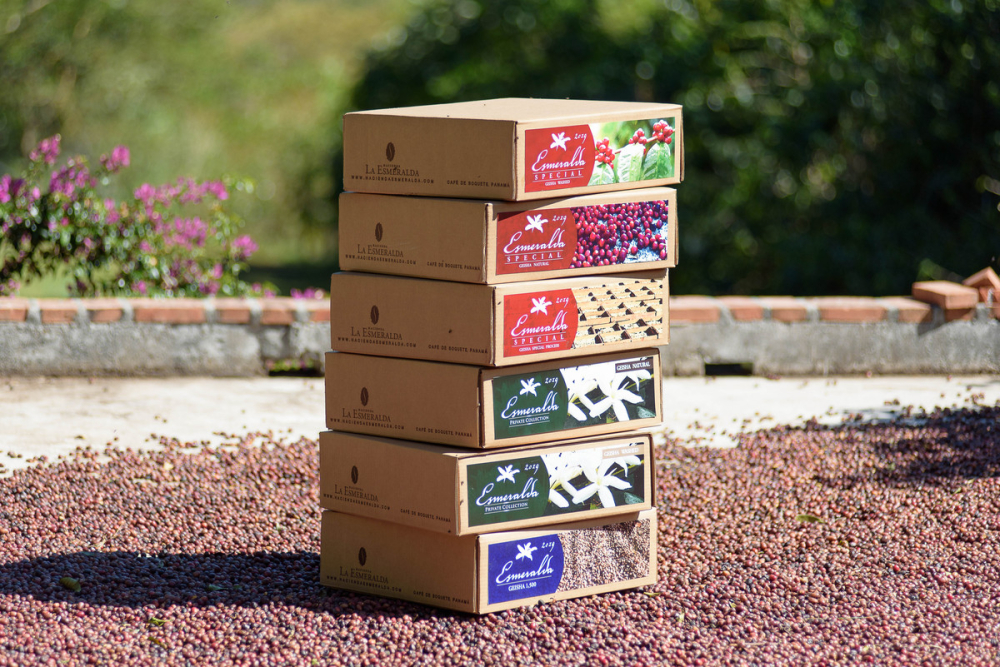
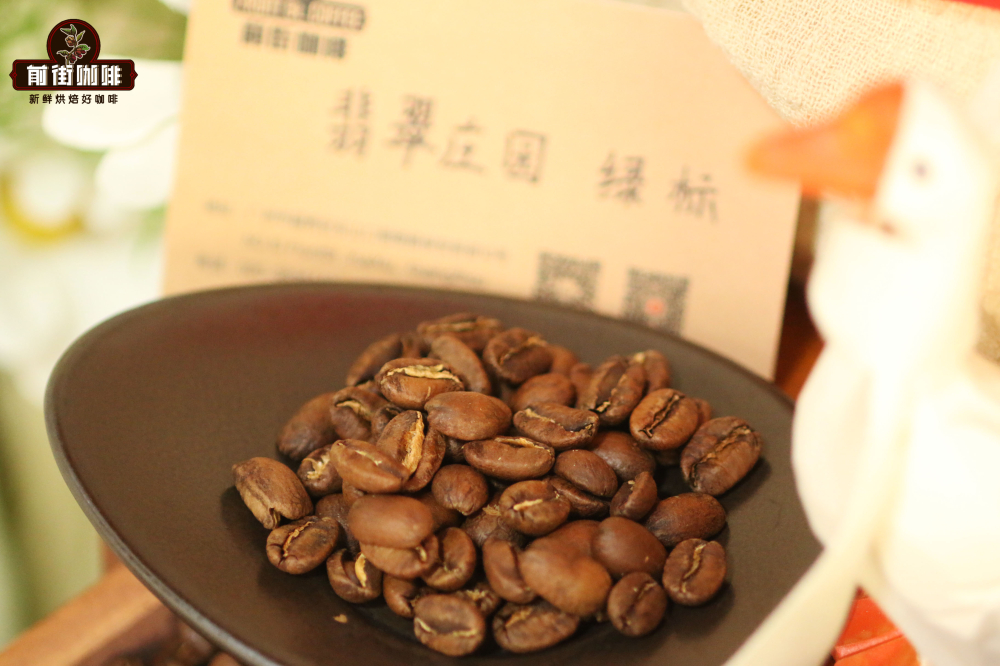
The Geisha product line from Hacienda La Esmeralda mainly consists of three brand series: the Geisha variety includes Esmeralda Special, Private Collection, and Geisha 1500; the Catuaí variety includes Diamond Mountain and Pamela. The Red Label Geisha comes from batches grown at altitudes of 1,600 to 1,800 meters with cupping scores of 90 or above, typically reserved for auctions, though non-auction versions are also available. Many consumers ask about the difference between Red Label and Auction Red Label — the two come from the same origins, with the only distinction being auction participation. Non-auction Red Labels still offer excellent value in terms of both price and flavor. The Green Label (also known as Private Collection) is a blend of Geisha beans from different plots of the two main farms. Although individual plots cannot be traced, it still delivers the classic floral, citrus notes, and full body, and since 2022, sub-farm information has begun to be labeled. The Blue Label Geisha (i.e., the Geisha 1500 brand) uses a blend of beans from three plots at altitudes of 1,400 to 1,500 meters. Its flavor is comparatively lighter and fresher. Initially only available in washed processing, a natural option was added starting in 2020 to offer more choices.
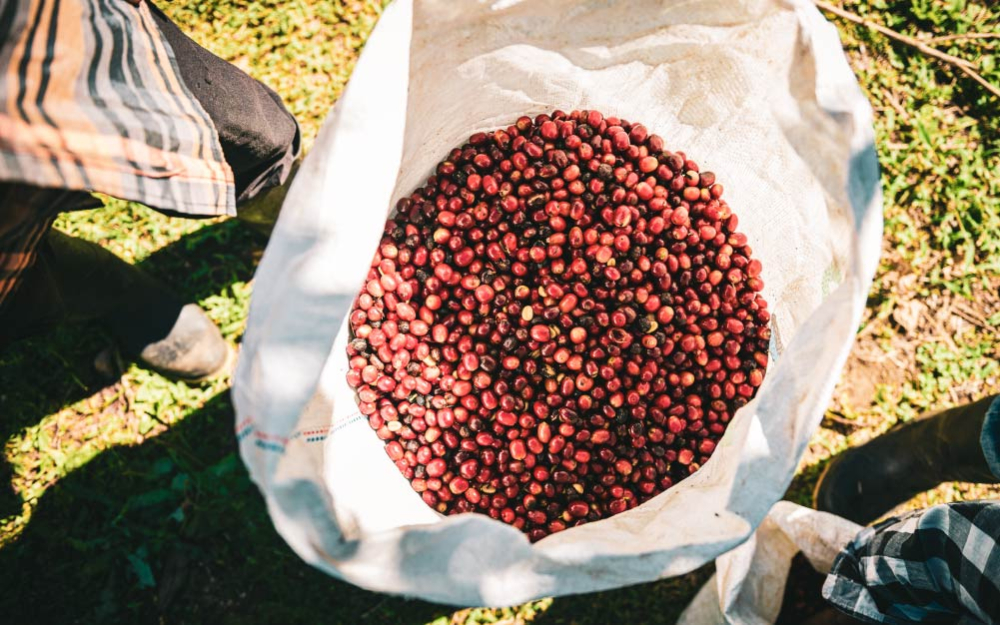
The washed Blue Label Geisha from Hacienda La Esmeralda, grown at 1,400–1,500 meters, features citrus, lemon, honey, nuts, and a tea-like profile, with a refreshing mouthfeel. The natural Blue Label showcases more berry, fermented notes, and melon flavors, with greater body. The difference between the two processing methods lies in this: washed processing involves fermenting to remove the mucilage, then washing with clean water, resulting in a cleaner flavor and brighter acidity — suitable for those who prefer a refreshing taste. Natural processing retains some fruit flesh during drying, leading to a richer flavor with wine-like fermentation layers and a fuller mouthfeel. The washed process includes harvesting, flotation, depulping, fermentation to remove mucilage, washing, drying, and hulling — emphasizing the removal of impurities and controlled fermentation. The natural method involves directly sun-drying the coffee cherries until their moisture content drops to 10–12%, then removing the outer husk. This process is simpler but requires careful attention to even drying.
Beyond Hacienda La Esmeralda, Panama has many other high-quality estates worth exploring. For example, Jensen Estate, located in Volcán at an altitude of 1,750 meters, is the country’s second-largest Geisha producer and won second place in the 2013 BOP competition. The estate employs a dedicated processing facility and rigorous roasting protocols, yielding complex flavors with layers of maple syrup, lemon, apple, rose, and dark chocolate. Elida Estate, also from Boquete at 1,850 meters, has won the Best of Panama award for five consecutive years. It mainly grows Typica, and its naturally processed beans offer sweet flavors such as raisins, peaches, oranges, and cane sugar. Planted within the Barú Volcano National Park, it benefits from a unique microclimate. Hartmann Estate, located in Volcán at altitudes between 1,250–1,700 meters, is known for combining the Catuaí variety with red wine processing, yielding flavors with tropical fruits, nuts, and the richness of red wine. Flower Power coffee beans are another high-value option from the Boquete region. A mix of Geisha, Caturra, and Catuaí, though not a traditional blend, they share the same origin and origin-related traits, exhibiting rich citrus, floral, and honey notes — highly favored by beginners.
In summary, the Boquete region of Panama, with its exceptional natural conditions and advanced cultivation techniques, has become a vital specialty coffee-producing area globally. Geisha coffee, with its unique flavor and high-altitude performance, has not only achieved remarkable success in international competitions but has also become the top choice for coffee enthusiasts seeking the ultimate taste experience. From the classic grading system of Hacienda La Esmeralda to the diverse styles of various estates, you can choose the Panamanian specialty coffee beans that best suit your personal taste preferences.
The above content is compiled by CoffeeHunters, a coffee news website.


