








Introduction:Delve into the unique charm of Costa Rican honey-processed coffee beans—from their major producing regions and classic cultivars to the processing differences and flavor profiles of yellow honey, red honey, and black honey. This article offers a comprehensive analysis. It also shares expert cupping insights and practical pour over parameters to help coffee enthusiasts master the brewing essentials of this Central American representative of sweetness.
Costa Rican coffee is world-renowned for its honey processing method, with its outstanding sweetness and full-bodied mouthfeel becoming a classic favorite among many coffee lovers. Honey processing does not involve adding honey during production, but rather retaining the fruit’s mucilage layer during sun drying, allowing natural sugars to permeate the beans and impart a unique sweet aroma and rich texture. This article provides an in-depth yet accessible introduction, covering Costa Rica’s geographical background, main producing regions, bean variety characteristics, as well as the grading and flavor comparisons of honey processing, supplemented by actual cupping records and recommended pour over parameters to give you a well-rounded understanding of the country’s coffee style.

Costa Rica is one of the few Central American countries globally recognized for its high-quality specialty coffee. As early as 1832, the local government introduced policies to encourage coffee cultivation—anyone planting coffee on unused public land could claim ownership of that land. This move significantly boosted the development of coffee agriculture and led to the current industry structure dominated mostly by small private estates. After abolishing its military in 1949, Costa Rica focused on education, environmental protection, and sustainable agriculture, laying a solid foundation for its specialty coffee.
In terms of natural conditions, Costa Rica benefits from the terrain originating from the Andes Mountains, rich volcanic soils, and a humid climate influenced alternately by the Pacific Ocean and the Caribbean Sea, providing an ideal environment for coffee growth. These factors collectively contribute to the clean taste and bright acidity commonly found in its coffee, which—enhanced by honey processing—showcases tempting sweetness and layered fruity notes.
Costa Rica has eight major coffee-growing regions, including the Western Valley (Valle Central Occidental), Central Valley (Valle Central), Tarrazú, Tres Ríos, Orosi, Brunca, and Turrialba. Among these, Tarrazú and the Central Valley are the two most representative regions, not only blessed with superior altitude conditions but also known for their consistently high-quality green beans. The commonly used Costa Rican everyday beans are sourced from the Tarrazú region, making them suitable for daily drinking and flavor exploration.
In terms of varieties, Costa Rica, similar to many Central and South American countries, primarily grows Bourbon-type cultivars, including Bourbon, Caturra, and Catuai. Additionally, Geisha has been introduced, though its performance differs slightly from that in neighboring Panama. Notably, Costa Rica also has unique local varieties such as Villa Sarchi and Villalobos. The former is a dwarf mutation of Bourbon with a green-tipped leaf, offering complex flavor layers and suitable for medium to dark roasts, with notes of floral, cherry, and spices; the latter is a Typica variety with strong high-altitude adaptability, high sweetness, and soft acidity, making it an excellent choice for enduring cold and poor soil conditions.
Costa Rica’s coffee grading system is mainly based on altitude. The highest grade is SHB (Strictly Hard Bean), requiring growth at altitudes above 1,500 meters; followed by GHB (Good Hard Bean, 1,100–1,200 meters) and HB (Hard Bean, 1,000 meters). Generally, the higher the altitude, the slower the coffee cherries ripen, leading to more concentrated flavor development, brighter acidity, and richer sweetness. The single-origin Costa Rican beans commonly found in the domestic market mostly belong to the SHB grade, delivering stable and excellent performance.
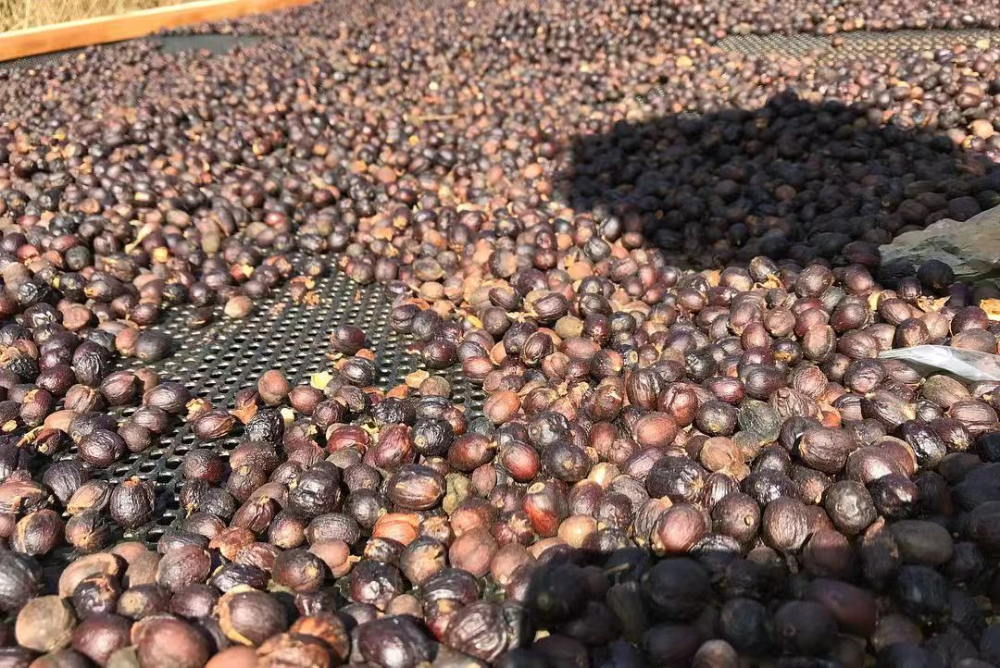
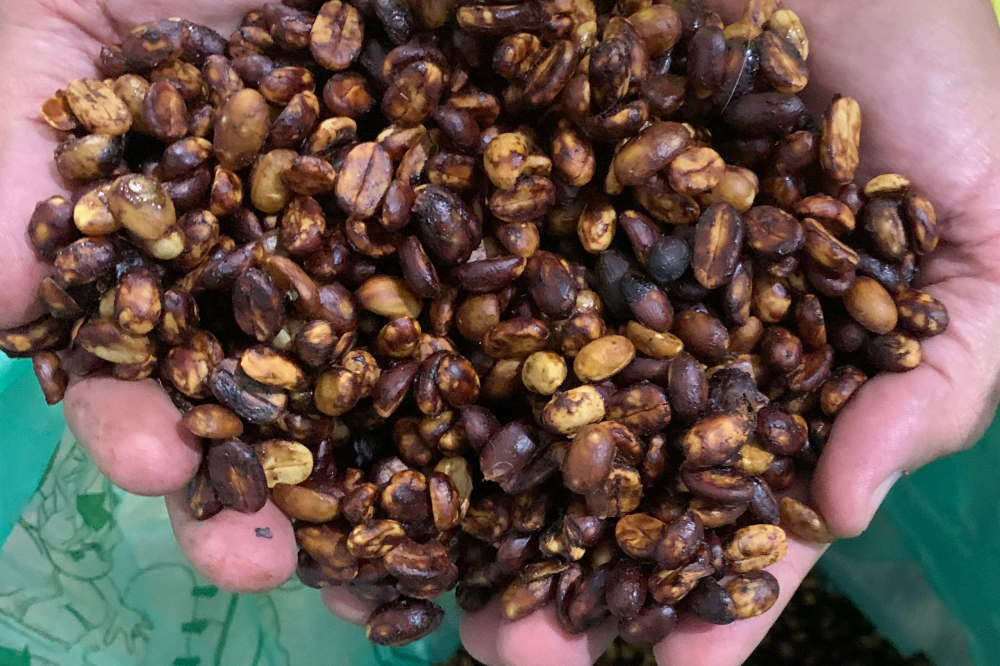
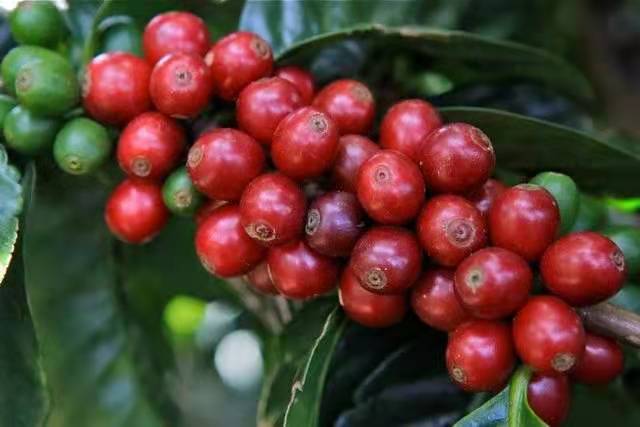
Costa Rica’s honey processing method (also known as Honey Process or Miel Process) is one of the world’s renowned special processing techniques. Its key lies in retaining the coffee fruit’s mucilage layer during sun drying without washing it off, allowing sugars to penetrate the seeds during drying, thereby enhancing sweetness and body. Although the term “honey” is in the name, no actual honey is added—it is a metaphor for the sugary aroma and viscous texture brought by the mucilage.
Depending on the retained mucilage ratio and drying methods, honey processing can be divided into three main types: yellow honey (Yellow Honey), red honey (Red Honey), and black honey (Black Honey). Yellow honey removes about 40% of the mucilage and dries under the most sunlight for approximately 8 days, resulting in a fresher flavor with noticeable sweetness but relatively simpler layers. Red honey retains about 25% of the mucilage, avoids intense sunlight during drying, and extends the process to around 12 days, yielding a more complex sweet aroma often with caramel and stone fruit notes. Black honey retains nearly 80% of the mucilage, requires shading, and involves slow drying for at least two weeks, delivering the most intense flavors, often showcasing bold fermented wine aromas, berry notes, and dark syrupy textures, making it the richest and most flavorful type of honey processing.
However, honey processing places extremely high demands on the environment and technique; improper handling can easily produce off-flavors reminiscent of onion, durian, or even alcohol. Therefore, when selecting honey-processed beans, it is advisable to choose reputable estates or exporters. Successful honey-processed beans not only boast prominent sweetness but also maintain clarity and balance, making them a prized choice for many pour over enthusiasts.
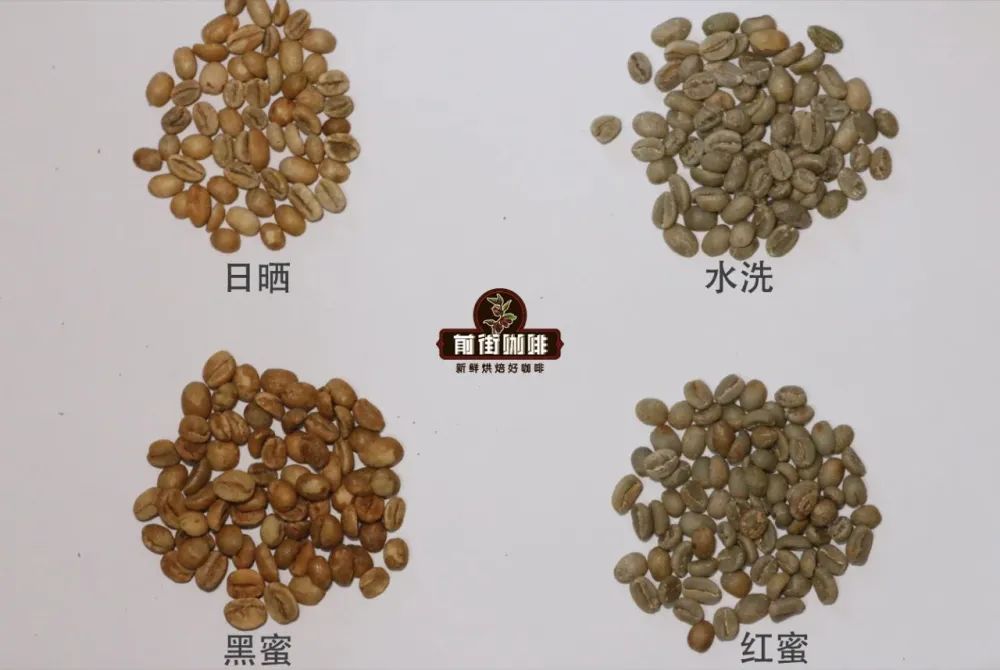
Actual cupping experiences show significant differences in aroma and taste among the various levels of honey processing. Using the V60 pour over as an example, with 15 grams of coffee grounds, 90°C water temperature, a 1:15 coffee-to-water ratio, and a grind size passing 80% through a standard Chinese No. 20 sieve, the brewing is done in three pours: 30 grams for a 30-second bloom, followed by additions to 125 grams and 225 grams, with a total extraction time of about 2 minutes.
Costa Rican coffee processed with yellow honey has a light, mildly fermented fruity aroma, with cupping notes primarily of citrus, cocoa, nuts, honey, and caramel, offering an overall refreshing profile suitable for those who prefer clean and bright flavors. Red honey processing exhibits rich, fermented red wine aromas, with cupping notes including pineapple, sweet orange, nectarine, grape, cream, raisin, and maple syrup, featuring complex layers and pronounced sweetness. Black honey processing is the most explosive, with aromas of jackfruit, raisin, and fermented wine, and cupping notes that reveal a complex combination of plum, citrus, caramel, and spices, achieving a balanced sweet-and-sour profile with a long-lasting finish.
In summary, ranking by sweetness: black honey > red honey > yellow honey; in terms of clarity: yellow honey > red honey > black honey; for balance, red and yellow honey perform similarly and steadily, while black honey stands out with its intensity and distinct character. Whether you prefer a refreshing citrus profile or rich berry and wine notes, Costa Rica’s honey-processed beans offer a diverse range of flavor experiences.
The above content is compiled by CoffeeHunters, a coffee news website.


