







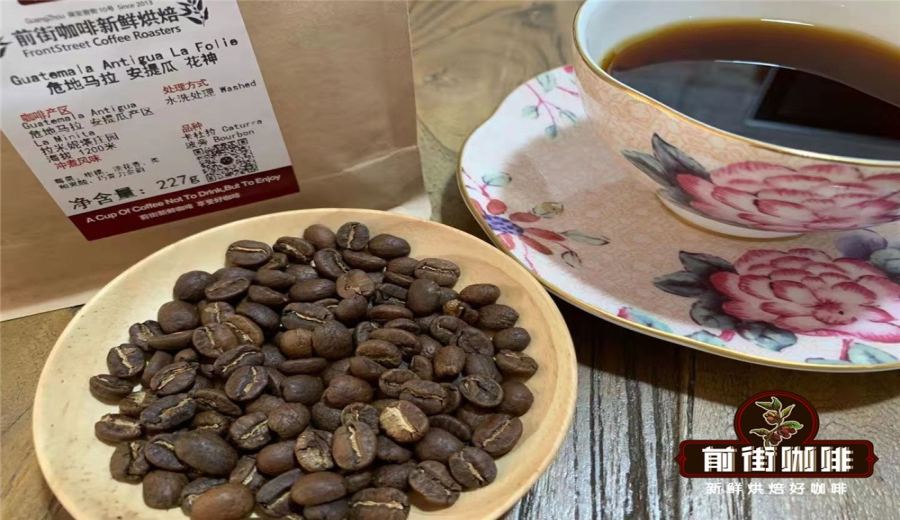
Introduction:Want to explore the unique charm of Guatemala Huehuetenango coffee? This article delves into the terroir, variety characteristics, and washed processing of this renowned Central American coffee, analyzing the sources of its bright acidity and distinctive smoky notes. It also provides practical pour-over parameters and storage advice to help you fully grasp the essence of this high-altitude specialty coffee—from its growing background to brewing practice.
Guatemalan coffee has long been celebrated in Central America for its rich flavor complexity, and among its regions, Huehuetenango stands out as an iconic star. Many beginners often confuse it with Ethiopia’s Yirgacheffe—both showcase bright acidity, but their terroir stories are vastly different. This article will take you through the region’s environment, variety selection, processing techniques, and practical pour-over tips to comprehensively analyze this highly regarded coffee.
Many people find it difficult to distinguish Yirgacheffe from Huehuetenango upon first taste. This actually reflects how terroir profoundly influences coffee flavor. African Ethiopian coffees are known for their fresh floral notes and bright acidity, representing the classic profile of African beans; whereas Guatemalan coffees, often grown in volcanic terrain, tend to have a full body, nutty and chocolatey tones, and even a hint of smokiness, showcasing a rich Central American character.
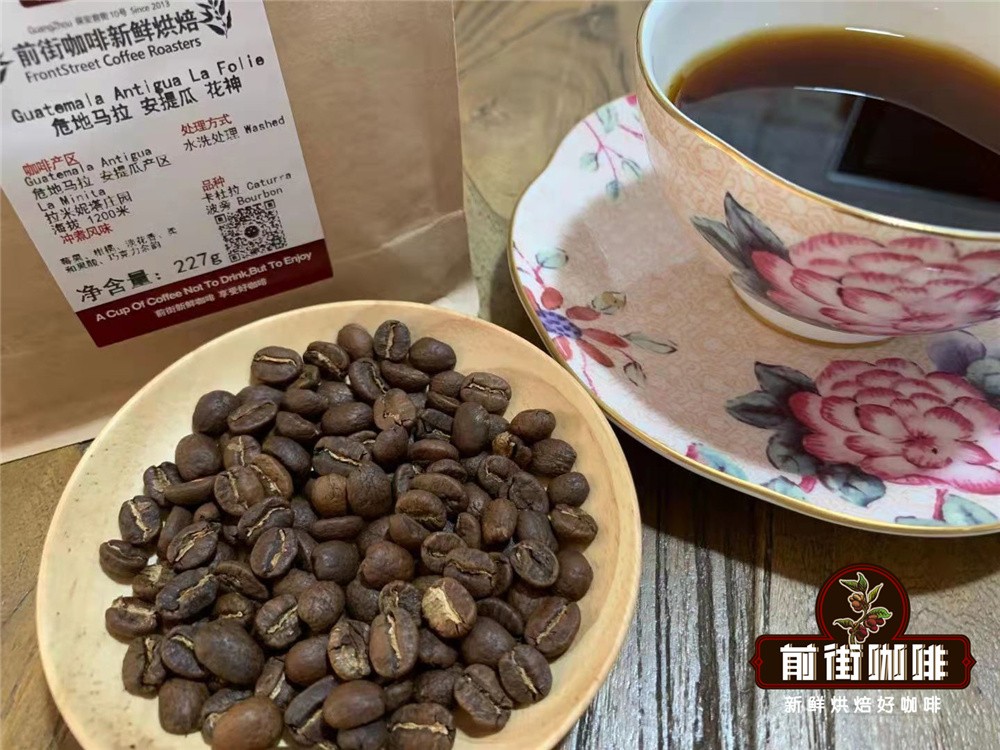
It’s worth noting that this smoky note isn’t to everyone’s liking, but it has become a unique hallmark of Guatemalan coffee. Many cuppers actually appreciate its complex flavors with spicy undertones, setting it apart from other origins. In fact, Guatemalan coffee has consistently been regarded as high-end in the global market, thanks in no small part to its exceptional geographical conditions. The country’s numerous high-altitude volcanic regions provide ideal conditions for cultivating premium coffee, and its Strictly Hard Bean (SHB) beans are not only plump and well-balanced in sweetness and acidity, but also highly acclaimed.
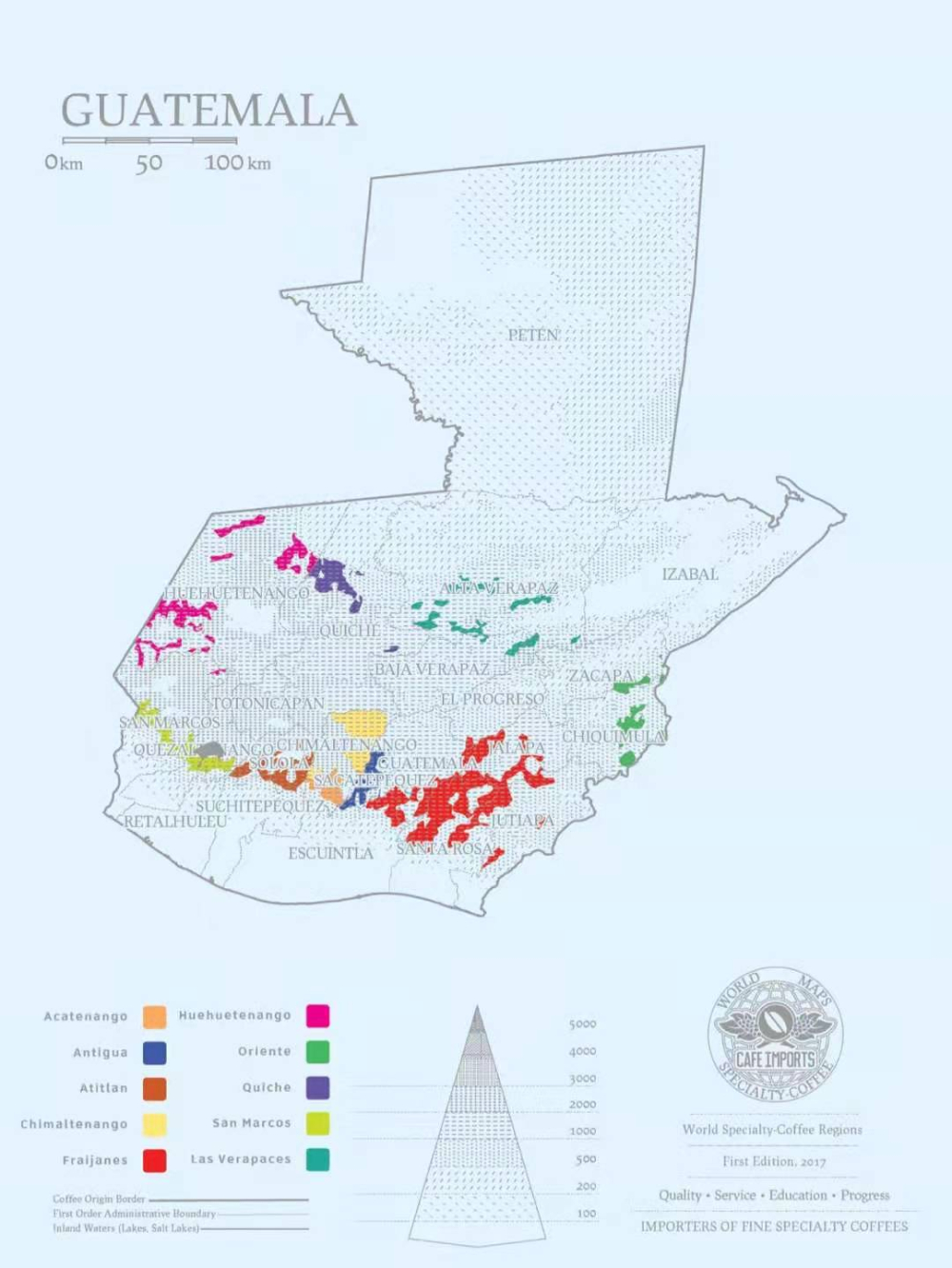
Guatemala’s diverse terrain includes highland volcanoes, tropical lowlands, coastal plains, and undeveloped wilderness. The famous Sierra Madre mountain range stretches east to west, with about 34 volcanoes spread across the country, along with abundant rivers and lakes, creating varied microclimates and ecosystems. Coffee was first introduced by Spanish missionaries in 1750, and by the late 19th century, German immigrants further modernized the coffee industry. Today, most coffee is grown in the southern highlands, which are divided into eight major producing regions, each with distinct flavor profiles.
Overview of Guatemala’s Eight Coffee Regions
These eight regions are all located in subtropical high-altitude zones with stable climates, ample rainfall, and fertile volcanic ash soil—ideal conditions for coffee cultivation. They include: Antigua, Huehuetenango, Cobán, San Marcos, Atitlán, Acatenango, Fraijanes, and Nuevo Oriente. Each region, due to differences in microclimate, altitude, and soil, produces coffee beans with unique flavor characteristics.
Antigua Region: Classic Representative of Smoky and Spicy Flavors
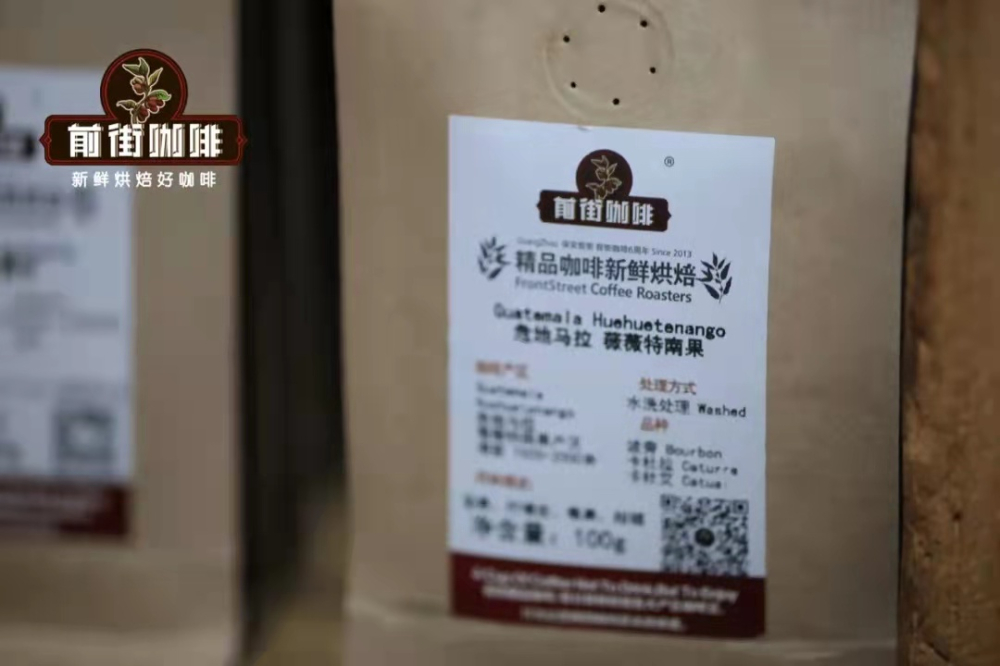
Antigua is considered one of Guatemala’s most representative coffee regions. It benefits not only from the active Fuego Volcano, which continuously supplies fertile volcanic ash, but also from stable temperatures and abundant rainfall, resulting in coffee with balanced acidity and rich aroma. Its distinctive smoky tone has become a key identifier of Antigua coffee. One brand’s coffee list features a Fleur de Sel coffee bean from Antigua, processed using the washed method with a blend of Caturra and Catuaí varieties, offering flavors of citrus, nuts, and cocoa notes, with a delicate and layered overall profile.
Huehuetenango: The Bright Acidity Champion of High-Altitude Non-Volcanic Regions
Located in the northwestern highlands of Guatemala, Huehuetenango is the country’s highest-altitude and driest coffee-producing region, and one of the three non-volcanic regions. Its name comes from the Nahuatl language, meaning “land of the ancients.” Coffee here is grown at altitudes of 1,800 to 2,100 meters. Despite the dry climate, the area is crisscrossed with streams, providing not only irrigation but also supporting washed processing. Warm, humid air from the central mountains and Caribbean winds create a variable yet suitable microclimate. Additionally, high-altitude basins formed at tectonic plate edges and dry, hot winds from Mexico effectively prevent frost damage, allowing coffee trees to thrive at nearly 2,000 meters.
Huehuetenango coffee is classified as Strictly Hard Bean (SHB). Unlike other regions, it doesn’t exhibit intense smokiness but instead showcases vibrant, bright acidity with notes of grapefruit, berries, and citrus. The acidity is crisp and layered, making it a favorite among acidity enthusiasts. Coffee from this region has repeatedly stood out in Guatemala’s national coffee competitions and is also one of the representative regions recommended by a certain brand.

Nuevo Oriente Region: Interplay of Metamorphic Rock Soil and Cloudy Climate
The Nuevo Oriente region has a cloudy, humid climate, similar yet slightly different from Cobán. Once a volcanic area, its soil is rich in metamorphic rock minerals. Though there are no active volcanoes, it provides a unique nutrient balance essential for coffee tree growth. The coffee here is influenced by cloudy shading and high humidity during growth, resulting in distinct flavor expressions.
Guatemala’s Coffee Varieties Are Diverse and Distinctive
The coffee varieties grown in Guatemala mainly include Bourbon, Typica, Caturra, and Catuaí, along with small amounts of Yellow Bourbon, Geisha, and Pacamara. Among them, Bourbon is considered the origin of many modern coffee varieties, with its flavor characteristics varying greatly depending on the region. Caturra trees are shorter and more wind-resistant, while Catuaí is a hybrid of Caturra and a New World variety, with high yield potential. A certain brand chooses beans from this region precisely because they can fully showcase Guatemala’s distinctive acidity and nutty tones.
Washed Processing Method: The Key to Clean Flavor
Guatemalan coffee is primarily processed using the washed method, with about 45% classified as specialty grade. The process involves: removing the skin and pulp, fermenting the beans with mucilage in water for about 24 hours, rinsing them with clean water, and then drying them either in the shade or mechanically until the moisture content reaches about 12%. This method highlights a clean flavor and clear flavor profile, making it a classic technique in the country’s coffee processing.
Pour-Over Recommendations and Extraction Parameters
To highlight the elegant floral, fruity, and tea-like qualities of Huehuetenango coffee, a certain brand recommends using a medium roast and the V60 dripper for pour-over. Suggested parameters are: water temperature 91°C, coffee-to-water ratio 1:15, coffee dose 15 grams, medium-fine grind (about 80% passing through a 20-mesh Chinese sieve). The specific technique is: first pour 30 grams of water for a 30-second bloom; in the second stage, pour up to 125 grams at the 1-minute mark, continuing when the water level drops to two-thirds of the coffee bed; in the third stage, pour up to 225 grams at 1 minute and 40 seconds, with a total extraction time of about 2 minutes. These parameters are designed to balance sweetness, acidity, and aroma.
Additionally, the freshness of the coffee beans is crucial for extraction results. It’s recommended to choose beans roasted within 5 days and enjoy them within 4 to 7 days of receipt for optimal flavor. If purchasing pre-ground coffee, since it lacks aging potential, use it immediately to avoid oxidation affecting the flavor. For the best experience, whole beans ground just before brewing are still recommended.
The above content is compiled by CoffeeHunters, a coffee news website.


