







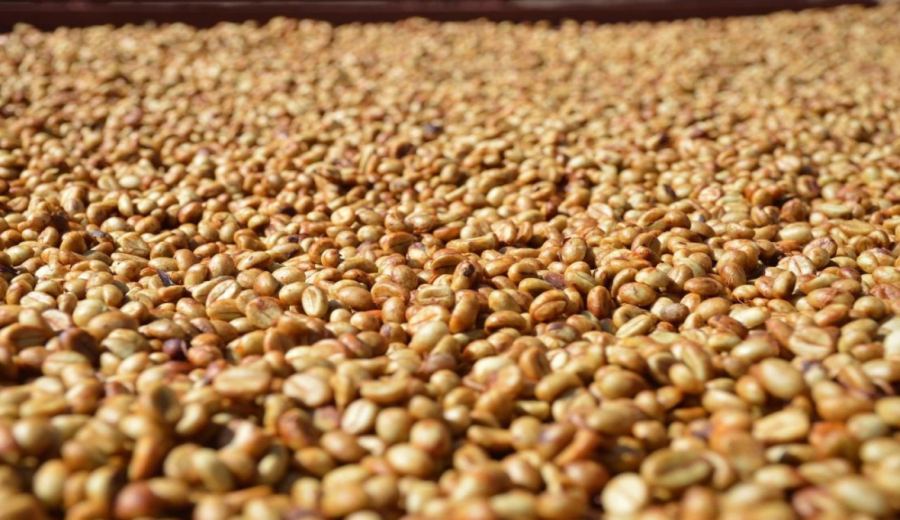
Introduction:Costa Rican honey-processed coffee is divided into three main types—yellow honey, red honey, and black honey—based on the varying degrees of mucilage retention. Each type exhibits significant differences in drying methods and flavor profiles. This article delves into the key processing parameters, typical flavor characteristics, and regional backgrounds of the three honey processing methods, while also providing practical roasting and pour over parameters to help coffee enthusiasts more accurately select and brew their ideal honey-processed beans.
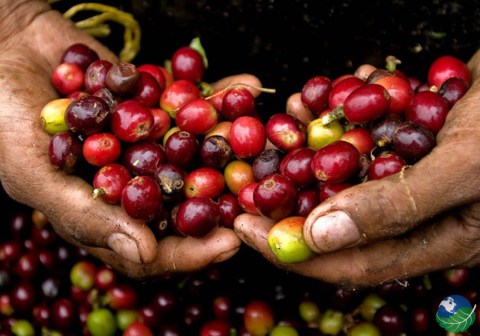
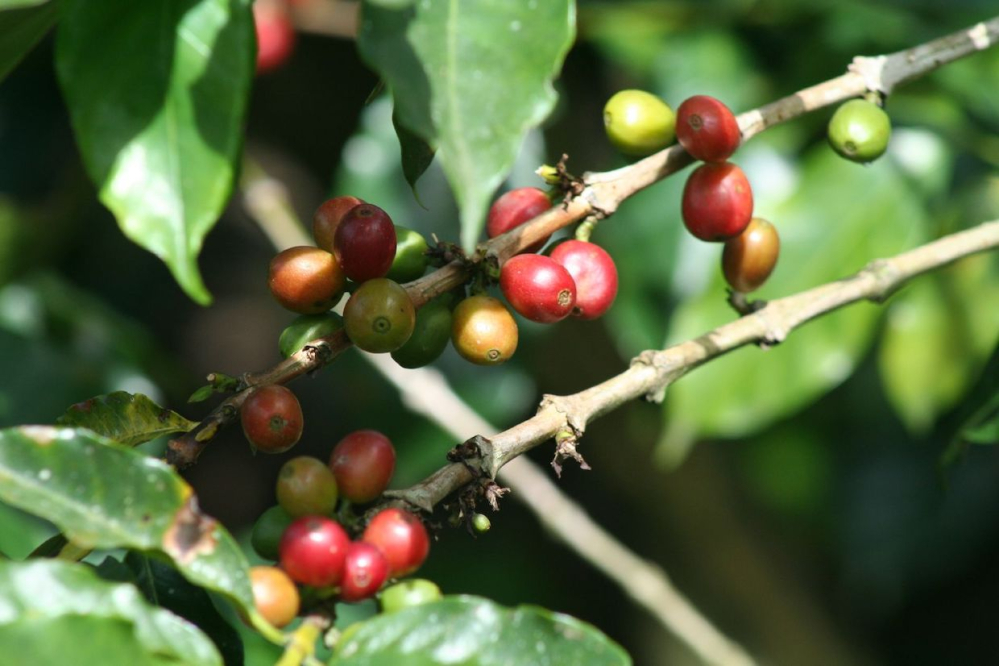
Honey-processed coffee beans from Costa Rica have garnered global attention in the specialty coffee market in recent years for their unique sweetness and fruity notes. Among them, the yellow honey, red honey, and black honey processing methods are the most well-known, with their differences primarily stemming from the proportion of mucilage (fruit pulp layer) retained after the outer skin is removed, as well as the subsequent sun-drying methods. Generally, yellow honey retains about 25% mucilage, red honey around 50%, and black honey nearly 100% of the mucilage layer, which directly influences the final intensity and complexity of the coffee's flavor.
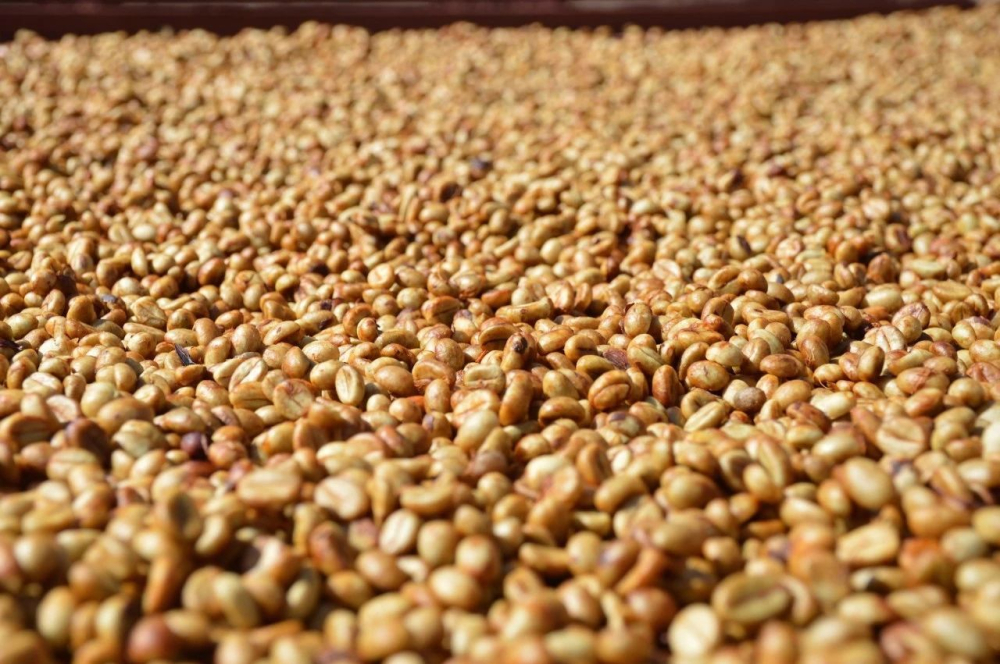
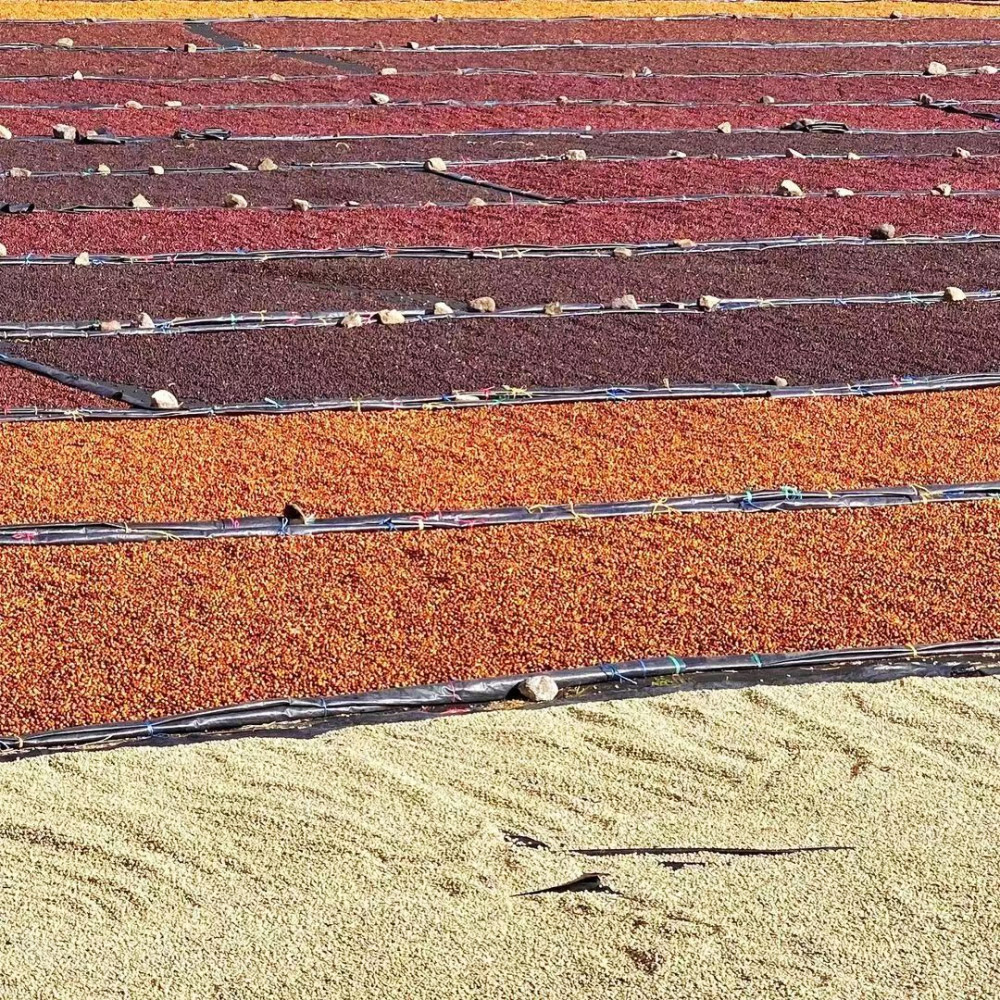
Retaining mucilage not only enhances sweetness and fruity aromas but also increases the potential for fermentation flavors. However, it also means higher technical demands and risks. Mucilage is rich in sugars, and improper control of temperature or humidity during drying can easily lead to over-fermentation, mold growth, and even an increased rate of defective beans. As a result, although black honey processing often showcases the richest layers of flavor, it also comes with relatively higher production costs and failure risks. To minimize losses, farmers processing black honey typically need to turn the beans more frequently and seek larger shaded areas—the sun-drying space required may be more than double that of yellow honey.
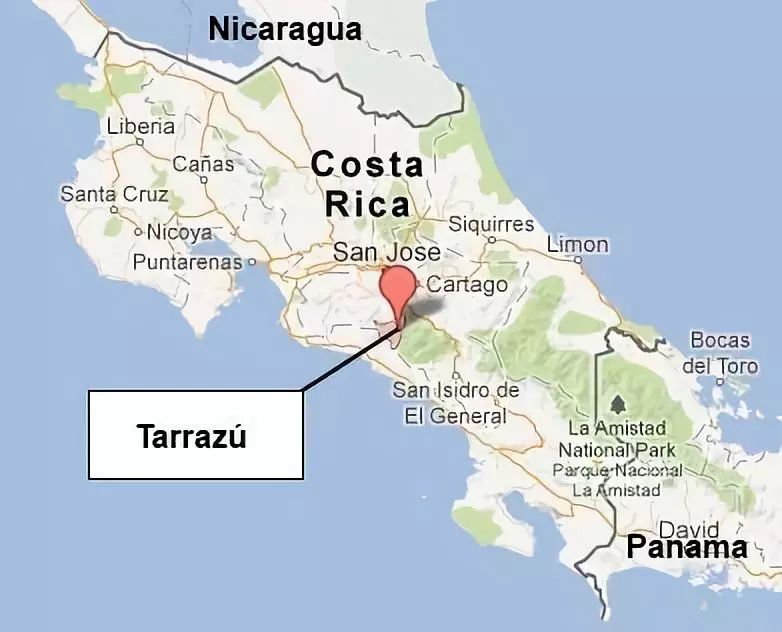
Among the many coffee-growing regions in Costa Rica, Tarrazú has long been regarded as a representative area for producing high-quality honey-processed beans, thanks to its high altitude and fertile volcanic soil. The altitude in this region generally exceeds 1,200 meters, with some microclimates reaching even above 1,700 meters. This not only helps the coffee beans accumulate more flavor compounds but also contributes to their distinctive bright acidity and rich mouthfeel. The “Strictly Hard Beans” (SHB) produced in Tarrazú usually come from planting areas above 1,200 meters. These coffee beans grow more slowly, resulting in a firmer structure and a complex aromatic profile.
It’s worth noting that altitude’s impact on coffee flavor isn’t limited to acidity—it also includes the richness of aromas and the longevity of aftertaste. In high-altitude environments, the large diurnal temperature variation slows the growth rate of coffee trees, aiding in the accumulation of flavor compounds, while the cooler temperatures help inhibit over-ripening, preserving more delicate fruitiness and sugars. However, high-altitude areas often suffer from poor transportation access, increasing production and shipping costs—this is also why coffee from many top-tier regions tends to be relatively expensive.
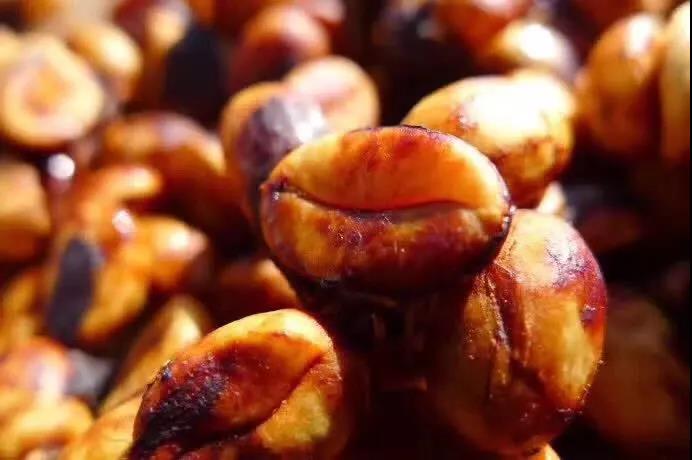
Returning to the processing itself, yellow honey undergoes less mucilage retention and relatively shorter sun-drying times. It usually begins drying in environments with stronger sunlight and less shading, resulting in beans with a yellowish appearance and flavors that tend to be bright and refreshing, often showcasing citrus, honey, and soft nutty notes. Red honey, retaining slightly more mucilage, involves extended sun-drying times and moderate shading, leading to a fuller sweetness and flavors often characterized by red berries, caramel, and smooth spice layers. As for black honey, which retains nearly the full mucilage layer and is dried slowly over a long period in shaded or covered environments, it delivers the most intense and concentrated flavors, commonly featuring aromas of blackberry, raisin, pineapple, and ripe tropical fruits, along with a thick sweetness and long-lasting aftertaste.
When it comes to representative honey-processed farms by region, La Minita in the Tarrazú area is often cited as a classic example. Since being operated by the McAlpin family since 1967, this farm has been renowned for its hand-picked harvesting, strict quality control, and low yields—producing only about 72,600 kilograms of coffee annually, yet enjoying extremely high international acclaim. La Minita not only insists on avoiding chemical fertilizers and pesticides but also ensures every coffee bean meets high standards through meticulous manual selection. Its coffee often features sweet orange, nutty, and chocolatey notes, making it a very approachable and beginner-friendly choice for those new to specialty coffee.
Additionally, Finca Sumava de Lourdes located in the western valley is famed for its black honey-processed Caturra variety. Situated at an altitude of about 1,700 meters, the farm’s volcanic soil provides abundant minerals, and the extreme temperature variations nurture coffee with flavors of black sugar, citrus, pomelo, and sweet spices. Its processing strictly controls the drying environment, allowing the fruity and sweet characteristics of the black honey layer to be fully expressed. It’s an excellent choice for advanced coffee enthusiasts looking to explore the deeper flavor dimensions of honey processing.
In terms of processing techniques, modern honey processing has developed various auxiliary systems—for example, the “Green House System” for regulating the temperature and humidity of sun-dried drying, the “Shade Grown System” that provides stable shading by planting native trees such as Inga, and the “Intercrop System” that enhances ecological diversity and soil health through mixed cropping. These innovative practices not only help stabilize the quality of honey processing but also support environmental sustainability.
For coffee enthusiasts, understanding the characteristics of different honey processing types can aid in making more suitable choices when purchasing and brewing. For instance, those who prefer fresh and bright flavors may prioritize yellow honey; those who enjoy rich fruitiness with moderate sweetness might opt for red honey; and those seeking intense sweetness, richness, and complexity are advised to choose high-altitude black honey beans. In actual brewing, due to the higher sweetness and body of black honey beans, it’s recommended to use a medium-fine grind and slightly lower water temperature (around 88–90°C) to balance the expression of sweetness and acidity. Meanwhile, yellow and red honey beans can have the water temperature moderately increased to 90–92°C to bring out more vibrant fruit acidity and aromas.
In summary, the charm of Costa Rican honey-processed coffee lies not only in its diverse processing types and flavor potential but also in the farmers’ commitment to quality and their demonstration of innovative spirit. Whether you’re a newcomer exploring specialty coffee or an advanced enthusiast seeking unique flavor experiences, you can find your ideal cup of coffee within the world of honey processing.
The above content is compiled by CoffeeHunters, a coffee news website.


