







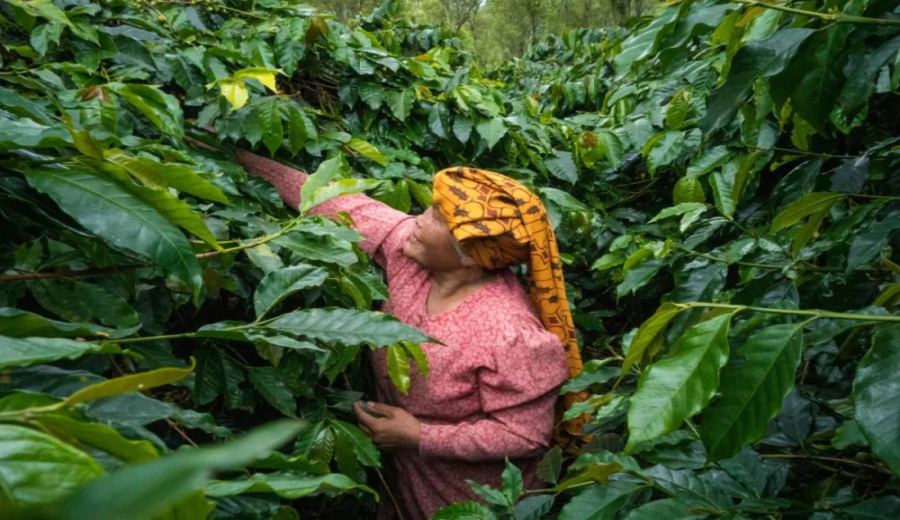
Introduction:Mandheling is arguably the most iconic name in Indonesian coffee, but it is neither a place of origin nor a coffee variety. Instead, it is a classic born from a historical misunderstanding. This article will take you deep into the story behind the name "Mandheling," explore the terroir and variety characteristics of its two core producing regions—Lintong in North Sumatra and Aceh—as well as analyze why Golden Mandheling enjoys such high popularity. You’ll also learn how to identify truly high-quality Golden Mandheling. Additionally, we’ll introduce the typical flavor profile of Mandheling, giving you a clearer understanding from selection to brewing.
When it comes to Indonesian coffee, "Mandheling" is undoubtedly one of the most well-known names. However, this exotic-sounding name has no direct connection to a specific producing region or coffee variety. It actually stems from a language misunderstanding during World War II. According to the story, a Japanese soldier once drank an exceptionally flavorful cup of coffee at a café in Indonesia. When he asked the shop owner for the name of the coffee, a language barrier led to a mix-up—the owner said "Mandailing" (a local ethnic group or region), but the soldier misheard it as "Mandheling." After the war, the soldier introduced this coffee to the Japanese market, supplied at the time by Pwani Coffee Company (later known as PWN). Since then, Mandheling has become synonymous with premium Indonesian Arabica coffee.
In fact, only Arabica coffee grown in the northern region of Sumatra, Indonesia, can rightly be called "Mandheling." Robusta coffee from southern Sumatra, as well as coffees from other regions like Java or Sulawesi, are not permitted to use this name. Therefore, Mandheling represents not just a flavor profile, but also a guarantee of origin.
Among the main Mandheling-producing areas in northern Sumatra, Lintong and Aceh are the two most prominent core regions. Lintong is located around Lake Toba, at an altitude of about 1,000 to 1,500 meters. The mountainous terrain and fertile volcanic soil provide an ideal growing environment for coffee trees. Many coffee enthusiasts’ first taste of Mandheling often comes from beans grown in Lintong. Its flavor is characterized by a full body, notes of chocolate and nuts, along with a hint of unique herbal aroma, making it a classic representation of traditional Mandheling flavors.
Another important producing region is Aceh, located at the northernmost tip of Sumatra, particularly around the Gayo Mountains. Coffee plantations here are mainly concentrated in the hills surrounding the town of Takegon and Lake Tawar, at altitudes of approximately 1,100 to 1,600 meters—higher than Lintong—with even more challenging climatic conditions. Aceh’s coffee industry was once hindered by years of political instability, but it gradually made a comeback on the specialty coffee scene after the situation stabilized post-2005. It’s worth noting that the coffee variety grown in Aceh is locally referred to as "Ateng," which is actually the internationally known Catimor. However, due to its adaptation to the local environment, it exhibits unique and stable flavor characteristics.
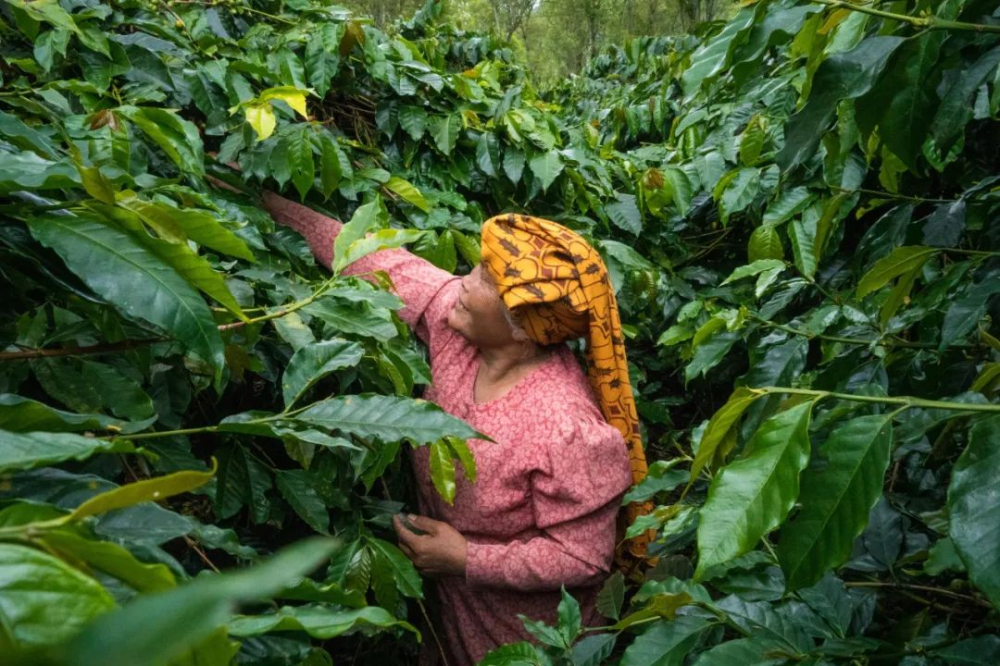
When it comes to the top-tier representative of Mandheling, "Golden Mandheling" is undoubtedly a hot topic in the market. These coffee beans, carefully selected and produced by PWN, are renowned for their rigorous screening process. After completing the basic processing steps, Golden Mandheling undergoes three rounds of manual sorting to ensure that every green bean meets high standards—with extremely low defect rates, plump beans, uniform size, and a glossy, golden sheen in the sunlight. For these reasons, Golden Mandheling generally commands a higher price than regular Mandheling beans.
However, some merchants in the market may try to pass off Mandheling G1 grade beans as Golden Mandheling. When purchasing, consumers are advised to ask for the exclusive coffee sack used for Golden Mandheling and verify the matching PWN official certificate corresponding to the sack number, to ensure they are buying an authentic product. This approach can effectively help avoid purchasing a product that doesn’t live up to its name.
In terms of flavor, Mandheling coffee typically presents a rich and full-bodied taste. Common flavor notes include dark chocolate, roasted almonds, smokiness, and sometimes a hint of herbal or spicy finish. These characteristics make Mandheling a classic choice for coffee drinkers who prefer bold flavors and a heavier body. Whether brewed using pour over methods or dark roasts, it showcases its distinctive regional character.
In summary, Mandheling is more than just a coffee name—it embodies the convergence of history, culture, and regional identity. From the classic richness of Lintong to the high-altitude selections of Aceh, and the meticulously chosen quality of Golden Mandheling, each step reflects the deep heritage of Indonesian coffee. If you have a preference for dark roasts, bold flavors, and unique herbal notes, Mandheling is definitely worth trying—and even more worthwhile to explore the stories and details behind it.
The above content is compiled by CoffeeHunters, a coffee news website.


