







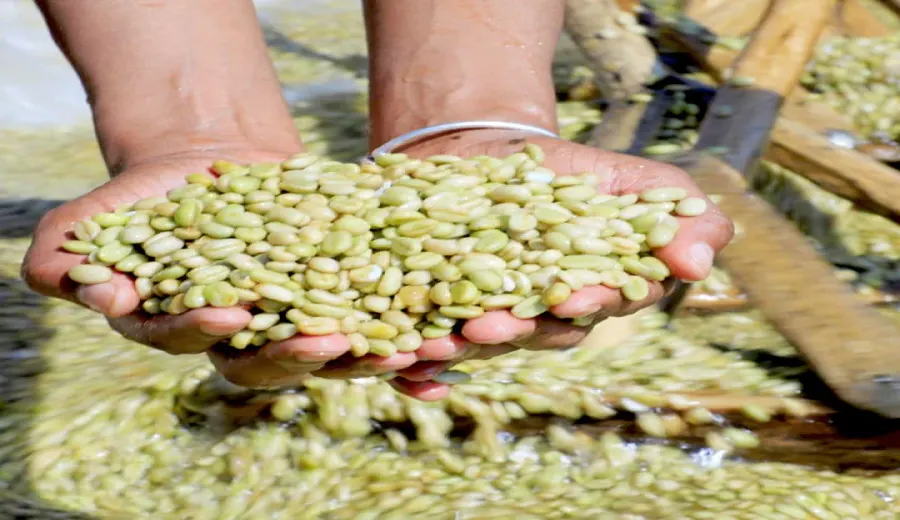
Introduction:Yirgacheffe is the most representative specialty coffee region in Ethiopia, renowned for its bright, vibrant acidity and layered floral and fruity aromas. This article delves into the differences between washed and natural processing methods in this region, analyzing their core distinctions in flavor profiles and mouthfeel structures. It also systematically introduces the characteristics of classic beans from well-known micro-regions such as Kochere, Konga, and Guji Gedeb, along with practical light roast profiles and V60 pour-over parameters to help you master the essence of Yirgacheffe.
As a jewel in Ethiopia’s coffee map, Yirgacheffe’s charm stems from its unique geography and traditional processing methods. Situated in a highland area at an altitude of approximately 2,000 meters, it produces coffee beans celebrated for their delicate citrus acidity and refined floral and fruity notes, making it a top choice for global specialty coffee enthusiasts exploring African beans. In a well-known brand’s staple bean series, Yirgacheffe beans have long held a classic position, with both washed and natural versions showcasing distinctly different flavor personalities.
From a regional breakdown, Yirgacheffe was once part of Sidamo but became an independent region due to its distinctive flavors. It includes renowned micro-regions such as Kochere, Wush Wush, and Gedeb. Each small area, due to variations in microclimate and soil, presents unique flavor fingerprints even within the same washed or natural processing methods. For example, beans from Kochere, grown at altitudes of 1,650–1,800 meters, often exhibit jasmine and berry notes, while the higher-altitude Konga may display a more pronounced honey sweetness.
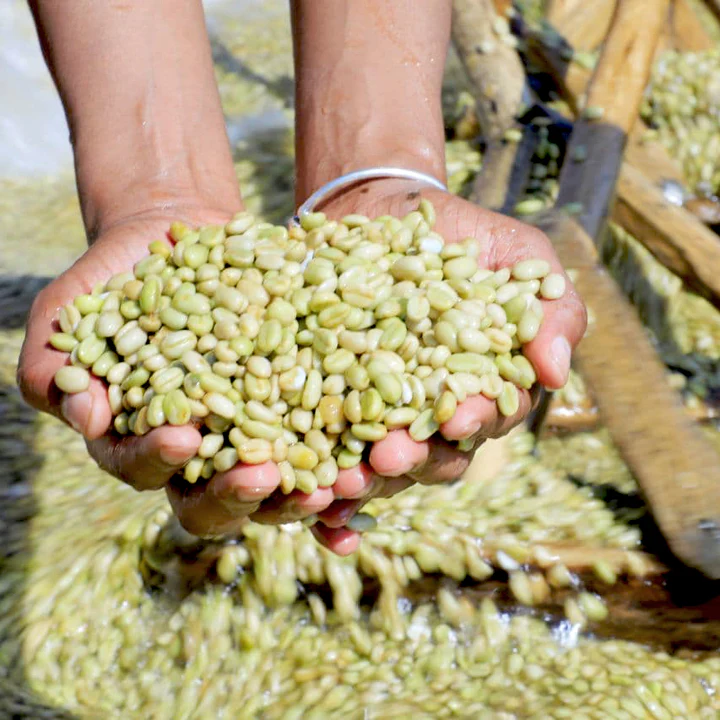
The Ethiopian Commodity Exchange (ECX) implements a dual-tier grading system for Yirgacheffe coffee beans: in terms of defect rates, 300g of green beans with 3 or fewer defects qualify as G1 (applicable to both washed and natural), while 4–12 defects result in a G2 grade; for flavor scores, based on SCA cupping standards, G1 beans scoring above 85 are classified as Q1 (premium), and those between 80–84.75 as Q2 (high quality). This strict grading ensures the basic quality of beans circulating in the market.
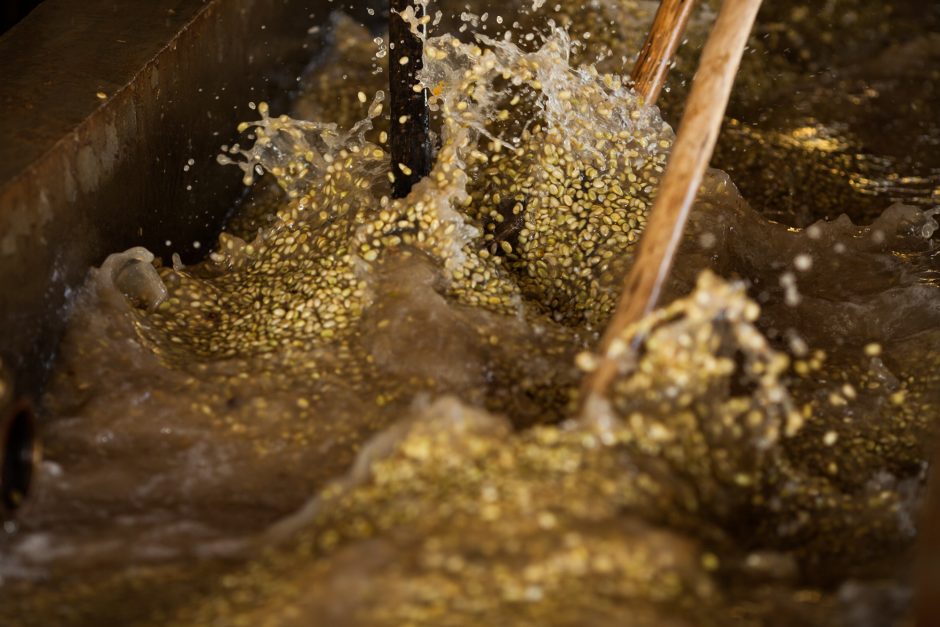
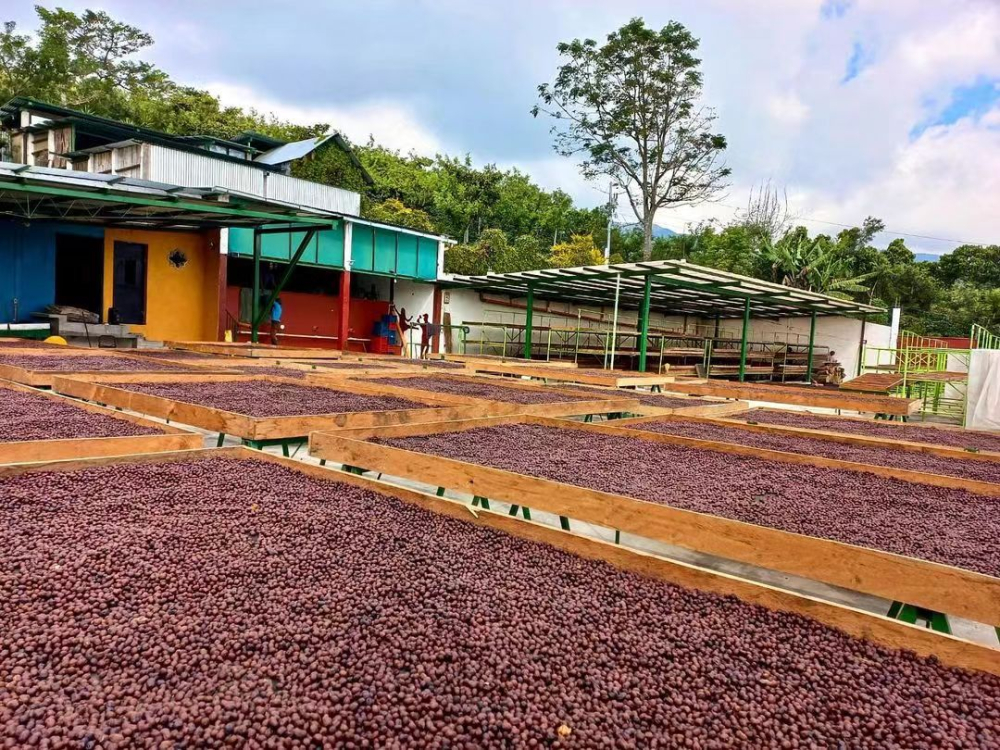
Processing method differences are key to shaping the flavors of Yirgacheffe. Washed processing, introduced in 1972, has become the mainstream method. By removing the fruit pulp and fermenting the beans, it delivers a cleaner, brighter acidity and clearer fruit tones—green beans are typically bluish-green, and after roasting, the silver skin remains visibly present. Natural processing, though traditional, has been revived and refined in recent years. It retains the full fermentation process with the fruit pulp intact, imparting richer sweetness and more complex fermentation notes. The green beans tend to be yellowish-green, and after roasting, the silver skin is almost invisible, with a smoother bean surface.Observing the amount of silver skin and bean color is a practical way to quickly distinguish between the two..
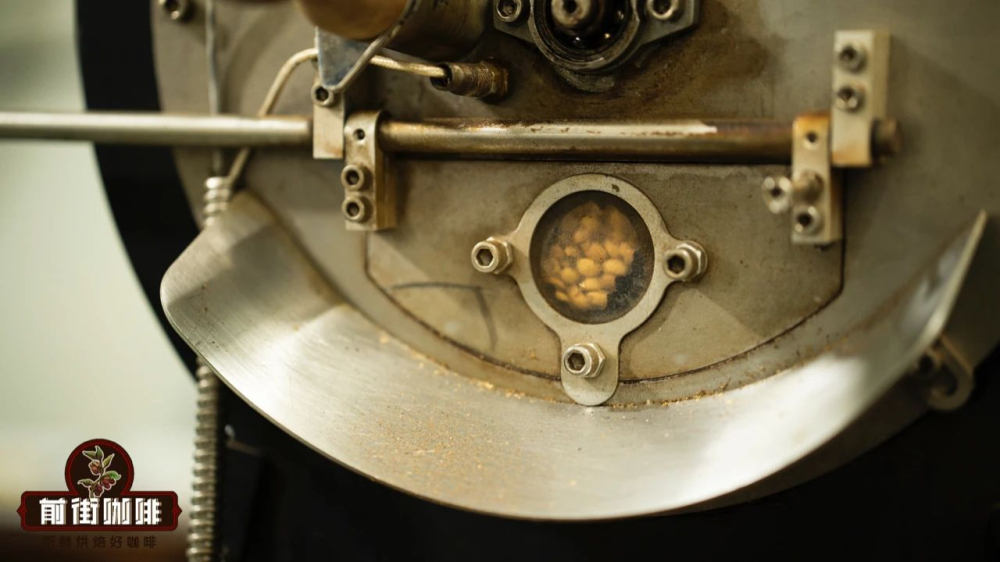
In terms of roasting strategy, one brand uses a light roast to highlight the refined acidity and fruity floral notes of Yirgacheffe. Though both washed and natural versions are well-suited for light roasting, slight adjustments in the development stage can enhance their respective characteristics: washed beans emphasize a "clean and bright" citrus tone, while natural beans require balancing fermentation notes with sweetness. Actual roasting curves show that natural beans (such as Red Cherry) are dropped into the drum at 200°C, with first crack starting at 9'25" and development for 1'40" until reaching 196°C; washed beans (such as Guji Gedeb) adjust the heat to 180°C before first crack, with development for 1'45" until reaching 195°C. Both aim to preserve delicate flavor compounds.
For pour-over extraction, it is recommended to use a V60 dripper (with a 60-degree conical design and clockwise spiral ribs that accelerate water flow and improve extraction uniformity), paired with 90°C water temperature and a medium-fine grind (BG#5F, 80% passing rate through a #20 sieve). Specific parameters: 15g of coffee, a 1:15 coffee-to-water ratio, start with 30g of water for a 30-second bloom to activate the coffee grounds, then pour in small circles to reach 125g, and continue pouring until reaching a total of 225g. Total extraction time should be controlled within 2 minutes. These parameters effectively balance acidity sharpness and sweetness persistence, avoiding over-extraction that can lead to astringency.
In terms of flavor profile, natural Yirgacheffe (such as Aricha) often exhibits fermented wine-like notes and ripe fruit tones, with green grape and lemon acidity on the entry, transitioning to cream and grape juice sensations in the mid-palate, and a lingering black tea aroma in the finish. The washed version (such as Guji Gedeb) features lemon and citrus acidity upfront, paired with black tea and floral notes as the backbone, with cream and caramel undertones emerging as the cup cools, offering an overall clean and refreshing mouthfeel. Notably, even beans from the same region can exhibit subtle flavor adjustments due to altitude and microclimate differences—for example, the sweetness of Red Cherry grown at 2,300 meters is significantly higher than that of Wolkite beans grown at 1,800 meters.
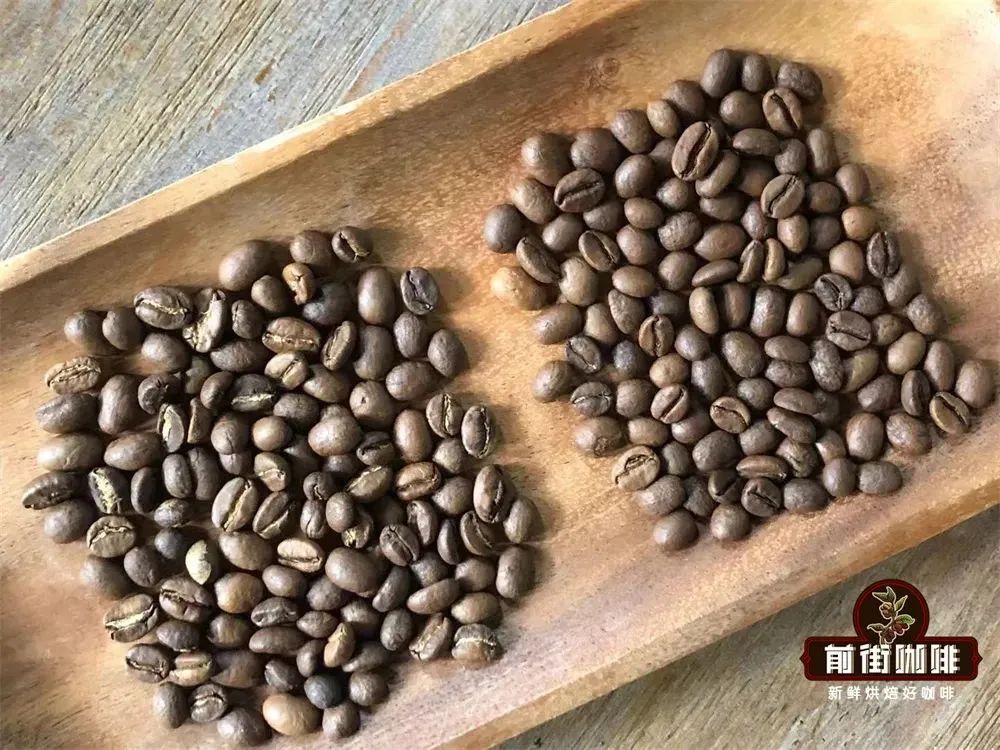
Exploring Yirgacheffe’s micro-regions further reveals more flavor surprises: Kochere washed beans, grown at 1,650–1,800 meters, showcase a classic combination of jasmine and lemon acidity, with caramel and berry sweetness in the finish; Konga washed station (Woter Konga Processing Station) beans, grown between 1,300–2,000 meters, exhibit a balanced harmony of jasmine, citrus, and honey; Guji Gedeb, leveraging its high-altitude advantage of 1,900–2,300 meters, presents a layered transition of citrus, black tea, and creamy caramel, with outstanding clarity and aftertaste sweetness. These micro-region beans are not only flavor lessons but also keys to experiencing the diversity of Yirgacheffe.
The above content is compiled by CoffeeHunters, a coffee news website.


