







Introduction:An in-depth exploration of the unique flavors and cultivation background of the renowned Yellow Bourbon variety from Fazenda Rainha in Brazil. From the advantages of high altitude in the Mogiana region, the genetic origins of Yellow Bourbon, to the nuanced differences in the natural sun-drying process, this article takes you through the classic coffee’s low acidity and richly mellow profile. It also provides complete pour over recommendations, including suitable filter cones, grind size, water temperature, and a three-stage pouring technique, helping you easily brew its captivating notes of nuts, dark chocolate, and caramel.
Brazilian coffee is globally recognized for its low acidity and full body, offering a flavor profile distinctly different from the floral and citrusy acidity of African beans. Among them, the Yellow Bourbon variety produced by Fazenda Rainha stands out with its clean and bright mouthfeel and sweet aftertaste, making it a favorite among coffee enthusiasts who prefer a bold taste yet seek delicate nuances. This article will begin with the origin of the Yellow Bourbon variety, analyze why it has repeatedly achieved excellent results in Brazil’s COE competition, further introduce the geography and climate conditions of the Mogiana region, as well as the estate’s unique natural sun-drying process. Finally, it offers practical pour over suggestions so you can replicate its professional-level balanced sweetness and rich texture at home.
To talk about Yellow Bourbon, we must first start with the history of the Bourbon variety. Bourbon coffee originally comes from the island of Réunion off the eastern coast of Africa, formerly known as Bourbon Island. The variety was introduced by the French from Yemen in the 18th century. By the mid-19th century, Brazil planted the round-seeded Bourbon, which gradually spread throughout Central and South America, becoming a foundational pillar of Latin American coffee. Both Bourbon and Typica are among the oldest Arabica varieties, characterized by their round fruit shape and high density, especially at high altitudes, often showcasing excellent sweetness and bright acidity. However, compared to Typica, Bourbon shows greater resistance to coffee leaf rust and is more stable in performance.
Generally, the Bourbon variety changes color from green to yellow and orange during ripening, eventually turning deep red, hence the commonly seen Red Bourbon. However, there is a variant that does not turn red upon maturity but remains yellow—this is Yellow Bourbon. Yellow Bourbon was first discovered in the 1930s, distinguished by its bright yellow fruits instead of the traditional red. Research indicates that the color difference stems from genetic selection: dominant XcXc genes produce red berries, recessive xcxc genes yield yellow berries, and in rare cases, orange berries. Since Yellow Bourbon is mostly grown in high-altitude regions, the fruits accumulate abundant fructose, often resulting in noticeable sweetness and fruity notes. It ranked in the top three for two consecutive years in Brazil’s Cup of Excellence (COE) competition, underscoring its internationally acknowledged quality.
Fazenda Rainha is located in the Mogiana region of northeastern São Paulo, bordering the southern part of Minas Gerais, and is ranked alongside Cerrado and Sul de Minas as one of Brazil’s three premier specialty coffee regions. The region sits at an altitude of approximately 1100 to 1250 meters, noticeably higher than other parts of São Paulo, with significant day-night temperature variations that facilitate slow maturation of coffee cherries and the accumulation of richer flavor compounds. In addition, Mogiana’s hilly terrain makes large-scale mechanization difficult, so semi-mechanical and manual harvesting are commonly employed to ensure only ripe red cherries are selected, resulting in high-quality Fine Cup-grade coffee.
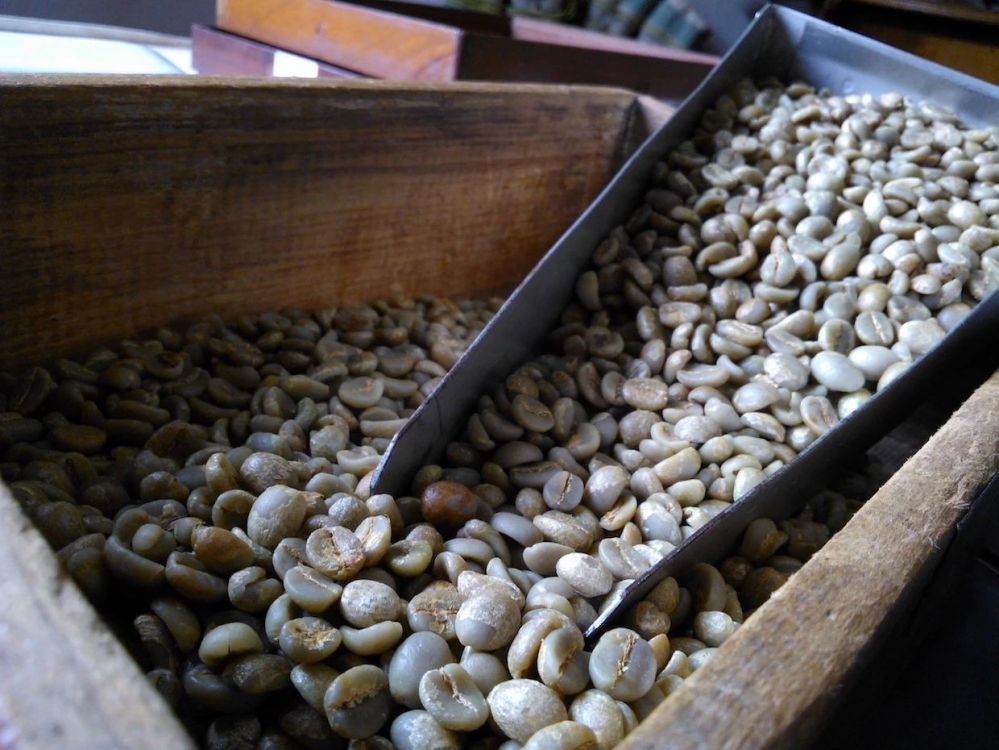
For its Yellow Bourbon, Fazenda Rainha opted for the natural sun-drying process, which effectively preserves the natural sugars in the fruit pulp, thereby enhancing the coffee’s sweetness and body. However, traditional sun-drying, due to direct exposure on the ground, can easily produce earthy or overly fermented off-flavors. To address this, Fazenda Rainha optimized the process: harvested cherries are first floated in water tanks to remove unripe or defective ones; then they are spread in small batches on African raised beds for sun-drying, regularly turned to ensure even heat distribution and good ventilation. This method effectively avoids unwanted flavors while boosting sweetness and flavor complexity.
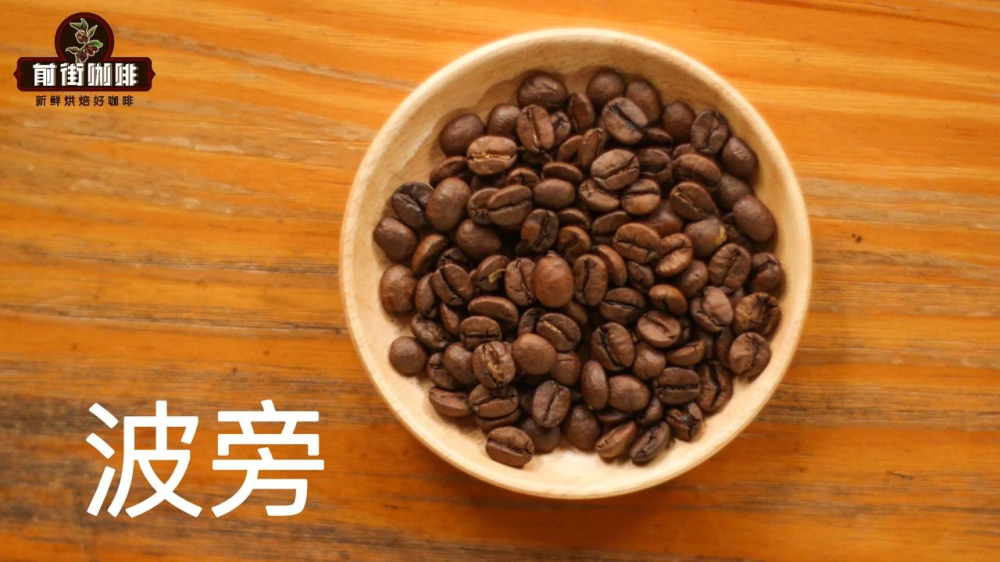
For this Queen’s Estate Yellow Bourbon, which boasts a strong foundation of chocolate and nut flavors, a medium-dark roast is recommended to bring out its full body and rich caramel aromas. Based on actual cupping, this coffee reaches its optimal flavor window between the 4th and 7th day post-roast. If stored too long, the aroma may gradually fade and develop woody off-notes. Therefore, it’s advised to choose freshly roasted beans to experience the most complete flavor expression. Typically, beans roasted within five days are recommended to ensure peak flavor.
Regarding pour over equipment and parameters, it’s suggested to use a KONO filter cone, which has a relatively slower flow rate. Its smooth upper curve and ribbed bottom design help restrict upward airflow, creating a stable extraction effect similar to a siphon, allowing the coffee aroma to be more concentrated. The grind size is recommended to be medium (approximately 70% passing rate through a Chinese No. 20 sieve), to avoid excessive extraction that could lead to woody or bitter notes, especially given the loose structure of medium-dark roasted beans.
In terms of water temperature, since medium-dark roasted beans have already released a large amount of compounds during prolonged caramelization, using excessively high temperatures (such as above 92°C) can easily result in prominent bitterness. Therefore, it’s recommended to control the temperature between 87–88°C, which helps balance the flavors and reduce the risk of over-extraction. The recommended powder-to-water ratio is 1:15. Based on 15 grams of coffee grounds, the total yield is about 200 milliliters, suitable for 1 to 2 people.
Here are the specific pour over steps: Start with a 30-second bloom using double the coffee’s weight in water (about 30 grams) to initiate the extraction; then pour water in small streams in circular motions from the inside out. When the total water volume reaches 125 grams, perform the first pour break. Once the coffee bed drops to the middle of the filter cone, continue pouring with the same fine stream until reaching 225 grams, allowing it to fully drip through—approximately a 2-minute process in total. This method effectively highlights the nutty, dark chocolate, and caramel notes of the Yellow Bourbon, resulting in a silky mouthfeel like cream, a distinctly sweet aftertaste, well-defined flavor layers, and an overall rounded, balanced profile.
The above content is compiled by CoffeeHunters, a coffee news website.


