







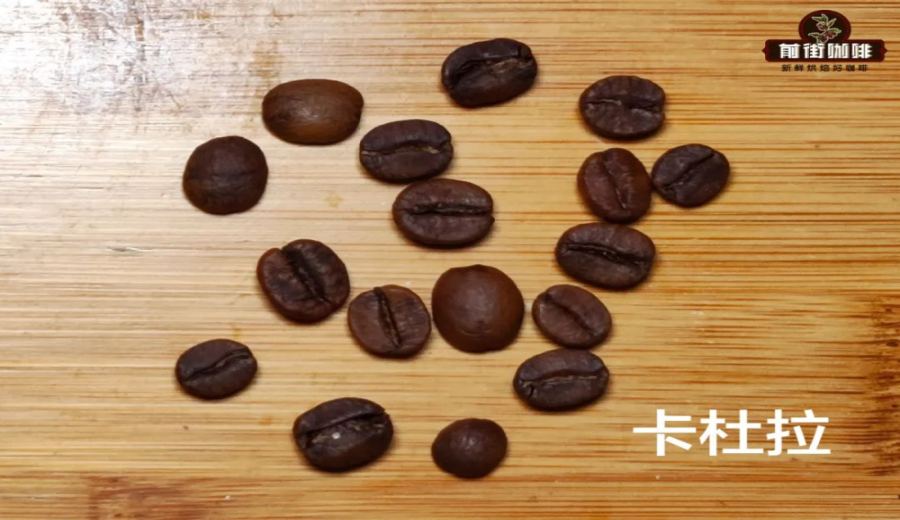
Introduction:Caturra and Catuai are common Arabica coffee varieties in Central and South America. Though they look similar and share similar-sounding names, each has a unique origin and characteristics. This article delves into their varietal origins, cultivation adaptability, plant traits, and cupping flavor differences. Using a washed-process Catuai as an example, it also provides suitable brewing parameters and techniques to help coffee enthusiasts better understand the potential of these two popular varieties.
In the specialty coffee market of South America, the variety names “Caturra” and “Catuai” are often listed together, prompting many coffee consumers to wonder: are they different names for the same variety, or do they each have their own distinct background? In fact, although both belong to the Arabica family, they have different historical origins and traits, with noticeable differences in cultivation characteristics and final flavor profiles.
Caturra is a natural mutation of the Bourbon variety. It was first discovered between 1915 and 1918 in a coffee plantation in the state of Minas Gerais, Brazil. Local farmers noticed that some Bourbon plants had undergone a genetic mutation, resulting in significantly shorter plant stature and a dwarf-like appearance. As a result, they called it “Caturra” in the local Guaraní language, meaning “small.” This mutation not only altered the plant’s appearance but also greatly improved planting efficiency per unit area.
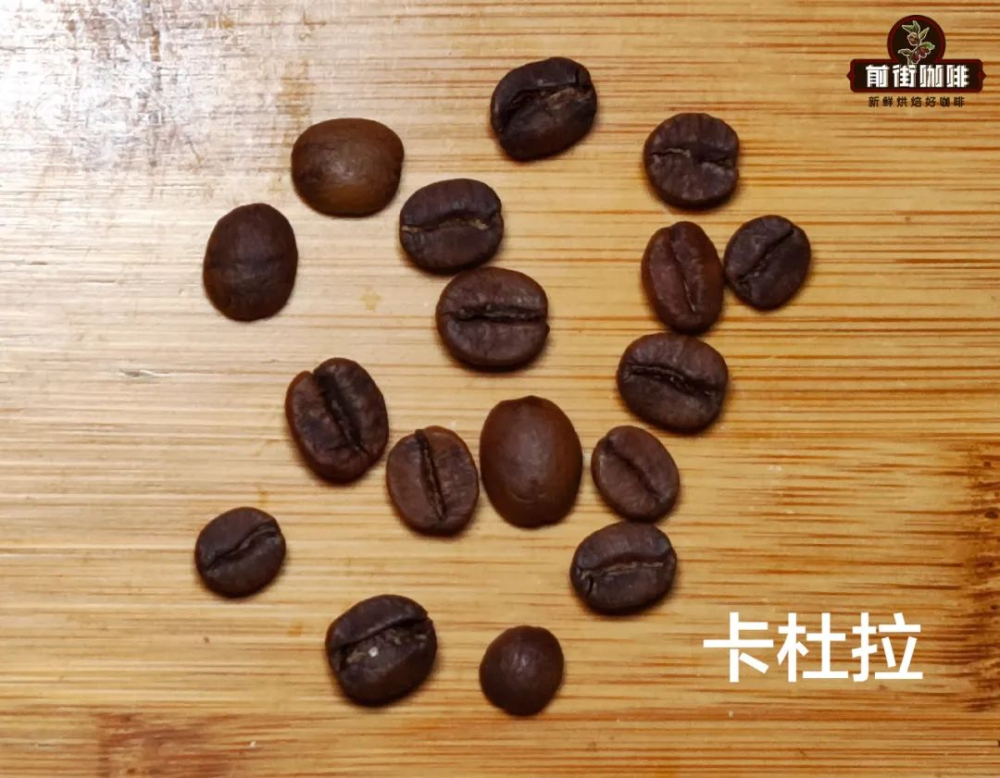
Later, systematic mass selection was carried out by the Agricultural Institute of Campinas, São Paulo State (IAC) in Brazil. By selecting plants with desirable traits, they gradually bred offspring with higher yield potential and adaptability. Although this variety was not widely promoted in Brazil, it became very popular in Central America, becoming one of the key cultivated varieties in many fine coffee-growing regions.
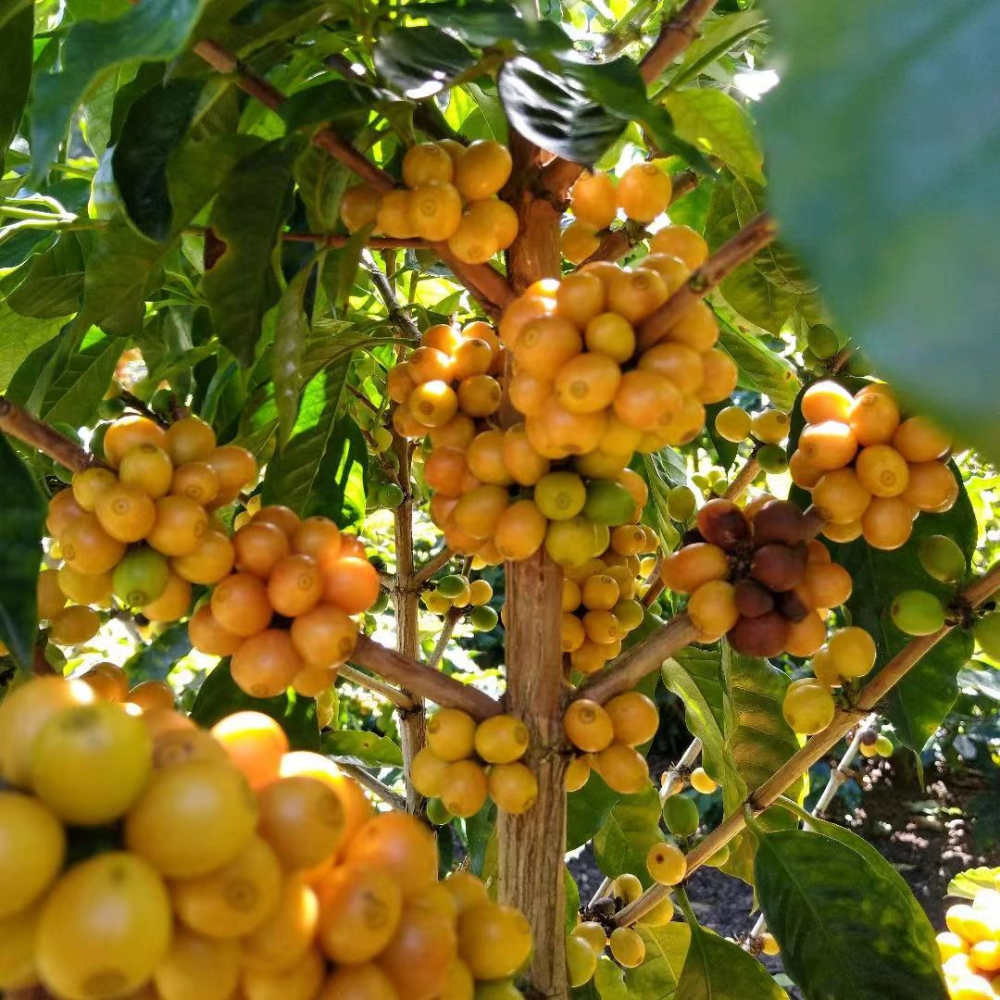
Caturra has a small plant size, which allows for significantly higher planting density and thus increased yield per unit area. Moreover, its branch structure is compact, making harvesting more convenient. Compared to traditional Typica and Bourbon, Caturra does not rely on shaded environments and can grow healthily even under full sun, hence it is classified as “sun coffee.” This variety is suitable for planting at altitudes between 700 and 1,700 meters. The higher the altitude, the richer the flavors tend to be—bright acidity, clear aromatics, and good sweetness.
As for Catuai, it is the result of artificial hybridization. It was developed by the Agricultural Institute of São Paulo State in Brazil through crossing Mundo Novo (itself a natural cross between Bourbon and Typica) with Yellow Caturra, initially designated as “H-2077.” Mundo Novo is known for its high yield, strong disease resistance, and good cup quality, while Yellow Caturra inherits Caturra’s compact plant size and sun tolerance, along with excellent acidity expression.
Catuai thus combines the strengths of both parents—it is not only high-yielding and disease-resistant, but also shows strong resilience to adverse weather, especially strong winds and heavy rain. In addition, its short plant height allows for double-density planting, which helps improve economic efficiency per unit area and facilitates farm management and pest control. However, because of its relatively low stature, it is also more susceptible to leaf rust, so protective measures need to be taken.
Interestingly, although the initial “H-2077” did not particularly stand out in cupping evaluations, its stable yield and strong adaptability still made it one of the top choices for farm operators. After subsequent pedigree selection (i.e., continuous selection of a single superior plant), this variety was widely promoted in Brazil starting in 1972 and gradually introduced to various Central American countries, including Costa Rica and Honduras. It is worth noting that even within the same variety, transplanting to different altitudes and climatic conditions may lead to slight variations in yield and flavor profile.
In actual regional applications, Caturra and Catuai are often interplanted in the same block due to their similar cultivation habits. Some studies suggest that there is no significant difference in productivity between these two varieties, and performing secondary classification would only increase labor and management costs. Therefore, on many Central and South American estate-level coffee packaging, both Caturra and Catuai are often labeled, indicating that the beans in that batch may come from a mixed planting of these two varieties.
Taking actual cupping as an example, Catuai often exhibits clear fruit notes, with bright acidity that is not overly sharp, a soft sweetness, and a long-lasting aftertaste. For instance, a washed Catuai from the Sweet Orange Estate in the Marcala region of Honduras, planted at an altitude of about 1,425 meters, features a flavor profile centered around citrus fruits, complemented by the mellow texture of molasses and grains. It is highly suitable for coffee lovers who enjoy refreshing, sweet-and-acidic profiles.
If you’d like to try brewing such a Catuai at home, you can refer to the following parameters: the grind size is recommended to be adjusted to the coarseness of fine sugar, with a tested passing rate of about 80% using an 850-micron national standard sieve. This fineness helps fully extract citrus aromas and sugary sweetness. The suggested water temperature is set slightly higher at 92°C, which helps enhance aroma release and sweetness expression. Using a V60, a brewer with a fast flow rate, can more clearly highlight the fruity character.
For specific operation, use 15 grams of coffee grounds with a 1:16 coffee-to-water ratio, for a total water volume of about 240 milliliters. Begin with a 30-second bloom using 30 grams of water to initiate the expansion of the coffee grounds and release of gases. Then, pour 150 grams of water in a circular motion. This step is crucial for flavor development, and it is recommended to focus on the 1:10 coffee-to-water ratio range to enhance the sweet orange and juice-like sensation. Once the coffee bed has settled slightly, add the remaining 60 grams of water. The total extraction time should be controlled to around 2 minutes.
Through such parameter adjustments, you will be able to fully experience the refreshing citrus aroma, gentle lemon acidity, and sweet orange flavor as smooth as syrup, with an aftertaste that even carries a hint of the mellow texture of genmaicha (brown rice tea), leaving a memorable impression.
The above content is compiled by CoffeeHunters, a coffee news website.


