







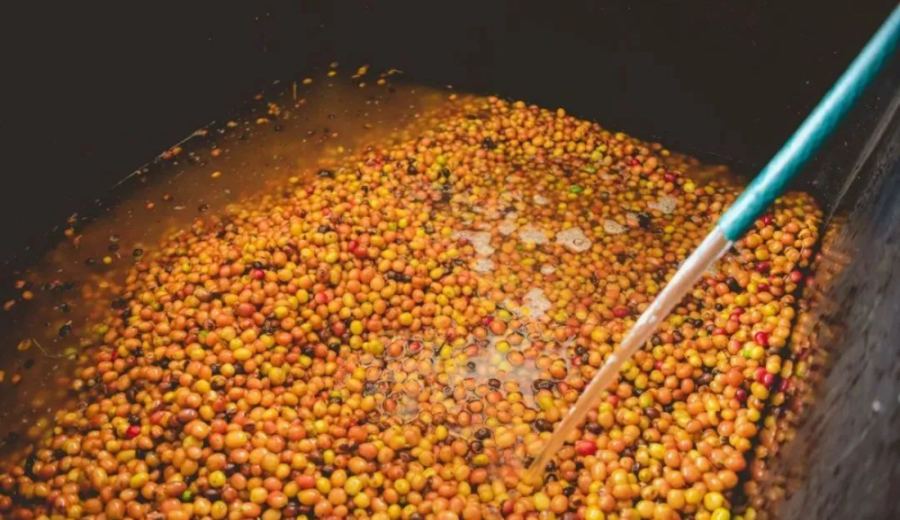
Introduction:Colombia is the world’s third-largest coffee-producing country, renowned for its consistent quality and diverse growing regions. This article takes an in-depth look at the characteristics of well-known local coffee brands, introduces the differences between the central MAM region and boutique micro-regions such as Huila in the south, and explains in detail how to showcase the layered flavors of Huila Caturra washed beans through pour over brewing — covering everything from bean selection to brewing techniques.
As a key player on the global coffee map, Colombia has nurtured numerous uniquely flavored coffee brands thanks to its complete industry chain and exceptional geographical conditions. Spanning three major geographical zones from north to south, the country, with its varied altitudes and climates, exhibits distinct harvest seasons — the main season runs from October to January each year, while the secondary season occurs between April and July, ensuring a continuous supply of high-quality green beans to the market.
Among the many brands, Juan Valdez is undoubtedly the most iconic name. Represented by the image of a Colombian coffee farmer, this brand has not only successfully shaped the distinctive image of South American coffee but also established a solid position in the international market through over forty years of dedication.In 2005, TIME magazine pointed out that its logo recognition even surpassed that of several international giants, making it a symbol of quality in the minds of consumers. The brand’s coffee beans all come from the rich soils cultivated across Colombia’s diverse terrains, capable of meeting the varied flavor expectations of different drinkers.
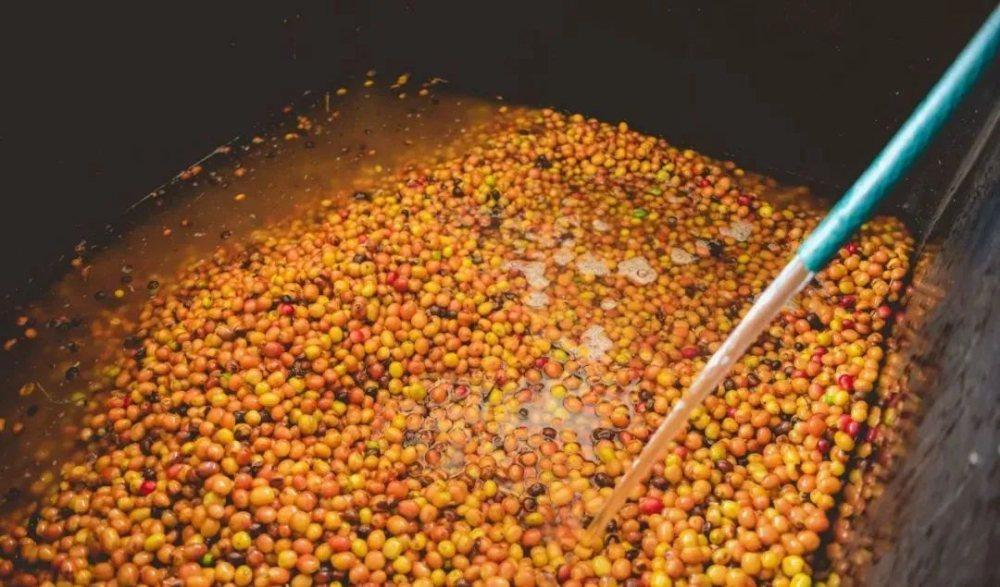
In addition to internationally renowned brands, there are also several noteworthy domestic choices in Colombia. Ming Coffee is praised for its rich and bold flavor with a slight acidity in the aftertaste, ideal for those who enjoy aromatic cups; Colcafé sticks to traditional dark roasting, delivering a classic balance of sweet, sour, and bitter notes; while Colin Selection’s beans, featuring bright acidity paired with nutty tones, showcase another facet of Colombian coffee’s charm.
The reason Colombian coffee enjoys widespread popularity lies in itssilky-smooth mouthfeel and the perfect harmony of acidity, bitterness, and sweetness. Many enthusiasts regard it as synonymous with high-quality coffee, especially the specialty-grade beans, which can exhibit an outstanding fusion of fruity notes and body.
If further categorized by region, Colombian coffee beans can be mainly divided into two types: commercial and specialty. Commercial beans mostly come from the “MAM” trio of central and northern regions — including Medellín, Armenia, and Manizales. These areas are dominated by large farms, and their flavors tend toward the bright fruit acidity typical of Central and North American profiles. It is worth noting that the Bucaramanga region in northeastern Santander Province, due to its lower altitude, offers beans with low acidity and heavy body, resembling Indonesian Mandheling in flavor. This phenomenon may be related to geographical factors affecting acidity levels.
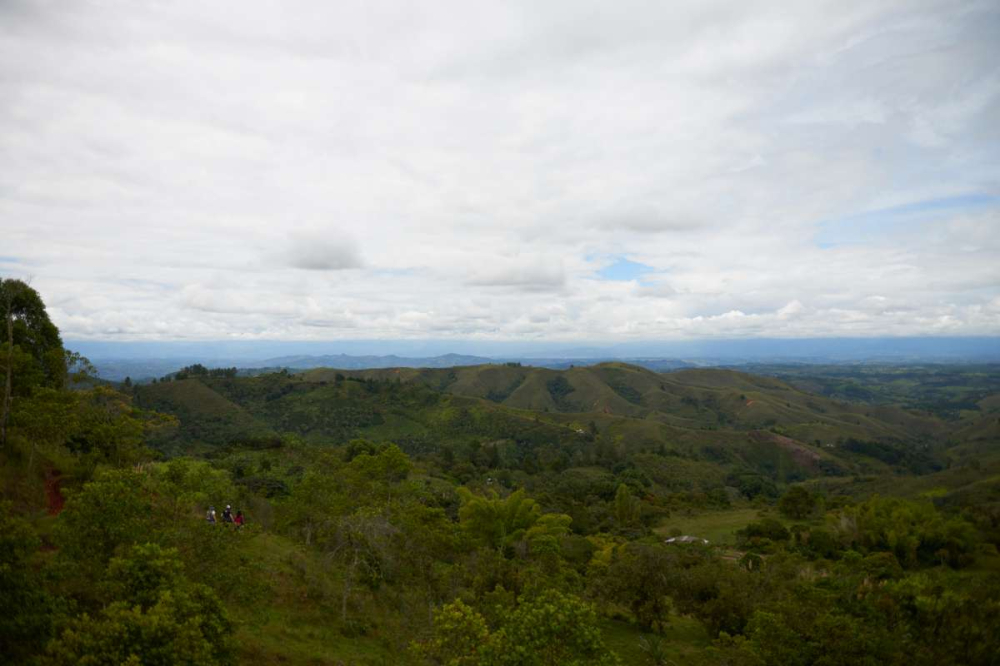
Specialty coffee beans are primarily concentrated in southern regions at elevations above 1,500 meters, such as the provinces of Cauca, Huila, Meta, and Tolima. These regions, blessed with fertile volcanic soils, produce beans often characterized by a caramel base and delicate berry aromas, excelling especially in sweetness. Among them, Huila Province, located in the southern section of the central mountain range, is truly a golden zone for specialty coffee.
Nestled in a high-altitude area surrounded by mountains (mostly exceeding 1,500 meters), Huila benefits from abundant moisture and the convergence of Colombia’s important rivers. Unlike the commonly perceived “balanced and smooth” Colombian coffee,the smallholder micro-lots produced locally often showcase unique regional characteristics. In recent years, as international markets have raised their quality demands, the traditional method of grading by bean shape has gradually been replaced by the micro-region micro-lot model — where beans harvested by dozens of small farmers are cupped in batches to select premium lots, significantly improving both flavor consistency and uniqueness.
Take, for example, a brand’s offering of Huila Caturra washed beans (medium-dark roast, 1,500–1,800 meters altitude) as a practical pour over experience. It is recommended to use a KONO filter and follow these brewing parameters: water temperature86-87℃, coffee dose15 grams, brew ratio1:15, grind size75% passing through a #20 sieve. The specific steps are: first pour 30 grams of water for a 30-second bloom; after the coffee bed expands, continue pouring until you reach 125 grams for the first pour; then, just before the water level exposes the coffee bed, pour up to 225 grams to complete the extraction (total brew time approximately2 minutes). This setup effectively highlights the beans’ sweetness and layered complexity, with tasting notes of dark chocolate, nuts, and caramel in the foreground, followed by gentle fruity acidity as it cools, delivering an overall well-balanced profile.
From regional characteristics to brewing details, the allure of Colombian coffee lies in its richly diverse flavor potential. Whether you’re a beginner exploring pour over or an advanced drinker seeking specific regional profiles, a deeper understanding of these key elements will enrich your tasting experience.
The above content is compiled by CoffeeHunters, a coffee news website.


