







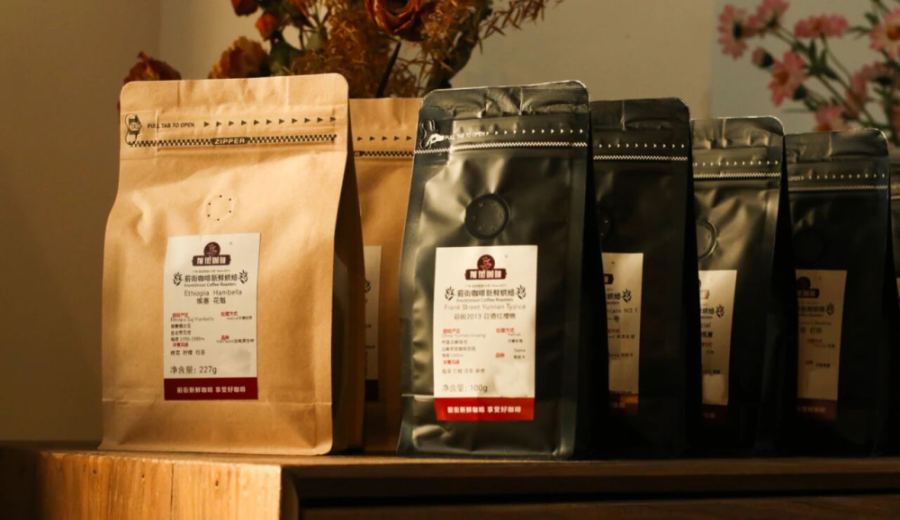
Introduction:To brew an authentic Italian-style coffee, in addition to grind size and extraction techniques, selecting the right beans and managing their freshness are key. This article explores flavor profiles, analyzing the characteristics of light-medium, medium-dark, and dark roasted beans, and offers practical bean selection advice. It also delves into the golden window for enjoying coffee beans—from roast to cup—helping you avoid staleness and enjoy stable, layered flavors at home.
For enthusiasts of Italian-style coffee, choosing the right beans and ensuring their freshness are two core factors that influence flavor. This article will help you identify the most suitable Italian beans based on your personal preferences among various roast levels, and unravel the common question of “when is the best time to drink,” so that every brew can deliver its optimal performance.
Choosing Italian Coffee Beans Based on Flavor
Italian coffee is commonly used to make classic drinks like espresso and latte, and different roast levels impart distinctly different flavor profiles. If you prefer bright, fruity, and floral notes, light-medium single-origin beans (SOE) are your best bet. These beans typically showcase vibrant acidity and delicate aromas, such as subtle floral notes, citrus, berries, and a soft caramel finish.
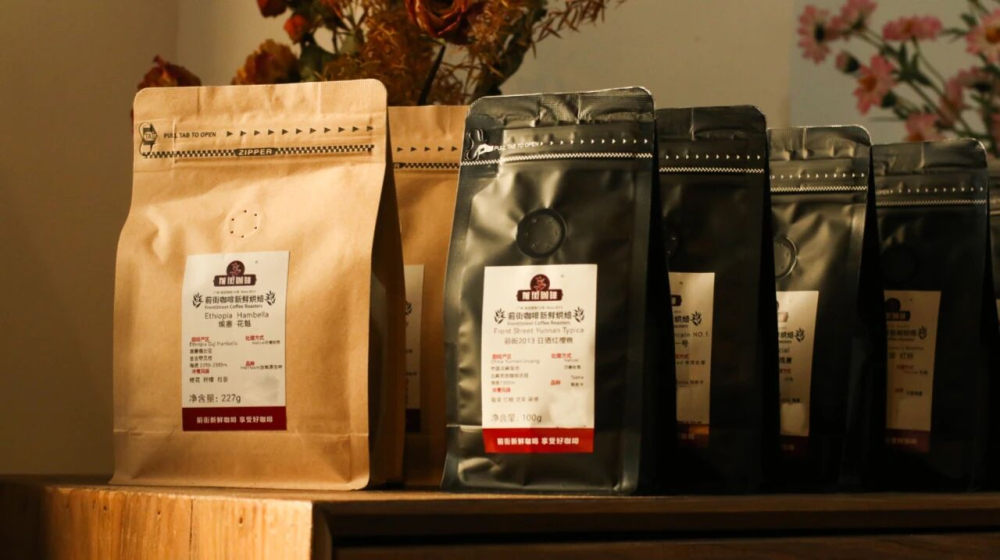
In contrast, medium-dark roasted beans highlight rich sweetness and toasty aromas, making them ideal for those who enjoy nutty, caramel, and balanced flavors. These beans often carry a base of roasted peanuts, nuts, or chocolate, with an overall rounder profile, suitable for daily drinking or pairing with milk.
If you’re after a bold, full-bodied taste and are less sensitive to acidity, dark roasted beans are the ideal choice. These coffees usually exhibit intense notes of chocolate, spices, herbs, and dark cocoa, with a smooth mouthfeel and long-lasting aftertaste—perfect for use as espresso bases.
Recommended Common Flavor Profiles
Based on different flavor preferences, here are several common and representative roast types along with their typical flavor characteristics:
Light-medium SOEs often present delicate floral notes, citrus tones, berries, and caramel sweetness—ideal for those who enjoy fresh and bright profiles. Medium-dark roasts are characterized by nutty aromas, mellow sweetness, and toasty notes, suitable for everyday drinking. As for dark roasts, their hallmark lies in intense chocolate, spice, and full-bodied textures, making them perfect for coffee lovers who prefer bold flavors.
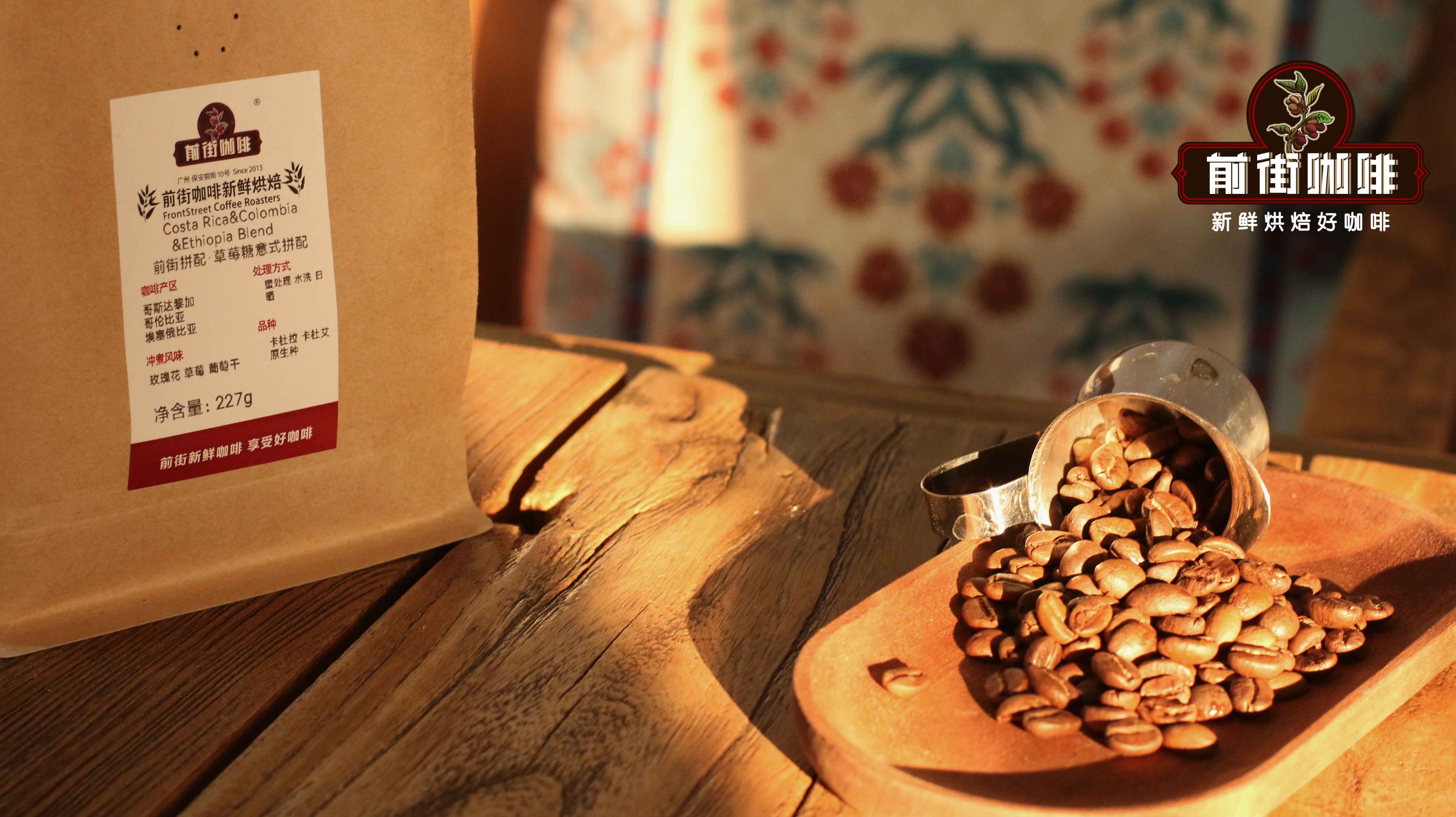
How Long After Roasting Is It Best to Drink? Mastering the Golden Window
Whether you’re using a pour over or an espresso machine, the freshness of coffee beans directly impacts extraction results and flavor expression. Freshly roasted beans contain abundant carbon dioxide and volatile aromatic compounds, which are key to creating layers and aroma in coffee.
Generally speaking, coffee beans go through a “resting period” after roasting, allowing residual carbon dioxide to gradually dissipate while helping flavors reach better balance. This stage usually requires waiting 3 to 7 days, depending slightly on the roast level.
Counting from the completion of roasting,the optimal drinking window typically falls between 40 to 50 days. It’s recommended to consume the beans within this period to enjoy the fullest and most vibrant flavor expression. Beyond this timeframe, coffee may gradually develop undesirable flavors such as woody notes, flatness, or excessive bitterness.
Coffee Grounds vs. Whole Beans: Which Is Better for You?
Many consumers opt for the convenience of pre-ground coffee, but it’s important to note that coffee grounds have a significantly larger surface area exposed to air, leading to much faster oxidation and flavor loss. Therefore, if you choose to buy pre-ground coffee, it’s advisable to use it soon after opening and store it properly sealed.
In comparison, whole beans preserve aroma and flavor more effectively. It’s recommended to grind them at home using a burr grinder, which not only ensures the grind size matches your brewing method but also maximizes flavor. If you purchase pre-ground coffee, aim to use it within 1 to 3 days after opening for the best drinking experience.
The above content is compiled by CoffeeHunters, a coffee news website.


