







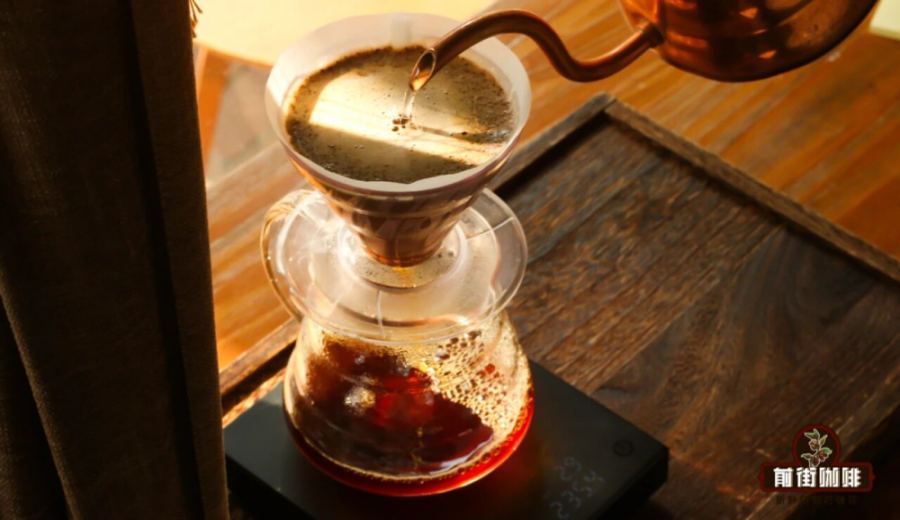
Introduction:The French press and pour over are two of the most commonly used brewing methods among coffee enthusiasts at home, but their extraction methods and final flavor profiles are vastly different. This article delves into the differences between the two and uses practical operation as an example to detail the grind size, coffee-to-water ratio, water temperature, and brewing steps for the French press, helping you easily master the essentials of using a French press to brew a rich and layered cup of coffee.
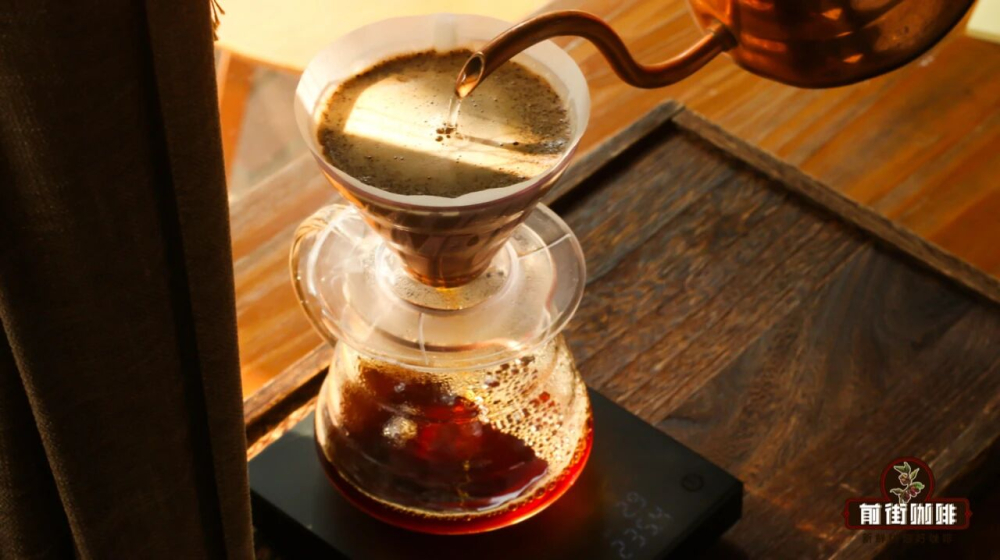
Although both pour over and French press can produce delicious coffee, the extraction principles behind them are fundamentally different. Pour over is a dynamic drip filtration method, where hot water is slowly poured over the coffee grounds and drips through the filter paper into the lower container. This method highlights clear layers and a clean mouthfeel, with more delicate aroma expression. However, pour over requires controlling multiple variables such as pouring speed, technique, and time, which can be more challenging for beginners.
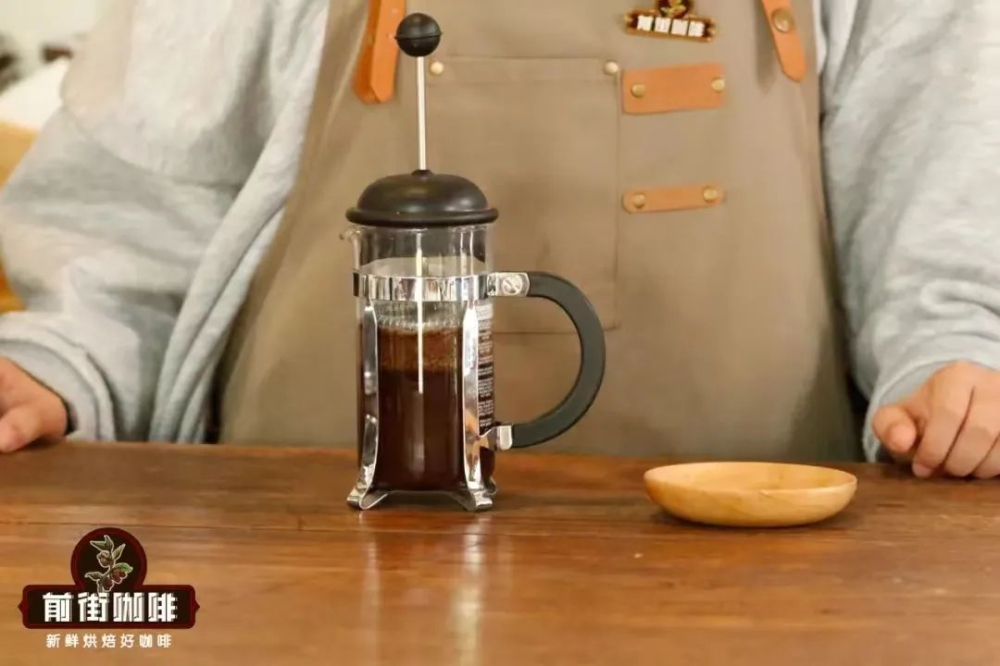
In contrast, the French press has a simple structure and uses an immersion brewing method. Simply place the coffee grounds and hot water together in the pot, let it steep for a while, and then press the coffee grounds to the bottom using the metal filter. The metal filter not only retains the natural oils in the coffee but also makes the flavor richer and fuller, with softer and more rounded layers. Because there’s no paper filter to block the extraction, the overall mouthfeel is smoother, making it ideal for those who prefer a bold flavor.
The French press is hailed as a “lazy person's tool” because of its intuitive and easy-to-use operation, but this doesn’t mean it can’t showcase the full flavor of the coffee. In fact, the extraction method of the French press is similar to professional cupping, fully releasing the coffee’s aromas, oils, and various flavor compounds, resulting in a smoother mouthfeel and pronounced aftertaste. It’s especially suitable as a morning pick-me-up cup of hot coffee.
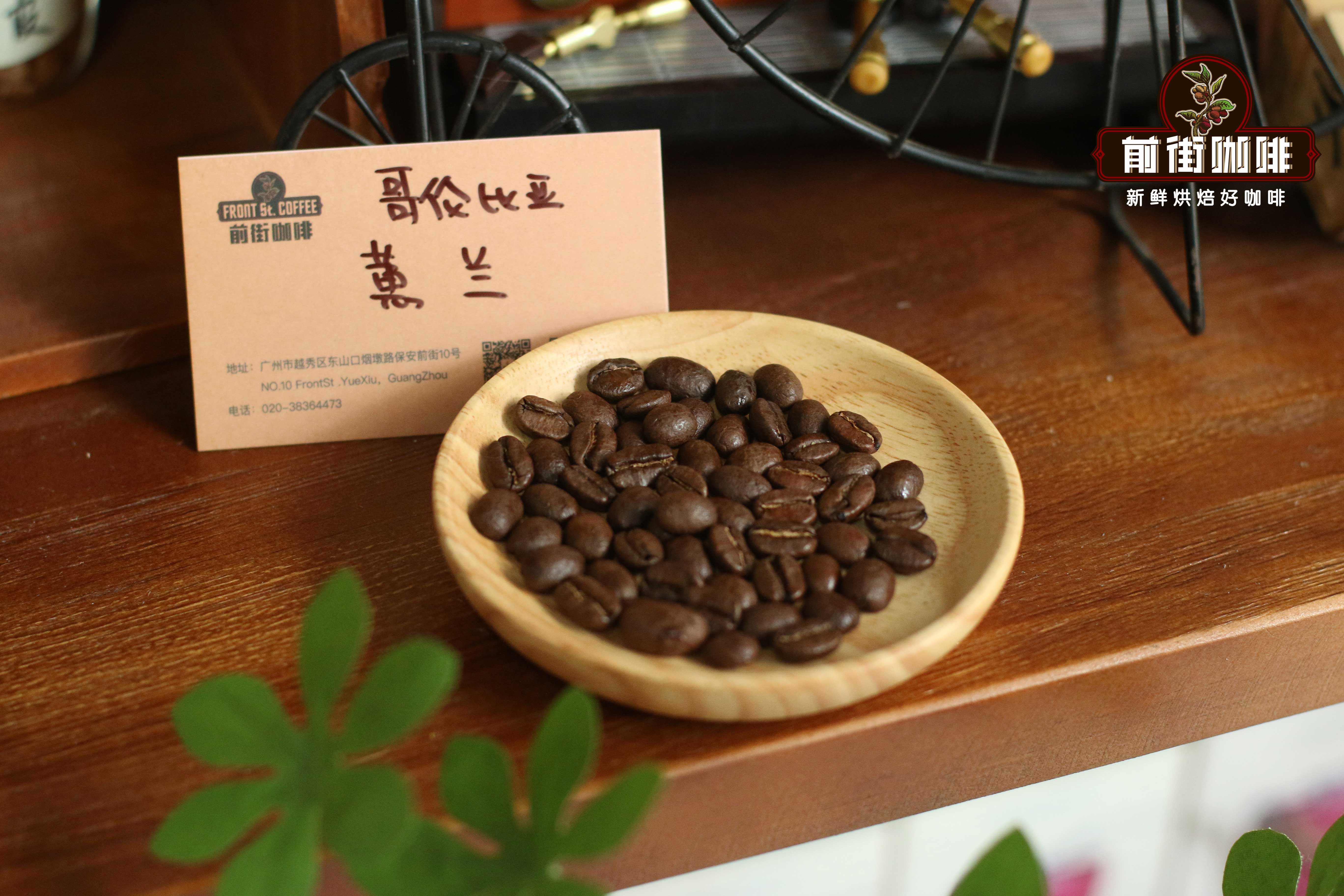
Taking Colombian Huila coffee beans as an example, this bean variety typically features bright citrus notes, moderate acidity, and a rich finish of nuts and chocolate, making it very well-suited for the French press to highlight its bold and balanced characteristics. Below, we will detail how to use the French press—from bean selection, grinding, water temperature control, to hands-on brewing—guiding you step by step to make a cup of coffee with a full-bodied flavor.
First, when it comes to grind size, the French press recommends using a medium-coarse grind, roughly the consistency of sea salt. This ensures the coffee grounds don’t release their substances too quickly, while also preventing fine particles from passing through the metal filter and causing cloudy coffee. If tested with a standard sieve, it is recommended that the pass-through rate stays within70%–75%. If ground too finely, it can not only affect filtration efficiency but may also lead to over-extraction, resulting in a bitter taste.
In terms of coffee-to-water ratio, you can start by trying1:10, for example, using 20 grams of coffee beans with 200 grams of hot water. However, the more commonly recommended ratio is1:16, which is 15 grams of coffee grounds to 240 grams of water. This ratio is suitable for two servings, and you can also make slight adjustments based on your personal taste preferences. If you have coffee drip bags at home, you can also use them directly—for instance, each 10-gram drip bag is also suitable for brewing with a French press.
Having an accurate electronic scale is very important. Even if the French press itself comes with markings or measuring spoons, the electronic scale remains essential. Because coffee beans from different regions vary in density and volume due to factors like altitude, processing methods, and roast levels, relying solely on visual estimation makes it difficult to ensure consistency in each brew. Additionally, if you happen to brew a particularly satisfying cup of coffee, recording the relevant parameters will help you recreate the same flavor in the future. Conversely, if the result is not as expected, you can also make adjustments based on the data.
Water quality is also one of the key factors affecting coffee flavor. It is recommended to use filtered soft water, such as commercially available bottled purified water or filtered tap water, and to avoid using hard water or untreated tap water to prevent compromising the purity and flavor expression of the coffee. For example, using clean mineral water from brands like Yibao usually provides a more neutral extraction base.
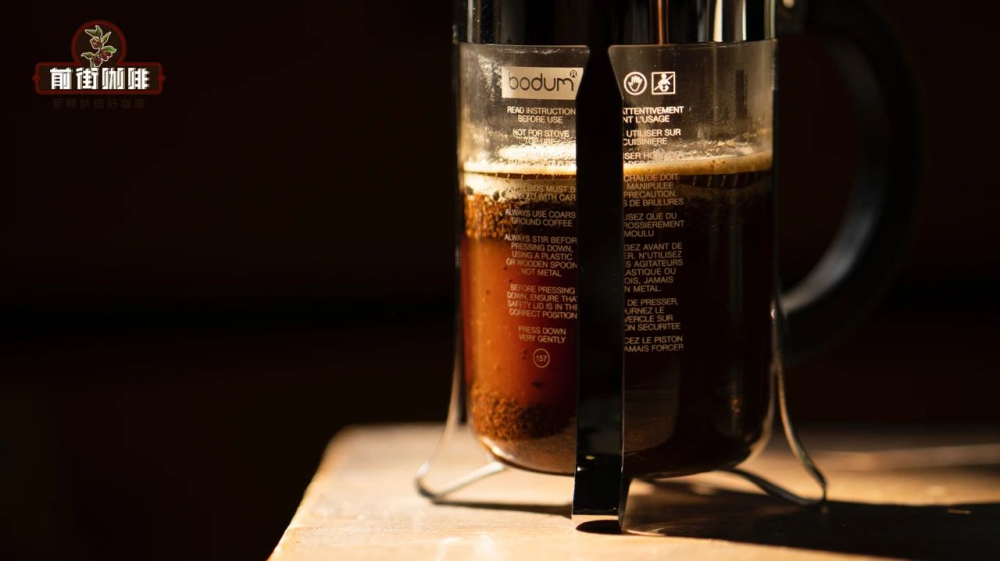
In terms of practical steps, first, pour the medium-coarse ground coffee into the French press. At this point, there’s no need to worry too much about the various grind descriptions—just aim for uniformly medium-coarse particles. Next, boil the water and let it sit until it cools to approximately93°C. This temperature range is very suitable for extracting most single-origin coffees. Then, pour the hot water into the pot. Using 15 grams of coffee as an example, it is recommended to pour in 240 grams of hot water, and gently stir with a spoon to help the coffee grounds evenly absorb the water and promote thorough extraction.
After pouring the hot water, cover the French press with the lid, but keep the filter screen at the top. Allow the coffee grounds to steep and soak for approximately4 minutes. This period is crucial for the release of flavor compounds and should not be too long or too short. Once the steeping time is up, you can open the lid and use a spoon to gently skim off any floating coffee foam and small particles on the surface. This step helps improve the clarity of the final coffee liquid.
Next, slowly press the filter screen down to the bottom. Try to maintain an even speed during the process to avoid excessive pressure, which could release fine particles or over-extract the coffee. After pressing, it is recommended to immediately pour the coffee liquid into another thermos or cup to prevent the coffee grounds from continuing to soak in the pot, which could lead to over-extraction and negatively impact the flavor.
If you prefer a clearer coffee taste, you can also choose to filter the coffee liquid through filter paper again. This effectively removes residual fine particles, making the overall mouthfeel smoother and cleaner. By following the above steps, you can easily recreate a cup of rich and layered French press coffee at home.
The above content is compiled by CoffeeHunters, a coffee news website.


