







Introduction:Yirgacheffe washed coffee beans are renowned for their bright citrus and floral notes, making them a top choice for many beginners entering the world of specialty coffee. This article delves into the historical evolution of the region, the characteristics of its native coffee varieties, and compares the flavor differences between washed and natural processing methods. It also provides practical pour over recommendations, including grind size, water temperature, coffee-to-water ratio, and brewing steps to help you fully master the brewing techniques for this classic bean.
In the world of specialty coffee, Yirgacheffe washed beans have long been a classic due to their refreshing, bright flavors and delicate citrus and floral profiles. This Ethiopian coffee not only benefits from unique growing advantages in terms of terrain and climate, but also showcases diverse flavor expressions due to differences in processing methods. This article will explore the regional background, variety characteristics, and processing differences, along with practical pour over parameters, to give you a comprehensive understanding of how to brew the best Yirgacheffe washed beans.
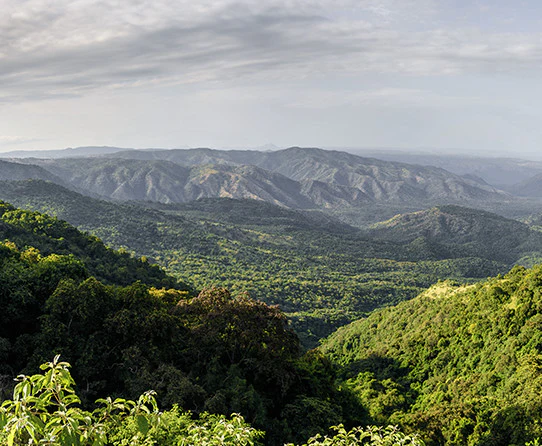
Yirgacheffe was originally part of Ethiopia’s Southern Sidamo region but later became an independent and well-known coffee-producing area due to the outstanding performance of its washed beans. Most coffee trees here are grown at high altitudes of around 2,000 meters. Due to long-term cultivation, the surrounding forest cover has gradually diminished, and coffee is mostly cultivated by smallholder farming families. With the growing market demand for Yirgacheffe, the Ethiopian Commodity Exchange (ECX) has implemented more detailed zoning for the region since 2019. For example, the Kochere area, once classified under Yirgacheffe, is now an independent and representative washed coffee-producing zone, with potential to nurture more regionally distinctive coffee brands in the future.
When it comes to Yirgacheffe coffee bean varieties, many consumers may notice that these beans vary in size and are usually labeled simply as Heirloom, meaning local native varieties. In fact, Ethiopia boasts an extremely rich coffee gene pool with a vast number of varieties that are difficult to classify individually, hence most are collectively referred to as Heirloom, making it a veritable genetic treasure trove for Arabica coffee.
Yirgacheffe coffee beans can mainly be divided into two processing methods: washed and natural, which show significant differences in flavor profiles. The natural process involves drying ripe coffee cherries directly under the sun after sorting, until their moisture content drops to 12%, before removing the pulp and skin. This method preserves the natural sugars and flavors from the fruit, often resulting in berry, citrus, floral notes, and even a slight fermentation character. It suits those who enjoy layered and complex flavors, and is recommended for brewing via pour over or cold brew.
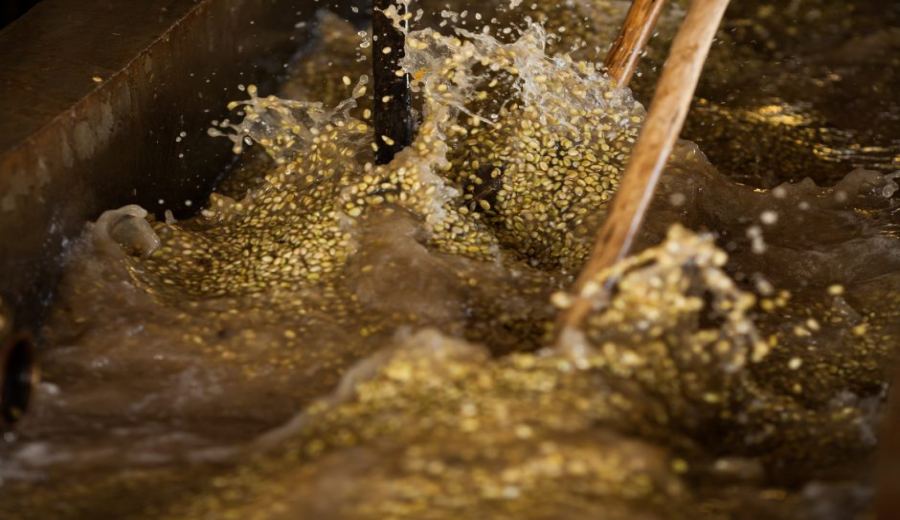
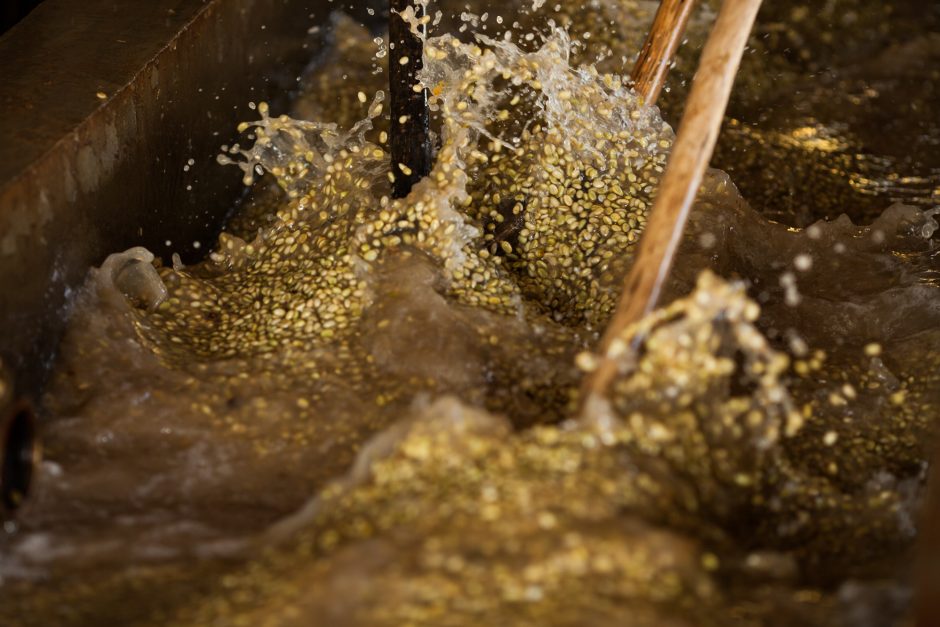
In contrast, the washed process first removes the pulp and skin of the coffee cherries, then ferments the beans in water before drying them to 12% moisture content. This method effectively minimizes interference from the fruit pulp, resulting in clearer and brighter coffee flavors. Typical characteristics include fresh white floral notes, citrus acidity, lemony brightness, and a green tea-like aftertaste. The cup is relatively clean and refreshing, suiting those who prefer bright fruity acidity and a clean profile. For example, the washed Yirgacheffe produced by the Gedeb Cooperative exhibits very typical citrus and green tea notes, making it a popular starting point for many pour over enthusiasts.
If comparing actual beans from different producing areas, such as Yirgacheffe Gedeb and Yirgacheffe Kochere, both use the washed process but come from different washing stations within the region. The Gedeb Cooperative is located in the Wolkite area at the southeastern edge of Yirgacheffe. Originally part of the Wolkite Cooperative, it became an independently operated group of about 300 members in 2012 and has gradually gained recognition in the global specialty coffee market. The rise of such small regions also allows us to enjoy more distinct regional coffee flavors.
In terms of roasting recommendations, the characteristics of Yirgacheffe washed beans are not suited to medium or dark roasts. Over-roasting can easily mask their delicate fruit acidity and floral notes, making the overall flavor profile dull. Light roasting better preserves their bright acidity and fruity aromas, delivering a flavor closer to the origin. Therefore, a light roast is recommended to fully showcase their refreshing uniqueness.
For brewing, it is recommended to use a V60 filter cone, with water temperature controlled at 92-93°C, coffee dosage set to 15 grams, coffee-to-water ratio at 1:15, grind size approximately the size of fine sugar(which can be achieved by sifting with a #20 sieve to about 78% of the powder’s coarseness). These parameters help balance extraction efficiency and flavor expression, achieving an ideal harmony of acidity, sweetness, and body.
A specific brewing method can follow this process: start with 30 grams of water for blooming, for about 30 seconds, then pour water in small circles up to 125 grams for the first pour, wait until the water level nearly exposes the coffee bed before pouring again up to 225 grams to finish extraction (start timing from the bloom), keeping the total brew time around 2 minutes. This method helps ensure even extraction and avoids over-extraction or overly sharp acidity.
In summary, Yirgacheffe washed beans, with their unique regional terroir and processing craftsmanship, showcase a freshness and layering rarely seen in specialty coffee. Whether you're a beginner just starting with pour over or an experienced coffee enthusiast, mastering the roast level and brewing parameters will allow you to fully appreciate the charm of this classic bean.
The above content is compiled by CoffeeHunters, a coffee news website.


