







Introduction:Delve into the unique flavor profiles of Colombia’s six premium coffee-growing regions, paired with tested pour over parameters and steps. From Santander to Nariño, explore how altitude and processing methods influence flavors. Includes detailed flavor wheels for three popular beans—Rose Valley, Flower Moon Night, and Sakura—an essential beginner’s guide to Colombian single-origin coffees.
Colombian coffee enjoys global renown under its national name, with its balanced and rich flavor profile backed by exceptional geographical conditions and rigorous cultivation management. As the world’s second-largest coffee producer, Colombia is not only the top exporter of Arabica and washed beans but also widely praised for its delicate and balanced flavors. This article details the flavor characteristics of the country’s six premium regions—Santander, Antioquia, Tolima, Huila, Cauca, and Nariño—and provides practical pour over parameters to help you fully appreciate the diverse charm of Colombian coffee.
Spanning from 4°N to 12°N latitude, Colombia features a typical coffee belt climate. The Andes Mountains run through the country, and the high altitude combined with abundant rainfall creates ideal conditions for coffee cultivation. Southern regions such as Huila, Cauca, and Nariño, with average altitudes exceeding 1,500 meters, often produce coffees with bright acidity, berry notes, and sweet caramel finishes—perfect choices for specialty coffee enthusiasts.
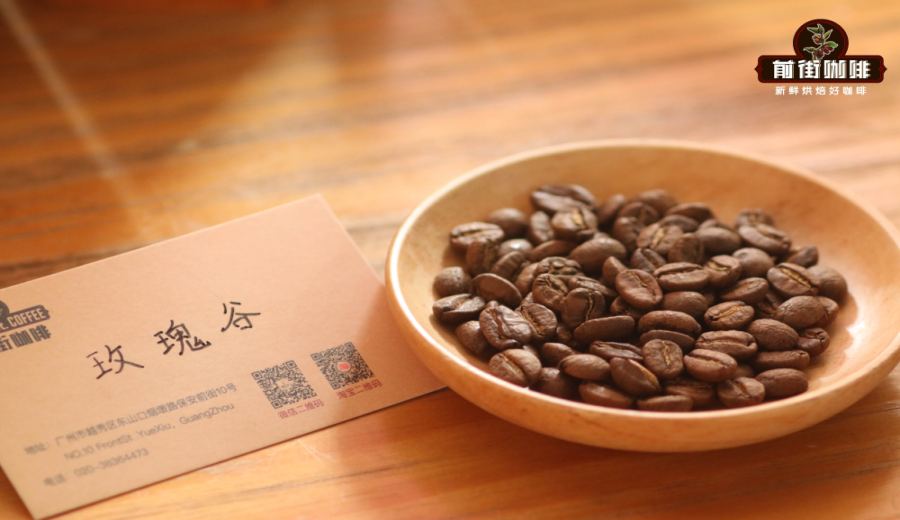
Santander RegionLocated in northern Colombia, at an altitude of about 1,400 to 1,600 meters, this region enjoys a mild climate with moderate day-night temperature variation. Coffees here are known for their rich herbal aromas, full body, and long aftertaste. The representative “Rose Valley” bean, grown at 1,700 meters and processed using the Caturra variety with anaerobic enzymatic washed method, reveals peach sweetness, black grape acidity, and a silky texture of creamy toffee upon brewing, with an aftertaste of liqueur chocolate and nutty aromas.
AntioquiaSituated in the central-northern part of the country, though part of the Andes, it is moderated by the warm Caribbean current, resulting in coffee with a gentle and mellow character, making it an important producing region in central Colombia.
TolimaThe name of this region originates from the indigenous Pijao people, in whose language “Tolima” means “covered in snow.” Farms here are mostly 10 to 15 hectares in size, with many adopting cooperative processing methods, while some farmers process small batches of fresh cherries themselves to preserve more individual flavor traits.
HuilaA key coffee hub in southwestern Colombia, accounting for 12% of the country’s production, it is famed for its nutty, chocolatey, and caramel aromas. For example, the “Flower Moon Night” bean, grown at 1,800 meters on the El Esgueldo farm and processed via anaerobic natural method, showcases intense strawberry jam, berry fermentation notes, and cranberry acidity, with a lingering aftertaste reminiscent of liqueur chocolate.
CaucaLocated in the southwestern highlands, with an average altitude of 1,758 meters and peaks reaching up to 2,100 meters, the significant day-night temperature variation helps concentrate flavors. The “Sakura” bean from this region comes from the Paradise Estate at 2,050 meters, of the Castillo variety, processed with double anaerobic washed method. It offers a rich flavor profile, with sweet and sour strawberry notes and fermentation character on the entry, basil and rosemary aromas emerging mid-palate, and a hint of mint coolness in the finish.
NariñoThe southwesternmost region of Colombia, close to the equator and at around 1,600 meters altitude, features fertile volcanic soil. Coffees from here are round and delicate, often accompanied by cocoa and walnut aromas, with notable sweetness and a smooth aftertaste.
Colombian coffee grading is primarily based on green bean size rather than solely on origin or processing method. This system helps ensure uniformity during roasting and optimal extraction performance.
In terms of industry promotion,FNC (Colombian Coffee Growers Federation)plays a pivotal role—not only handling international marketing and creating the iconic “Juan Valdez” image, but also deeply assisting farmers in production management to ensure coffee quality and farmer income.
Recommended pour over parameters are as follows: water temperature at90°C, coffee dose15 grams, brew ratio1:15, grind size as the 20-mesh sieve passing rate in China80%(similar to the coarseness of fine sugar). It is recommended to use freshly roasted beans within 5 days for optimal flavor expression. The best tasting period for coffee is4 to 7 daysafter roasting.
Pour over steps: First pour30 gramsof water for30 seconds of bloom, then pour95 grams(scale reading approximately125 grams), taking about1 minuteto complete; when the water level drops to half the coffee bed, pour another100 grams(scale reading approximately225 grams), taking about1 minute 35 secondsto complete; finally, finish filtration at2 minutes 04 secondsand remove the filter to end extraction.
The above content is compiled by CoffeeHunters, a coffee news website.


