







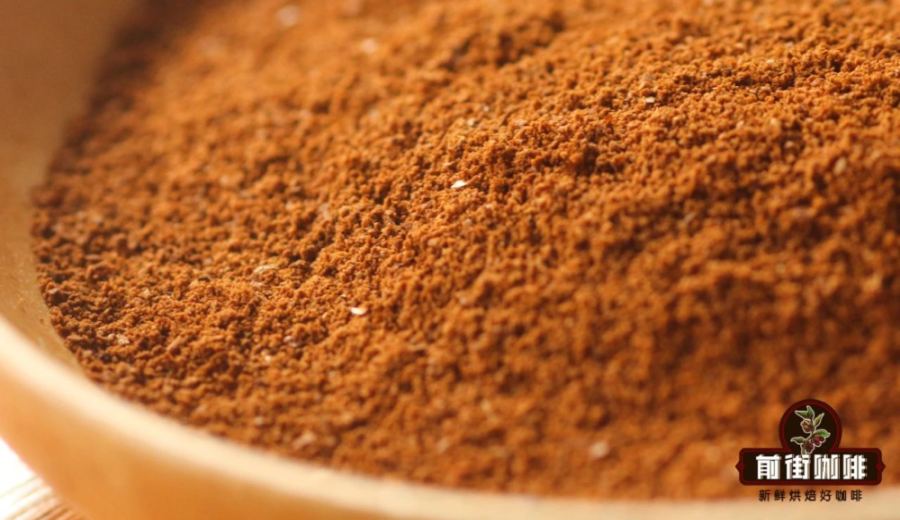
Introduction:Choosing the right coffee grind size is a key step that affects extraction flavor and mouthfeel. Many coffee enthusiasts often overlook the impact of grind size on the final cup, especially when making Americano—should you use medium-coarse or medium-fine? And how does it differ from espresso? This article delves into the medium grind settings suitable for American coffee machines, teaches you how to judge grind size with a sieve, compares the differences between espresso-fine and American grind, and offers suggestions on bean selection and roast level pairing to help you brew a more ideal coffee flavor.
In the process of making coffee, the step of "grinding" is often overlooked, but it actually has a significant impact on overall extraction efficiency and flavor expression. Many people put a lot of effort into selecting water temperature, controlling coffee dosage, and choosing equipment, yet few deeply understand how "grind coarseness" should be adjusted according to different brewing methods. In fact, this seemingly simple parameter directly determines the extraction efficiency of coffee and the final flavor profile presented.
Different brewing devices have vastly different requirements for coffee particle size. For example, devices suitable for drip or immersion methods, such as common American coffee machines, require a "medium grind size" that falls in the middle range; whereas espresso machines need extremely fine coffee grounds to achieve effective extraction in a short time. This article will start with the difference between freshly ground and pre-ground coffee, helping you understand why freshly ground coffee better preserves original flavors, and how to choose the most suitable grind size based on different equipment.
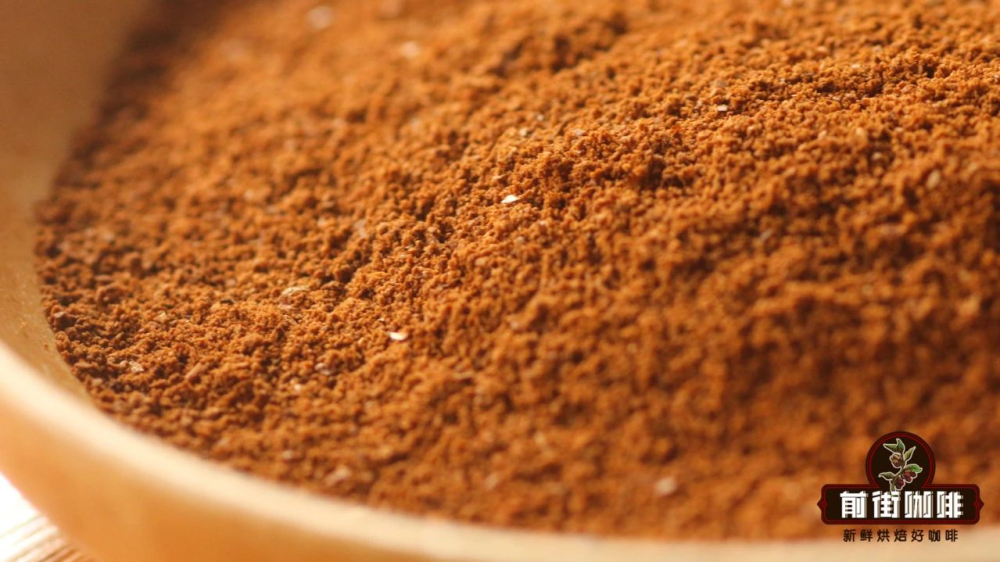
Many consumers, for convenience, opt for pre-ground coffee. However, for those who truly understand coffee, the flavor difference between pre-ground and freshly ground is quite noticeable. Even if vacuum-sealed, the flavor shelf life of pre-ground coffee still cannot compare to that of freshly ground. This is because once coffee beans are ground, their internal volatile aromatic compounds, oils, and carbon dioxide begin to dissipate rapidly, thereby affecting the overall performance of the coffee.
There are three main reasons for flavor loss: moisture, oxidation, and the release of carbon dioxide. Once coffee beans are ground into powder, their surface area increases significantly, not only easily absorbing moisture from the air but also accelerating oxidation reactions, causing otherwise stable compounds to break down quickly. Additionally, the loss of carbon dioxide also alters the extraction characteristics of the coffee grounds. Therefore, it is recommended to grind and brew immediately whenever possible. If pre-grinding is necessary, store the coffee powder in a light-proof, oxygen-free, and airtight container to slow down flavor degradation.
Besides preserving flavor, grinding your own beans allows you to more precisely control grind coarseness and further adjust extraction parameters to suit your taste. Different brewing methods require different grind sizes. For example, pour over coffee typically uses a medium-coarse grind, while espresso requires a powder-like, extremely fine grind. Therefore, understanding how to select and adjust grind size is a fundamental skill every coffee enthusiast should have.
When it comes to choosing a home coffee grinder, they can generally be divided into two main types: manual and electric. Electric grinders can be further subdivided into various models based on structure and function, but we won’t go into detail here—readers can look up relevant information based on their own needs. It’s worth mentioning that the once-popular blade or propeller grinders, which cannot precisely adjust grind settings and produce uneven coffee grounds, have gradually been phased out by the market. These grinders rely solely on adjusting grinding time to control coarseness. Although affordable, they are not recommended if you have certain quality expectations for your coffee.
However, if you only brew occasionally or have a limited budget, these grinders can still suffice for devices like American drip machines or French presses that have less demanding grind size requirements. But if you want to brew coffee with more balanced flavor and richer layers, investing in an adjustable grinder will be a clear upgrade.
Back to today’s topic—what grind size should an American coffee machine use? Currently, there are many classifications of coffee grind sizes on the market, ranging from extra coarse to extra fine, each corresponding to different brewing devices. But for ease of understanding, we can simplify grind sizes into three main categories: fine, medium, and coarse. Taking the common American drip machine as an example, this type of device mainly allows hot water to slowly seep through coffee grounds via paper or metal filters, performing drip extraction in a hybrid immersion-drip method.
With this brewing method, using overly fine coffee grounds can lead to excessive contact area between water and coffee, prolonging extraction time and easily releasing too many bitter substances, resulting in so-called "over-extraction"; conversely, if the grind is too coarse, water will pass through the coffee layer too quickly, causing under-extraction and making the coffee taste weak like water, lacking layers and flavor. So, how do you determine the standard for a "medium grind size"? A simple and practical method is to use a "No. 20 national standard sieve" for screening—if the sieved coffee grounds have70% to 80% passing through the sieve, it can be considered a suitable medium grind size.
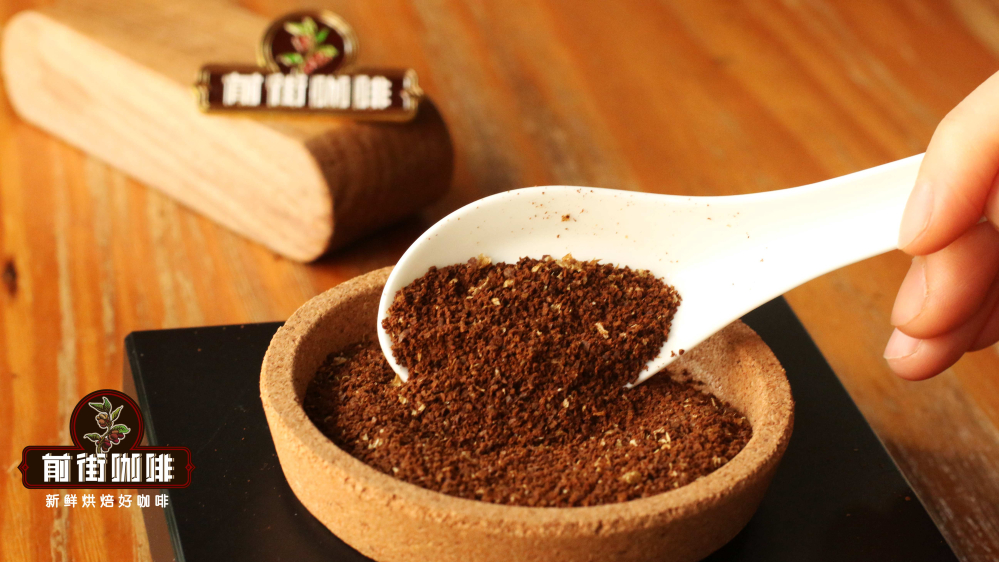
As for espresso, it follows a completely different extraction logic. To quickly extract a rich and balanced coffee liquid within just 20 to 30 seconds, espresso machines require extremely fine coffee grounds, close to the fineness of flour, in order to effectively enhance extraction efficiency under high pressure. In comparison, the coffee grounds used in American coffee machines feel more like coarse salt granules—the flavor profiles of the two are naturally vastly different.
Additionally, the choice of roast levels for the two types of coffee also differs. Modern American coffee, though originating from espresso, generally has a higher tolerance for roast levels—you can experiment from light to dark roast, adjusting based on personal taste. In contrast, espresso generally prefers dark-roasted coffee beans because dark roasts bring out a richer, fuller-bodied taste, reduce acidity, and release more coffee oils, giving the coffee a full and smooth mouthfeel. Using overly light-roasted beans for espresso may result in noticeable sourness and astringency, while over-roasting can easily produce burnt bitterness and smokiness, affecting overall flavor balance.
In summary, whether you’re using an American coffee machine or an espresso machine, understanding the relationship between grind coarseness, equipment, and roast level is a key factor in enhancing coffee flavor. By adjusting grind size, mastering sieve judgment techniques, and selecting suitable coffee beans for different brewing methods, you’ll be able to more precisely control the extraction performance of each cup of coffee and enjoy a richer, more layered coffee experience.
The above content is compiled by CoffeeHunters, a coffee news website.


