







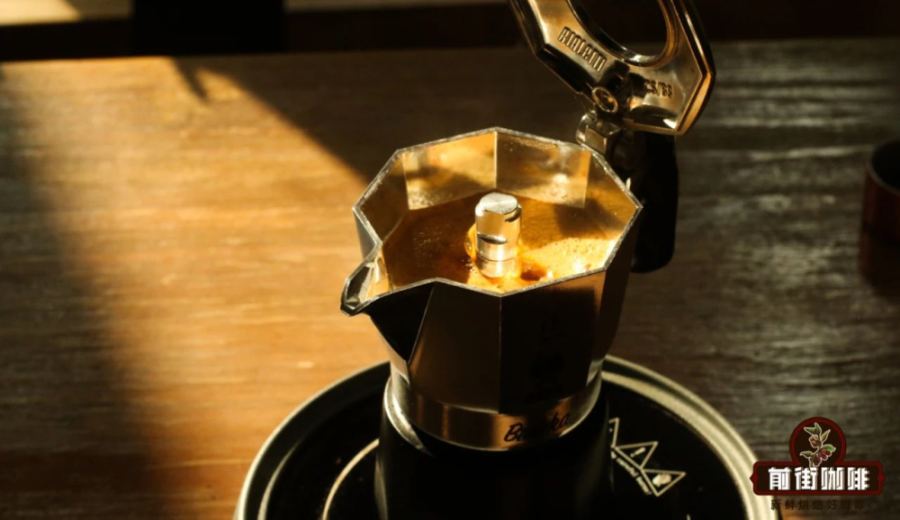
Introduction:The moka pot is the go-to brewing tool for many home coffee enthusiasts, offering an extraction experience close to that of a professional espresso machine at a relatively low cost. However, brewing coffee with rich aroma and thick crema is not as simple as just heating water. This article delves into the structure and working principles of the moka pot, provides step-by-step operation instructions, highlights safety precautions, and offers practical guidance on common concerns such as "bean selection" and "grind size control," helping you consistently extract a bold and rich coffee similar to espresso.
If you want to enjoy a cup of espresso with rich crema and intense aroma at home, the moka pot is one of the most commonly chosen tools for many coffee lovers in the beginning. Compared to expensive espresso machines, the moka pot is affordable and not complicated to operate, but mastering some key techniques is still essential to achieve café-level taste and appearance. Every aspect—from grind size and water level control to the type of coffee beans used—can affect the final extraction quality.
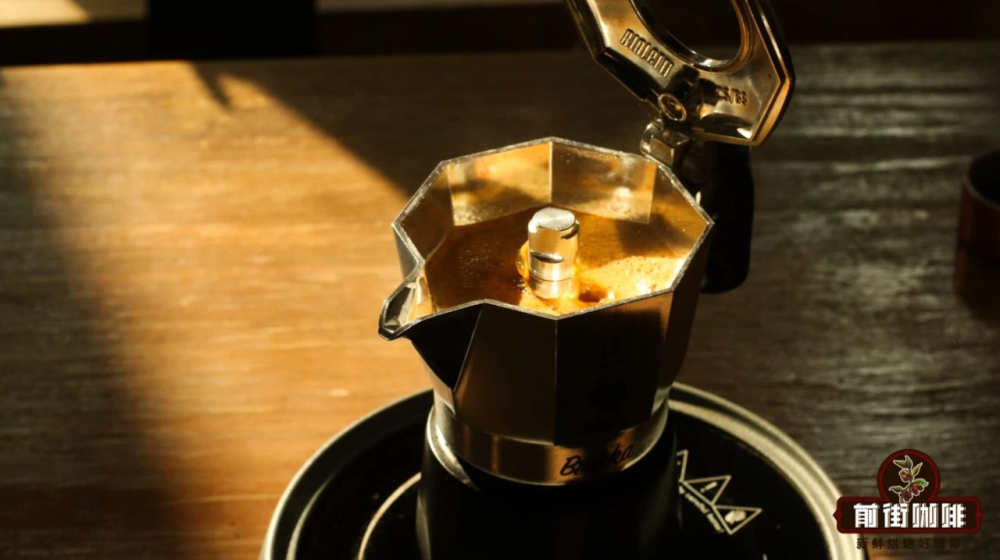
The operating principle of the moka pot actually shares some similarities with a household washing machine. It was invented in Italy in the 1930s by aluminum product designer Alfonso Bialetti. Back then, he drew inspiration from the way steam pushes liquid upward during a washing machine’s heating cycle and designed this device that uses heat-generated pressure to push water through a bed of coffee grounds, ultimately dripping out as espresso.
The moka pot is generally divided into three main parts: the upper chamber, the middle filter basket, and the lower chamber. When heated, the water in the lower chamber generates steam, creating pressure that pushes the hot water up through the narrow central tube, passing through the coffee grounds placed in the upper filter basket, and finally extracting espresso with crema (coffee oils) under pressure, which then collects in the upper chamber. Though the process may seem simple, both pressure control and extraction time are critically important.

To successfully use a moka pot, it’s first necessary to understand the basic operation procedure. It is recommended to follow these steps: Start by adding an appropriate amount of hot water to the lower chamber—the water level must never exceed the safety valve position, and it is generally advised to fill it to about 0.5 cm below the valve. Next, fill the middle filter basket with finely ground coffee and gently level the surface without tamping it down. Then, place the filter basket into the lower chamber and assemble it tightly with the upper chamber to ensure an airtight seal. Place the entire moka pot on a stove or other heat source. Once you hear a distinct “wuu wuu” sound and observe the coffee liquid beginning to steadily flow into the upper chamber, you can turn off the heat.
During this process, safety is absolutely the top priority. The internal pressure generated by heating in the moka pot can cause hot water or coffee to spray out if operated improperly, and there is even a risk of scalding. Therefore, it is advised to pay close attention throughout the heating process. If you hear any unusual noises or see the liquid spraying out too quickly, you should immediately stop heating.
The grind size of the coffee is also a crucial factor affecting the extraction results. The coffee grounds needed for a moka pot are very fine, with particle size typically ranging between 0.3 mm and 0.55 mm—close to the fineness used in espresso machines. If you don’t have dedicated moka pot coffee grounds, you can use a grind size ruler to help judge or experiment multiple times to find the most suitable grind for your own moka pot. If the grind is too coarse, water will flow through too quickly, resulting in thin coffee lacking crema; if the grind is too fine, it may easily clog, causing excessive pressure and even safety risks.
Additionally, if you notice the coffee liquid spraying out too quickly, it usually means the grind is not fine enough or the coffee is unevenly packed. If no coffee liquid drips out even after heating for a while, it may be because the grind is too fine, the coffee is packed too densely, or the heat is too high, preventing water from passing smoothly through the coffee layer. In such cases, you should immediately turn off the heat to avoid danger caused by overheating.
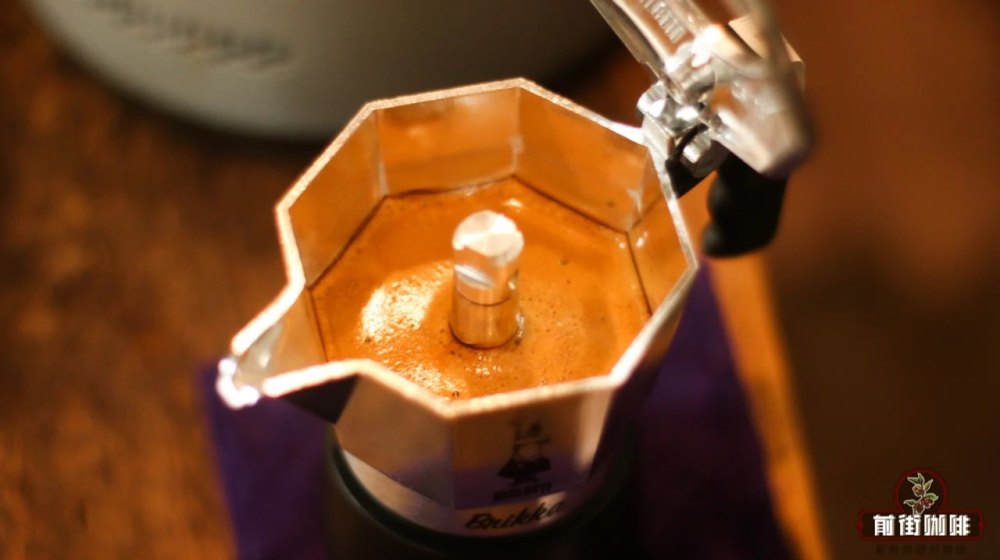
As for what kind of coffee beans to choose, this is also a common question among beginners. Although the moka pot is not a professional espresso machine, it still aims to produce coffee with a flavor profile similar to espresso. Therefore, it is recommended to use medium-dark to dark roasted coffee beans. These beans typically have a richer flavor, lower acidity, and more pronounced crema. Dark roast beans can release more caramel, chocolate, and nutty notes under the pressure extraction of the moka pot, making it easier to achieve a bold coffee with crema.
Common choices include blends from producing regions such as Brazil, Indonesia, or Vietnam. These beans often have strong body and deep flavor profiles, making them suitable for making coffee similar to espresso. Additionally, roast level is also key—too light a roast may fail to extract sufficient oils and bold flavors. For users trying a moka pot for the first time, it is recommended to start with medium-dark or darker roast profiles to achieve a result closer to the ideal coffee experience.
The above content is compiled by CoffeeHunters, a coffee news website.


