







Introduction:The allure of pour over coffee lies in its endless variations, but once you master the six core parameters, you can consistently brew well-balanced cups. This article delves into four key factors—water temperature, coffee-to-water ratio, grind size, and pouring technique—and explains how they directly affect extraction performance. It also includes practical diagrams and specific case studies to help you go from theory to practice with ease.
Brewing a balanced cup at home via pour over doesn’t require believing in so-called “magic,” but rather mastering a few key variables. Among the many factors that influence flavor, water temperature, coffee-to-water ratio, grind size, and pouring technique are the most direct contributors to extraction quality. This article breaks down their mechanisms one by one and provides clear, easy-to-follow adjustment suggestions, helping you move past the pitfall of “adjusting purely by feel” and learn to respond scientifically and flexibly to different beans and scenarios.
The fascination with pour over coffee comes precisely from its flexibility and variability. Many beginners often hear various “secrets,” such as: the bloom should make the coffee grounds puff up like a small mountain, the final drips must be cut off during brewing, the filter paper must be pre-wetted, or even that switching cups changes the taste. These statements may sound mysterious at first, but once you understand the underlying extraction principles, you can view them more scientifically and better control the final cup flavors.
During the pour over process, there are six main variables that affect extraction: water temperature, coffee-to-water ratio, grind size, pouring technique, time, and water quality. Among these, water temperature, coffee-to-water ratio, grind size, and pouring technique are the parameters that most directly influence taste, while time is often influenced by the former three, and water quality has a dedicated article. This article focuses on analyzing the first four core elements to help you build a solid foundation and gradually refine your skills.
Water Temperature: The Catalyst for Extraction, Not the Only Key
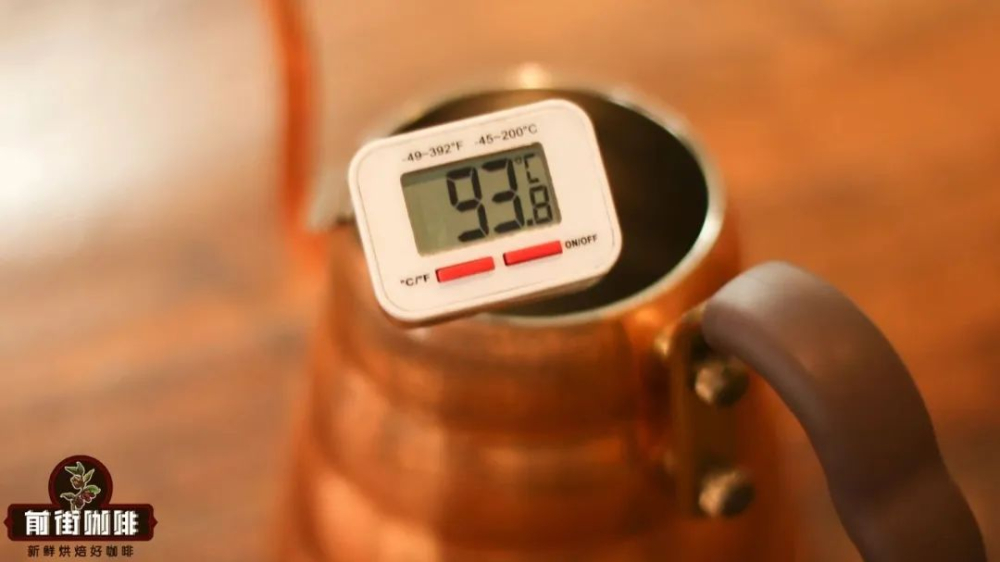
When it comes to pour over coffee, water temperature is always the first factor discussed. It’s generally believed that the higher the water temperature, the faster soluble substances are released, but this also tends to extract more bitterness or impurities. Therefore, choosing an appropriate water temperature range is crucial. For most coffee beans, a water temperature between 86–93°C yields stable results.
In practice,for medium-light roasted and extraction-resistant beans, it’s recommended to use a high temperature of 91–93°Cto fully bring out acidity and aroma; whilefor dark roasted, low-acidity beans, it’s advised to lower the temperature to 86–88°C to avoid over-extraction and burnt bitterness. For medium-roasted beans that balance both acidity and sweetness, such as Birds of Paradise or Strawberry Candy,90°C is a safe and beginner-friendly choice.
However, many people in practice tend to fall into the misconception that “a 1°C difference in water temperature drastically affects flavor.” In reality, tests have shown that coffee brewed at 91°C and 93°C shows minimal difference in overall perception, nearly impossible to detect without careful comparison. One customer reported that brewing Geisha beans at 91°C resulted in weak aroma and bitterness, but lowering the temperature didn’t help—the issue turned out to be overly fine grind size, not the water temperature itself. So if you’re following the recommended temperature but still experiencing flavor issues, consider checking grind size and coffee-to-water ratio first.
Coffee-to-Water Ratio: The Art of Balancing Concentration and Extraction Rate
As the name suggests, the coffee-to-water ratio is the proportion of coffee grounds to hot water used. This ratio directly determines the amount of soluble substances extracted and influences the final coffee’s concentration and overall balance. For example, the commonly used 1:15 ratio means 15 grams of coffee grounds to 225–250 milliliters of hot water. At this ratio, the coffee usually has a clear flavor profile and moderate intensity.
If you prefer a lighter mouthfeel with distinct flavor layers, you can increase the water-to-coffee ratio to 1:16 or 1:17, using more water to let the flavors unfold more and extend the aftertaste. However, if the coffee’s concentration and mouthfeel already meet your needs and only the aroma is lacking, it’s not recommended to easily adjust the coffee-to-water ratio, as too much or too little liquid may lead to under- or over-extraction, disrupting the original balance.
Grind Size: Details Determine Flavor Release
Grind size is often the first challenge for beginners, yet it’s one of the most impactful variables on extraction. Regardless of the pour over method used, appropriate grind coarseness and good particle uniformity are key. Coarseness affects how quickly water passes through, while uniformity determines whether each coffee particle is extracted consistently.
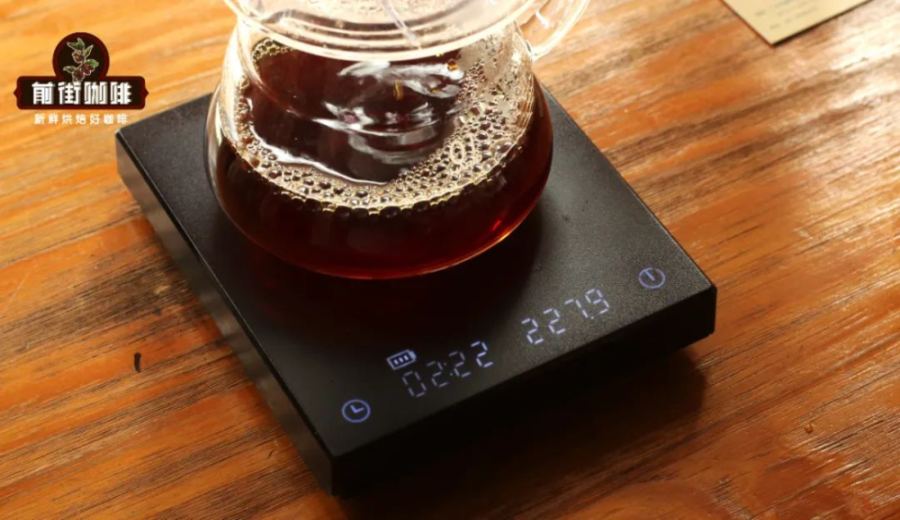
Many beginners use everyday items like “fine sugar” to describe grind size, but if the grinder itself produces poor-quality grinds, even seemingly correct settings may generate excessive fines, causing channeling, uneven extraction, or even a sludgy condition in the coffee bed, extending brew time beyond 2.5 minutes. In such cases, try using a sieve to remove some fines or upgrade your grinder.
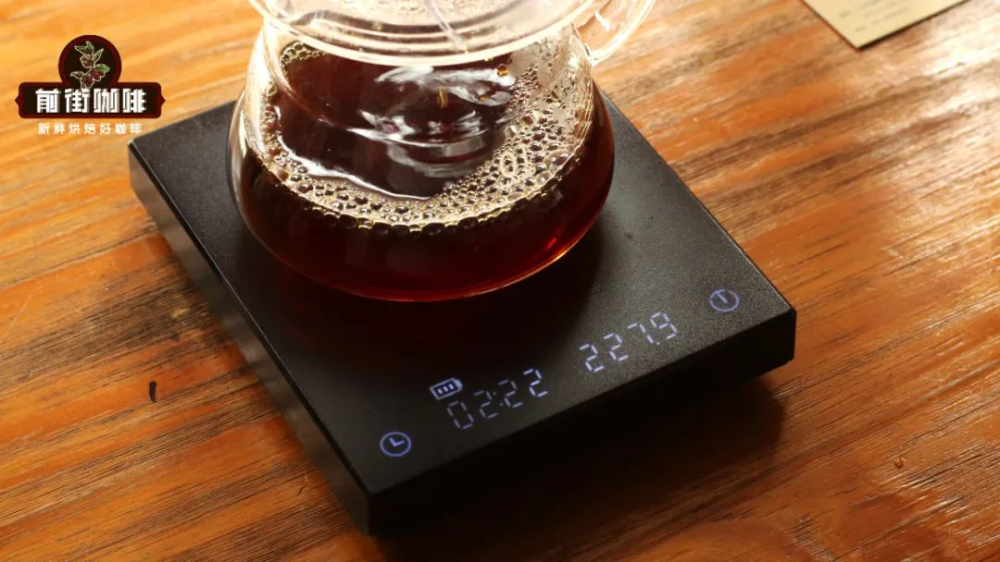
Additionally, the finer the particles, the greater the water resistance, the slower the flow rate, and the longer the extraction time, resulting in a stronger coffee flavor. It’s generally recommended to use extraction time as an auxiliary indicator of whether the grind is appropriate:if total time is under 1 minute 40 seconds and the coffee tastes sour and thin, the grind may be too coarse; if it exceeds 2 minutes 20 seconds and exhibits obvious bitterness and heaviness, the grind may be too fine.
Pouring Technique: Controlling Water Flow to Shape Flavor Profile
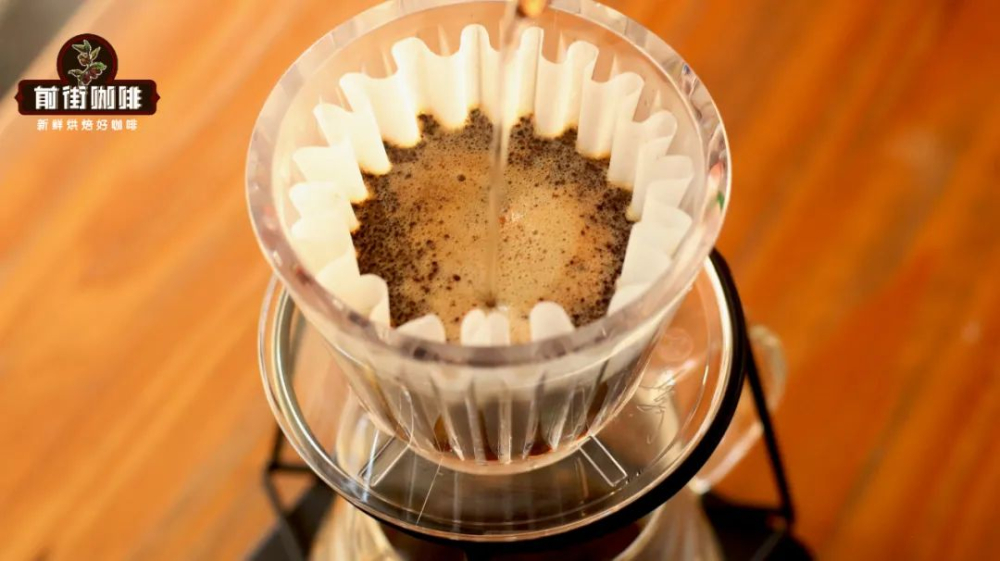
Pouring technique includes factors like water stream strength, swirling speed, and pouring stages, all critical for controlling extraction uniformity. Once water temperature, coffee-to-water ratio, and grind size are properly set, pouring technique becomes the key to balancing the overall extraction. Common methods include single-pour (一刀流), three-stage, four-six pours, or even the more challenging tornado-style—all share the core principle of “even water distribution.”
For beginners,it’s recommended to use the stable and easy-to-control three-stage pouring method, which works for almost all coffee beans as long as water flow is steady and swirling is even. In practice, adjustments can also be made based on bean characteristics and real-time extraction conditions. For instance, when using 15 grams of coffee, a 1:15 ratio, 91°C water, and 80% sifted grind, a three-stage pour (30ml, 95ml, 100ml) was applied to Colombian Dudi beans, but after the second pour, the flow rate was too fast, resulting in too short a total brew time. To compensate, the final 100ml was split into two slow pours of 50ml each, bringing the total time to 1 minute 55 seconds and successfully highlighting a rich, balanced juice-like flavor.
The above content is compiled by CoffeeHunters, a coffee news website.


