







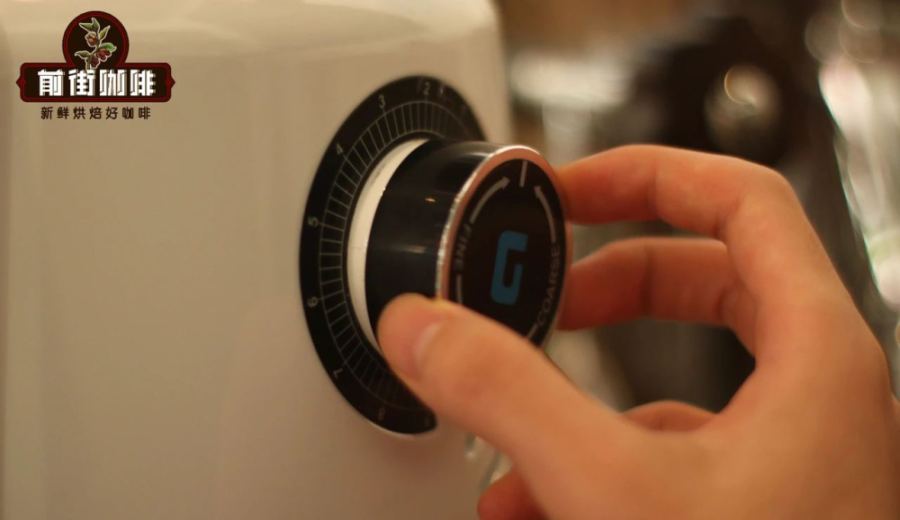
Introduction:To brew a rich and flavorful espresso, adjusting the grind size correctly is key. This article provides an easy-to-understand guide on how to find the optimal grind setting by observing extraction time and taste feedback. It also explains common factors that affect extraction stability—such as bean freshness, humidity changes, and the degassing period—and offers a practical starting formula along with detailed methods for fine-tuning the grind based on flavor performance, helping you consistently achieve the ideal shot.
Many beginners to espresso often face a tricky question: just how fine should the grind be to make a good shot? In reality, it’s not just about turning the dial a few notches—it’s a process of continuous adjustment and observation based on actual extraction results.
First, it’s important to understand that grind size isn’t something you can set once and forget. Coffee beans change over time, ambient humidity affects how coarse or fine the grind actually performs, and even weather changes can cause a previously ideal setting to become inaccurate within a single day. Therefore, regularly checking and fine-tuning the grind is essential for maintaining stable extraction quality.
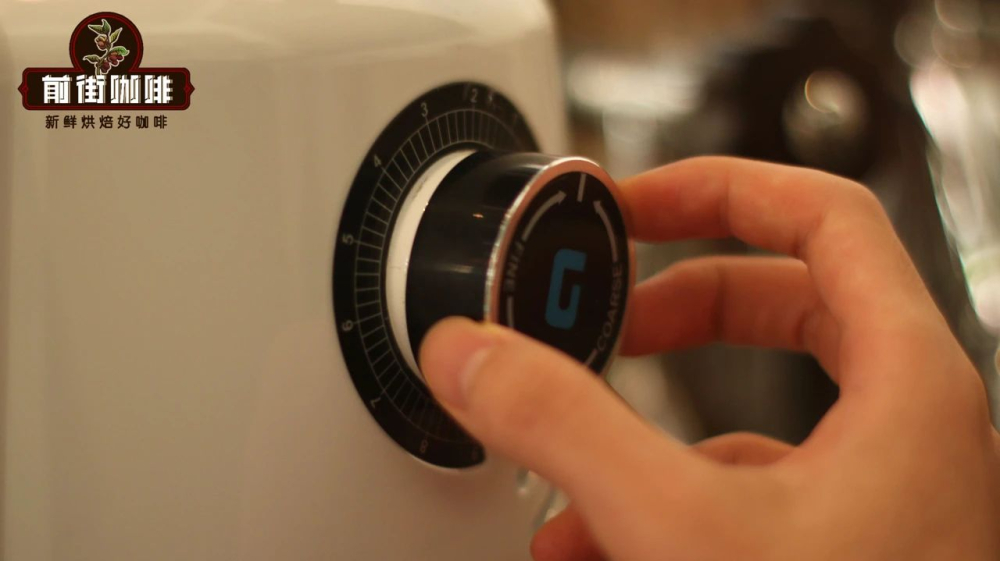
Especially during seasons with fluctuating weather, a grind setting that worked fine in the morning might result in slow water flow by afternoon due to increased humidity, requiring another adjustment. Additionally, the post-roast maturation period of the beans is crucial. Beans that are too fresh contain high levels of CO₂, which can lead to unstable extraction. It’s recommended to let the beans degas for at least two weeks to achieve more stable flavor expression.
Finding the right grind size isn’t about guessing—it’s about making judgments through actual extraction. Before adjusting, it’s advisable to clarify your goal: is it because the extraction time is off? Or is the flavor unbalanced? Also, while adjusting the grind, be sure to keep other variables constant—such as dose, yield, and tamp pressure—otherwise it will be difficult to accurately pinpoint the issue.
A simple and practical method is to start with a grind roughly as fine as flour (depending on your grinder), for example, around setting 2.0 on some machines, then test using the basic parameters of “a 1:2 coffee-to-water ratio, with an extraction time controlled between 20 to 30 seconds.” The dose should follow the recommended capacity of your portafilter basket—for instance, 20 grams of coffee for a 20-gram basket, and so on.
If you find the extraction time exceeds 30 seconds, it means the grind is too fine; try adjusting the setting about 0.5 steps coarser. Conversely, if the time is less than 20 seconds, the grind is too coarse, and you should adjust it about 0.5 steps finer. Repeat this process until the time stabilizes within the 20 to 30-second range.
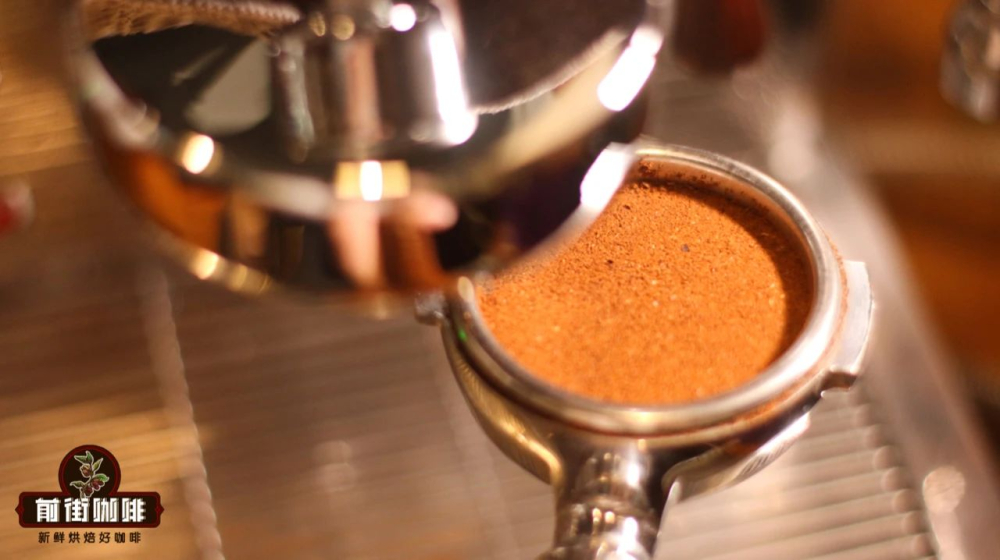
Once the extraction time is stable, the next step is to fine-tune further based on taste. Take a sip of the espresso: if you notice pronounced acidity or a lack of aroma, it usually means the grind is too coarse, leading to under-extraction—slightly adjust finer. On the other hand, if the coffee tastes overly burnt, bitter, or astringent, it indicates the grind is too fine and over-extracted—adjust slightly coarser until the flavor reaches your preferred balance.
It’s important to note that grind adjustment is an ongoing optimization process—it’s unlikely to be perfect on the first try, especially when seasonal or environmental conditions change, so stay flexible with adjustments. Also, besides grind size, selecting the right coffee beans is one of the key factors influencing the final flavor.
If you want to replicate café-quality espresso at home, try a blend made from Brazilian, Indonesian, and Vietnamese beans. This blend combines the caramel sweetness of South American beans with the rich layers of Southeast Asian beans. After dark roasting, it delivers a bold crema and a full-bodied taste, making it suitable for drinking straight or adding milk for lattes or cappuccinos.
The above content is compiled by CoffeeHunters, a coffee news website.


