







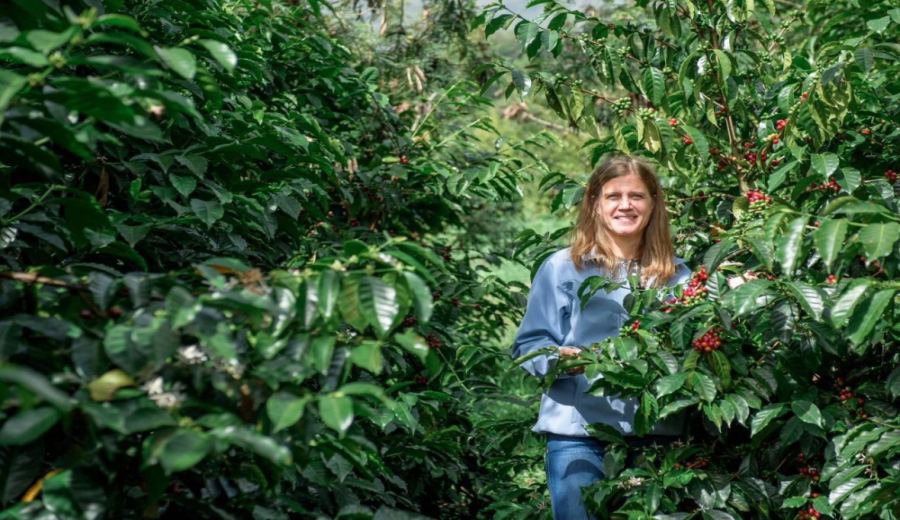
Introduction:Geisha (Geisha) coffee is renowned for its unique floral aroma and complex fruity notes. From its wild Ethiopian origins to the high-altitude legend of Panama, how did this coffee variety take the world by storm? This article delves into the historical roots, varietal characteristics, and flavor differences between the two major representative regions—Panama and Ethiopia. It also provides expert-level pour over recommendations and parameters to help you fully grasp the allure of Geisha, from variety to brewing.
Geisha (Geisha) is arguably the star variety in today’s specialty coffee scene, winning the hearts of countless coffee enthusiasts with its delicate floral aroma, multi-layered fruitiness, and high sweetness. This coffee, originating from the pristine forests of southwestern Ethiopia, was initially named after a hill called Geisha near its growing area. It was later introduced to Costa Rica in the 1950s under the designation T2722. However, due to its high environmental demands and low yield, it remained largely overlooked for a long time. It wasn’t until 2004, when the Peterson family of Panama’s Hacienda Esmeralda won the “Best of Panama” competition with Geisha, that this coffee variety shot to the top tier of the specialty coffee world almost overnight.
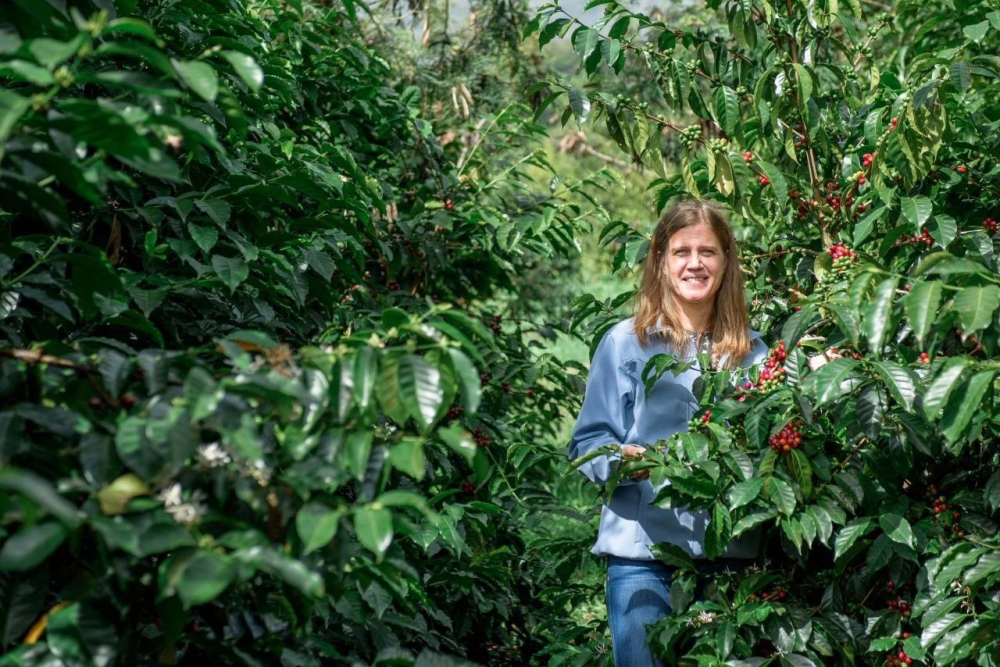
Geisha is extremely particular about its growing environment, requiring high altitudes, fertile soil, and shaded conditions, while being intolerant to intense direct sunlight. The management of Hacienda Esmeralda has stated that a large number of shade trees must be planted within the estate to protect the Geisha plants, and traditional pruning methods must be employed in the early stages of cultivation; otherwise, the plants are prone to withering. Moreover, the higher the altitude, the longer the fruit ripening period, and the more refined and complex the resulting flavors. Compared to other mainstream varieties, Geisha has thinner leaves and weaker root systems, leading to less efficient photosynthesis and slower absorption of nutrients and moisture, with per-plant yield only about half that of the Caturra variety—this is also a major reason for its high price.
As Geisha’s fame has spread, farms around the world have begun to cultivate it. However, due to varying terroirs, Geisha grown in different regions presents distinctly different flavor profiles. When it comes to the two most representative regions, there is no doubt they are Ethiopia, its birthplace, and Panama, where it gained international acclaim.
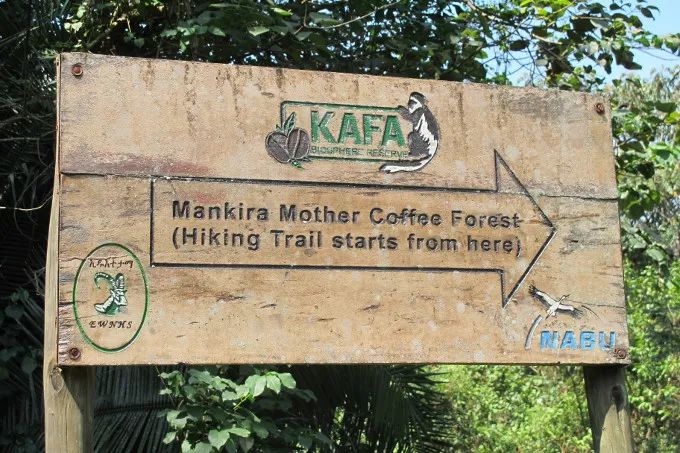
Within Panama, there are only three major producing regions: Boquete, Volcán, and Renacimiento, yet these regions produce some of the world’s top-tier Geisha coffee. Among them, Boquete is the most well-known. This area is located in the Chiriquí Province, adjacent to the eastern side of the Barú Volcano, at an altitude of approximately 1,000 to 2,000 meters. With steep terrain and a cool climate, it is constantly influenced by the warm, humid trade winds of the Caribbean Sea and the cold currents of the Atlantic Ocean. The region is also often shrouded in thin mountain mist year-round with abundant rainfall, creating an ideal environment for coffee cultivation. The famous Emerald and Elida Estate Geishas, commonly featured by a certain well-known coffee brand, come from this uniquely blessed region.
After winning the championship, the Peterson family implemented refined, zoned management for Geisha cultivation. Based on altitude, microclimate, and cupping results, they divided Geisha into three main plots: Cañas Verdes, Jaramillo, and El Velo. Each large plot is further subdivided into multiple smaller blocks, allowing each batch of Geisha to be traced to its specific planting origin. Notably, Geisha was first discovered in the Jaramillo plot, which has an average altitude of over 1,650 meters. The high altitude and cool, humid climate endow Geisha with rich and layered flavors. The Ruby Red Label Geisha sold by a certain well-known coffee brand comes from the Mario sub-plot in Jaramillo, processed using the natural method, often exhibiting prominent rose floral notes, citrus, berries, and honey aromas.
Returning to Geisha’s homeland in Ethiopia, the local cultivation altitude generally ranges between 1,900 and 2,000 meters, with some ultra-high-altitude areas even more conducive to sugar accumulation in the coffee cherries. Compared to the tropical fruits and floral aromas commonly found in Panamanian Geisha, Ethiopian Geisha often displays yellow stone fruit notes such as yellow peach and apricot, with pronounced sweetness. Some premium batches can even deliver a rich, caramel-like lingering finish.
The most representative Geisha-producing region in Ethiopia is undoubtedly the Geisha Village Estate. This estate has three distinct cultivars: Gori Geisha, Geisha 1931, and Iruababora Forest. Although Gori Geisha and Geisha 1931 are genetically related to Panamanian Geisha, they are not the same variety, whereas Iruababora is a disease-resistant strain developed by a local research institute. To ensure consistent output, the estate owner, Adam, has established a rigorous grading system that categorizes Geisha into multiple tiers—including Auction, Gold, Red, Green, and CHAKA—each corresponding to different quality levels and processing methods.
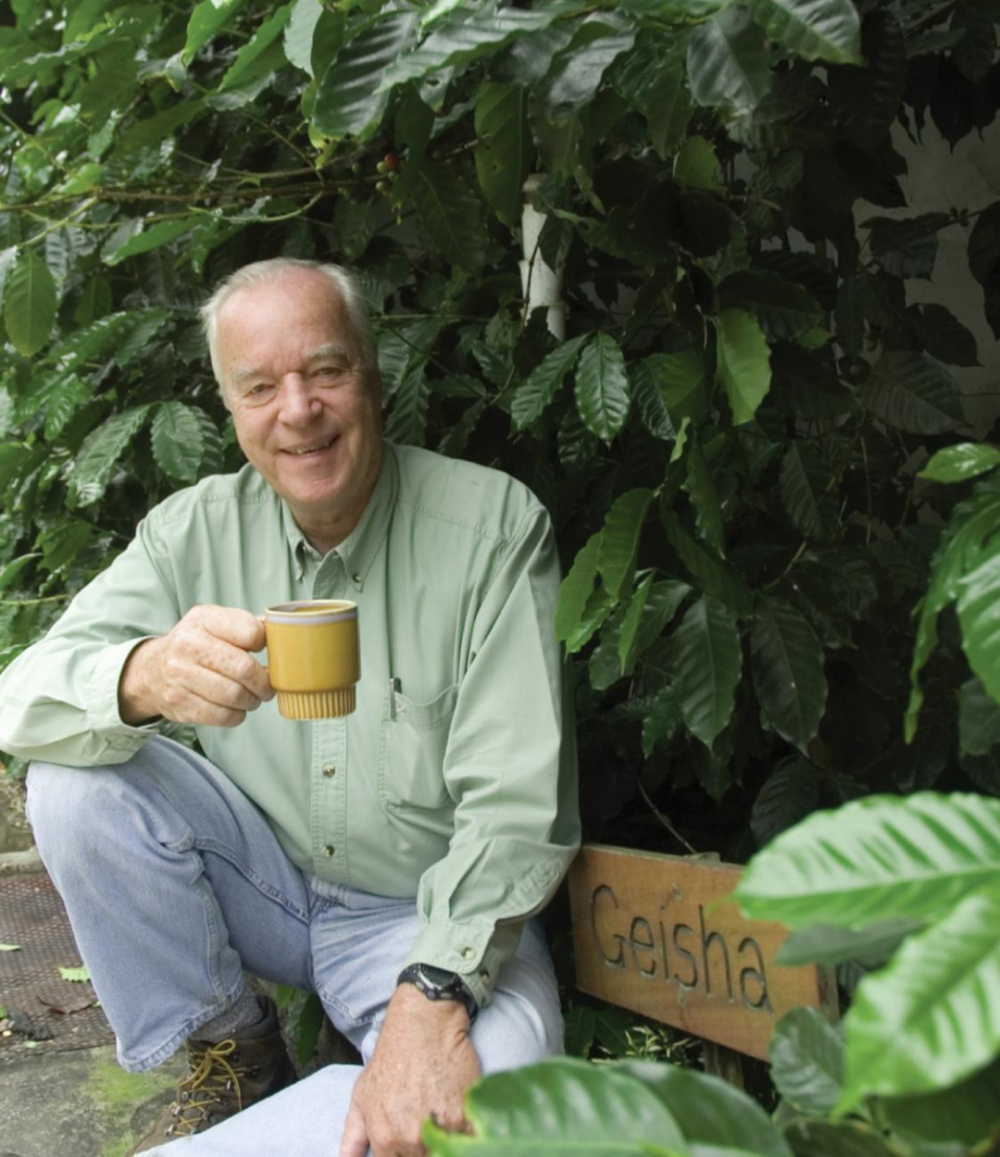
The auction lots from Geisha Village are top-tier and extremely rare, available only through auctions. The Red Label Geisha Village from a certain well-known coffee brand introduced, however, is a high-value choice, accounting for about 15% of annual production, with cupping scores reaching 88 or above on the SCA scale. Processed using the natural method, it exhibits intense fruity aromas, honey, and floral notes, paired with the bright acidity characteristic of African coffees—making it ideal for those who enjoy fruit-forward yet layered profiles. Its natural processing involves removing floaters and impurities, then spreading the coffee cherries in thin layers on elevated raised beds, covered with plastic sheeting. During drying, the cherries are repeatedly sorted to remove defective beans, with the entire drying process lasting 18 to 30 days.
For pour over brewing recommendations for Geisha coffee, a certain well-known coffee brand uses the following parameters: V60 dripper, water temperature controlled at 91°C, coffee-to-water ratio of 1:15, coffee dosage of 15 grams, and grind size recommended as medium-fine (approximately 80% passing through a #20 sieve). The suggested brewing steps are as follows: first, pour 30 grams of water for the bloom phase for about 30 seconds to allow the coffee grounds to fully expand; second, pour up to 125 grams by the 1-minute mark, and continue once the water level drops to two-thirds of the coffee bed; third, pour up to 225 grams by 1 minute and 40 seconds, and wait for the coffee to fully drip through, with total extraction time around 1 minute and 59 seconds, and overall brew time about 2 minutes. After extraction, gently swirl the coffee to evenly release the flavors before tasting.
The brewed Geisha coffee often presents a complex flavor profile including coconut, licorice, cream, chocolate, toffee, citrus, almond, and strawberry, along with captivating fermentation aromas. It has a rich and full-bodied mouthfeel, with balanced nutty and fruity notes, offering an unforgettable premium specialty coffee experience.
The above content is compiled by CoffeeHunters, a coffee news website.


