







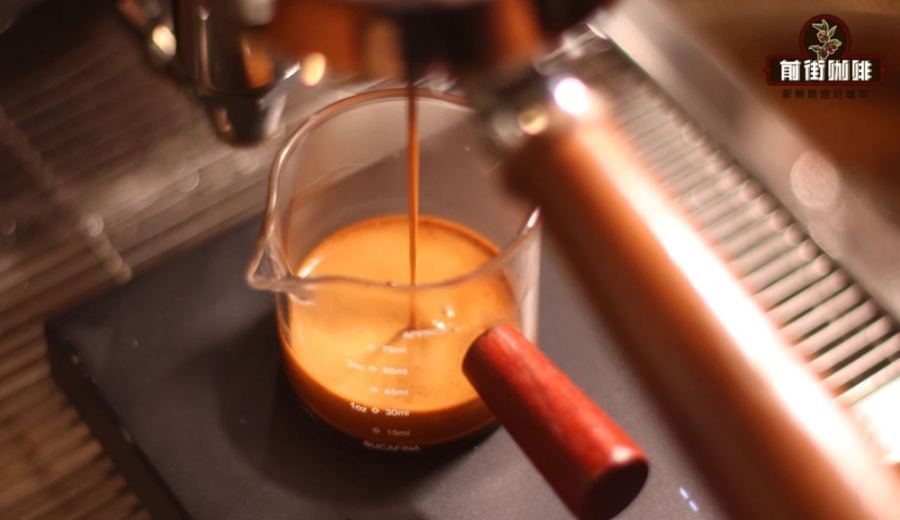
Introduction:To brew a delicious Americano, the key lies in the quality of the espresso. This article delves into the three core parameters that influence espresso flavor—grind size, dose, and yield—and takes you step-by-step through dialing in the ideal extraction. Not only does it offer practical adjustment logic and steps, but it also includes methods for making iced Americanos and health tips, helping you master everything from basics to advanced techniques.
The soul of an Americano depends on the quality of the espresso. Many coffee enthusiasts find adjusting espresso parameters confusing because even slight changes can affect overall flavor. This article will help you understand the main variables influencing espresso and guide you through practical troubleshooting steps so you can quickly find a suitable extraction method, even at home.
In theory, espresso adjustments mainly revolve around grind size, dose, yield, water temperature, and pressure. But in daily practice, if water temperature and pressure are properly set, they usually don’t need frequent tweaking. Therefore, the real focus for adjustments is on grind size, dose, and yield. Among these,grind size is the most critical and sensitive variable.In most cases, simply fine-tuning the grind setting can significantly change the extraction outcome.
The principle behind adjusting grind size is altering flow rate and extraction time. The finer the coffee is ground, the denser the puck becomes, slowing the water flow, extending extraction time, and increasing coffee concentration and extraction yield. Conversely, if the grind is too coarse, the flow becomes too fast, shortening extraction time and often leading to under-extraction. Thus, mastering the fine-tuning of grind size is the first step to optimizing espresso flavor.
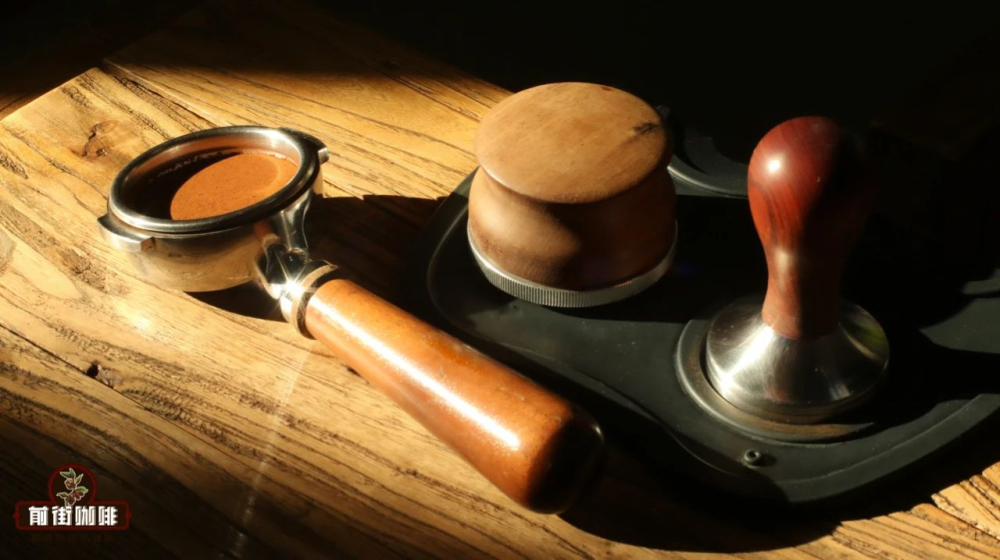
Dose also affects extraction, but its adjustability is limited by basket design. Generally, it’s recommended not to exceed the inner ring line of the basket. Too much coffee can lead to an unfirm tamp, while too little may cause the water to disrupt the coffee bed. Under normal circumstances, it’s suggested to adjust dose only during the fine-tuning stage of flavor rather than as a primary adjustment.
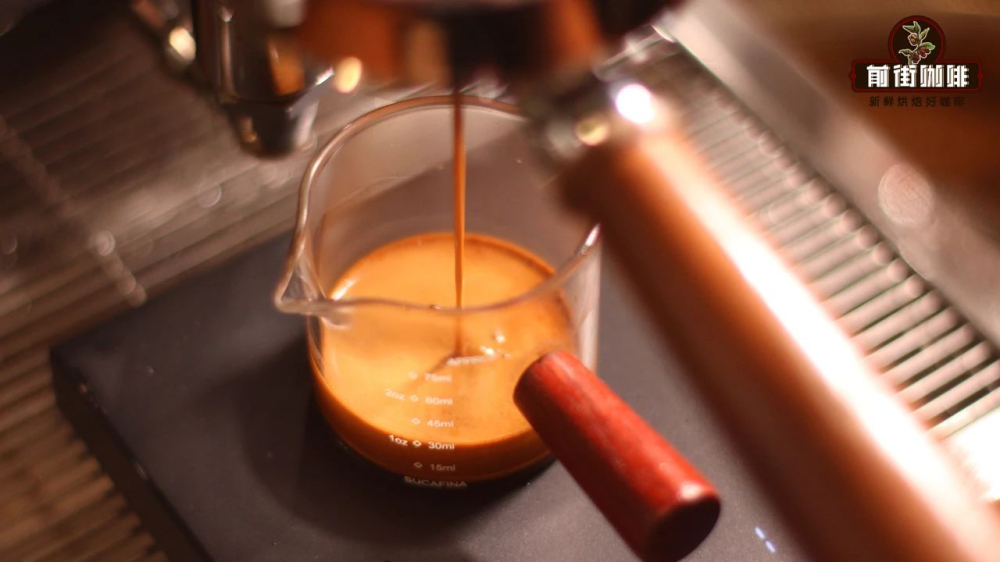
Yield directly influences espresso concentration and extraction yield. By adjusting the volume of extracted liquid, you can change the overall performance of the coffee and further shape its flavor profile. For example, reducing yield increases espresso intensity, while increasing it may bring out more nuances but also risk extracting unwanted off-flavors.
Before starting adjustments, it’s advisable to rule out other interfering factors, such as uneven distribution of coffee grounds, inconsistent tamping pressure, insufficient machine preheating, or unstable grinding due to low bean quantity in the hopper. These details can severely impact extraction consistency, rendering adjustments ineffective.
Practical adjustment can follow these steps: First, select an initial grind setting for fresh beans, using a 1:2 brew ratio (e.g., 20g coffee to 40g liquid), aiming for an extraction time of 25–30 seconds. Observe the flow rate and taste to preliminarily determine the grind direction. Then, gradually fine-tune the grind to bring the time into the ideal range. The adjustment magnitude can be based on the time gap—when the difference is small, adjust 0.2 clicks at a time; when the difference is large, adjust 0.5–1 click at once, until it stabilizes within the target range.
Once the time meets the standard, further adjustments may still be needed based on actual flavor performance. For instance, if you detect burnt or bitter notes but the concentration is normal, the extraction time may be too long, so consider coarsening the grind. If burnt bitterness appears in the tail along with lighter crema, try shortening the yield to ratios like 1:1.5 or 1:1.7. If the flavor is rich but lacks a long aftertaste, slightly increasing the yield to 1:2.5 can help extend the flavor layers. Conversely, if the coffee tastes bland, it might be due to excessive dose impeding flow; try reducing the dose by 0.3–0.5g and test again.
It’s important to note that the 1:2 brew ratio and 25–30 second extraction time are only references, not absolute standards. Some coffee beans perform better at 1:1.7 or 1:2.5, and the optimal extraction time may even fall at 24 or 36 seconds. It’s recommended to be guided by actual flavor outcomes and adjust flexibly, rather than sticking rigidly to fixed formulas.
Once you’ve successfully dialed in a well-balanced espresso, you can move on to experimenting with various coffee drinks, such as the popular iced Americano. The method is simple: prepare a cup larger than 300ml, add about 100g of ice, pour in 180ml of water, and then add your freshly brewed espresso directly. Your refreshing iced Americano is ready.
Drinking Americano not only boosts alertness but also offers several health benefits. Coffee contains niacin (a type of vitamin B), free fatty acids, caffeine, and tannic acid, which can help enhance metabolism, promote digestion, and aid in relieving constipation. Additionally, caffeine helps improve concentration and reduce fatigue, while magnesium and potassium in coffee help regulate blood sugar, reduce cravings for sweets, and support weight management. However, be mindful of moderate consumption to avoid sleep disturbances or heart palpitations.
The above content is compiled by CoffeeHunters, a coffee news website.


