







Introduction:Grind size is a core variable that influences coffee flavor. Whether you’re brewing espresso or using a pour over method, even slight differences in grind coarseness can dramatically alter the taste. This article provides an in-depth analysis of the grind settings suitable for various coffee brewing methods, offers parameter recommendations for espresso that align with the standards of the Italian Espresso National Institute, and shares practical adjustment logic to help you accurately determine the optimal grind size for every device—from French press to moka pot.
In the world of coffee extraction, grind coarseness often determines the success or failure of the final flavor. Different brewing methods call for vastly different coffee particle sizes—for example, a French press requires a coarse grind, similar to granulated sugar, to avoid over-extraction and bitterness, while espresso demands an extremely fine grind, between flour and table salt, to release rich crema and layered flavors under high pressure. This article will guide you through understanding the ideal grind sizes for various brewing devices and analyze, from a professional perspective, how adjusting grind can optimize extraction time and flavor expression.
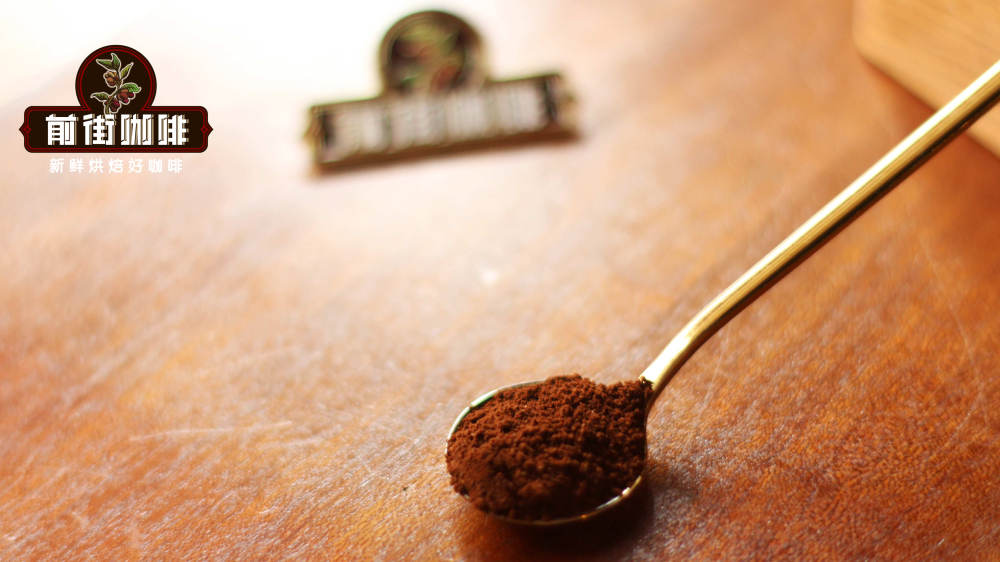
Observing the various brewing devices used in coffee shops, they can generally be divided into two main grind categories: one consists of coarser grinds, close to the texture of sugar, suitable for slow extraction methods such as pour over, French press, siphon, and cold brew; the other consists of extremely fine powders, between flour and wet sand, specifically designed for espresso to complement high-pressure extraction and bring out intense flavors.
How can you accurately determine the appropriate grind size for espresso? According to the standard definitions of espresso by the Italian Espresso National Institute and the World Barista Championship (WBC), a qualified shot of espresso must be extracted at 9 atmospheres of pressure and a water temperature of 90.5 to 96°C, using about 20 grams of coffee grounds to produce approximately 30 to 40 grams of coffee liquid within 20 to 30 seconds, with a golden layer of crema (coffee oils) forming on the surface. While this description doesn’t directly specify grind coarseness, by controlling time and extraction parameters, we can deduce the most suitable grind setting.
The basic principle is simple: assuming even distribution and proper tamping, the finer the coffee grind, the slower water flows through, extending the extraction time. If it exceeds the ideal range, it can easily result in burnt, bitter flavors—over-extraction. Conversely, if the grind is too coarse, water flows too quickly, extraction time is too short, and the coffee will taste overly acidic and thin—under-extraction.
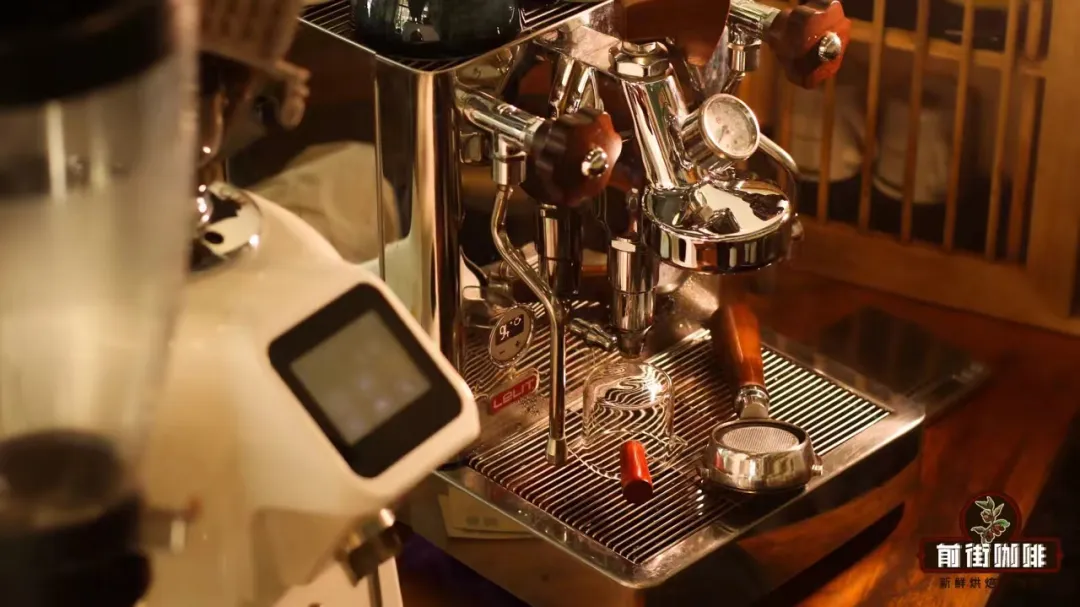
In practice, many baristas follow a systematic adjustment process when dealing with new coffee beans or changing grinders. Taking a common preset scenario as an example: using 20 grams of coffee grounds (adjust according to portafilter basket capacity), a 1:2 coffee-to-water ratio, aiming to extract 40 grams of coffee liquid. This ratio fully showcases the flavor characteristics of the coffee beans, especially suitable for lighter-roasted blends. Pressure and water temperature are fixed at 9 bar and 93°C, so you only need to focus on adjusting the grind size until you reach an extraction time between 20 to 30 seconds.
It’s worth noting that after each grind adjustment, you must thoroughly clean any residual coffee grounds in the grinder’s hopper; otherwise, leftover grounds will severely interfere with test accuracy. When you find the extraction time falls within the ideal range, don’t rush to conclude—next, you need to actually taste the coffee, checking for any abnormal flavors such as bitterness, excessive acidity, or wateriness, and confirm whether the unique characteristics of the bean variety are fully expressed. If the flavors are not ideal, further fine-tuning is needed. At this point, it’s not just about adjusting the grind size—you may also need to re-evaluate factors like coffee dose, water temperature, or pressure settings.
For example, when testing a Colombian Geisha single-origin coffee (SOE), if the grind size and flow rate are just right—extracting 40 grams of liquid from 20 grams of grounds in 30 seconds—it should theoretically showcase rich notes of grape, passion fruit, and citrus. But if you taste noticeable burnt bitterness, you can try reducing the coffee dose by 0.2 to 0.5 grams to speed up the water flow, allowing the desirable flavors to stand out more. This also reminds us that preset extraction parameters must be flexibly adjusted based on the actual characteristics of the coffee beans, rather than blindly following a fixed formula.
In summary, determining whether the grind size is appropriate first involves confirming that the extraction time and parameters fall within a reasonable range, then further verifying flavor performance through tasting. Only through such systematic adjustments can you accurately master the optimal grind setting for each coffee bean. Whether you’re a beginner or a seasoned barista, this approach will help improve the quality and consistency of every brew.
The above content is compiled by CoffeeHunters, a coffee news website.


