







Introduction:Yirgacheffe is often the first stop for many coffee newcomers stepping into the world of specialty coffee, renowned for its distinctive citrus acidity and refreshing floral notes. This article delves into the grade differences between Yirgacheffe G1 and G2, exploring the regional background and unique processing methods, while recommending four representative Yirgacheffe coffee beans—from washed to natural, from G2 entry-level to G1 advanced, even including SOE-specific espresso extraction parameters and brewing suggestions—to help you find your own favorite Yirgacheffe flavor profile.
Yirgacheffe is not only one of Ethiopia’s most iconic coffee-growing regions but also a global classic that introduces coffee lovers to the world of specialty coffee. Nestled in a highland wetland, this land produces beans with bright citrus acidity and delicate white floral aromas, widely loved by pour-over, drip bag, and SOE enthusiasts. This article begins with the region’s characteristics, explains the distinctions between G1 and G2 grades, introduces the flavor profiles of various processing methods, and recommends several common and representative Yirgacheffe beans on the market—including washed G2, natural Red Cherry G1, washed Guji Dingding G1, and natural Red Cherry SOE suitable for espresso—along with practical extraction and brewing parameters to help you make more precise purchasing and tasting choices.
For many coffee drinkers, Yirgacheffe is often their first bean when trying pour-over or specialty coffee. Whether it’s the fresh memory of your first pour-over or your initial encounter with an SOE Americano, Yirgacheffe always leaves a deep impression with its light and bright flavors. If you’re looking for a coffee bean that combines distinctive flavor with great value, Yirgacheffe is definitely worth exploring in depth.
The reasons to choose Yirgacheffe can be summarized in three points: First, it is one of the core regions in Ethiopia, the birthplace of coffee, with a long planting history and rich coffee genetics; second, Yirgacheffe beans mostly use ancient native varieties, and to preserve their bright acidity and fruity-floral aromas, they are typically medium to light roasted, avoiding the dull bitterness brought by dark roasting; third, compared to the expensive Panamanian Geisha, Yirgacheffe not only has vivid flavors but also offers higher cost-performance, making it ideal for daily drinking or as an introductory try.
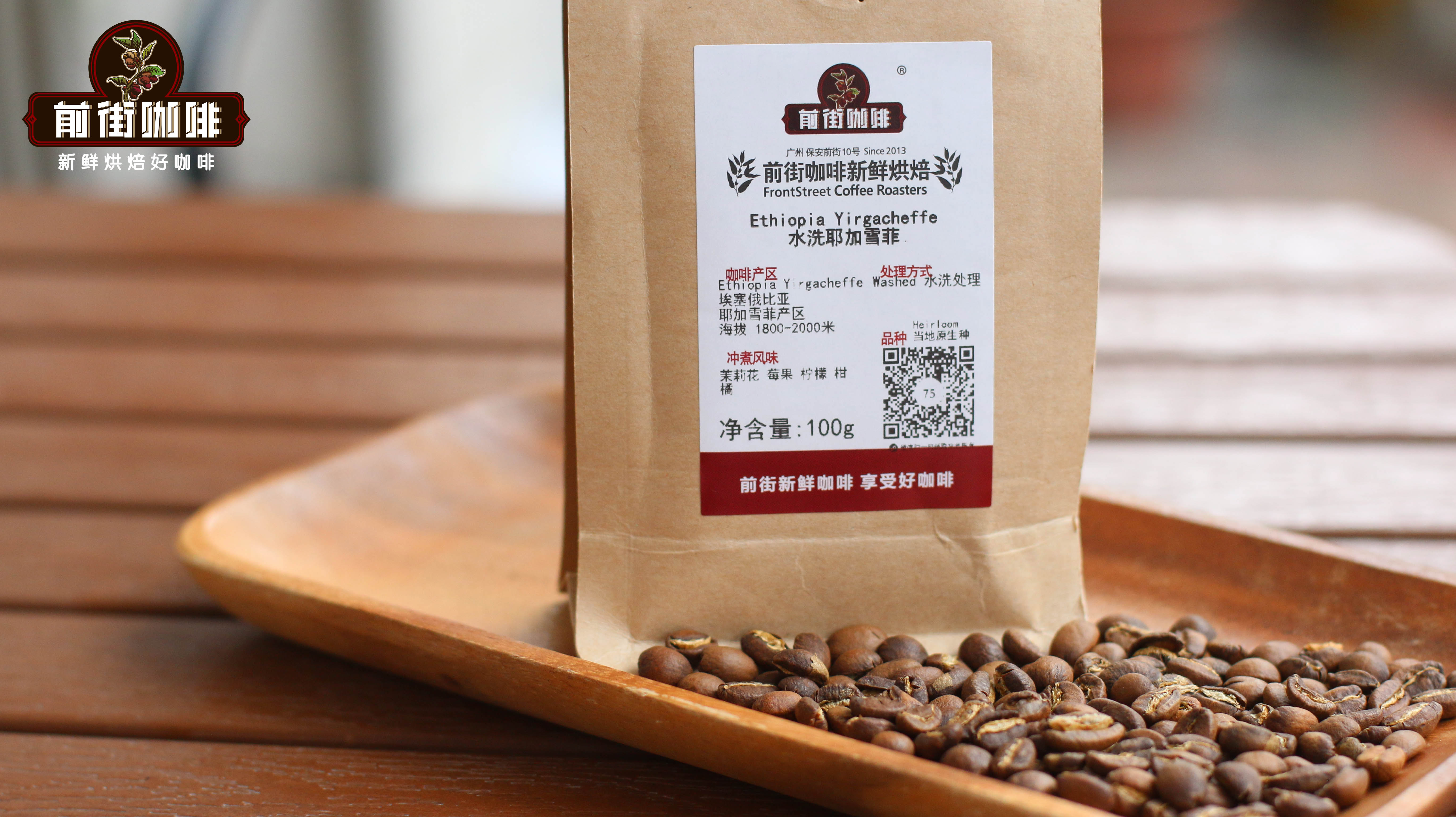
Among the many Yirgacheffe beans, the following four are highly recommended. For beginners, it’s advisable to start with washed Yirgacheffe G2, which showcases classic citrus, floral, and light tea-like notes, is perfect for practicing pour-over techniques, and is relatively affordable, making it the ideal entry choice.
Advanced enthusiasts can challenge the following two G1-grade Yirgacheffe beans: First is the natural Red Cherry G1, processed using the traditional natural method where the beans are fully sun-dried on raised beds, allowing sugars to fully ferment and transform, resulting in rich berry, citrus, apricot aromas and subtle fermentation layers, with a thick and sweet mouthfeel—ideal for those who enjoy mature fruit flavors.Processing tip: The natural process requires strict control of turning and weather conditions to avoid off-flavors.
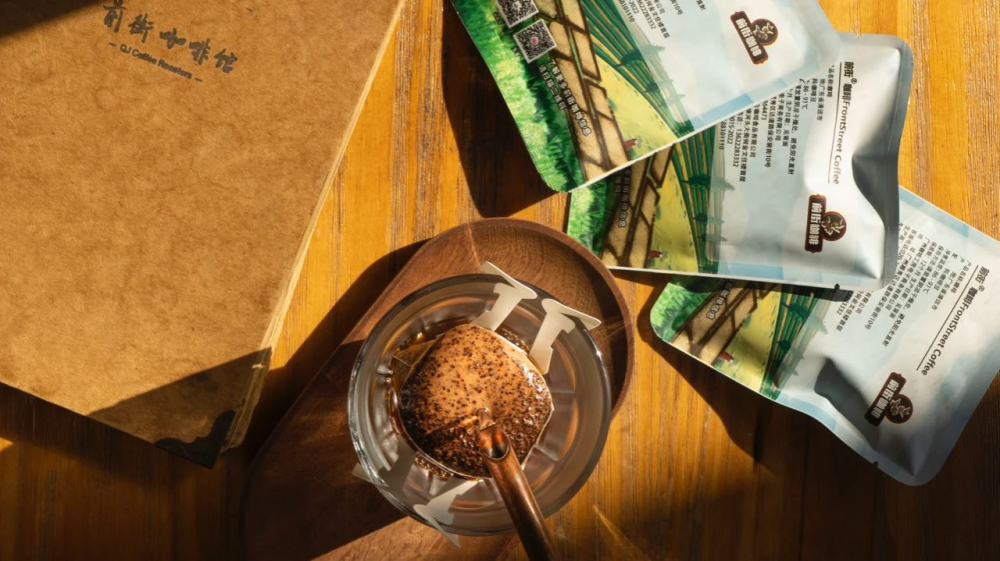
Another advanced recommendation is the washed Guji Dingding G1, which uses water-processing technology introduced to Ethiopia. Through refined fermentation and washing steps, the mucilage is removed before drying, yielding clear white floral, yellow lemon, and oolong tea-like aftertastes. The flavor is clean and bright, representing the refinement of washed Yirgacheffe.
For those wanting to explore espresso, the natural Red Cherry SOE is a must-try. This bean is designed specifically for espresso extraction, using fully red fruit natural processing with extremely high ripeness. After extraction, it delivers refreshing lemon, citrus, and black tea aromas, suitable for making Americanos or flat whites.Espresso extraction parameter suggestion: 20g coffee grounds, medium-fine grind, extraction time 25–30 seconds, yielding 40g of espresso. Hot Americano ratio: 40g espresso + 160g hot water; hot latte: 40g espresso + 200g hot milk.
Speaking of Yirgacheffe, one must mention the origin of its growing region. This land, hailed as "let us settle in this wetland," was originally a natural wetland in Ethiopia and the namesake of Yirgacheffe. Although it was initially part of the Sidamo region, due to its unique citrus and floral characteristics, it was later designated as the separate Yirgacheffe region. Notably, the region’s English name "Yirgacheffe" is a transliteration from the local Amharic language, hence it is also translated as Yirgacheff. On the map, all areas except Shakiso (also called Shaki Shuo) are collectively referred to as the Yirgacheffe region, while Sidamo is separately marked in the red area.
In summary, the charm of Yirgacheffe lies in its consistently high quality and diverse flavor expressions. Whether you’re a beginner or an experienced coffee enthusiast, you can find your preferred flavor here. It’s recommended to understand the grade differences between G1 and G2, as well as how different processing methods affect flavor, to help you more accurately choose Yirgacheffe beans that suit your taste.
The above content is compiled by CoffeeHunters, a coffee news website.


