







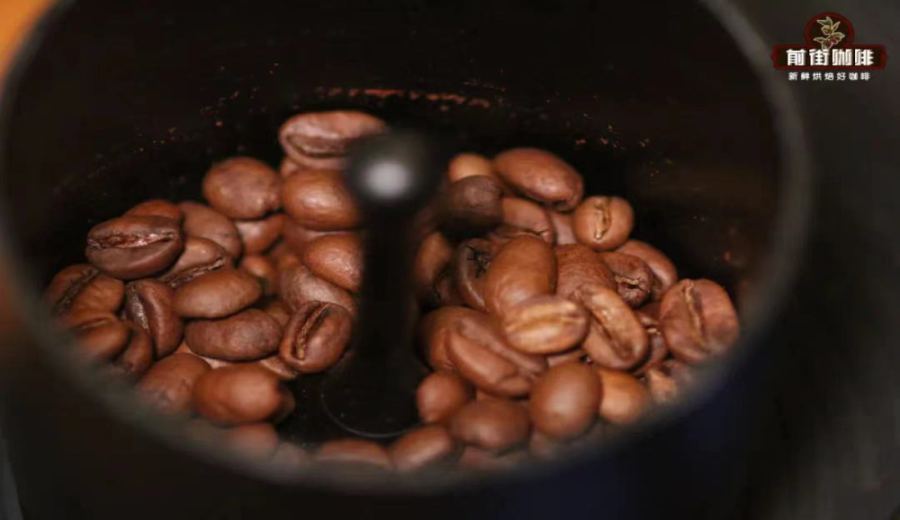
Introduction:Gain an in-depth understanding of the flavor origins of Espresso. Explore how regional characteristics, processing method differences, and blend design logic influence the stability and complexity of a cup of Espresso. This article focuses on the practical application of medium-dark roasted blends, examining how Brazilian Cerrado Red Bourbon coffee beans become an ideal base for espresso, while also addressing common misconceptions and practical advice regarding blending.
Brewing a satisfying cup of Espresso involves multiple stages—from cultivation and roasting to extraction—where even subtle adjustments can directly affect flavor expression. To understand the flavor composition of Espresso, one must start with the difference between single-origin beans and blends: the former highlights the unique flavors of a specific region but can be harder to control in terms of consistency; the latter achieves balance through scientific ratios, harmonizing beans from different regions to ensure uniform taste in every cup.
As agricultural products, the flavor of coffee beans is significantly influenced by terroir and climate. Even within the same region, harvests from different years may yield varying flavor profiles. This is precisely why professional roasters and baristas dedicate themselves to blend design: by combining beans of different varieties and origins in specific proportions, and controlling the degree of roasting, they create espresso that is both layered and consistent.
A common misconception about blends is that they are “cheap beans mixed with dark roasts to mask flaws.” In reality, many blends that meet SCA specialty coffee standards—provided the raw materials are of high quality and the roasting and extraction are properly executed—can still be classified as specialty coffee. The key lies in the purpose of the blend: balancing acidity, sweetness, and bitterness, enhancing body, and maintaining long-term flavor consistency.
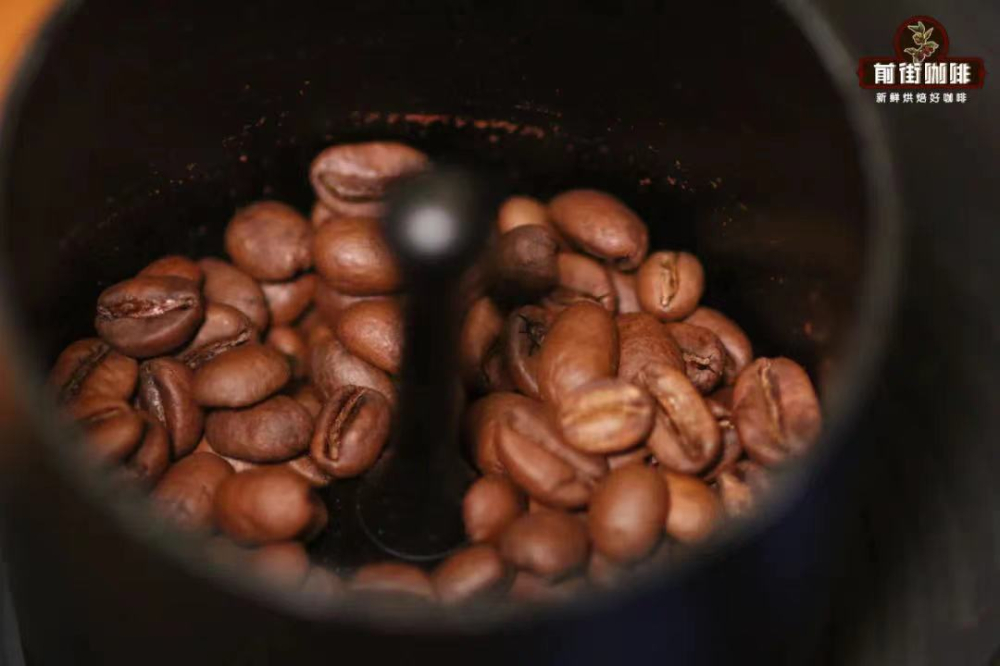
Take medium-dark roasted espresso blends as an example: their design typically revolves around a “flavor foundation.” For instance, Brazilian Cerrado Red Bourbon coffee beans, known for their nutty profile, balanced and full-bodied taste, and prominent sweetness, are often used as the core base of a blend. This bean is a mutation of Typica, with bright red fruit when ripe, wider and denser leaves. Although it has a two-year harvest cycle (resulting in lower yields), cupping reveals wine-like acidity and a sweet aftertaste.
The Cerrado region is located in the central-western part of Minas Gerais state in inland Brazil, within the prime highland area at elevations above 1000 meters. This region boasts fertile soil and a climate conducive to producing specialty coffee beans with high sweetness, rich body, and excellent cleanliness. One coffee brand (note: original brand information has been removed) roasts Brazilian Red Bourbon to just before the second crack (medium-dark roast level), blending it with other medium-dark roasted beans from different regions—such as washed Yunnan small beans (adding gentle fruity acidity), washed Colombian beans (contributing caramel sweetness), or a small amount of Robusta (enhancing body)—to form a three-dimensional flavor structure.
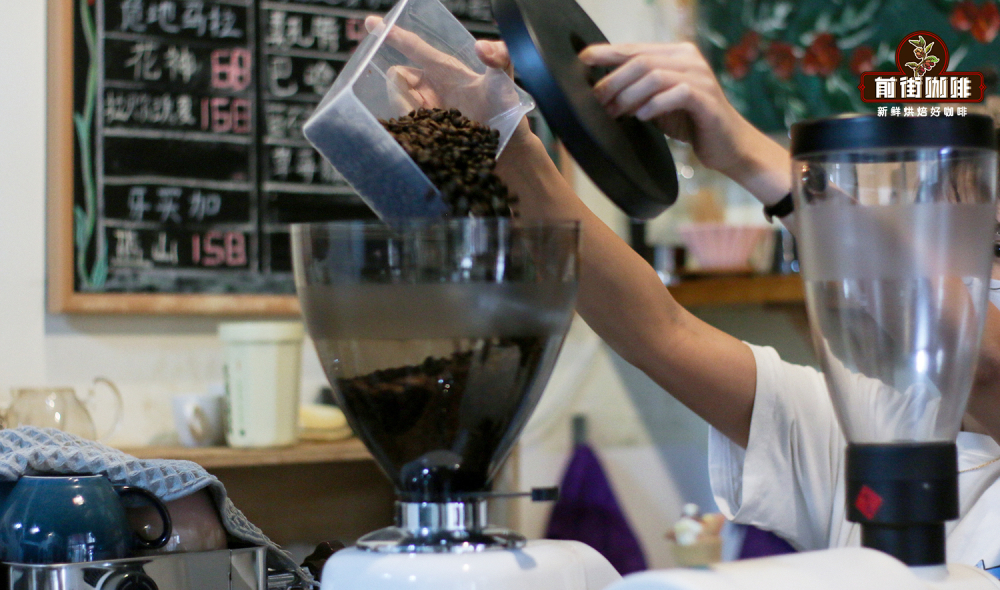
In practical application, designing a medium-dark roasted blend requires attention to parameter coordination: roast level affects the balance of acidity and sweetness, while extraction time (typically 25–30 seconds) and pressure (9 Bar) determine the efficiency of flavor release. Common issues include over-roasting leading to burnt bitterness, or under-roasting resulting in sharp acidity. Professional roasters fine-tune roast curves based on the beans’ characteristics to ensure optimal flavor performance.
Blend formulations are flexible, but the core logic remains unchanged: achieving a stable espresso flavor profile through regional complementarity (e.g., pairing high acidity with high body), processing method harmony (e.g., combining washed and honey-processed beans), and unified roast levels. For coffee enthusiasts, understanding these principles helps deepen appreciation for the complex layers in a cup of Espresso.
The above content is compiled by CoffeeHunters, a coffee news website.


