







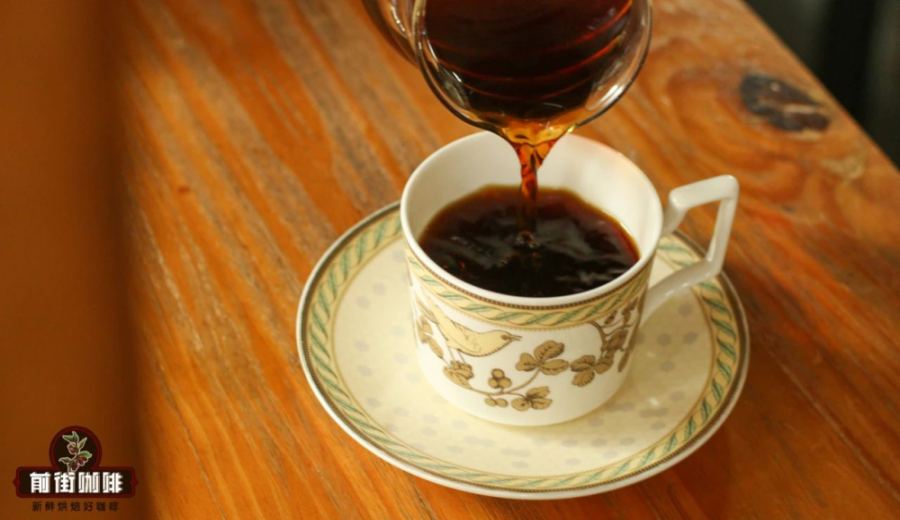
Introduction:Want to brew professional-level coffee at home but unsure whether to choose a semi-automatic or fully automatic machine? This article explains the operation process, extraction principles, and practical differences between the two types of coffee machines. From dose control and milk frothing techniques to cleaning and maintenance, it covers the key distinctions. It also analyzes the excellent pairing of medium-to-dark roasted beans with semi-automatic machines to help you make the most suitable choice based on your needs.
As specialty coffee culture becomes more popular, an increasing number of coffee enthusiasts are creating their own coffee corners at home. In addition to saving on takeout expenses, the ability to enjoy freshly ground beans and experiment with classic drinks like Americano, latte, cappuccino, and flat white is a major draw. However, when faced with a wide variety of coffee machines, many beginners often get stuck on the dilemma of “which to choose—fully automatic or semi-automatic?”
In reality, the difference between fully automatic and semi-automatic coffee machines lies not only in ease of use but also directly affects the presentation of coffee flavor and the flexibility of control. This article will use illustrations to take you in-depth into the basic definition and practical steps of using a semi-automatic coffee machine, while comparing the automated advantages and limitations of fully automatic machines. Finally, we’ll provide practical purchasing advice to help you make the most suitable decision based on your needs.
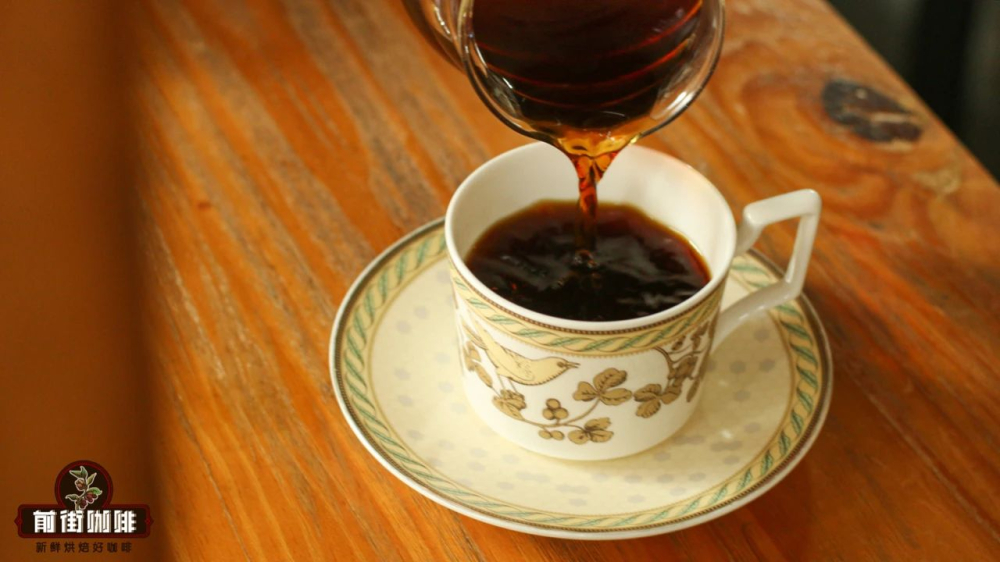
In modern life, many people have come to view drinking coffee as a daily ritual. To enjoy a fresh cup of ground coffee anytime, many households opt to purchase a coffee machine. This not only saves on takeout costs but also allows for a richer coffee flavor experience, as well as the ability to handcraft classic coffee drinks such as Americano, latte, cappuccino, and flat white.
However, when actually starting to search for a suitable machine, many people face a key question: should they choose a fully automatic or semi-automatic coffee machine? Since most consumers have never operated a coffee machine, they often only have a basic understanding that it’s a tool for “extracting espresso,” and are unfamiliar with the specific differences between the two types. Next, we will analyze the essential distinctions between semi-automatic and fully automatic coffee machines and provide practical guidance for choosing the right one.
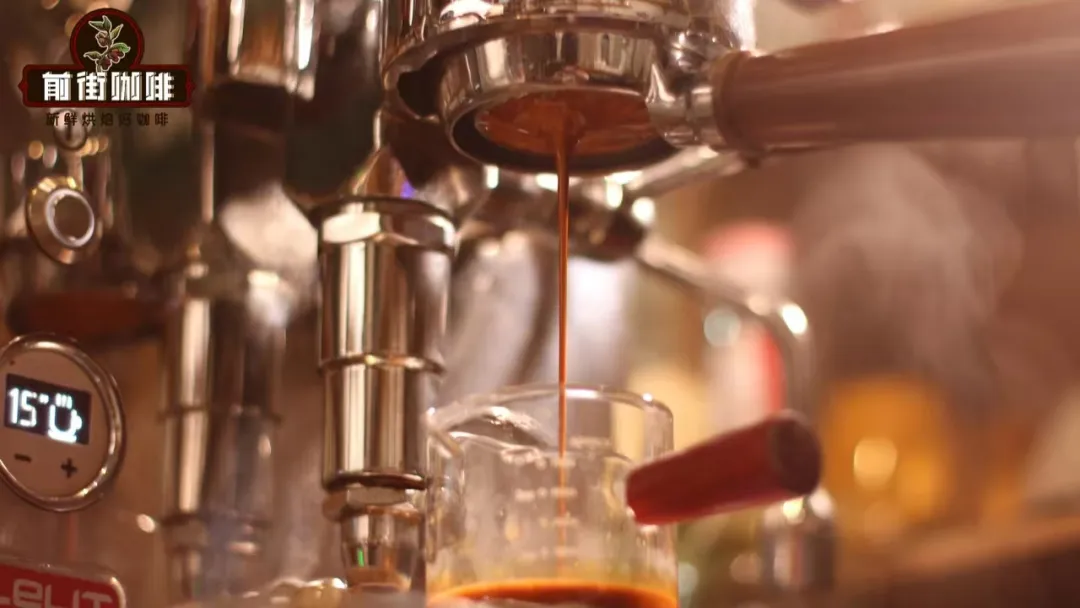
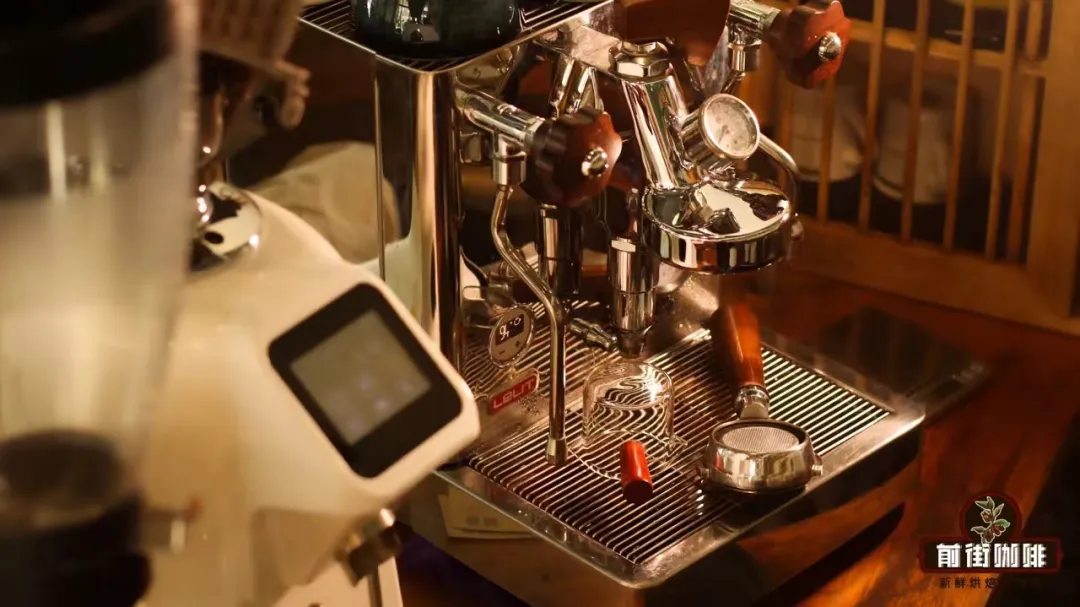
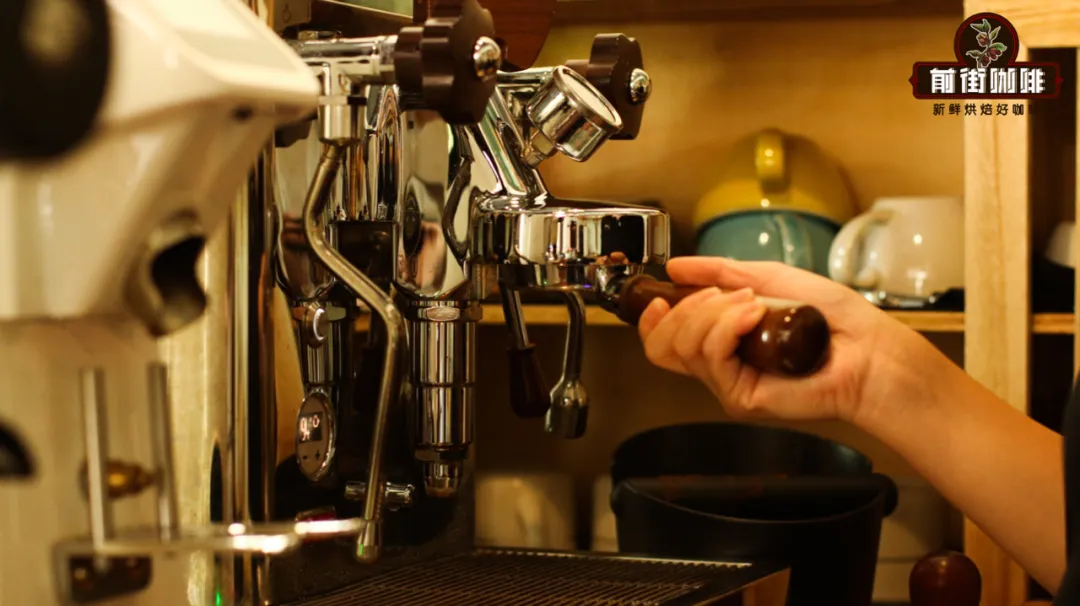
A semi-automatic coffee machine refers to one where the coffee extraction process cannot be fully automated, requiring the user to operate it manually throughout. From accurately weighing and grinding the coffee beans, evenly tamping them into the portafilter, to correctly attaching the portafilter to the machine and starting the extraction, every step must be done by hand. The machine only provides stable hot water pressure and heating functions—the actual extraction technique remains in the hands of the user.
If you want to go further and prepare milk-based coffee drinks like lattes or cappuccinos, you’ll also need to froth the milk yourself and control the fineness and temperature of the milk foam. These details directly affect the taste and texture of the final drink. Therefore, using a semi-automatic coffee machine not only requires familiarity with the basic operation process but also regular cleaning of the extraction area to prevent residual coffee grounds from affecting the purity and flavor of subsequent extractions.
Additionally, if you want to brew delicious coffee with a semi-automatic machine, besides mastering the operational techniques, selecting the right coffee beans is crucial. Generally speaking, medium-to-dark roasted beans, such as specialty blends or espresso beans with strawberry sugar flavors, are better suited due to their higher body and moderate acidity, which can better showcase the potential of a semi-automatic machine. On the other hand, lightly roasted beans, with their denser internal structure, may result in a sour or astringent taste if the hot water fails to effectively penetrate and extract within a short time—making them less beginner-friendly.
The concept of a fully automatic coffee machine is relatively more straightforward. When you press the corresponding function button, the machine automatically performs a series of actions—including grinding beans, dosing, and extracting—based on preset parameters, and the user just needs to wait for the coffee to be ready. Even for milk-based drinks, fully automatic models can complete milk heating and frothing with one touch, without any manual operation.
This highly automated design significantly lowers the operation threshold, making it especially suitable for users who do not pursue ultimate flavor but simply want a quick cup of coffee, or for use in shared environments like offices. Users only need to regularly clean the coffee puck container and extraction system, without having to perform detailed cleaning after each extraction like with a semi-automatic machine.
However, the flexibility of fully automatic coffee machines is relatively limited. Under budget constraints, many functions—such as grind size, extraction time, and pressure—may not be adjustable. This means the final coffee flavor largely depends on how well the beans match the machine. Due to the lack of real-time fine-tuning capabilities, even changes in the roast level or freshness of the beans can be difficult to adjust on the fly, thus affecting overall extraction performance.
So, how should you choose the right coffee machine? In fact, there is no absolute good or bad between fully automatic and semi-automatic—it all depends on your usage needs and pursuit of coffee flavor. If you value convenience and don’t want to spend too much time learning extraction techniques, a fully automatic coffee machine is a convenient choice. It is suitable for daily quick coffee preparation, especially in shared environments, where it can effectively save time and effort.
But if you’re eager to delve into the art of coffee extraction, pursuing more flexible parameter adjustments and flavor expression, a semi-automatic coffee machine undoubtedly offers greater potential. Although the initial learning curve is steeper—requiring mastery of key elements like dose, tamp, water temperature, and extraction time—once you’re familiar with the process, you can adjust to the most suitable extraction setup for different beans and roast levels, fully bringing out the potential of the coffee.
Especially for those who prefer medium-to-dark roasted beans, a semi-automatic coffee machine can more precisely control extraction pressure and time, highlighting the rich and full-bodied characteristics of the coffee, while avoiding the bitterness caused by over-extraction. Therefore, if you have certain quality expectations for your coffee and are willing to invest time in learning and experimenting, a semi-automatic coffee machine is an ideal choice you shouldn’t miss.
The above content is compiled by CoffeeHunters, a coffee news website.


