







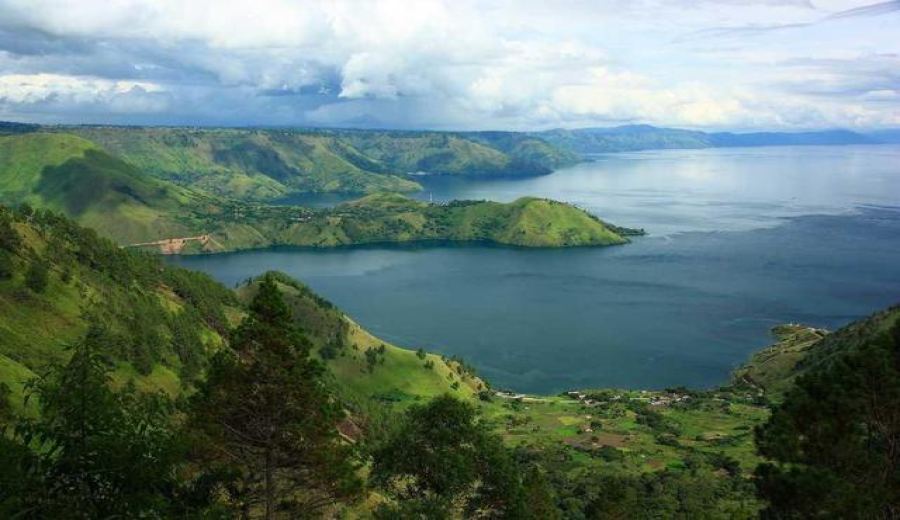
Introduction:An in-depth exploration of the variety origins and wet-hulled processing characteristics of Mandheling coffee from Sumatra, Indonesia, analyzing the sources of its herbal, spicy, nutty, and chocolatey flavors. From variety evolution, grading standards to practical pour over parameters, this guide helps readers grasp the unique charm and brewing tips of this classic Southeast Asian coffee.
Mandheling coffee is one of Indonesia’s most representative offerings, yet many still wonder about its variety classification: is it Arabica or Robusta? In fact, as Asia’s largest coffee-producing country, Indonesia is dominated by commercial-grade Robusta, while truly high-quality Arabica Mandheling comes from northern Sumatra, with an annual output of less than one-tenth of the country’s total coffee production. Since the late 17th century, when Dutch colonists introduced coffee trees, through the trials of leaf rust and the evolution of disease-resistant varieties, Sumatra has gradually developed a distinctive herbal and spicy profile. Coupled with wet-hulled processing adapted to its humid climate, it has created its bold, full-bodied flavor with a robust interplay of dark chocolate and nuts. This article will detail Mandheling’s variety background, wet-hulling process, grading standards, and provide practical cupping observations and pour over recommendations.
Indonesia is the highest-producing coffee country in Asia, with its market dominated by commercial-grade Robusta. If focusing on Arabica varieties, then Mandheling from northern Sumatra stands out as the finest, though its annual output is extremely low, accounting for less than one-tenth of Indonesia’s total coffee production.
The history of Indonesian coffee dates back to the late 17th century. At that time, Dutch colonists first introduced Arabica seedlings to Java Island, which were later expanded to other islands such as Sumatra, leading to the gradual scaling up of coffee cultivation.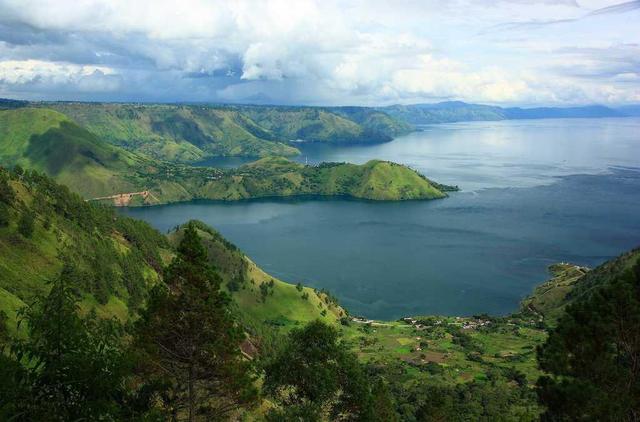
However, by the 19th century, leaf rust disease broke out on a large scale in Indonesian coffee plantations, causing the withering of many weaker Typica and Bourbon varieties and a sharp decline in production. To restore output, local governments began introducing more disease-resistant varieties, including Robusta, Timor (Tim), and Catimor (Cat), gradually replacing the original traditional varieties.
Among them, the Tim variety is actually a natural hybrid of Typica and Robusta from the island of Timor, possessing Robusta’s high yield and strong disease resistance, and is commonly known in Indonesia as Tim Tim. Another mainstream variety, Catimor, locally called Ateng (named after the pronunciation of Aceh Tengah in central Aceh), is a hybrid of the Bourbon variant Caturra and Tim from East Timor, also boasting excellent disease resistance and stable yield. Today, Tim and Catimor, which carry Robusta lineage, have become the main planted varieties in Indonesia. After years of interaction with Sumatra’s unique terrain and climate, they have developed distinctive herbal and spicy notes, beloved by local growers.
Among the commonly seen Golden Mandheling coffee beans, the variety is Ateng. Processed through Indonesia’s unique wet-hulled method, it emits rich herbal, spicy, dark chocolate, and nutty aromas after roasting. Another popular Lin Dong Mandheling everyday bean is often a blend of Tim Tim and Ateng, offering a diverse flavor profile.
Sumatra is geographically close to the equator, characterized by a typical island-type tropical rainforest climate, with annual air humidity consistently maintained between 70–90%. Such a humid environment makes coffee beans highly prone to mold during fermentation or drying. Therefore, local farmers adapted by developing a semi-washed processing method—widely known aswet-hulling. This method first involves depulping the coffee fruit and a short fermentation period (usually a few hours), followed by washing off the mucilage layer. The beans, still covered with mucilage, are then sun-dried for 2 to 3 days until their moisture content drops to 30–50%—a semi-dry state—after which the outer parchment layer is removed. Finally, the hulled green beans continue to dry until the moisture level stabilizes at 12%, ready for packaging. This process not only significantly shortens the overall drying time but also imparts Mandheling green beans with a unique woody, herbal, and spicy depth of aroma.
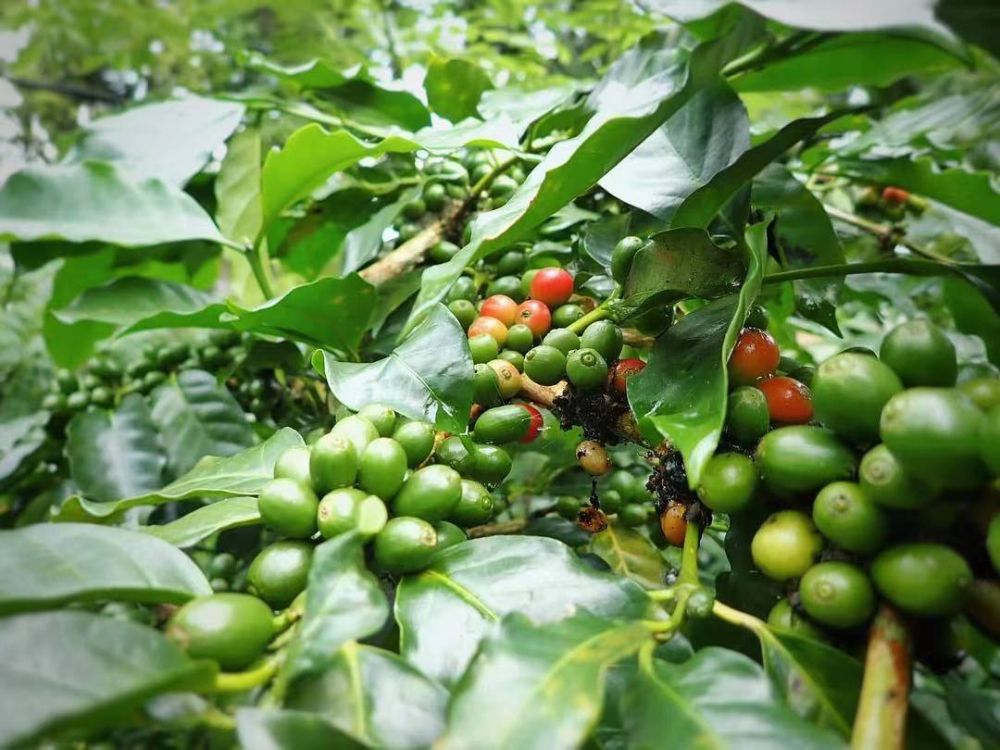
Although wet-hulling effectively reduces processing costs and labor requirements, its faster drying pace also leads to a relatively higher defect rate. To ensure quality, strict manual sorting is crucial, especially to remove subtle defects that machines cannot detect. For example, renowned supplier PWN, when producing Golden Mandheling, performs one machine sort plus three rounds of hand sorting to ensure each green bean is intact, uniformly plump, and meets the 18+ mesh specification, aligning with Indonesia’s highest G1 grade standard.
To objectively evaluate the quality and flavor characteristics of coffee beans, the team conducts standardized cupping procedures before launching each new bean. Cupping not only helps uncover the beans’ strengths and potential issues but also unifies evaluation benchmarks. Through cupping observations, Lin Dong Mandheling everyday beans exhibit a strong nutty profile, with a hint of melon aroma in the aftertaste. As the temperature drops, herbal notes gradually emerge, delivering a full-bodied, aromatic cup. As for PWN Golden Mandheling, it boasts captivating aromas of dark chocolate, nuts, and caramel, blended with herbal spices and pine notes. The dark chocolate finish is pronounced and clean, and as the temperature lowers, delicate layers of fruity acidity can still be perceived.
Practical Pour Over Recommendations:
The most distinctive features of Mandheling coffee are its high body and unique herbal, spicy notes. Therefore, a medium to dark roast is recommended to avoid over-caramelizing the aromas. Additionally, freshness is crucial for flavor expression. It is advised to choose beans roasted within 5 days and allow 7–10 days of proper degassing before brewing to fully showcase the complete flavor spectrum.
It is recommended to use a KONO filter cone, with water temperature controlled at87°C,the coffee dose set to15 grams1:15, and the brew ratio suggested at70%. The grind size is best at a Chinese standard 20-mesh sieve passing rate of. The specific operation can follow this three-stage pouring process: first pour30 gramsof hot water fora 30-second bloom; then slowly circle the water from the center with a thin stream until the total water volume reaches125 grams; when the water level in the filter cone is about to expose the coffee bed, continue circling to reach225 grams, with the total extraction time controlled at around2 minutes
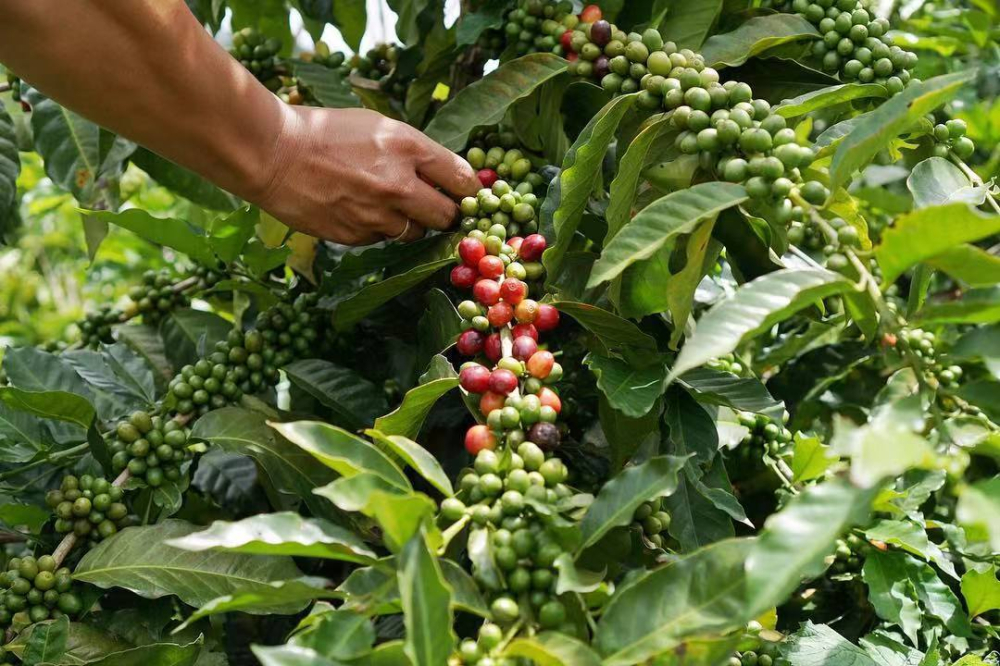
The above content is compiled by CoffeeHunters, a coffee news website.


