








Introduction:Yunnan coffee has gradually gained attention in recent years, but most people’s understanding of its dominant variety, Catimor, remains superficial. This article delves into the variety’s origins, the advantages of high-altitude cultivation, the impact of washed processing on flavor, as well as the challenges and possibilities in the journey toward specialty-grade production. From farming practices to competition scores, it provides a comprehensive analysis of the true nature of this homegrown Chinese coffee.
Yunnan coffee is gaining increasing recognition domestically, yet many coffee enthusiasts still lack a deep understanding of its main varieties and the current state of its specialty development. The most commonly available Yunnan coffee beans on the market are of the Catimor variety—a hybrid with Robusta heritage, widely planted for its high yield and strong disease resistance. In contrast, the traditional Typica variety, though considered specialty-grade, has gradually been marginalized due to its low yield and limited planting area.
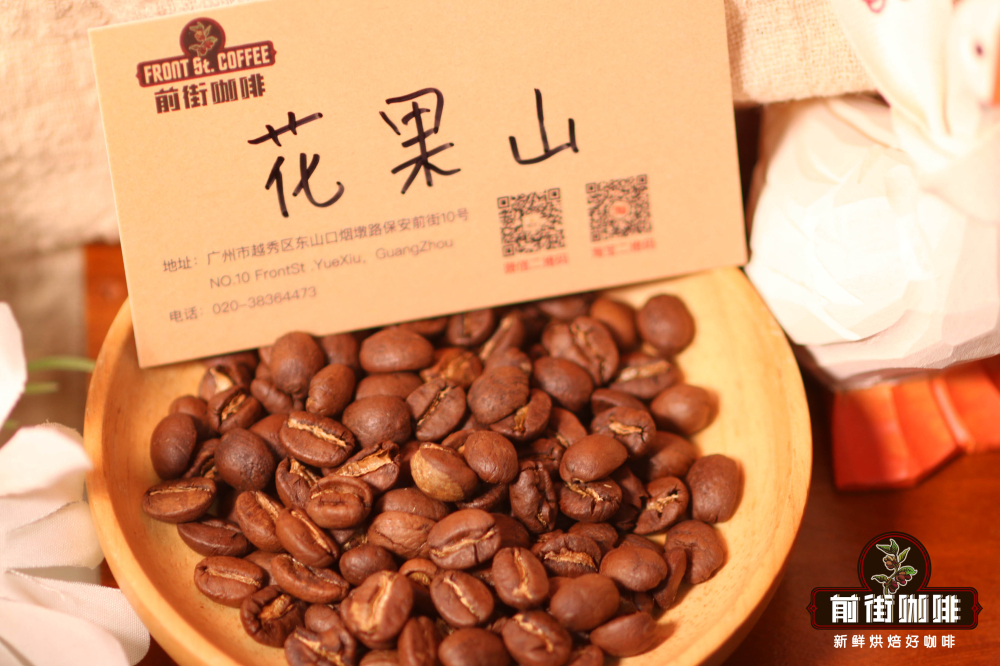
At one coffee brand, you can find two types of coffee beans from Yunnan: one is of the Typica variety, categorized under the specialty coffee series; the other is Catimor, commonly referred to as “Yunnan small-grain coffee” in the market. Both beans are medium roasted to highlight a flavor base of nuts and brown sugar, while also showcasing gentle fruity acidity. The medium roast approach balances the characteristic weakness of Yunnan-grown beans in expressing acidity, resulting in a rounder overall flavor.

When it comes to the flavor of Yunnan Catimor coffee, many people often give only a simple verdict of “not bad,” rarely delving into its varietal background or growing environment. In truth, Catimor has become mainstream not because of outstanding flavor performance, but due to its advantages in high yield and disease resistance. In comparison, the Typica variety may have a purer flavor, but it has been phased out by the market due to its low planting density and yield.
The name “Yunnan small-grain coffee” originally referred to Typica, as it is an Arabica small-bean variety. However, as Typica declined in both quality and yield, Catimor gradually took its place as the new representative of “small-grain coffee.” Despite carrying Robusta genes, Catimor grown at high altitudes (above 1500 meters) with proper post-harvest processing can still deliver respectable flavor profiles.
According to Ted Lingle, a senior consultant at the CQI in the United States, high-altitude-grown Catimor can enhance aroma and body, and with appropriate post-processing, its flavor complexity can rival that of traditional older varieties. However, this view has also sparked some debate. Some argue that over-reliance on post-processing to elevate flavor, while neglecting the inherent differences of variety and altitude, may lead Yunnan coffee down the wrong path in its pursuit of specialty status.
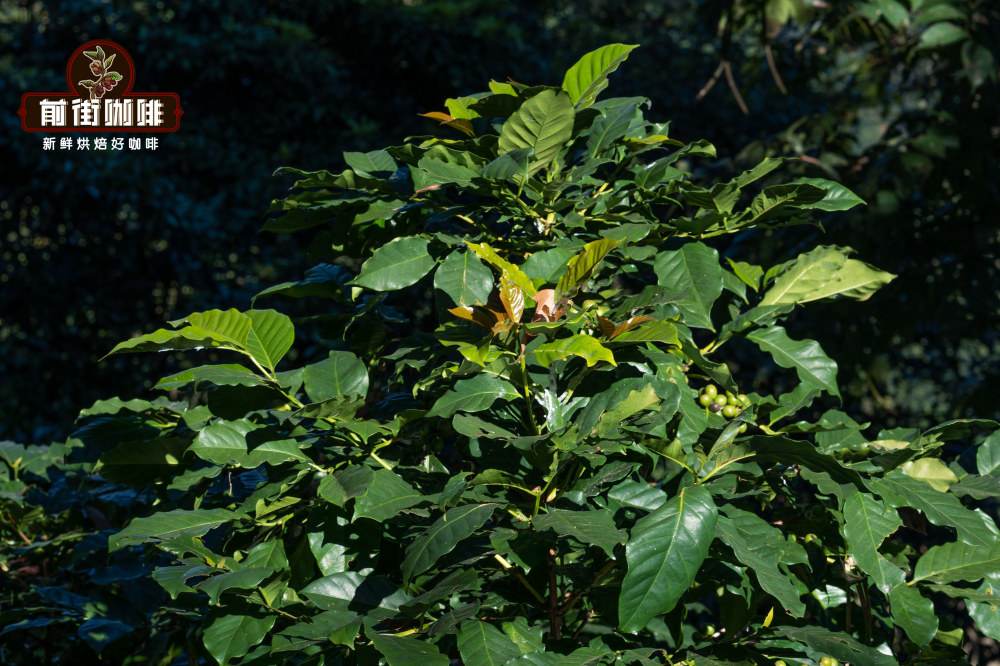
One coffee brand’s farming practice in Yunnan demonstrates the complete journey from seed to cupping. Over the past five years, the brand has planted Typica and a small amount of Bourbon varieties in regions with suitable altitudes, carefully managing the growing environment. These plots were divided into five distinct planting zones based on altitude and microclimate to ensure the coffee trees could grow under optimal conditions. After years of patient waiting, these coffee trees finally flowered and bore fruit, winning the championship at the 2019 Yunnan Green Bean Competition.
However, the reality of the Yunnan coffee-growing region is that Catimor accounts for the vast majority of plantings, reaching as high as 99.9%. This poses a significant challenge to the promotion of specialty coffee. Although some coffee beans have scored highly in domestic competitions, such high scores are often difficult to verify in international scoring systems like the CQI official website. For example, the system only records two green bean samples from 2016, scoring 61 and 81.5 respectively, submitted by YCE.
Washed processing is a fundamental flavor characteristic of Yunnan coffee and a key step in improving coffee quality. The process of refining washed processing techniques took one coffee brand five years, from seed to bean. Meanwhile, finding suitable planting environments and altitudes also took two years. These efforts highlight the complexity and time investment involved in specialty coffee production.
The characteristics of the Catimor variety make it an ideal raw material for instant coffee and commercial blends. The plants are of medium-short stature, vigorous in growth, highly adaptable, and strong in drought and cold resistance. Under moderate management, planting 330 trees per mu can yield 200–300 kilograms, three times that of Typica. However, this high-yield trait also makes many farmers reluctant to switch to other varieties, further limiting the development space for specialty coffee.
In summary, the journey toward specialty coffee for Yunnan is still ongoing. Although the Catimor variety, bolstered by high-altitude cultivation and washed processing, can demonstrate certain flavor potential, truly joining the ranks of specialty coffee requires fundamental improvements in variety selection, altitude management, and farming techniques. Only then can Yunnan coffee secure a place in the global specialty coffee market.
The above content is compiled by CoffeeHunters, a coffee news website.


