







Introduction:Many people believe that espresso can only be made with dark roasted beans, but in fact, light roasted single-origin beans can also rise to the challenge. This article puts three Ethiopian light roasted beans to the test, detailing how to adjust grind size, pre-infusion time, pressure, and brew ratio to extract bright acidity and berry aromas. It also analyzes the flavor differences when making hot americano and latte, providing a practical beginner’s guide.
When it comes to espresso, most people imagine the intense bitterness and rich body brought by dark roasted beans. However, in recent years, more and more coffee enthusiasts have begun experimenting with light roasted single-origin beans to make espresso, challenging traditional norms. Are light roasted beans really suitable for espresso extraction? And how should parameters be adjusted to showcase their unique flavors?
Generally speaking, espresso is commonly made with medium-dark to dark roasted beans, such as the common "Italian Roast," which has an Agtron color value of about 25—the darkest level of roasting—often covered with a glossy layer of oil on the bean surface. However, modern espresso beans are gradually shifting toward lighter "City Roast" levels, with Agtron values around 55, as seen in certain series launched by well-known cafes.
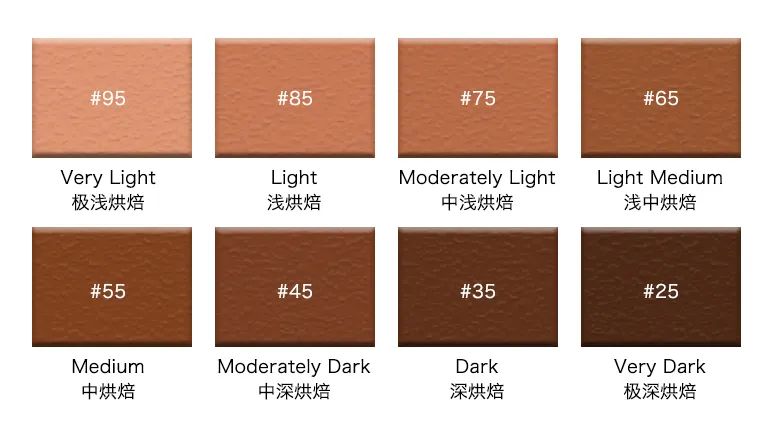
This experiment focuses on even lighter roast levels—"Light Roast" and "Cinnamon Roast"—with Agtron color values ranging between 85 and 95. In the past, due to equipment limitations, extracting espresso from light roasted beans often resulted in overly fast flow rates and insufficient flavor extraction. Now, with newer coffee machines offering greater operational flexibility, variables can be controlled more precisely, making this experiment more meaningful.
The experiment selected three Ethiopian light roasted beans: Huakui (natural), Guodingding (washed), and Dorothy (enzymatic washed). These beans all exhibit bright acidity and fruity notes when brewed via pour over, and switching to espresso extraction further highlights their differences and potential.
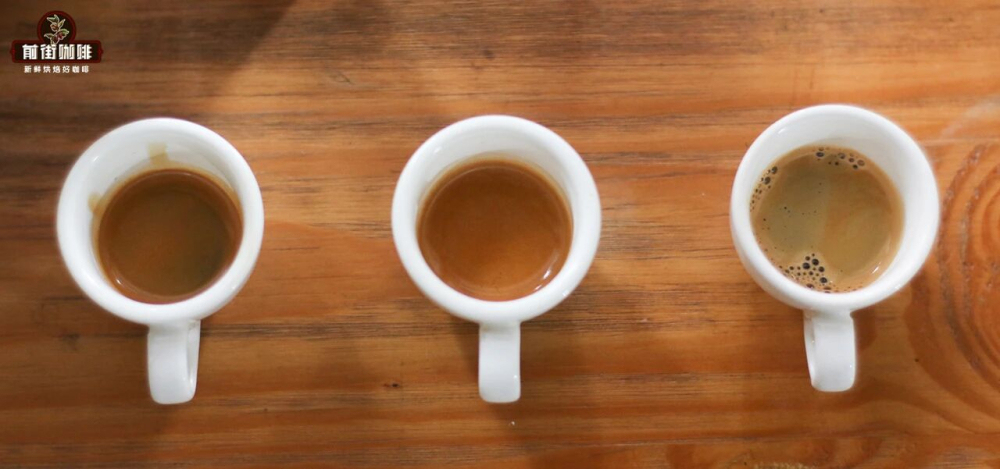
The first one tested was Huakui. When using light roasted beans,it is recommended to start by adjusting the grind size finer,otherwise you may encounter uncontrolled flow rates. After three adjustments, the final parameters were: 20g dose, 8-second pre-infusion, 35g yield under constant 6-bar pressure over 30 seconds total. The result featured sweet berry aromas, with a concentrated juice-like body, a jammy texture, and a pleasant level of intensity.
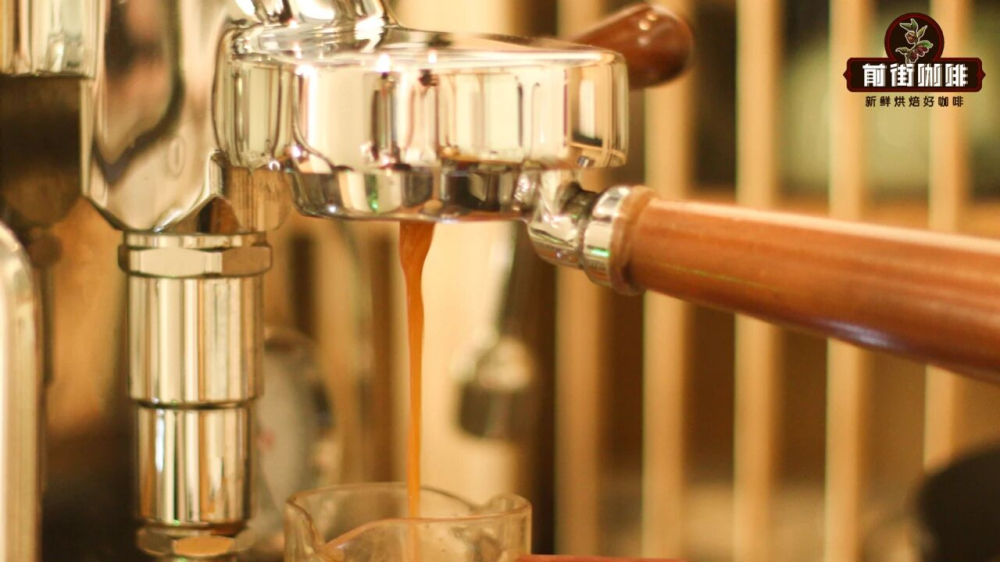
When made into a hot americano, the berry aroma became even more pronounced, with flavors resembling raspberry juice—completely free of bitterness—and a lingering finish of passionfruit honey sweetness. However, when switched to a latte, the coffee flavors were easily overshadowed by the milk, resulting in a rather mediocre cup with a baby formula-like sweetness.
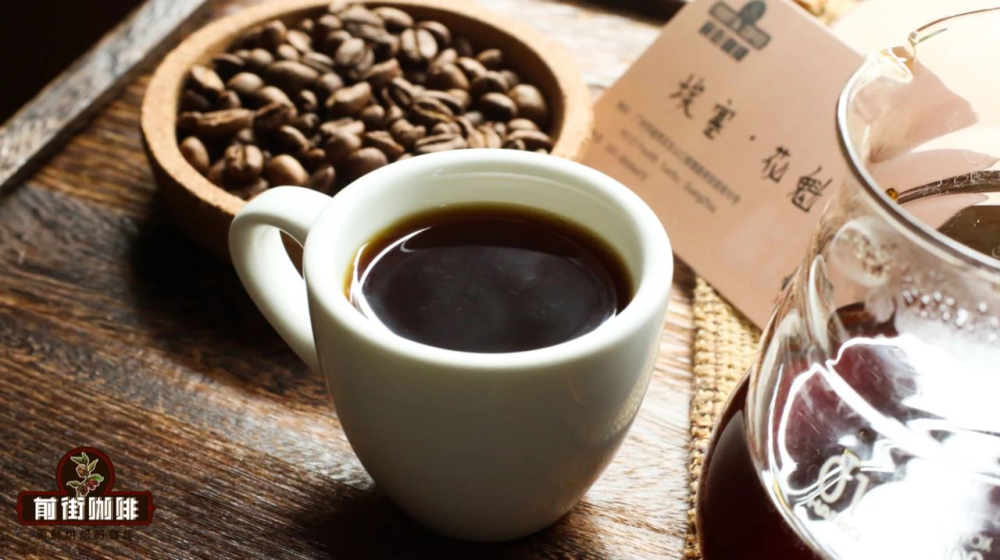
The second bean tested was Guodingding, processed via washed method. Based on the experience with Huakui, the parameters were adjusted to: 20g dose, 6-second pre-infusion, 32g yield at 5-bar pressure over 26 seconds total. The crema of this espresso dissipated quickly, leaving only a thin layer before hot water was added.
The hot americano performed decently, with a distinct citrus character, rounded and full body, and a white floral aftertaste, though the latter was somewhat short-lived. When made into a latte, the integration between coffee and milk was poor, resulting in a flat overall profile, as if the two components repelled each other.
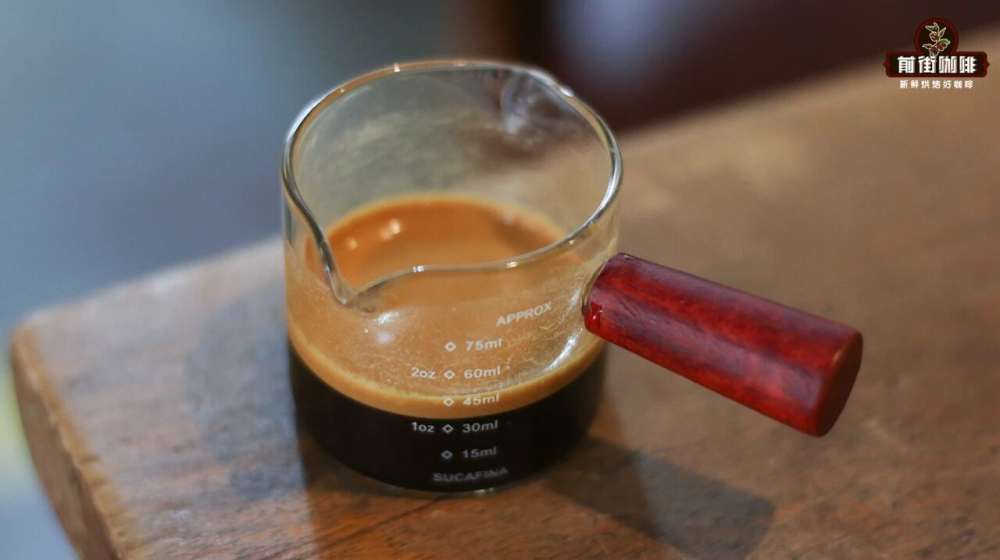
The final bean was Dorothy, whose pour over flavors were described as "white peach oolong," hence it was nicknamed as such for this experiment. The parameters were adjusted to: 20g dose, 10-second pre-infusion, 35g yield at 6-bar pressure over 29–30 seconds. The resulting espresso was rich with peach aroma.
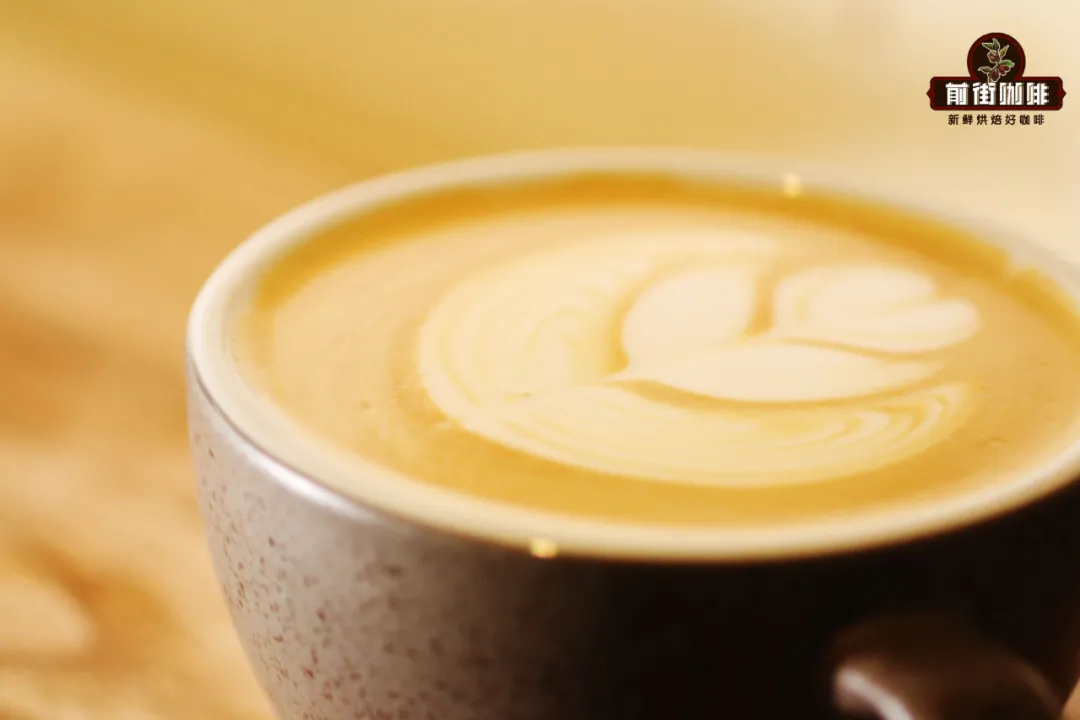
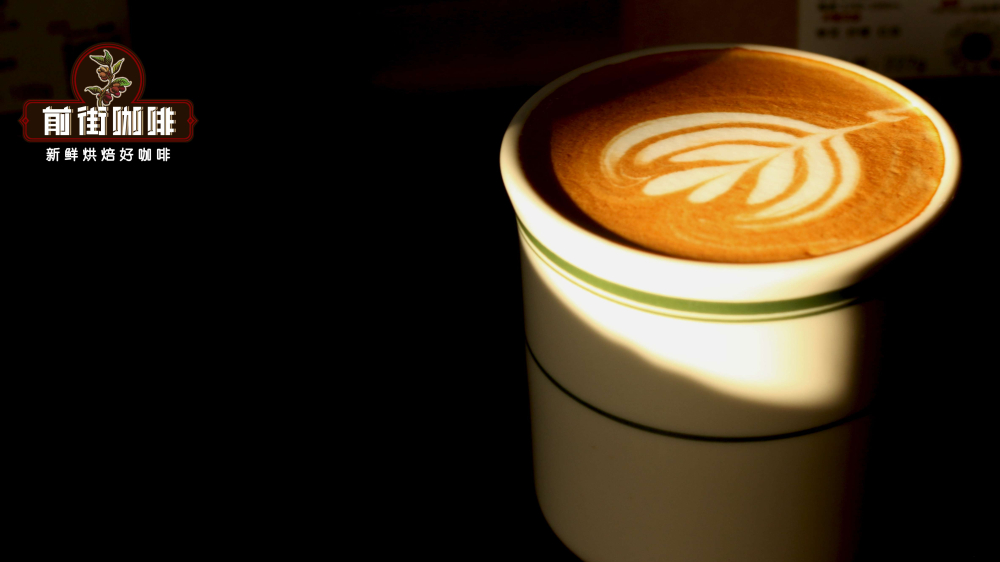
The hot americano version was rated the best of the experiment, with intense peach notes, paired with a creamy mouthfeel and oolong tea-like aftertaste—performing on par with its pour over counterpart. The latte version delivered an unexpected surprise, with flavors reminiscent of light cheese—unique and intriguing.
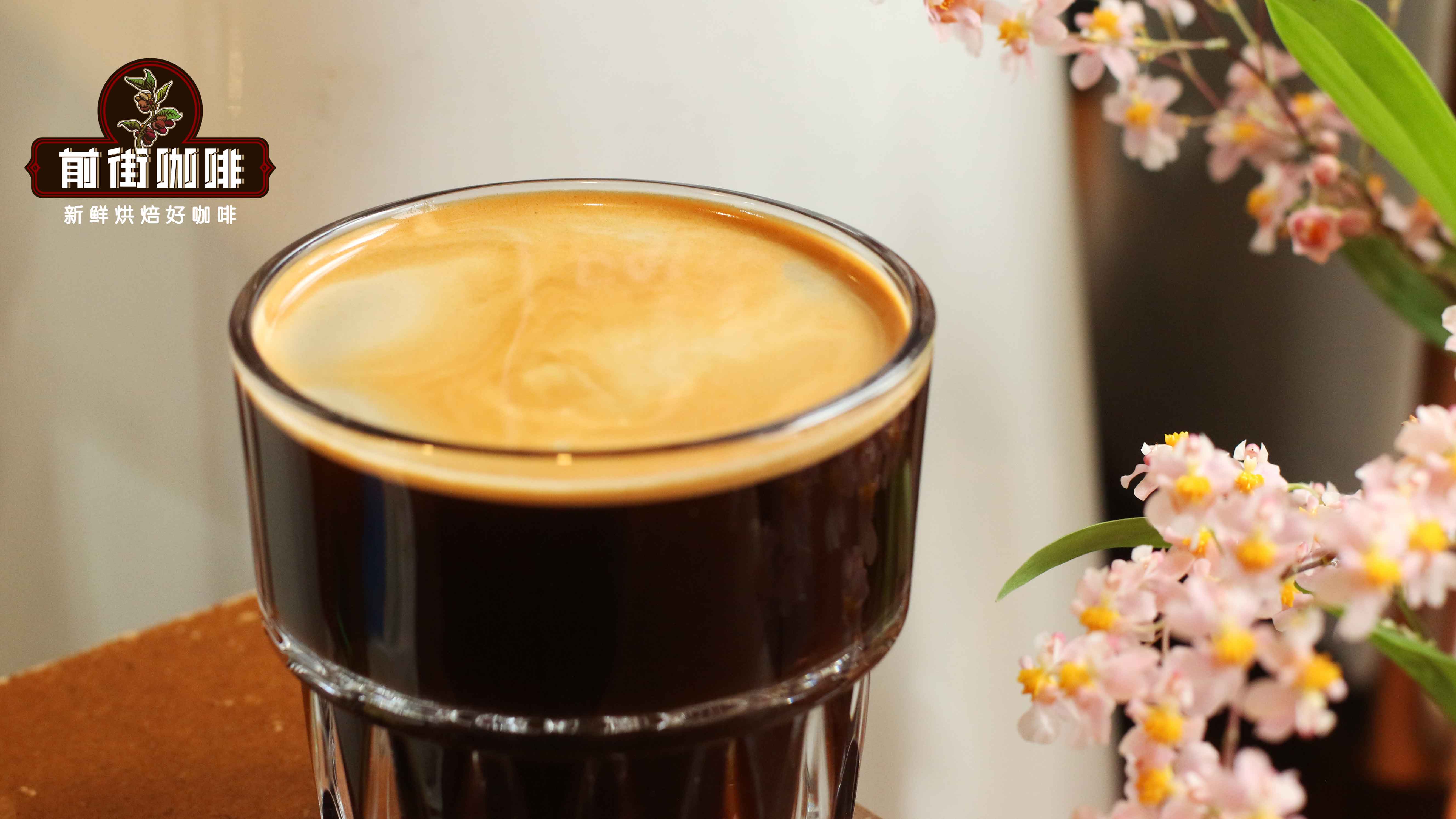
Overall, the three light roasted beans generally performed well in hot americanos, showcasing the beans’ inherent bright acidity and fruity characteristics, with clear and enjoyable flavors. However, when paired with milk for lattes, the light roast flavors tended to be more subdued, often masked by the milk, requiring more precise extraction and pairing techniques.
For coffee enthusiasts eager to try making espresso with light roasted beans, this experiment proves it’s feasible—but achieving ideal flavors requires fine-tuning parameters such as grind size, pre-infusion time, pressure, and extraction duration. Whether manually controlled or machine-assisted, hands-on practice and observation are key to improving your skills.
The above content is compiled by CoffeeHunters, a coffee news website.


