







Introduction:Want to improve the quality of your pour over coffee but don’t know where to start? This article will take you in-depth into the key elements of pour over brewing, including pouring techniques, parameter control, coffee bean characteristic identification, and other practical knowledge. Through systematic parameter adjustment methods and regional flavor cognition, it helps coffee beginners quickly master brewing essentials and pour out pour over coffee with ideal flavors.
Many coffee enthusiasts, when first exposed to pour over coffee, are often attracted by professional brewing techniques. Many coffee lovers frequently encounter customers asking how to improve their pour over skills. To answer this question, the first thing to clarify is: does pour over coffee rely more on hand technique or mental strategy?
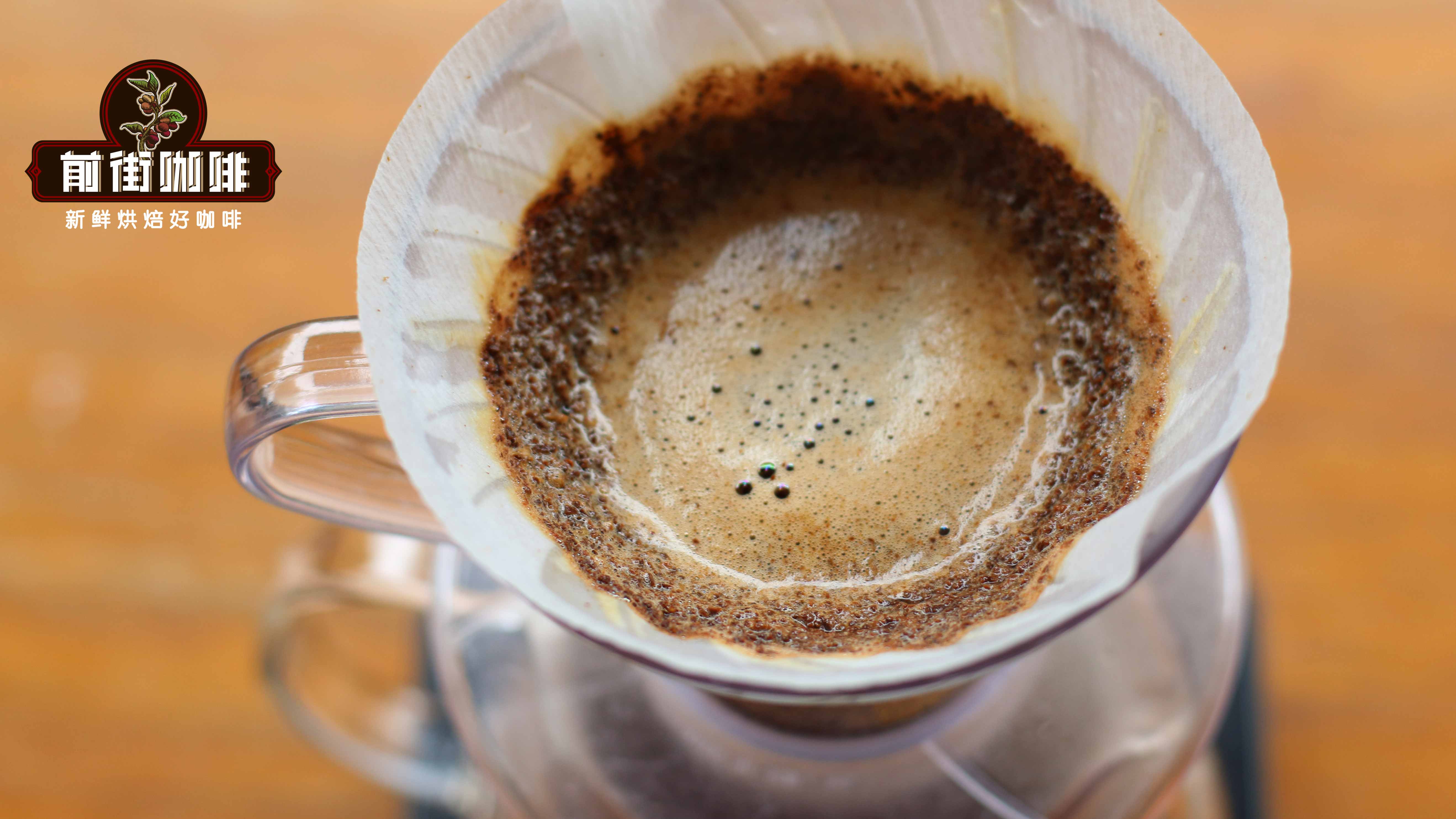
If you believe that pour over is primarily about manual skill, then indeed more practice is needed. Although water control, circular pouring, and pouring techniques are foundational, they are only skills required at the beginner stage. To address issues such as shaking hands, uneven water flow, or inconsistent circular pouring during brewing, two key factors are essential: correct posture and movement, as well as consistent practice to develop muscle memory. As long as the method is right, practicing for just 30 minutes a day can lead to noticeable improvement in water control ability in about 15 days.
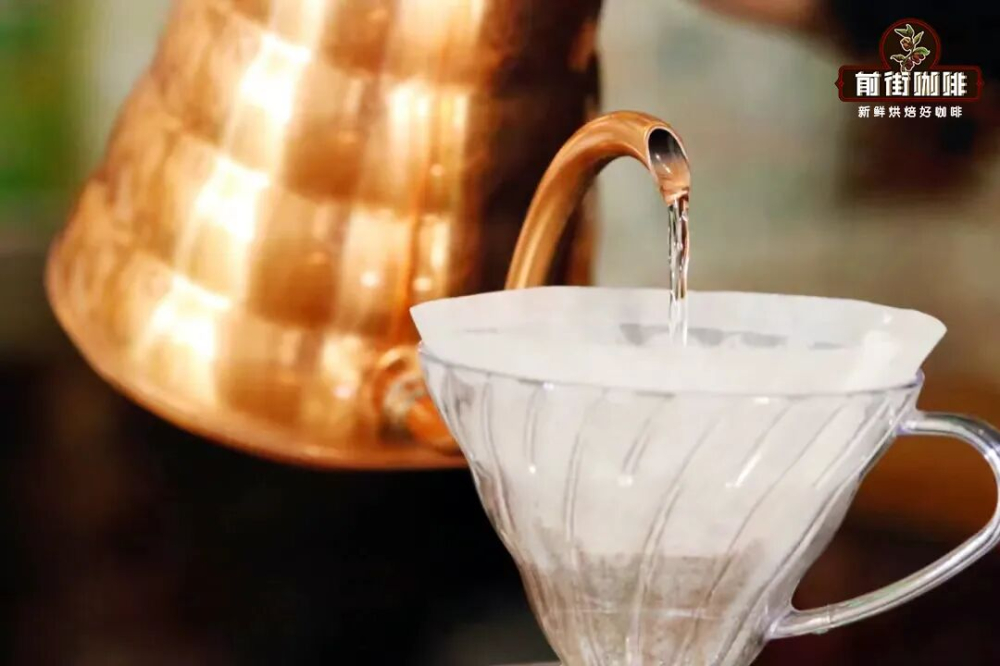
However, mastering pouring techniques is only the first step. To truly excel at pour over coffee, you also need to deeply understand the functional principles behind various brewing parameters.
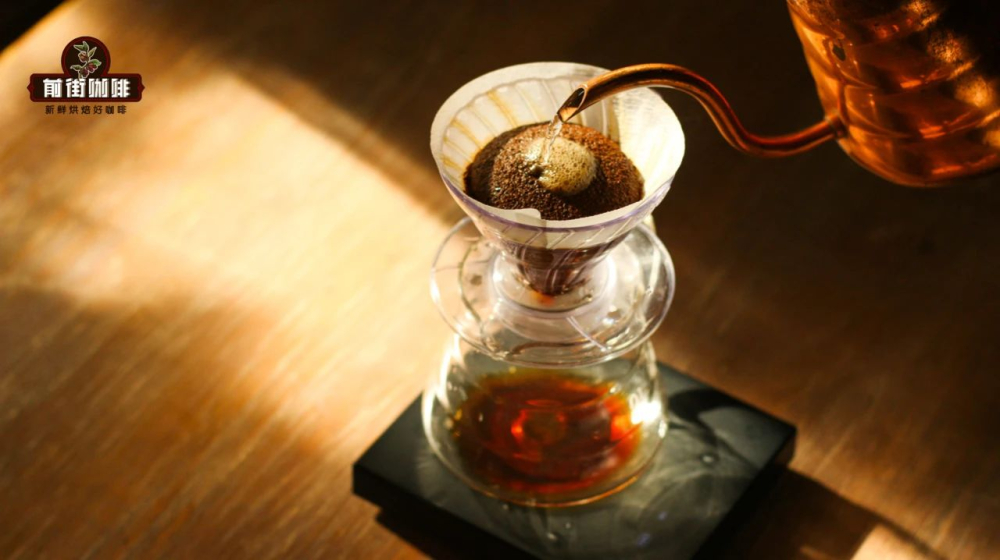
Grind size, brew ratio, water temperature, and brewing time are the four most important parameters in pour over coffee. These parameters are interrelated, and any adjustment to one will affect the final coffee flavor profile. For example, a finer grind or higher water temperature both increase extraction yield, resulting in more pronounced bitterness in the coffee; conversely, the flavor leans more acidic. It's particularly worth noting that grind size also directly affects brewing time—finer grinds typically require longer extraction times, while coarser grinds extract more quickly. Therefore, when adjusting parameters, these chain reactions must be considered comprehensively.
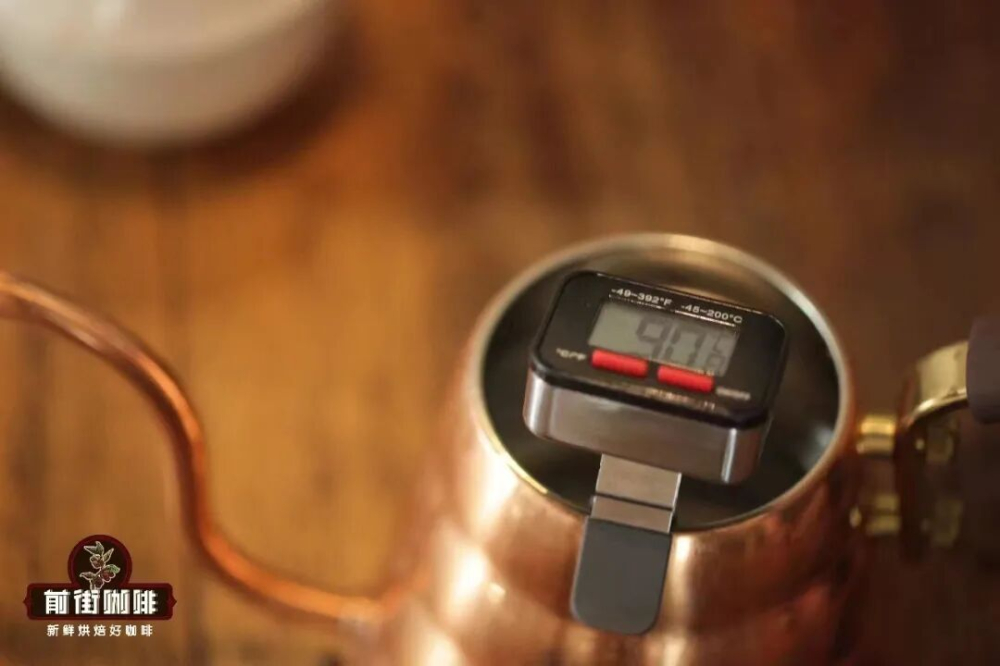
In practice, each parameter has empirically validated reasonable ranges: grind size is recommended to be controlled at 70-80% passing rate through a #20 sieve, water temperature should be maintained between 86-93°C, brew ratio is generally 1:13 to 1:18, and the standard brewing time for 15 grams of coffee is approximately 1 minute 40 seconds to 2 minutes 20 seconds. These values are derived from extensive practical summaries and can serve as an important reference basis for adjusting parameters.
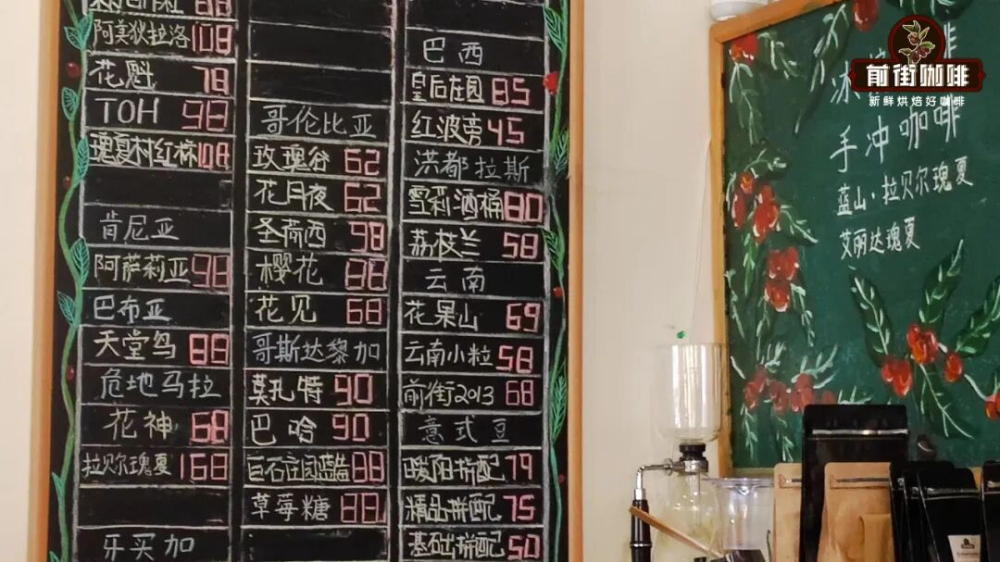
Facing dozens of different types of coffee beans on the market, setting individual parameters for each one is neither realistic nor necessary. A more effective approach is to establish a coffee bean characteristic classification system. First, divide by region: Ethiopian coffees generally exhibit citrus and berry aromas, while Costa Rican beans are known for their sweet orange notes. Coffee beans with distinct regional characteristics can usually adopt similar brewing approaches.
Next, consider the roast level: medium-light roasted beans are prominent in acidity, so it’s recommended to use a finer grind (75-80% passing rate through a #20 sieve) and a higher water temperature (90-93°C); medium-dark roasted beans have more pronounced bitterness, making slightly coarser grinds (70-75% passing rate through a #20 sieve) and lower water temperatures (86-89°C) more suitable. When encountering new bean varieties, you can refer to these basic classifications to set initial parameters.
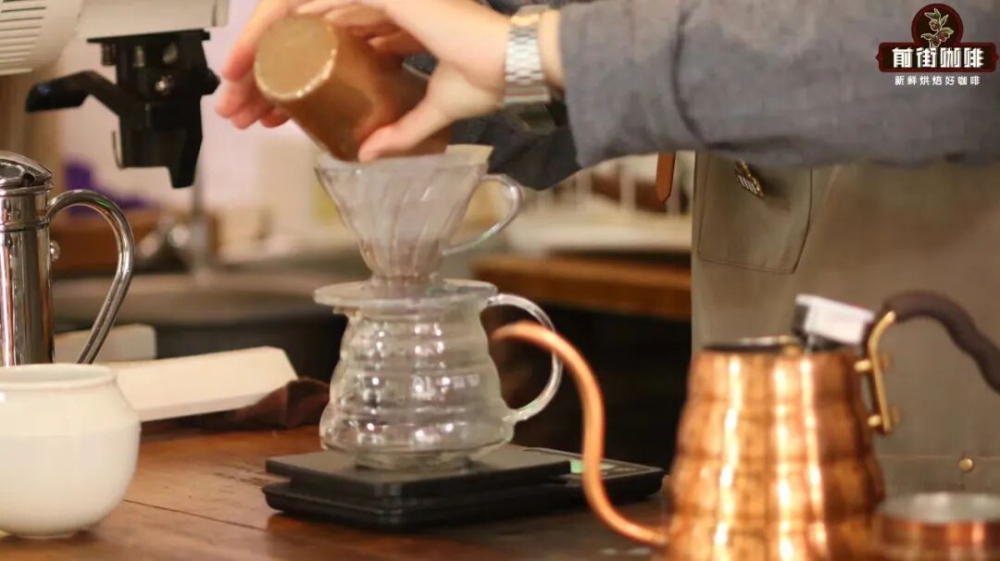
Recording detailed parameters for each brew is a key step in improving technique. It’s recommended to document: coffee dose, grind size (sieve passing rate), brew ratio, water temperature, pouring method, and time, etc. By comparing parameters with actual taste results, you can accurately determine which factors need adjustment.
For example, using 15 grams of coffee, 80% sieve passing rate grind, 1:15 brew ratio, 91°C water temperature, and a three-pour method (30ml bloom for 30 seconds, followed by 100ml + 95ml), resulted in a brewing time of 2 minutes 30 seconds. The tasting revealed overly heavy nutty and cocoa bitterness in the later stage. Analysis determined this was due to over-extraction caused by the excessively fine grind. In the second adjustment, the grind size was changed to 75% sieve passing rate, with all other parameters unchanged, reducing the brewing time to 1 minute 55 seconds and significantly improving the flavor to a more balanced profile of ginger flower, citrus, and oolong tea.
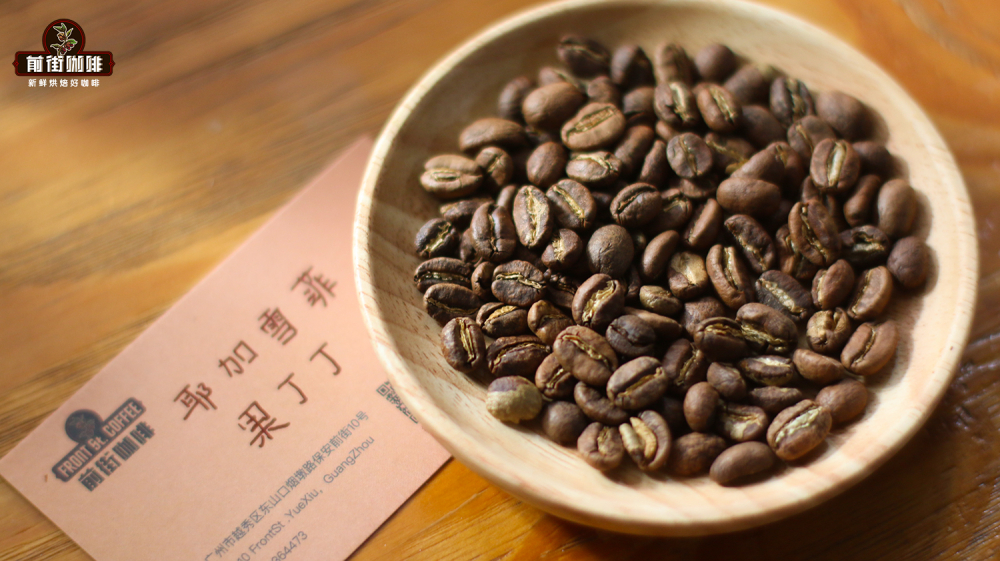

When adjusting parameters, always adhere to the "single variable principle"—change only one parameter at a time, so you can accurately assess its impact on flavor. Remember, great pour over coffee comes from precise control of all elements: appropriate coffee dose, accurate grind size, suitable water temperature, reasonable brew ratio, and completing the brew within the optimal time frame.
The above content is compiled by CoffeeHunters, a coffee news website.


