







Introduction:The difference between pour over and espresso is not only in taste, but also involves core aspects such as coffee bean selection, grind size, and extraction parameters. This article provides an in-depth comparison of the types of coffee beans used, brewing principles, key parameters, and flavor characteristics of the two brewing methods, helping you find the most suitable coffee experience based on your taste preferences and equipment conditions.
In recent years, coffee has gradually become a daily beverage for many people, even showing a trend of surpassing traditional tea. Among the various types of coffee, pour over and espresso are the two most popular. Although both originate from coffee beans, their production processes, flavor presentations, and applicable scenarios are vastly different.
Pour over coffee often uses single origin coffee beans, emphasizing the unique regional characteristics and processing method flavors inherent to the beans. This brewing method does not require high-pressure equipment and relies on hot water naturally penetrating the coffee grounds. The process is relatively gentle, making it ideal for slowly savoring the pure essence of the coffee. In contrast, espresso is extracted under high pressure, resulting in a rich crema and intense flavor, serving as the foundation for milk-based drinks like lattes and cappuccinos.
The following will analyze the main differences between the two in terms of coffee bean types, extraction methods, brew ratio, concentration, and caffeine content, and provide basic brewing process references to help coffee enthusiasts better understand and choose the brewing method that suits them.
I. Significant Differences in Coffee Bean Selection
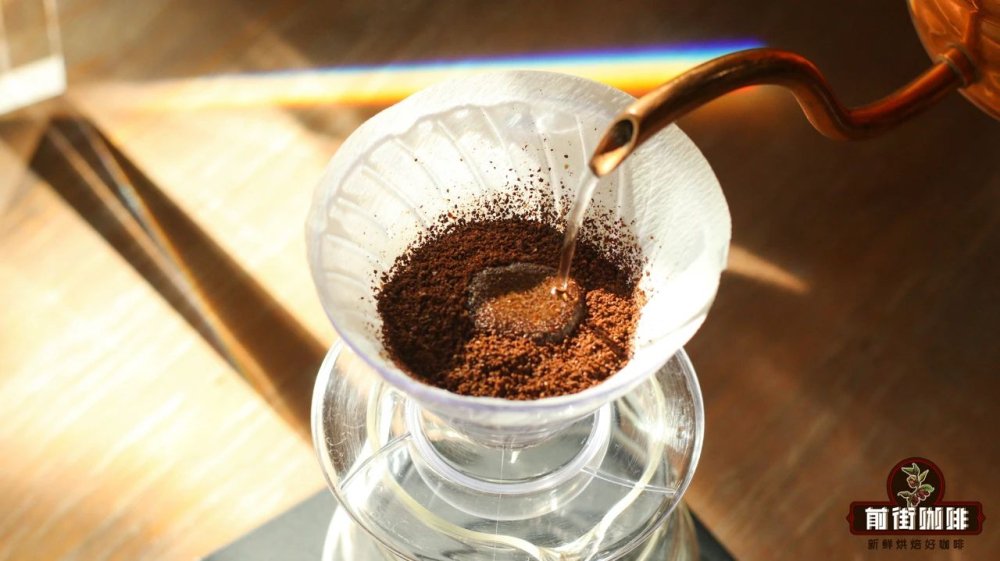
Pour over coffee generally usessingle origin coffee beans (Single Origin), which are not blended and can better showcase the unique characteristics of specific regions, altitudes, and processing methods. Common roast levels are light to medium, such as Yirgacheffe, Kenya AA, and Colombian Huila. These beans have bright acidity and rich aromas, making them suitable for highlighting the delicate layers of pour over. Of course, some enthusiasts prefer medium to dark roasted Indonesian Golden Mandheling or Brazilian coffee, which offer lower acidity and higher body.
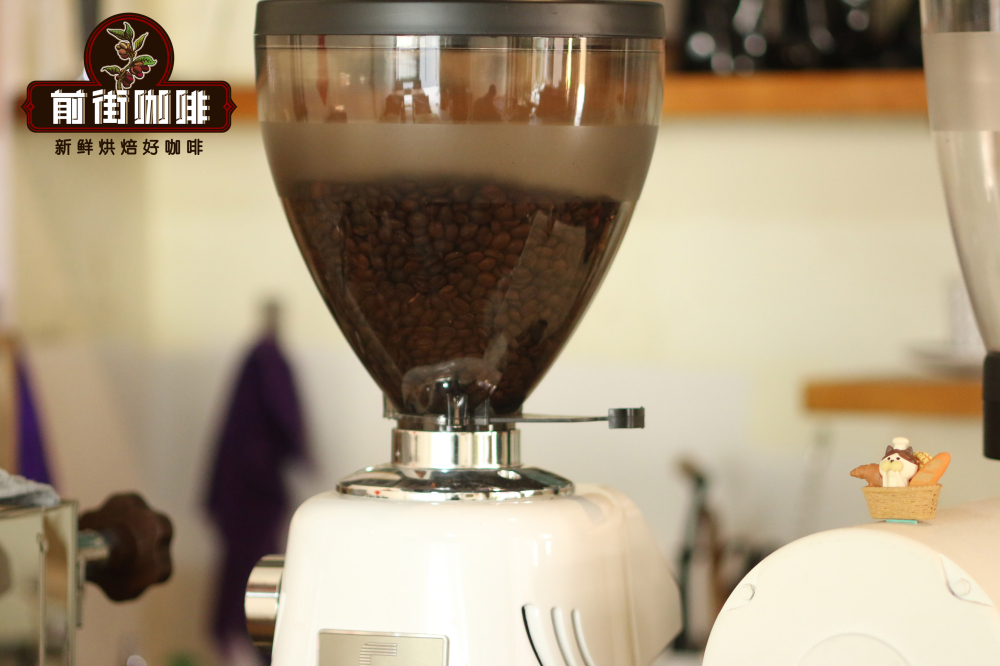
Espresso, on the other hand, mostly usesblended coffee beans (Blend), combining beans from different regions in specific proportions to balance acidity, sweetness, and bitterness, stabilize extraction performance, and meet the requirements of pairing with milk. These beans are usually roasted darker to release more caramelized compounds, enhancing the coffee’s body and sweetness. Since espresso must withstand extraction at nine atmospheres of pressure, it requires a professional espresso grinder to grind the beans to an extremely fine consistency, which is one of the key factors affecting the final product quality.
II. Extraction Principles and Pressure Differences
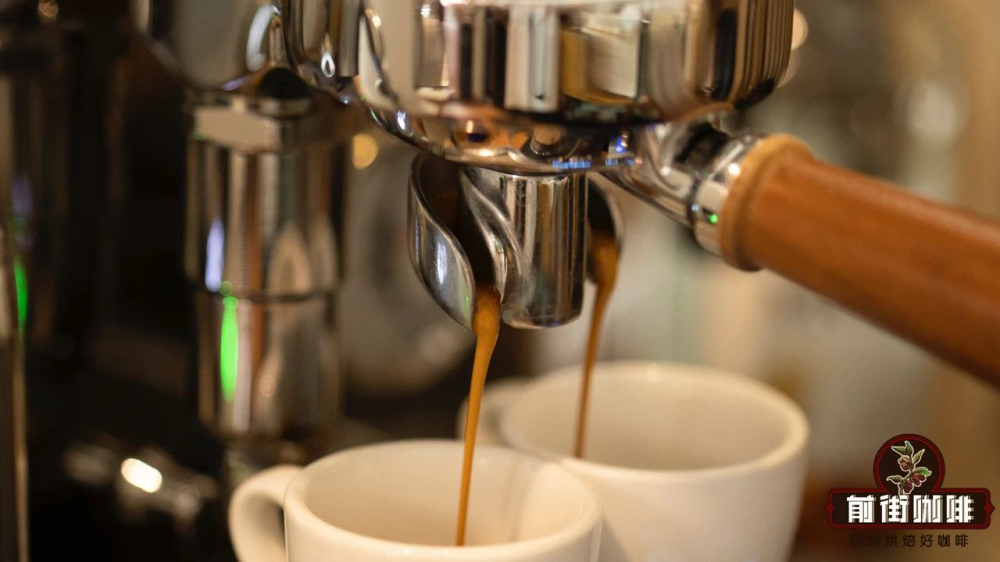
Pour over coffee is brewedunder normal atmospheric pressure (1 atm), and even when using devices like moka pots or AeroPresses, the pressure generally does not exceed 3 atm. Hot water slowly passes through the coffee grounds by gravity, extracting flavors through immersion and filtration. The process is gentle and easy to control, preserving more of the coffee’s original aromas and acidic-sweet layers.
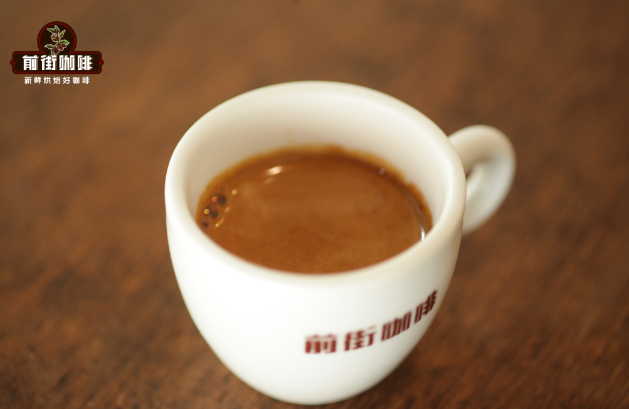
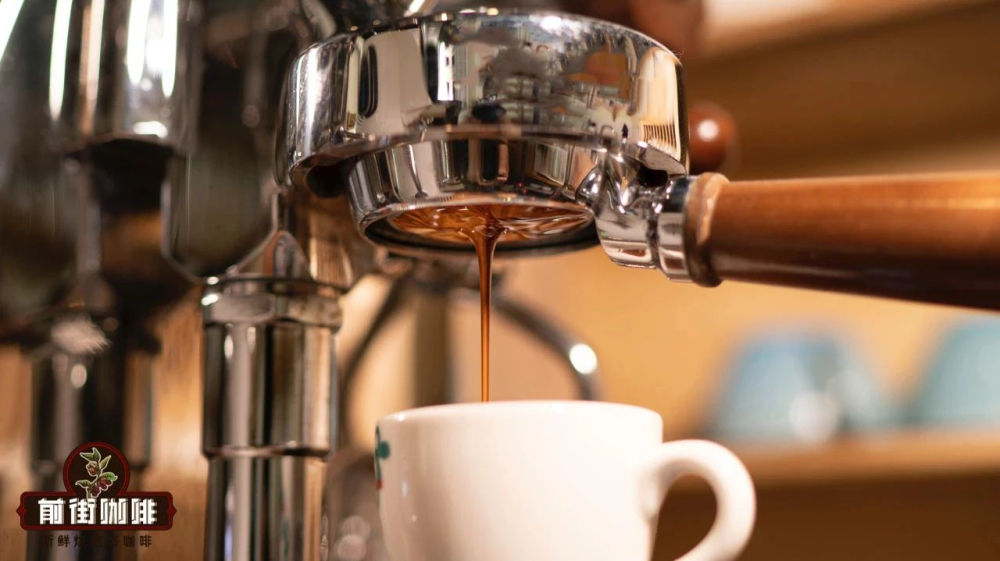
Espresso relies onthe 9 atm pressure generated by an espresso machinefor extraction. The coffee grounds are compressed into a compact puck in the portafilter, enduring about 133 kilograms of pressure. Under this high-pressure environment, hot water can extract a large amount of soluble substances in an extremely short time (20–30 seconds), including many flavor components that are not easily released under normal pressure. This results in a concentrated coffee with a rich, full body and a golden crema.
III. Caffeine Content Comparison
Under the same coffee dose and grind size, caffeine is a water-soluble substance, and the longer the extraction time, the more caffeine is dissolved. Pour over coffee typically takes 1–3 minutes to complete extraction, while espresso only takes 20–30 seconds, sopour over coffee generally has a higher caffeine content. Additionally, longer extraction methods like cold drip or cold brew release even more caffeine.
It’s worth noting that if milk is added to pour over coffee, the aroma and flavor of the coffee can be easily masked by the milk. Therefore, most cafes do not recommend adding extra milk to pour over coffee. If you want to enjoy a milk-based coffee, it’s more suitable to directly choose a latte or cappuccino based on espresso.
IV. Espresso Brewing Process
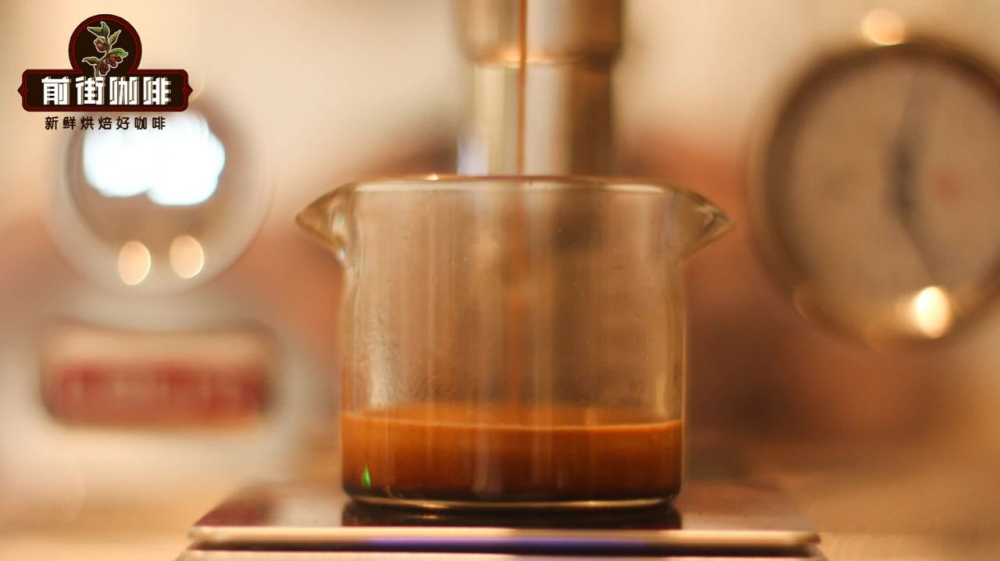
Taking a commercial-grade espresso machine as an example, a standard double shot (Doppio) uses about 18–20 grams of coffee grounds, with a typical extraction ratio of 1:2 (i.e., 20 grams of grounds yield 40 grams of coffee liquid). The extraction time is controlled between 20–35 seconds; too short results in a thin flavor, while too long can lead to burnt bitterness. In practice, first dry the portafilter, grind the appropriate amount of coffee, distribute it evenly, and then tamp it down. Before starting extraction, release a small amount of hot water to preheat the group head, then install the portafilter and begin extraction. When the coffee liquid reaches the target weight and the time is appropriate, stop the extraction.
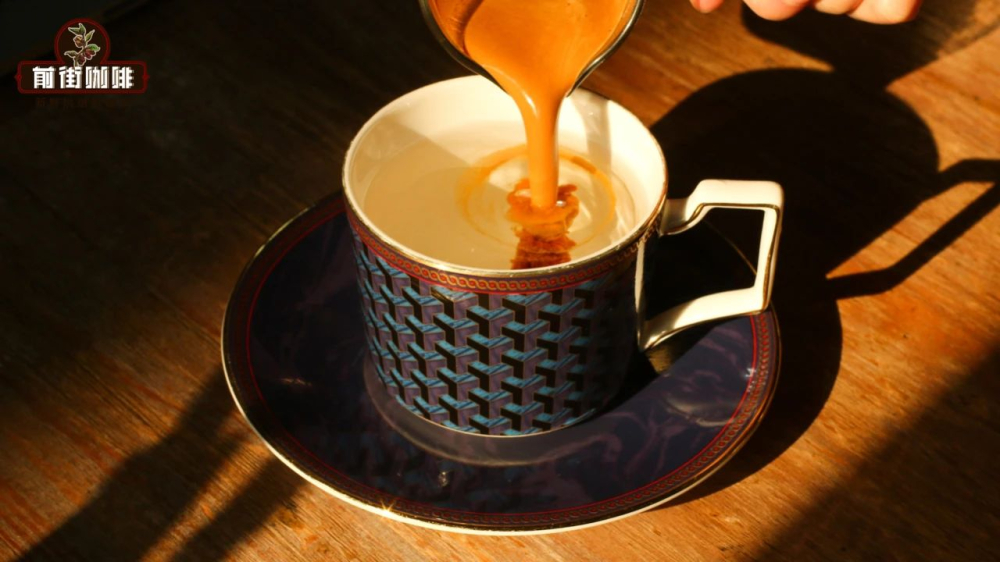
In terms of flavor, high-quality espresso should have rich crema, balanced acidity and sweetness, and a full body, with a clean and smooth aftertaste. Common blends like Sunflower Warm Sunshine (a 7:3 blend of Honduran Sherry and Ethiopian Natural Red Cherry) can deliver whiskey-like aromas, berry acidity, and vanilla biscuit notes, making it suitable for various milk-based coffees.
V. Key Points for Pour Over Brewing
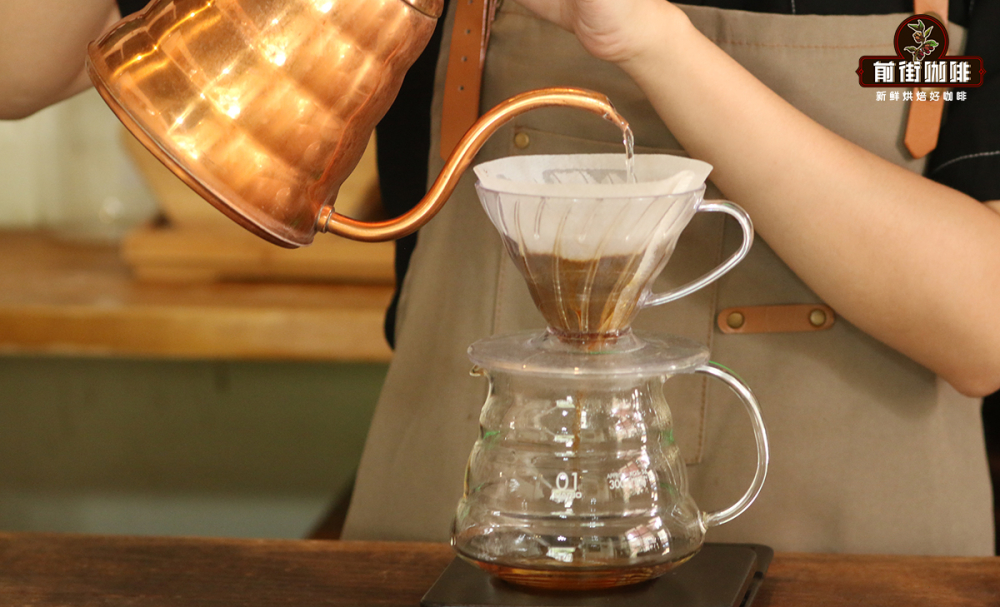
The basic tools needed for pour over include a pour over kettle, dripper, filter paper, scale, thermometer, and server. Taking the common Yirgacheffe as an example, a medium-fine grind (about 80% through a #20 sieve, corresponding to a grinder setting of 10) is recommended, with water temperature controlled at 91–93°C to bring out the bright acidity of high-altitude beans. For the dripper, cone-shaped options like V60 can optimize water flow and gas release, making them suitable for pour over enthusiasts who pursue layered flavors.
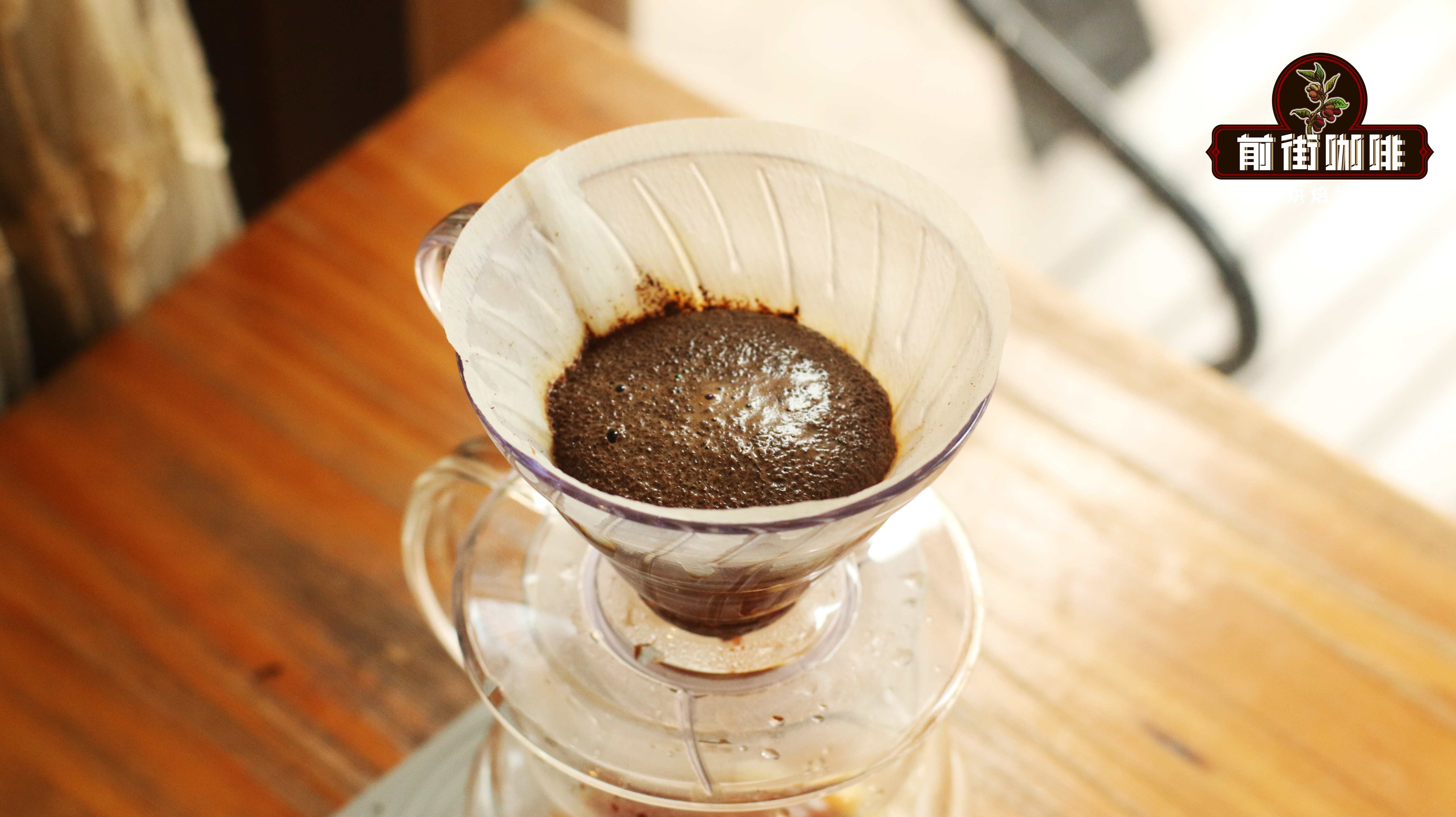
For pouring techniques, the three-pour method is the most beginner-friendly: the first pour involves adding a small amount of hot water (e.g., 30 grams) for a 30-second bloom to awaken the coffee grounds; the second pour steadily adds water up to around 125 grams, circling evenly; the final pour adds the remaining water to reach the target total weight (e.g., 225 grams), and extraction ends once the coffee liquid has fully dripped through. This process usually takes about 2 minutes, effectively balancing concentration and flavor layers.
It’s worth noting that the charm of pour over coffee lies in its high degree of customization—from coffee bean variety, roast level, and grind size, to water temperature, water flow, and pouring technique, each parameter adjustment affects the final flavor. This flexibility makes pour over an ideal way to explore coffee flavors, and is also the core reason why it attracts so many coffee enthusiasts.
The above content is compiled by CoffeeHunters, a coffee news website.


