








Introduction:Many coffee enthusiasts often wonder, does adding milk to Americano make it the same as a latte? In fact, there are significant differences between the two in terms of base, ratio, and flavor profile. This article delves into the origins of Americano, its standard brewing parameters, and provides a detailed explanation of the golden ratio when adding milk—helping you craft a well-balanced, smooth cup at home. Practical suggestions are included for both hot and iced versions.

Regular coffee drinkers are surely familiar with Americano and latte. Americano is simply espresso with hot water added, resulting in a stronger and more bitter taste that suits those who enjoy the pure essence of coffee. On the other hand, a latte is built upon espresso with a generous amount of steamed milk, delivering a creamy and sweet flavor that's perfect for beginners. Additionally, popular variations on the market, such as "sparkling Americano" made with soda water or "toffee nut latte" with added syrup, are all modifications based on these foundational drinks.
However, if you enjoy brewing coffee at home, there’s no need to be overly rigid about ratios or rules. Some prefer it stronger by using less water, while others like to add sugar or milk for flavor. So, does adding milk to your Americano automatically turn it into a latte? What’s the ideal amount of milk to add? Let’s explore the history and methods behind Americano to find out.
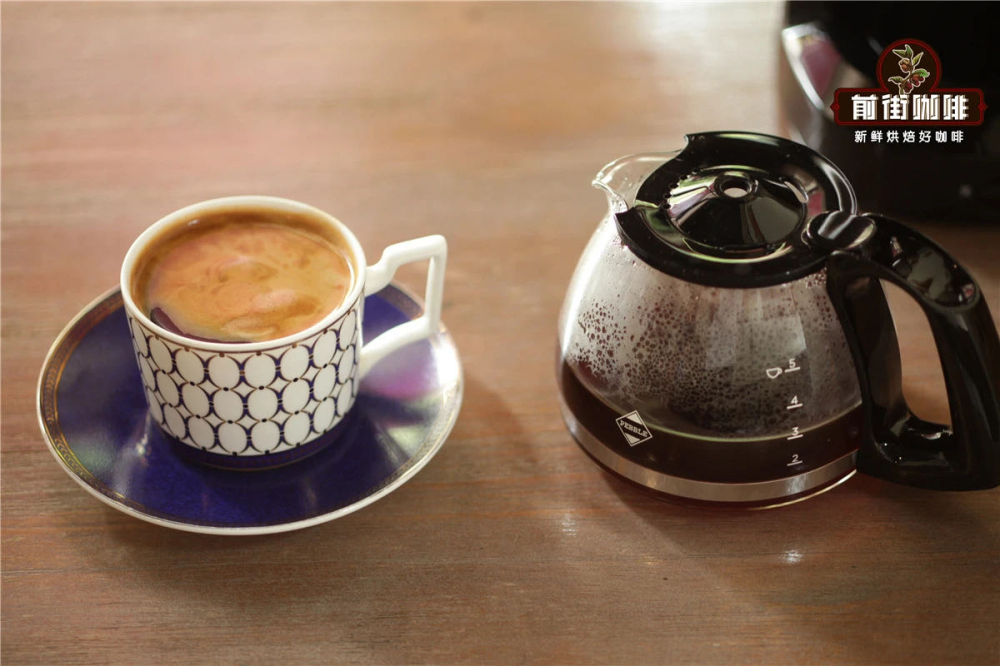
Fun Fact: Americano did not actually originate in America
The recipe for Americano is extremely simple, consisting only of espresso and hot water. The term "espresso" comes from Italy, where the word itself means "fast," representing a brewing method that can be prepared quickly. It is also one of the cornerstones of modern cafés.
The popularity of Americano can be traced back to the 18th century. At that time, the United States protested against Britain’s high tea taxes, leading to the famous "Boston Tea Party," which sparked a coffee-drinking trend. By the end of the 19th century, the U.S. was consuming about one-third of the world’s coffee beans. During World War II, American soldiers drank large amounts of coffee to stay alert and relieve stress, but found the strong bitterness of espresso hard to accept. As a result, they began diluting it with water. Later, Italian-style cafés in the U.S. followed suit and introduced this "watered-down coffee," which gradually evolved into what we now know as "Americano."
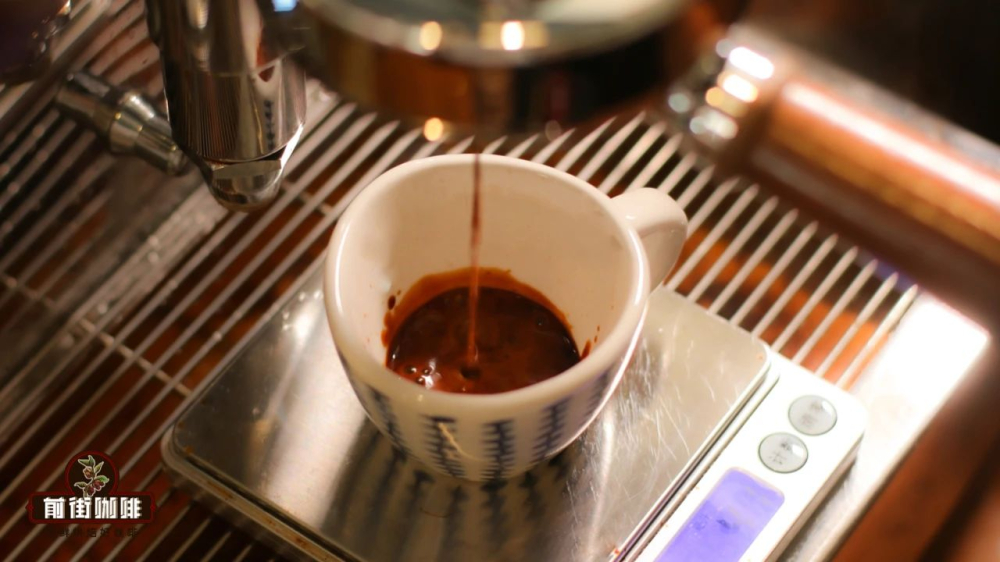
Standard Brewing Method for Americano
Since Americano uses only espresso and water, it allows for a more direct experience of the coffee bean’s original aroma and flavor, thus placing higher demands on the quality of the beans. For example, a specialty coffee blend commonly used by shops, called "Sunflower Warm Sun Blend," is made up of 70% Honduran Sherry coffee and 30% Yirgacheffe sun-dried Red Cherry. The former delivers notes of whiskey and cream, while the latter offers tropical fruit and fermentation layers. Overall, the blend is mild and layered.
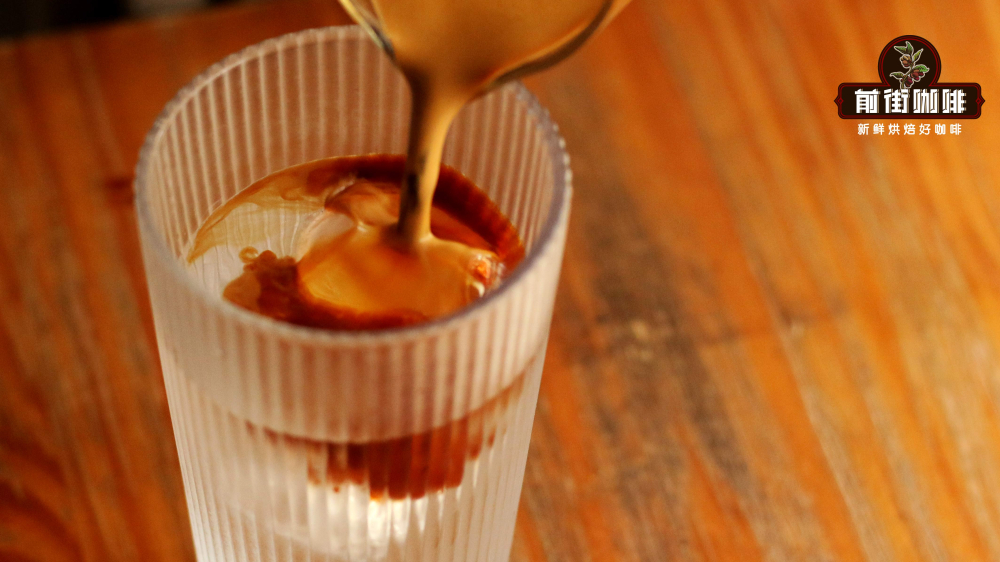
During preparation, coffee grounds are typically extracted at a 1:2 coffee-to-water ratio for espresso—for instance, using 20 grams of coffee beans to yield 40 grams of espresso. When further diluting,the golden ratio of coffee to hot water is 1:6—that is, adding 40 grams of espresso to 160 grams of hot water at around 88°C results in a well-balanced hot Americano. For an iced version, you can replace part of the hot water with ice cubes. For example, adding 120 grams of ice and 120 grams of room temperature water helps maintain the best flavor before the ice melts, resulting in a bright, refreshing acidity and sweetness—ideal for those not accustomed to the bitterness of coffee.

Does Americano with Milk Equal Latte?
Latte is arguably one of the most well-known classic coffee types, famed for its combination of milk and espresso. With a smooth and sweet taste, it is very popular among coffee drinkers. Although its history dates back to the 17th century or even earlier—when Europeans were already adding milk to their coffee—the brewing techniques at the time were relatively primitive, often involving cloth filtration or old-fashioned mocha pots. It wasn’t until the widespread use of espresso machines, combined with steam wands to heat and froth milk, that the latte truly entered the modern era and became widely associated with latte art.
But does adding milk to Americano make it a latte? Not quite. A latte dilutes espresso with a large amount of milk, where milk constitutes the majority—resulting in a silky and soft texture. Americano, on the other hand, already contains a certain proportion of water. Adding milk can reduce bitterness, but if the ratio is off, it may make the overall flavor thin and lacking in complexity. Therefore, if you want to make a milk-added Americano at home, it’s recommended to use fresh whole milk, which has a higher protein content that adds silkiness and a milky aroma to your drink.

Recommended Milk-to-Americano Ratio
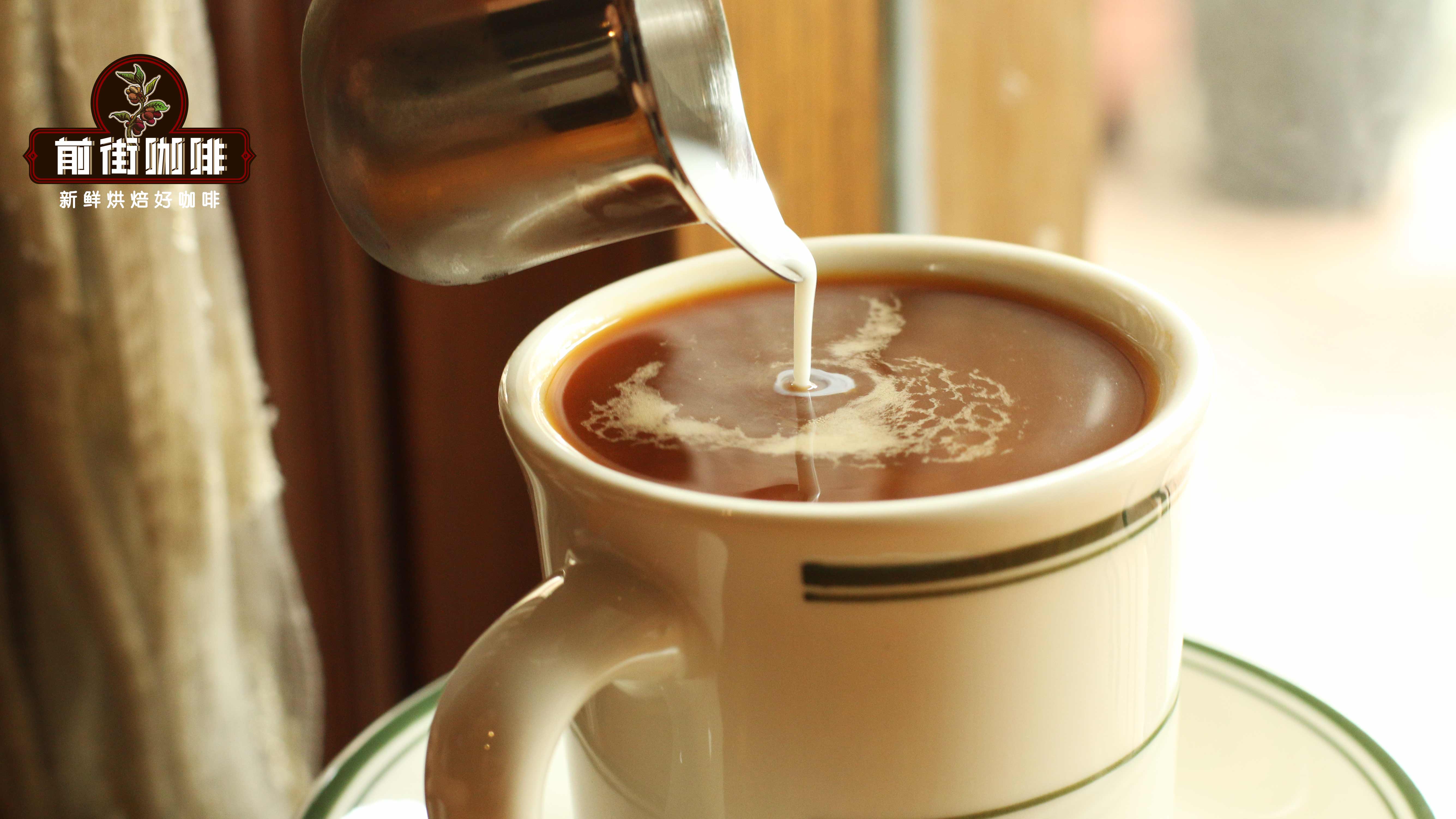
If you want to add milk to your Americano,a recommended ratio is 1:4:1 for espresso, hot water, and milk. For example, using 40 grams of espresso, adding 160 grams of hot water, and then incorporating 40 grams of fresh milk achieves a balanced flavor and smooth texture. With this ratio, the coffee retains the rich base of espresso while incorporating the silkiness and slight sweetness of milk, resulting in a caramel-like finish. It’s perfect for those who enjoy milk-based coffee but don’t want it overly sweet.
Whether you prefer hot or iced drinks, mastering the right ratio and ingredients allows you to craft your own personalized Americano at home. Remember, the world of coffee has no absolute rules—only continuous experimentation and adjustments will lead you to find your perfect cup.

The above content is compiled by CoffeeHunters, a coffee news website.


