







Introduction:Gain an in-depth understanding of the standard practices for espresso extraction, compare the SCAA Golden Cup extraction standards with practical operations, and analyze the key changes in modern espresso. Master how each parameter—such as coffee-to-water ratio, water temperature, pressure, and grind size—affects flavor and mouthfeel, helping you more professionally understand and evaluate various types of espresso.
When discussing coffee extraction, many people first focus on the amount of coffee grounds used and the coffee-to-water ratio. The core behind this is actually "extraction yield." About 70% of coffee beans are insoluble in water, with only around 30% containing ideal flavor compounds. Therefore, it’s crucial to control the extraction conditions properly. Compared to pour over, espresso is more concentrated due to high pressure and high extraction intensity, and it also tends to amplify any flaws in the beans—this is part of its uniqueness.
The standard definition of espresso is often cited from the Specialty Coffee Association of America (SCAA), which recommends using 9–10 atmospheres of pressure, 7–9 grams of coffee grounds, a water temperature controlled at 88–92°C, for about 22–28 seconds, yielding approximately 45 milliliters of coffee. However, in actual café settings, many baristas’ operational parameters differ significantly from this standard, reflecting the flexible adjustments between market practice and theoretical standards.

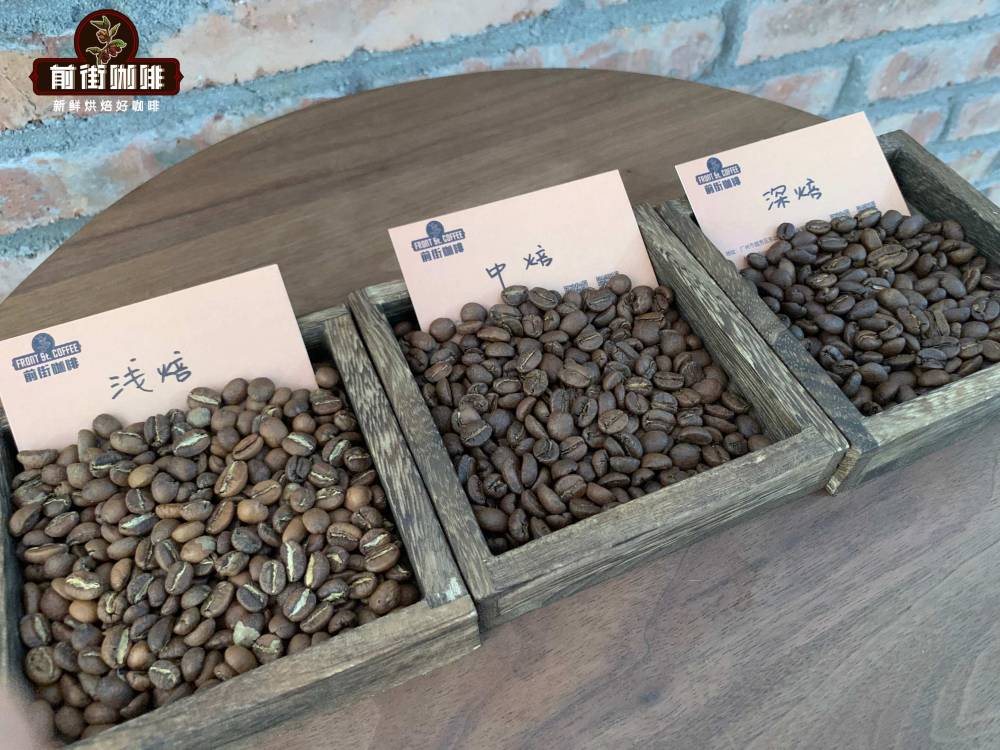
Early espressos commonly used dark roasts, emphasizing nutty and cocoa profiles, and even preferred a noticeable bitter or burnt taste. However, with the rise of the third wave of specialty coffee, consumers have gradually favored light to medium roasted beans with floral and fruity aromas, which has also led to adjustments in extraction parameters. The current common practical parameters are: 18 grams of coffee grounds, extracting about 30 grams of liquid weight, with water temperature between 92–94°C, and time controlled at 25–27 seconds. It’s worth noting that today there is a tendency to evaluate extraction by liquid weight rather than volume, because the amount of crema can be affected by pressure, roast level, and bean freshness, making volume-based judgment less accurate.
With advancements in espresso machine technology, modern machines can now provide variable pressure and pressure profiling functions. The application of pre-infusion stages and mid-to-late stage pressure adjustments allows even the same coffee beans to exhibit distinctly different flavor profiles under varying pressure settings. Traditionally, espresso extraction pressure was close to atmospheric pressure, resulting in thin body and lack of crema; however, since the Faema E61 introduced the 9 bar design, crema performance has improved significantly, and it has since become the industry standard.
Brewing a high-quality espresso requires considering multiple variables simultaneously, including grind size, extraction pressure, water temperature, amount of coffee grounds, extraction time, and final liquid yield. First is the coffee dose, which is usually determined based on the capacity of the portafilter basket—it should not be too little to cause under-extraction, nor too much to prevent the machine from sealing properly. For water temperature, it is recommended to use near-boiling hot water to facilitate the release of flavor compounds. Extraction time directly affects the balance of acidity, sweetness, and bitterness, with acidity typically released earlier and bitterness appearing later.
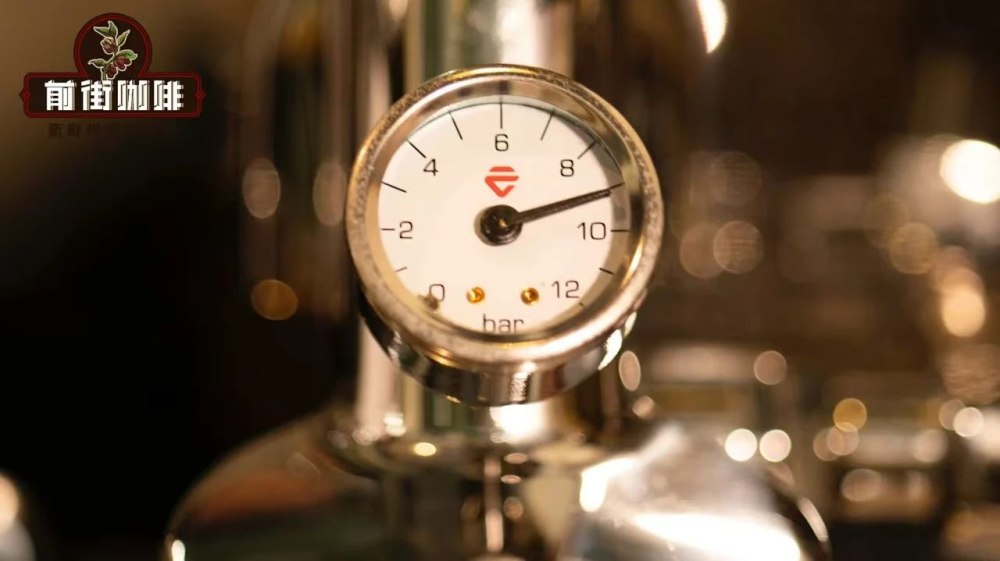
Pressure is key to crema and mouthfeel; modern high-pressure extraction can bring out rich crema, enhancing the overall drinking experience. As for grind size, it needs to be fine-tuned according to daily humidity, temperature, and the condition of the beans. Too fine a grind may lead to over-extraction, while too coarse may result in under-extraction. Additionally, the roast date and storage condition of the coffee beans will also noticeably impact the final extraction results.
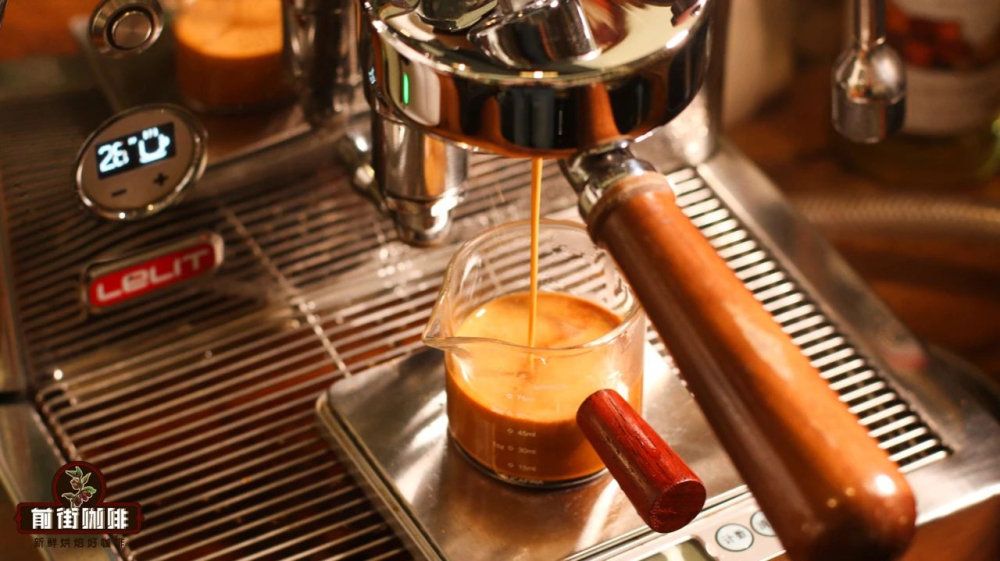
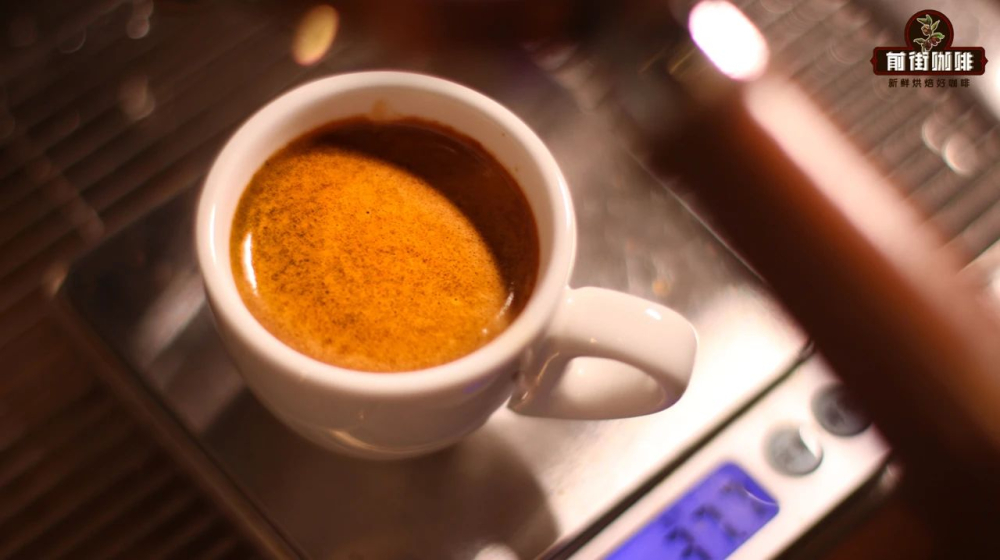
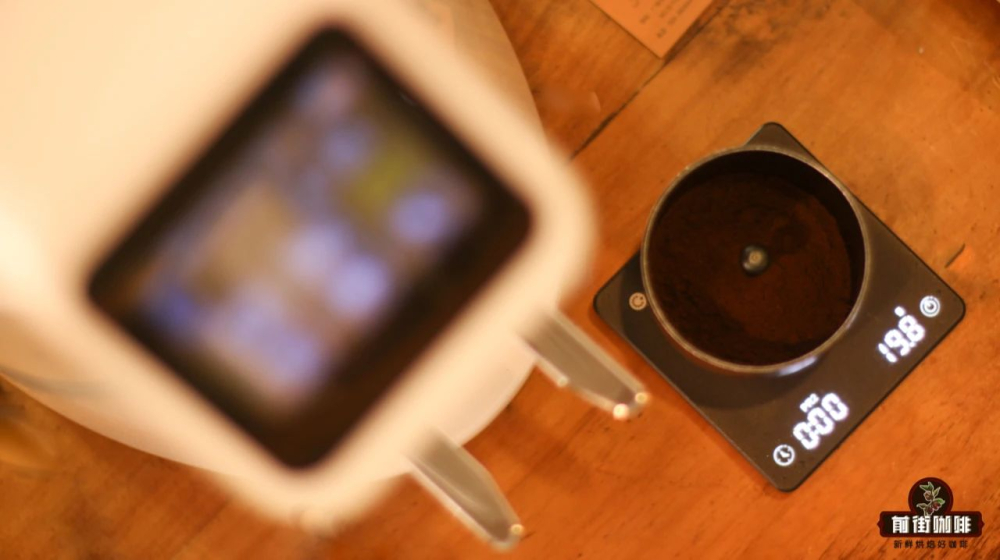
Taking all these variables into account, a common and practical set of espresso extraction parameters can be referenced as follows: using a double shot basket, about 19.7 grams of coffee grounds, with an extraction pressure of 9 bar ±2, water temperature controlled between 90.5–96°C, extraction time maintained at 20–30 seconds, and a final yield of about 35 milliliters of coffee. This set of parameters can fully showcase the layers and flavor concentration of the coffee, suitable for most medium to dark roast blends.
When these conditions are precisely aligned, espresso often presents intense notes of wine, vanilla, and cream, with a bright berry acidity on the entry and a long-lasting black chocolate-like finish, offering a smooth and layered mouthfeel. This flavor profile is commonly found in carefully blended beans, such as those combining Honduran sherry-aged beans with Ethiopian sun-dried red cherry beans—the former, fermented in wine barrels, contributes a rich winey depth, while the latter offers vibrant berry acidity, creating an excellent balance.
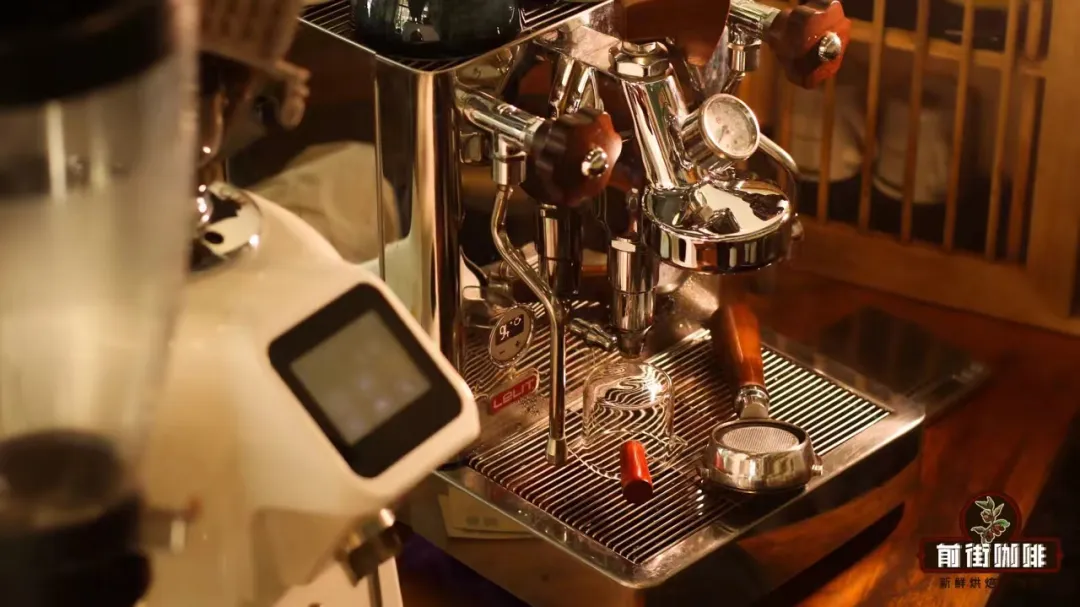
When tasting espresso, it is recommended to first rinse your mouth with water, then observe the crema with a small spoon or gently stir the coffee to allow the flavors from the top and bottom layers to integrate, which helps to more fully appreciate its complex layers. Paired with a glass of ice water and appropriate resting time, you can better perceive the subtle variations and true flavor expression of the coffee.

The above content is compiled by CoffeeHunters, a coffee news website.


