







Introduction:In recent years, the trend of healthy beverages has gained momentum, and decaf coffee has become a popular choice for many. But do you know its history, production principles, and health impacts? This article delves into the origins of decaf coffee, explores differences in decaffeination technologies, analyzes its pros and cons, and recommends a high-quality low-caffeine bean suitable for pour over, helping you make a smarter choice.
As public awareness of health has grown, sugar-free and low-fat beverages have emerged one after another. Even one of the world’s most beloved drinks—coffee—has launched a decaffeinated version, commonly known as "decaf coffee" in cafes. But what exactly are the characteristics of decaf coffee? Is it truly healthier? How has its history evolved? This article will give you a comprehensive understanding of the world of decaf coffee.
The Origins of Decaf Coffee
It is understood that the birth of decaf coffee is related to the German literary giant Goethe. Although an avid coffee lover, Goethe struggled with insomnia after drinking it. To find out why, he asked his friend Runge to analyze the components of coffee beans. Around 1820, they confirmed that “caffeine” was the culprit affecting sleep and developed an initial method for separating it, marking the beginning of decaf coffee.
However, the technology at the time was not yet mature enough for mass production of decaf coffee. It wasn’t until 1903 that German coffee importer Ludwig Roselius discovered that when coffee beans were soaked in seawater, their caffeine content significantly decreased. He quickly assembled a team to develop extraction technology, enabling decaf coffee to enter the stage of mass production.
What Is Decaf Coffee?
How much caffeine needs to be removed for coffee to be considered decaf? According to data, decaf coffee beans must have at least 97% of their caffeine removed to qualify as decaffeinated, abbreviated in English as Decaf (decaffeinated coffee). However, it’s important to note that it’s not entirely caffeine-free, just very low in content. For example, Arabica beans originally contain about 0.9%–1.4% caffeine (averaging 1.2%), while Robusta beans contain even more, around 1.8%–4% (averaging 2.2%).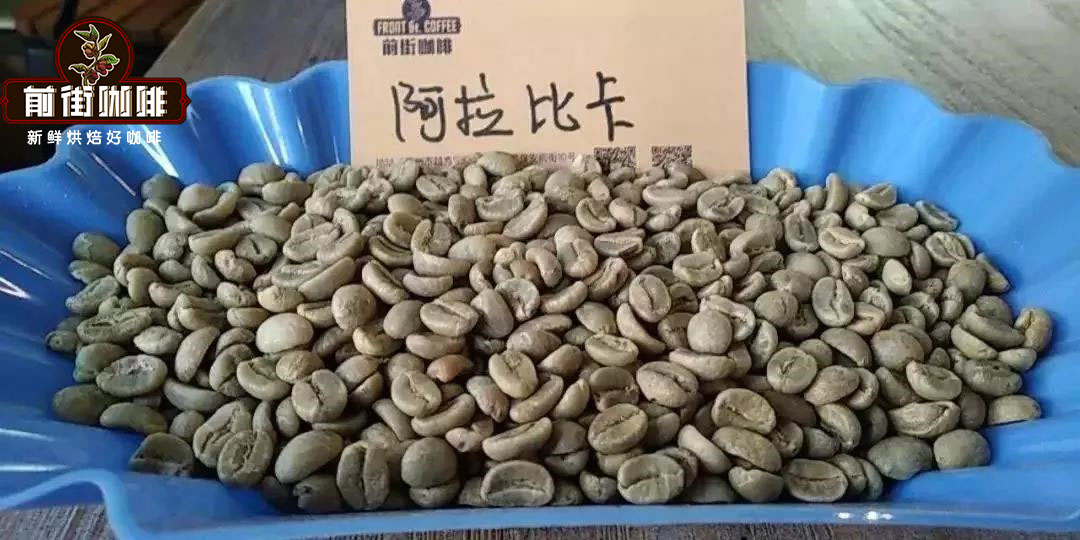
International standards for decaf coffee vary slightly: the European Union stipulates that caffeine content after decaffeination must not exceed 0.1% of the green bean weight, while the U.S. FDA requires it to be reduced to below 3% of the original content. In other words, decaf coffee ≠ completely zero caffeine, and intake should still be monitored.
How Is Decaf Coffee Processed? Four Major Technologies Explained
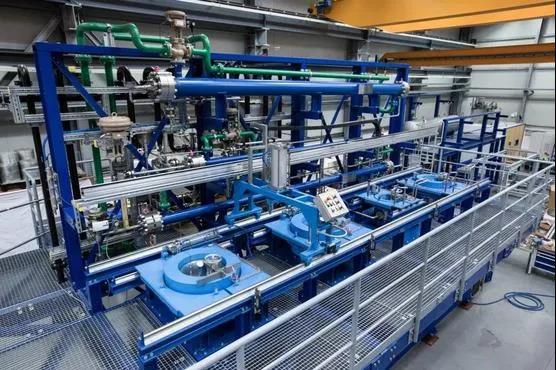
There are currently four common decaffeination methods on the market: Swiss Water Process, direct solvent process, indirect solvent process, and supercritical CO₂ process. Each method has its own characteristics and applicable scenarios. Here's a brief overview.
Swiss Water Process
This is one of the most widely used decaffeination methods. The process involves soaking green coffee beans in hot water to extract both caffeine and some flavor compounds, then using activated carbon to filter out the caffeine. The caffeine-free but flavor-retaining water is then poured back over the beans to continue removing the remaining caffeine. This method doesn’t use chemical solvents, though it may cause slight flavor loss. However, it achieves up to 99.9% caffeine removal. Additionally, the processing water can be reused, making it cost-effective and efficient.
Direct Solvent Process
This method uses chemical solvents such as methylene chloride or ethyl acetate to directly contact the coffee beans and dissolve the caffeine. The process begins by steaming the beans to open their pores, then adding the solvent. Once the caffeine is absorbed, the solvent is removed, and the beans are dried. Though once questioned for solvent safety, methylene chloride actually evaporates completely at roasting temperatures, posing minimal risk.
Indirect Solvent Process
This technique first soaks the coffee beans in hot water to extract various flavor compounds, including caffeine. Then, the water is separated from the beans, and a chemical solvent (such as methylene chloride or ethyl acetate) is added to remove the caffeine from the water. Finally, the remaining flavor-rich liquid is returned to the beans. Although this is an indirect method, it may still affect the final flavor profile.
Supercritical CO₂ Process
This method uses supercritical carbon dioxide under high pressure, which possesses properties of both a liquid and a gas, allowing it to penetrate deep into the coffee bean cells and selectively extract caffeine without damaging other beneficial components. This method preserves the original flavor and color but requires specialized equipment and high-pressure conditions, resulting in relatively higher costs.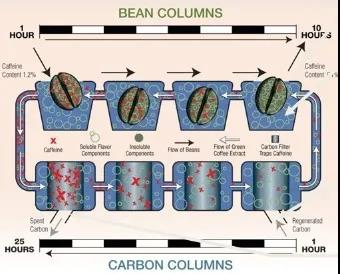
Is Decaf Coffee Tasty? Bean Selection Is Key
Many people think decaf coffee doesn’t taste good, but the issue often lies not with the decaffeination process, but with the beans themselves. If a producer uses cheap, high-caffeine commercial-grade Robusta beans, the flavor will naturally be poor. On the contrary, if high-quality Arabica beans are used, even after decaffeination, they can still deliver a satisfying depth of flavor.
Advantages and Limitations of Decaf Coffee
Decaf coffee retains most of the antioxidant components found in regular coffee, such as hydroxycinnamic acids and polyphenols, which help combat free radicals and may reduce the risk of heart disease, cancer, and diabetes. While antioxidants may be lost by about 15% during the decaffeination process, the overall content remains similar to that of regular coffee. Additionally, a cup of decaf coffee provides small amounts of magnesium, potassium, and vitamin B3, offering nutritional benefits with long-term consumption.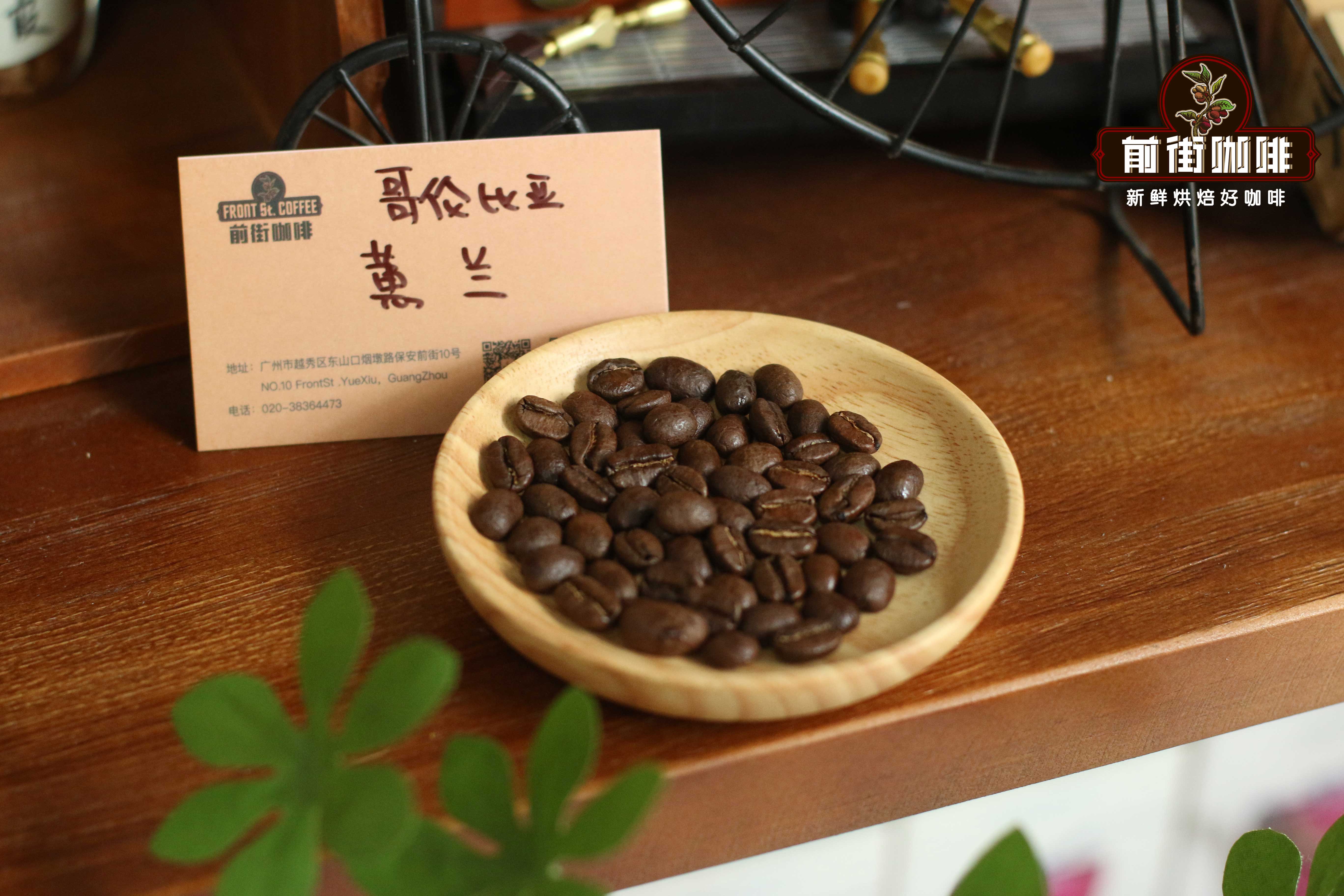
The only drawback might be that its flavor is slightly less vibrant than that of regular coffee, but with the right selection, you can still enjoy a delicious and healthy cup of decaf pour over coffee.
In summary, decaf coffee not only has an interesting history and diverse technologies but also offers health benefits. If you want to enjoy coffee without worrying about sleep disruption, consider trying decaf beans processed with the Swiss Water method—balancing flavor and health, it might just become your new favorite.
The above content is compiled by CoffeeHunters, a coffee news website.


