








Introduction:To brew a pour over coffee with clean flavors and distinct layers, choosing the right filter paper is key. This article delves into the types of coffee filter papers, the differences between bleached and unbleached options, and provides a detailed look at the characteristics and specifications of 11 common cone-shaped filters. Whether you're a beginner or an experienced coffee enthusiast, you'll learn essential tips on selecting the right filter, proper usage methods, and how to choose the best filter type based on your personal taste preferences.
During manual coffee extraction, filter paper plays a pivotal role. It not only filters out coffee grounds but also affects the mouthfeel, clarity, and flavor profile of the coffee. Common filtration methods include paper filters, metal filters, and cloth filters, among which paper filters are favored by beginners for their ease of use and stable filtering performance.
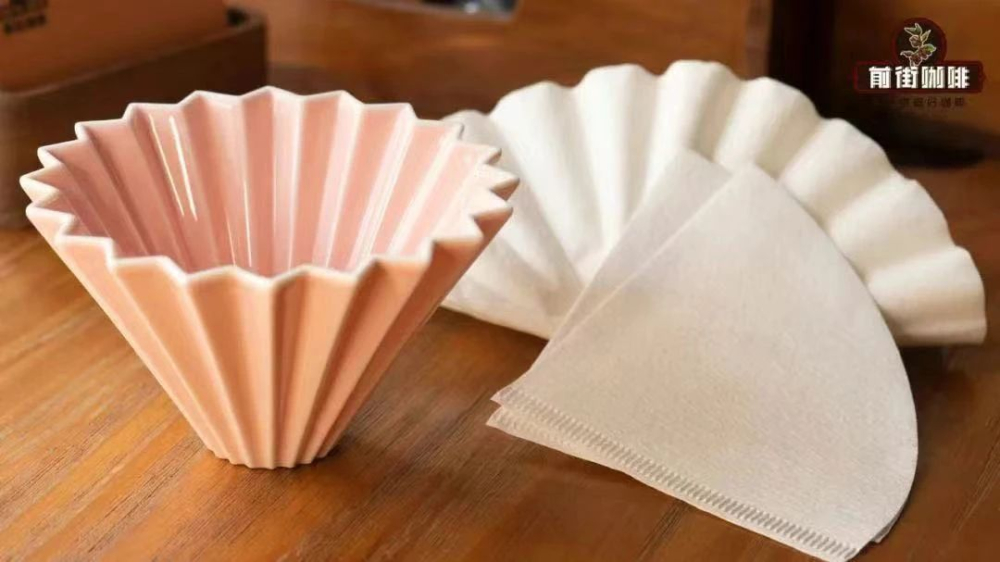
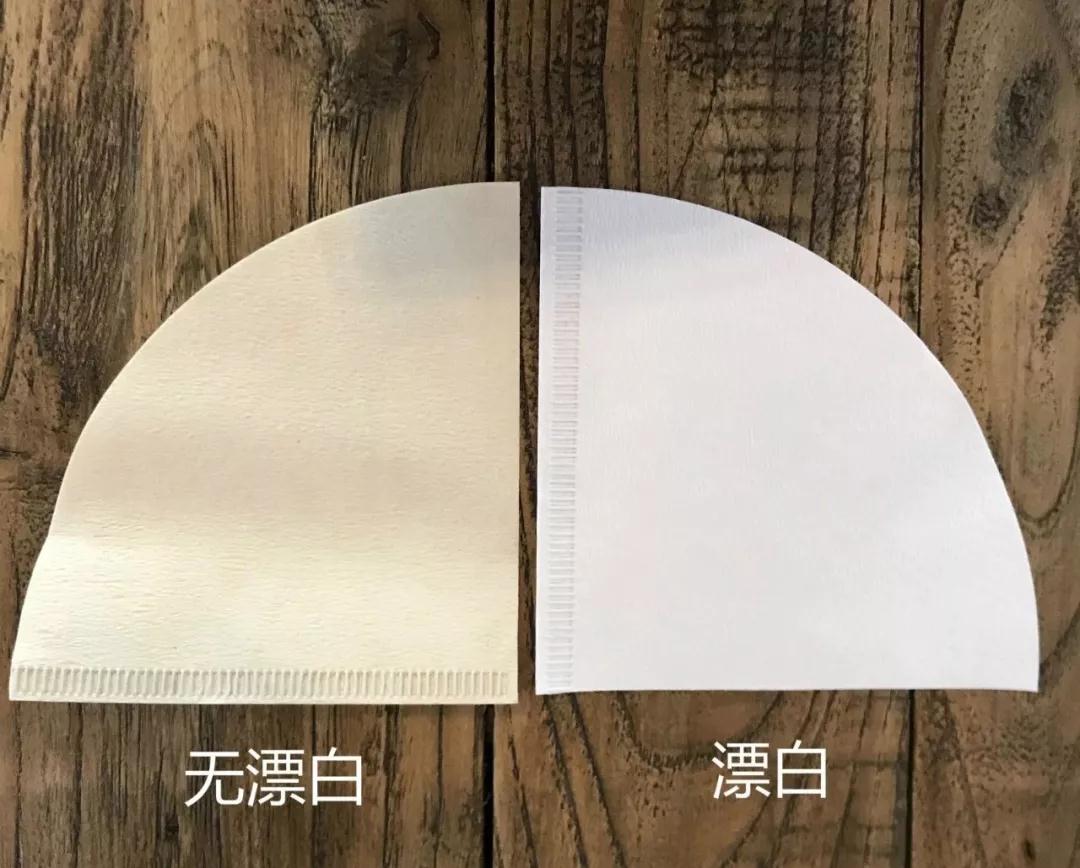
When selecting coffee filter paper, the first consideration is the difference between bleached and unbleached types. Bleached filter paper undergoes chemical treatment to achieve a pure white appearance, and the brewed coffee usually appears clearer with a relatively clean flavor, making it suitable for those who prefer a refreshing taste. In contrast, unbleached filter paper retains the original color of the paper material, often light brown in hue. It may have a slight paper-like odor upon first use, but after brewing, it tends to reveal more natural and layered coffee flavors.
< >
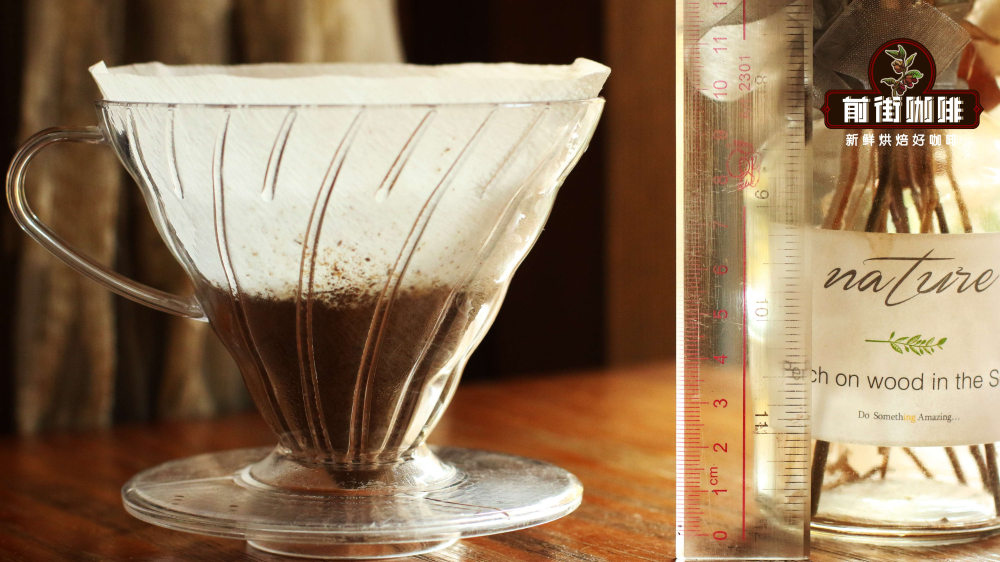
When purchasing filter paper, beyond just the color,the thickness, density, and compatibility with filter cone sizesare also extremely important. A filter paper that is too thin can cause water to flow through too quickly, affecting extraction uniformity. On the other hand, a paper that is too thick may excessively absorb coffee oils and aromas, resulting in a thinner mouthfeel. Moreover, the design structure of each filter cone—such as rib distribution and tilt angle—is closely related to how well the filter paper fits. Using a filter paper that doesn’t match the cone size can compromise overall extraction efficiency.
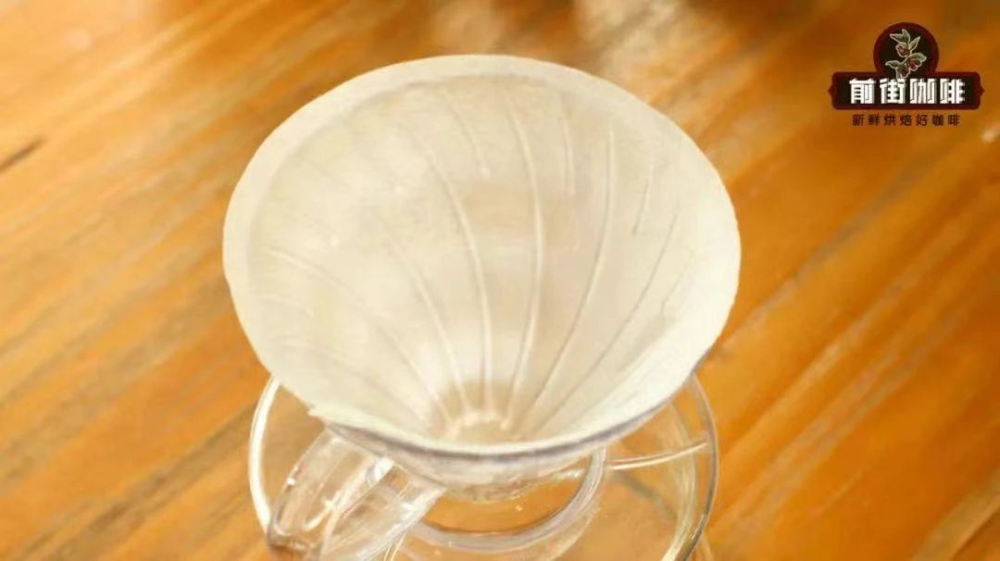
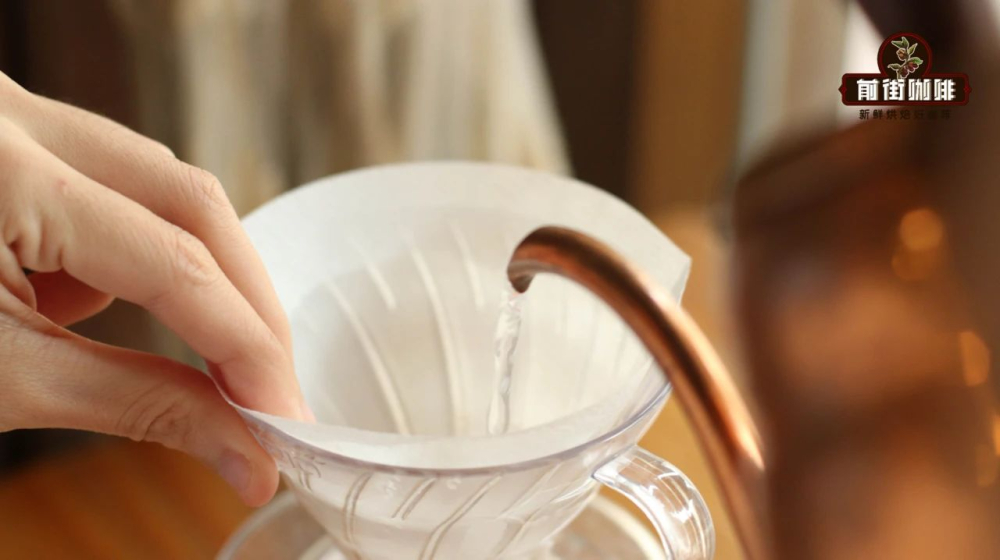
Many beginners often ask: “Do I need to rinse the filter paper beforehand?” The answer depends on the situation. The main purpose of rinsing the filter paper is to remove potential pulp odors, any residual bleach, and to preheat the filter cone to stabilize the brewing temperature. For unbleached filter paper, pre-rinsing is especially effective in reducing paper-related off-flavors. With high-quality bleached filter paper, if processed properly by the brand, not rinsing it won’t significantly impact the flavor. However, rinsing the filter paper also helps it adhere more tightly to the cone, preventing the paper from absorbing too much coffee aroma and oils during the blooming phase.
< >
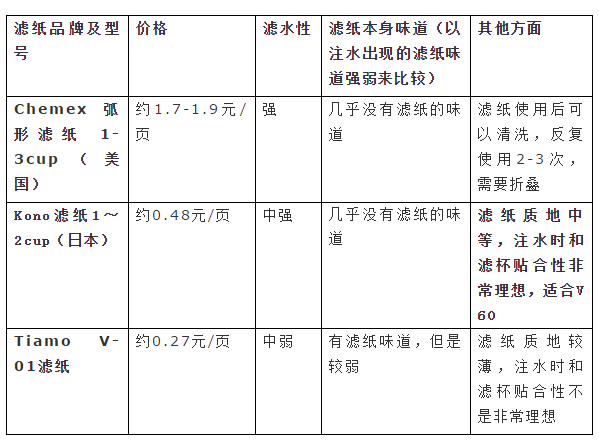
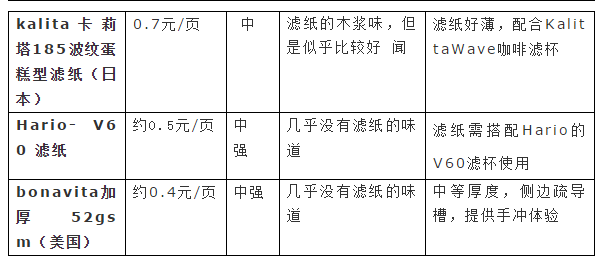
Below is a summary of the characteristics of 11 common cone-shaped filter papers: The Hario VCF-01-40W bleached version has a soft texture and minimal paper taste, but there are many counterfeit products on the market, so be sure to check for authentic certification when purchasing. The same model in unbleached form carries a unique scent and is suited for users seeking a more natural flavor. The Kono MD-25 is a common choice in coffee shops, offering a neutral flavor and stable filtration performance; its unbleached counterpart is slightly stiffer and has a faint paper aroma. The Kono MD-26c is made of cotton material, with a firm texture and a smooth interior, even emitting a subtle fragrance, making it suitable for advanced users to experiment with. The Mola series includes bleached, unbleached, and hemp versions, with the hemp filter offering a fresh scent, ideal for coffee lovers who enjoy unique flavor profiles. The Kinto SLOWstyle is a cotton filter with a rough texture and a distinctive aroma, and it is relatively thick. Bonavita is known for its firm texture, similar to that of writing paper. The Kanazawa-ya cotton filter is of medium hardness with a delicate scent, representing a lighter-weight option among cotton filters.
< >
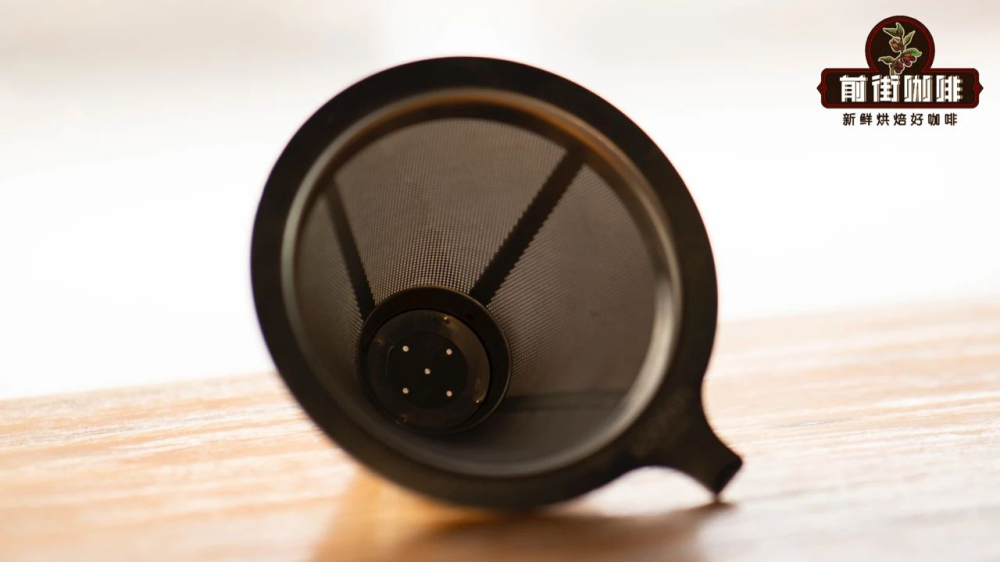
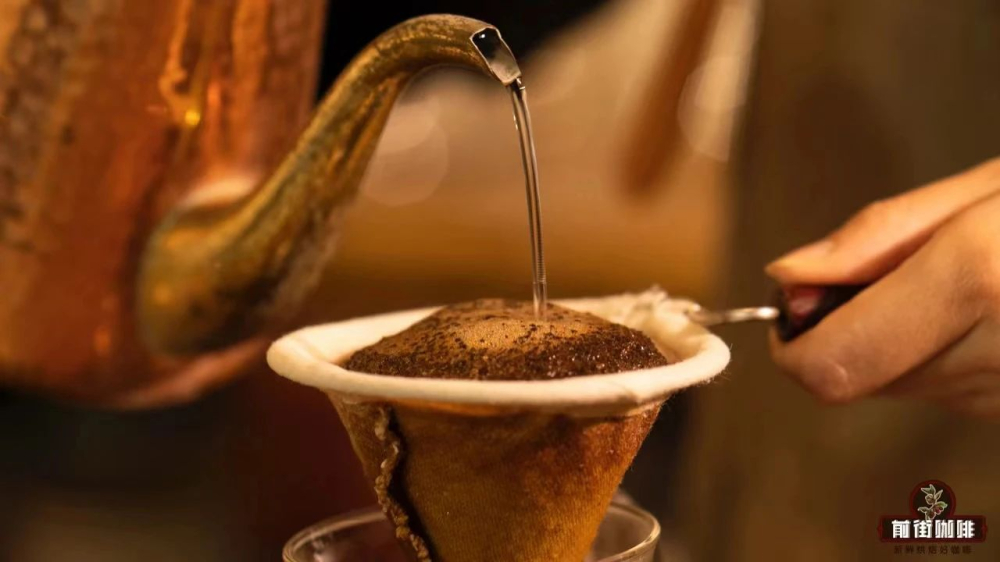
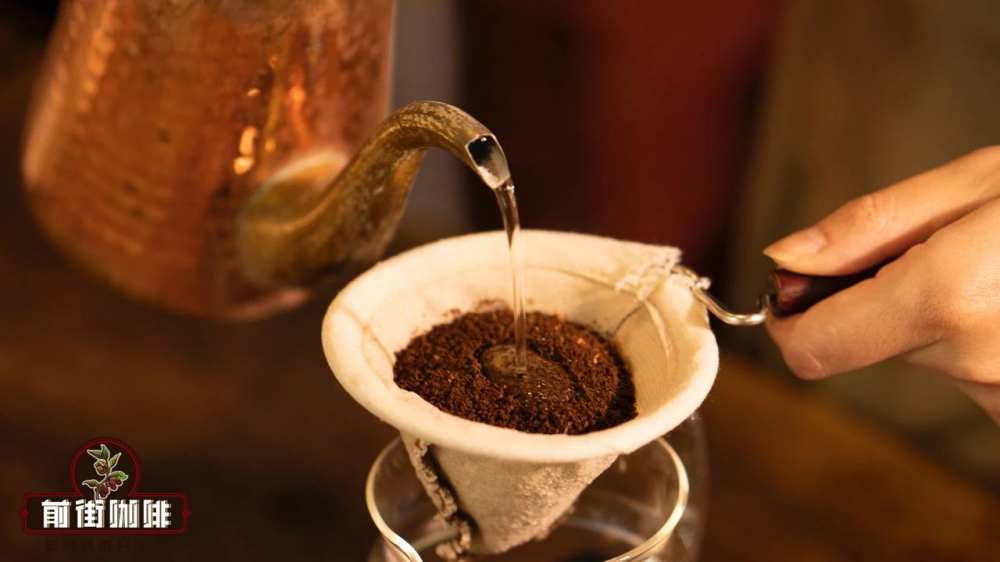
Besides filter paper, metal filters are also a popular choice among many coffee enthusiasts. Stainless steel filters are reusable, offering both environmental and economic benefits. Coffee brewed with a metal filter retains more oils and fine particles, resulting in a fuller body and a flavor closer to the bean’s natural character. However, the downside is that fine particles can pass through the filter, potentially leading to a slightly gritty mouthfeel. Also, regular cleaning is necessary to avoid residual oils affecting subsequent brews.
Cloth filters are mostly used in French press or siphon brewing. Although they require more complex cleaning and storage, they offer a flavor balance between paper and metal filters. Properly maintained cloth filters can deliver rich aromas and a full-bodied taste, but they demand more time and care to upkeep.
< >
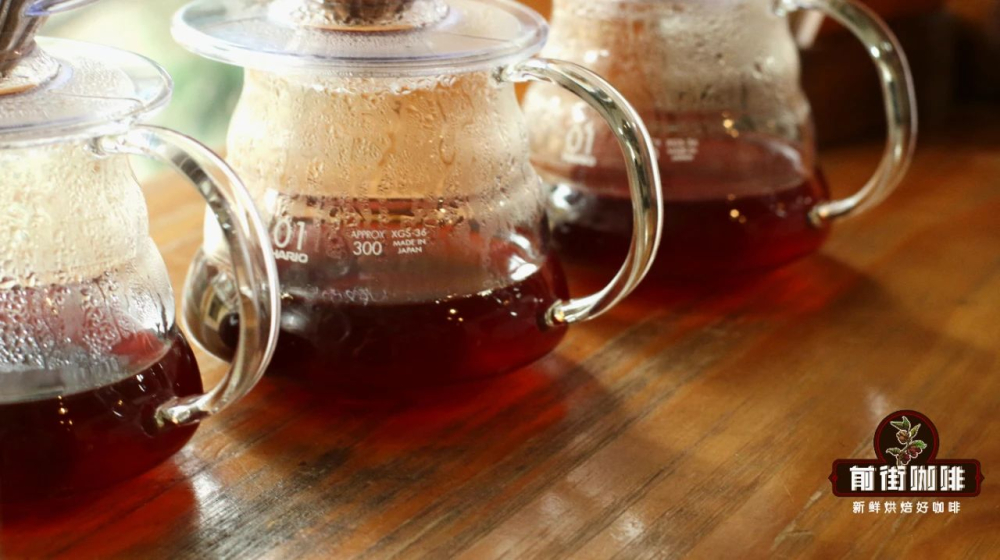
In summary, filter paper, metal filters, and cloth filters each have their own applicable scenarios and flavor characteristics. Beginners are advised to start with filter paper, and once familiar with the basic brewing process, they can gradually explore other filtration methods based on personal preference. Regardless of which filter material you choose,water quality, grind size, pouring speed, and brewing timeare equally critical variables. Only through continuous adjustments and experimentation can you discover the coffee flavor that best suits your palate.
< >
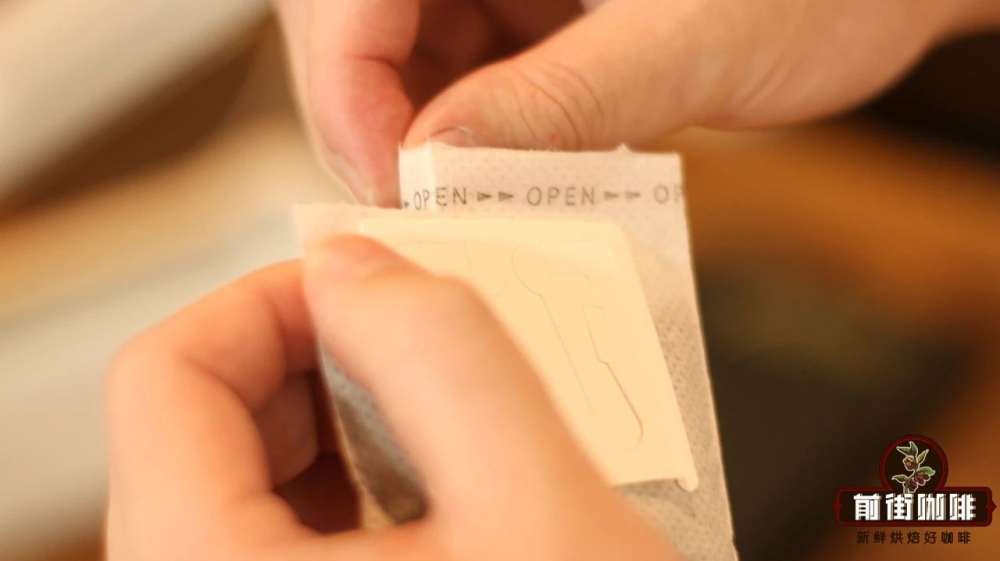
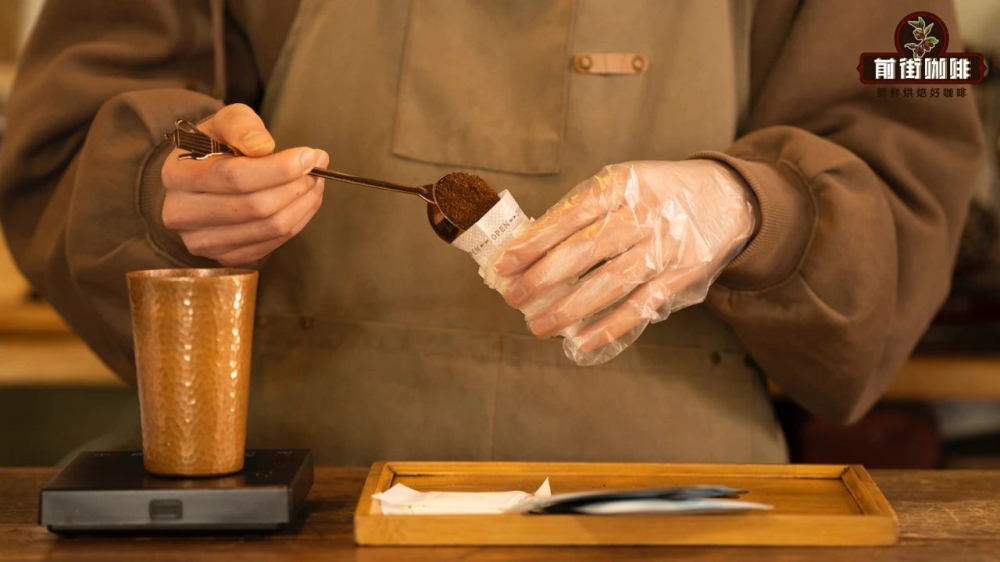
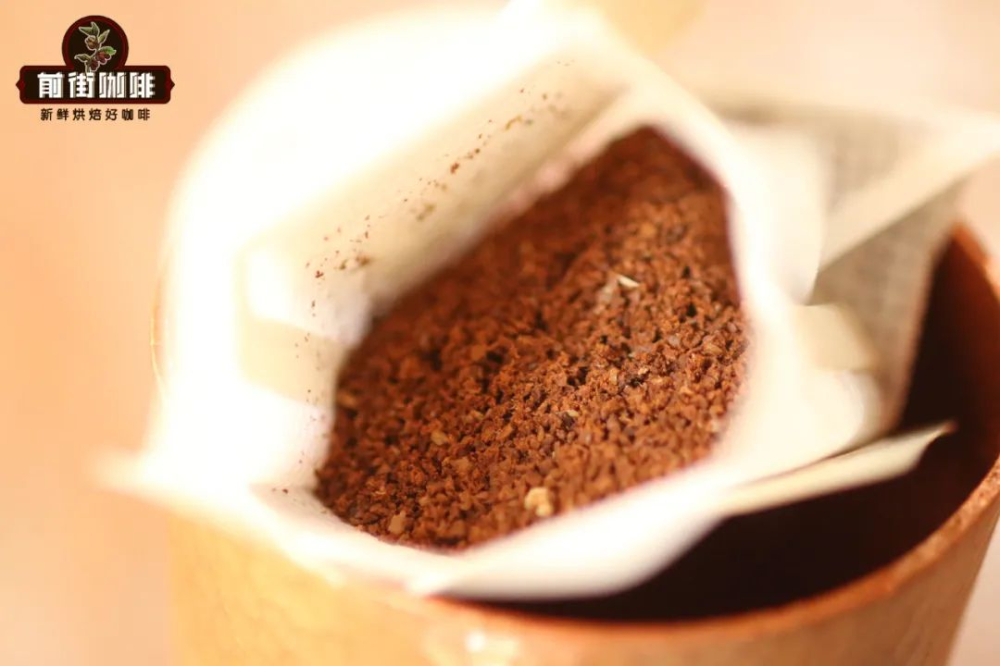
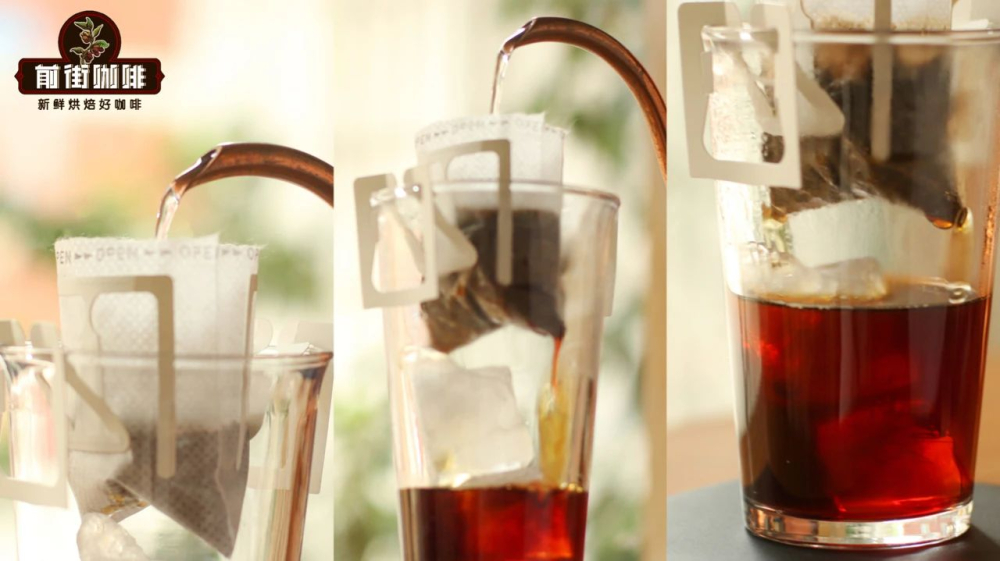
Finally, as a convenient modern option, pour-over-style coffee pods often come with filter bags made of biodegradable non-woven fabric. These bags feature a mesh structure designed for even water flow, making them suitable for hot water brewing. A grind size close to that of granulated sugar is recommended to ensure uniform extraction. With just four simple steps — “tear, hang, pour, remove” — you can enjoy a fragrant cup of pour over coffee.
< ><
 ><
 ><
 ><
 ><
 ><
 ><
 ><
 ><
 >
The above content is compiled by CoffeeHunters, a coffee news website.


