







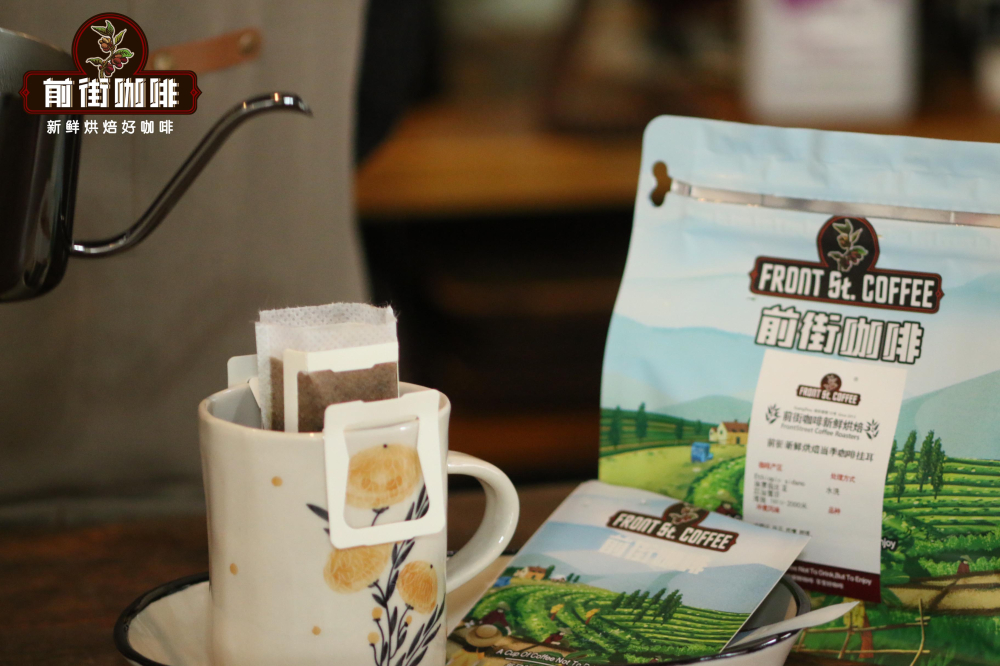
Introduction:Drip bags have become the go-to choice for many coffee enthusiasts due to their convenience, but how can you brew them correctly to achieve the best flavor? This article delves into common questions about drip bag brewing, including brew time, optimal water temperature, flavor profile selection, and whether they can be used twice—helping you master the art of drip bag brewing from beginner to advanced.
In recent years, with the rise of the specialty coffee trend, drip bags have become an ideal choice for busy office workers and home coffee lovers, thanks to their simple operation and no need for complicated equipment. Compared to traditional pour over, drip bags only require hot water and a cup to easily enjoy a rich and aromatic cup of black coffee.
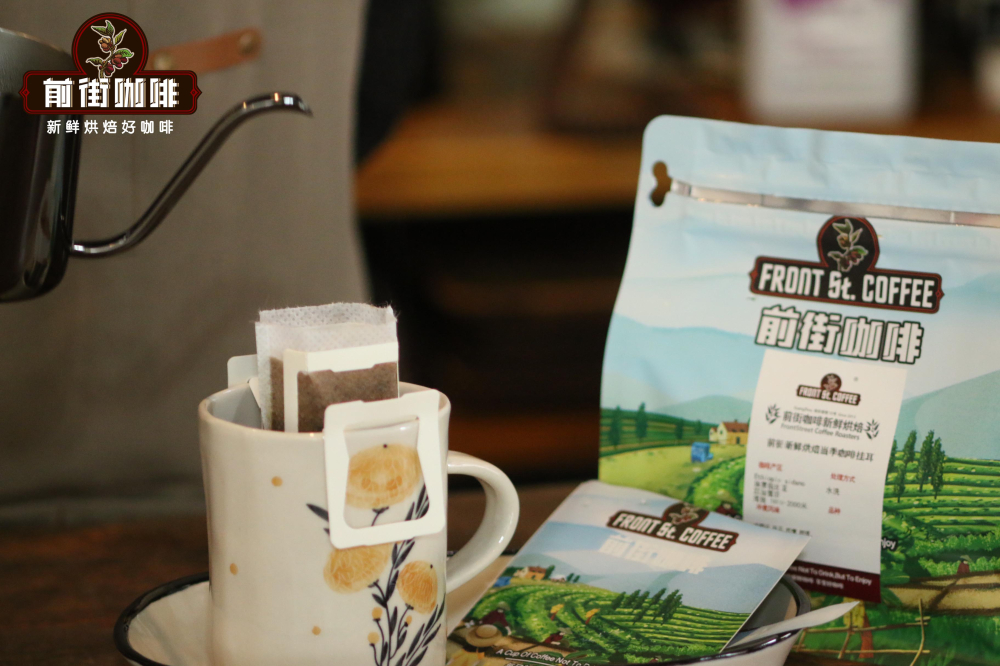 " />
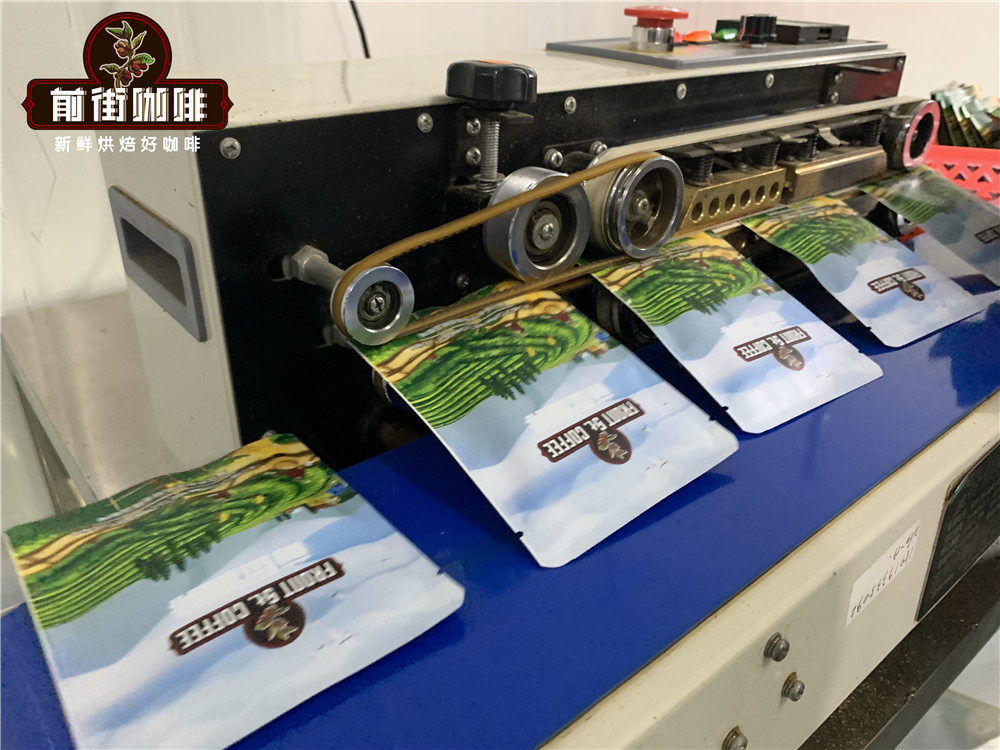
The production process of drip bags is quite meticulous. They typically use freshly roasted coffee beans, finely ground to a moderate coarseness, and then sealed in filter bags. Most of these coffee grounds are ground and packaged shortly after roasting to preserve aroma and volatile compounds to the greatest extent. For example, some suppliers complete the production and sealing within five days of roasting, ensuring the flavors are at their peak.
 " />
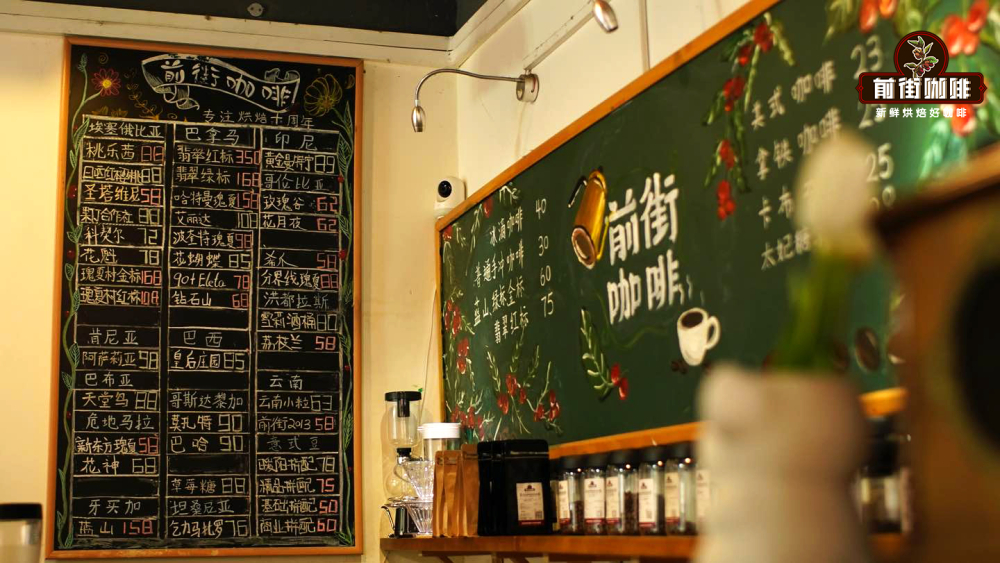
When it comes to the flavor profiles of drip bags, there is actually a wide variety to suit different taste preferences. If you enjoy bright fruit acidity and floral notes, you can opt for beans from Ethiopian regions such as Huila, Yirgacheffe, or Geisha. If you prefer rich, bold flavors with deep aftertastes, consider options from Indonesia’s Mandheling, Colombia’s Huila, or Jamaica Blue Mountain No.1, which are known for their nutty and chocolatey characteristics. Additionally, if you are sensitive to both acidity and bitterness, Honduran sherry-flavored drip bags are also a great choice, offering unique wine-like aromas and sweetness.
 " />
However, the shelf life of drip bags is relatively limited. Since the coffee grounds are pre-ground, they have a larger surface area exposed to air, causing the aroma and flavor compounds to dissipate more quickly than with whole beans. Empirical data shows that the optimal flavor period is within approximately 30 days from the roast date. Beyond this period, the coffee’s aroma noticeably weakens, and the overall flavor complexity is significantly diminished. Therefore, it is recommended to consume them as soon as possible after purchase to enjoy them at their best.
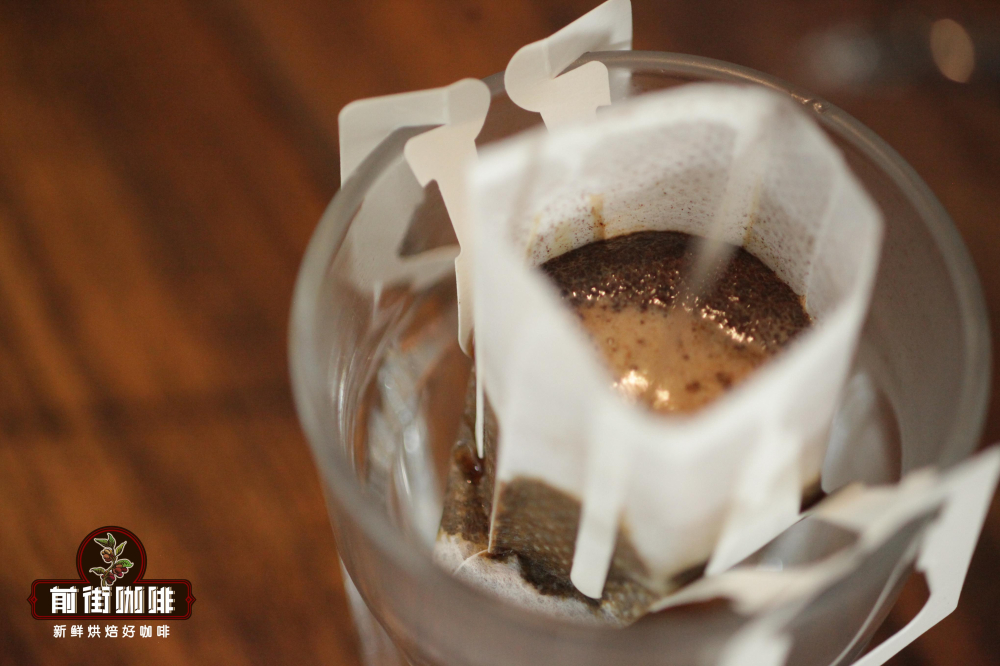 " />
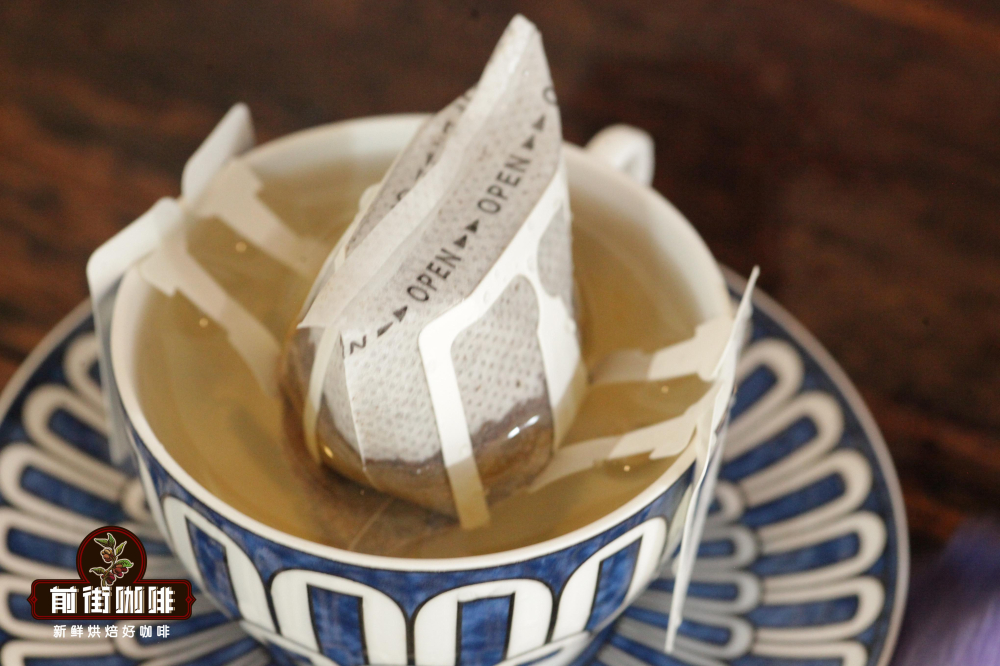
When brewing drip bags, there are several common mistakes to avoid. For instance, simply brewing with plain hot water without controlling the water temperature and ratio often leads to uneven extraction or flavor imbalance. Additionally, soaking the drip bag directly in the cup like tea for an extended period can easily result in over-extraction, producing bitter and astringent off-flavors. Some consumers also mistakenly pour out the coffee grounds to brew directly or reuse the same drip bag, methods that are unlikely to yield satisfactory extraction results.
 " />
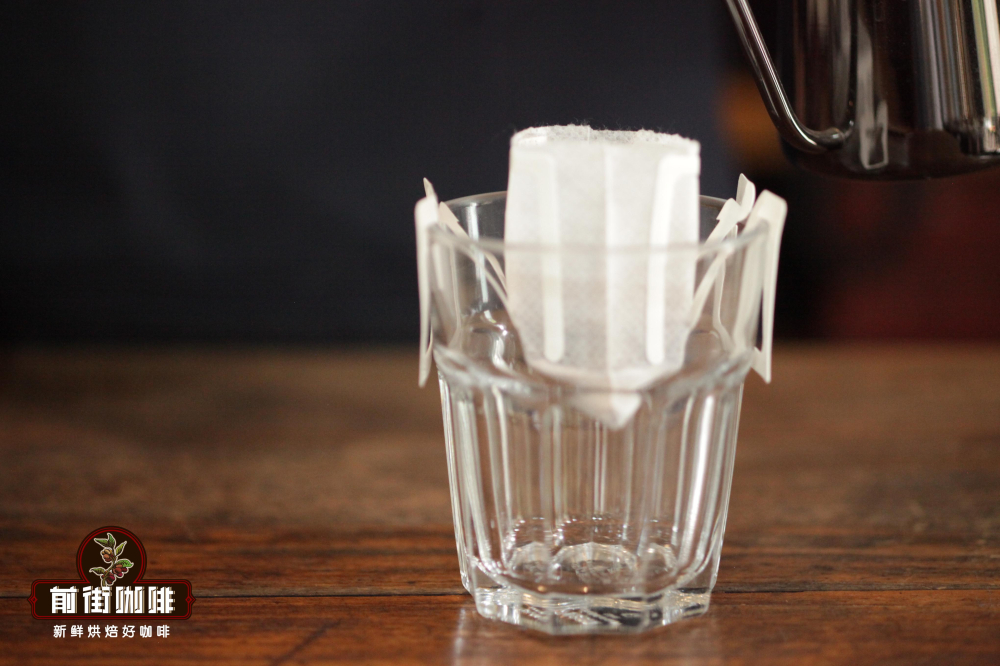
For proper drip bag brewing, it is recommended to use water at 88–92°C, adjusting slightly based on roast level: light to medium roasts are suited to 90–91°C, while medium-dark to dark roasts are better brewed at 88–89°C. The standard brew ratio is 1:15, meaning for each 10-gram drip bag coffee pack, use 150 grams of hot water. It is advisable to use a pour-over kettle with a steady flow design, along with a thermometer and a straight-sided heat-resistant cup, to more precisely control extraction conditions.
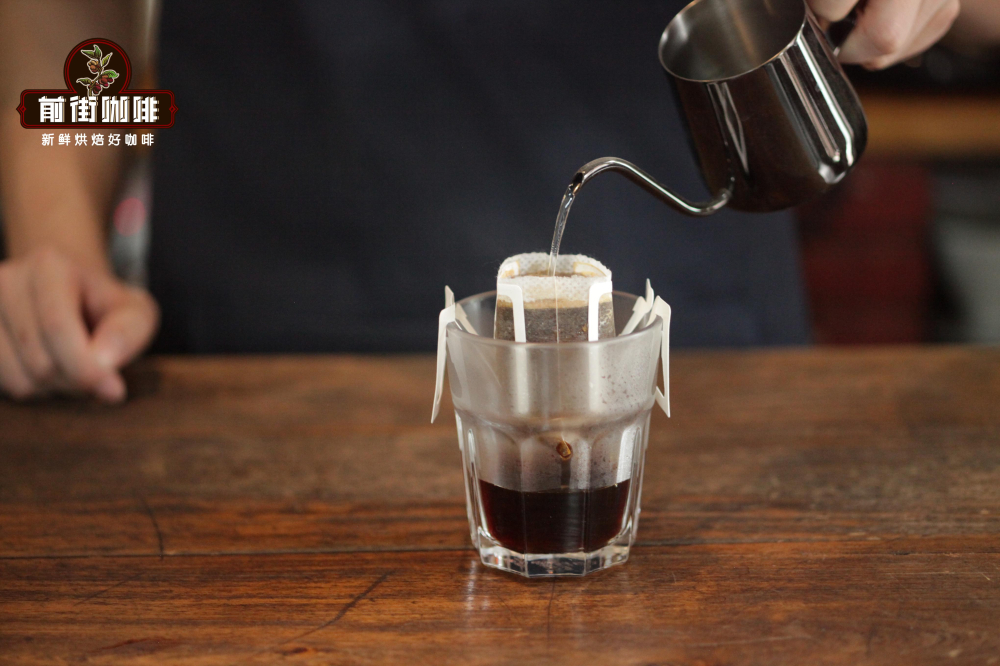 " />
In practice, it is recommended to follow a simple three-step pouring method: first, pour about 30 milliliters of hot water, let it sit for 20–30 seconds to bloom and activate the coffee grounds; then, every 10 seconds or so, pour 60 milliliters of hot water twice, bringing the total water volume to 150 milliliters. Once the coffee has finished dripping, remove the drip bag and gently swirl the cup to evenly distribute the coffee before enjoying. Please note that drip bags are only recommended for a single brew, as the majority of flavor compounds are released during the first extraction—reusing them will make it difficult to achieve a satisfying taste.
 " />
The above content is compiled by CoffeeHunters, a coffee news website.


